Chicken Stack: The Ultimate Guide to Layered Chicken Perfection
Let's be honest. We've all been there. You pull a baked chicken breast out of the oven, full of hope, only to be met with a pale, dry slab that needs a flood of sauce to be edible. The classic chicken dinner rut is real. But what if there was a method that guaranteed juicy chicken, infused every bite with flavor, and turned a weeknight staple into something you're actually excited to eat? That method is the chicken stack.
It's not just a recipe; it's a cooking philosophy. Instead of treating the chicken as a solitary island on the plate, you build a vertical masterpiece in your baking dish. Think of it as a savory lasagna, but with tender chicken as your pasta sheets, holding together layers of vegetables, cheese, sauces, and grains. The result? Every forkful is a complete bite—protein, veg, and flavor in perfect harmony. The steam and juices circulate within the stack, basting the chicken from all sides, making it nearly impossible to dry out.
What's Inside This Guide
- What Exactly Is a Chicken Stack? (It's Not Just a Casserole)
- Why the Stack Method Beats Every Other Chicken Cooking Technique
- How to Build the Perfect Chicken Stack: The 4 Key Elements
- Two Can't-Miss Global Flavor Chicken Stack Recipes
- The 3 Biggest Mistakes People Make (And How to Avoid Them)
- Chicken Stack Meal Prep: Your Secret to Easy Lunches
What Exactly Is a Chicken Stack? (It's Not Just a Casserole)
Calling a chicken stack a "casserole" does it a disservice. A casserole is often a mix of everything baked together. A stack is intentional layering. You have control over where each ingredient goes, which changes the texture and flavor delivery completely. The bottom layer might be a starchy base to soak up juices (think thinly sliced potatoes or cooked quinoa). Then comes your first chicken layer, seasoned aggressively. On top of that, a moisture-rich vegetable layer like spinach or roasted peppers. Then more chicken, a cheese or sauce layer, and a crispy topping like breadcrumbs or more cheese.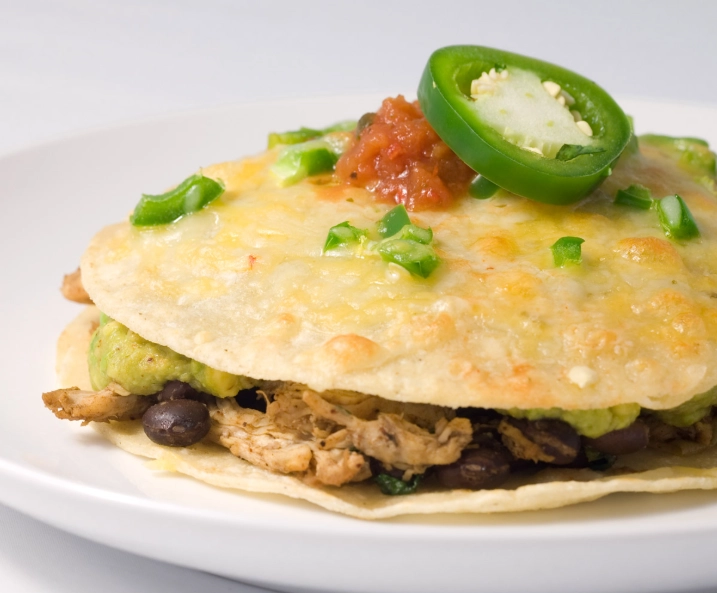
The magic happens in the oven. As it bakes, the ingredients don't just cook; they converse. Chicken juices drip onto the vegetables below, wilting them and transferring flavor. Steam from the veg rises, keeping the chicken above tender. Melting cheese acts as a glue and a flavor blanket. You end up with distinct layers that are also wonderfully connected.
Key Difference: In a stir-fry, flavors mingle in a pan. In a stack, they build vertically, creating pockets of concentrated taste and varied texture in every vertical slice you serve.
Why the Stack Method Beats Every Other Chicken Cooking Technique
I've grilled, pan-seared, roasted, and poached more chicken than I can count. The stack solves fundamental problems the other methods ignore.
Solves Dry Chicken: Direct, dry heat is the enemy of lean chicken breast. In a stack, the chicken is insulated and steamed by the layers above and below it. It cooks more gently and evenly.
Eliminates Blandness: No more bland chicken center. Because it's layered with other ingredients, seasoning and flavors penetrate from multiple surfaces. You're seasoning the gaps, not just the surface.
Built-in Meal: You're cooking your protein, veggies, and side dish simultaneously in one dish. The cleanup is a dream, and the presentation is family-style impressive.
Here’s a quick comparison of why it often wins for weeknight cooking:
| Method | Flavor Risk | Moisture Risk | Cleanup & Convenience |
|---|---|---|---|
| Pan-Searing | Great crust, bland interior | High (easy to overcook) | Medium (splatter, extra pan for sides) |
| Grilling | Smoky, but uneven seasoning | Very High (dries out fast) | Low (grill setup/cleanup) |
| Basic Baking | Often bland throughout | Extremely High | High (one pan, but bland results) |
| Chicken Stack | Layered, infused flavor | Very Low (self-basting) | Very High (one dish, complete meal) |
How to Build the Perfect Chicken Stack: The 4 Key Elements
Think of this as your architectural blueprint. Get these four components right, and you can invent infinite chicken stack recipes.
1. The Protein: More Than Just Chicken Breast
Boneless, skinless chicken thighs are the unsung hero here. They're more forgiving and flavorful. But breasts work great if you treat them right. The non-negotiable step everyone skips? Don't just season—"dry-brine" your chicken for 20 minutes. Sprinkle kosher salt on all sides and let it sit on a rack in the fridge. This pulls moisture to the surface, which then gets reabsorbed, seasoning the meat deeply and helping it retain juices during cooking. A little trick from Serious Eats food science that makes a world of difference.
2. The Filling & Moisture Layer
This is your flavor engine. You need ingredients that release moisture and taste. Sautéed mushrooms, spinach, sundried tomatoes, roasted bell peppers, caramelized onions, or even a thin layer of pesto. Avoid raw, watery veggies like zucchini or tomato slices in the middle—they'll make the stack soggy. Pre-cook or roast them to concentrate flavor and remove excess water.
3. The Binder
Something to hold the layers together and add creaminess. Ricotta cheese mixed with an egg and herbs, a bechamel sauce, a layer of mashed sweet potato, or even a spread of cream cheese. This layer acts as mortar, ensuring you get a clean slice.
4. The Top & Bottom
The bottom layer should be sturdy and absorbent: a thin layer of shredded potatoes (squeezed dry), cooked polenta, or even tortilla chips for a Mexican stack. The top needs texture contrast: panko breadcrumbs tossed with olive oil and Parmesan, a final sprinkle of cheese that will brown, or crispy fried onions.
Two Can't-Miss Global Flavor Chicken Stack Recipes
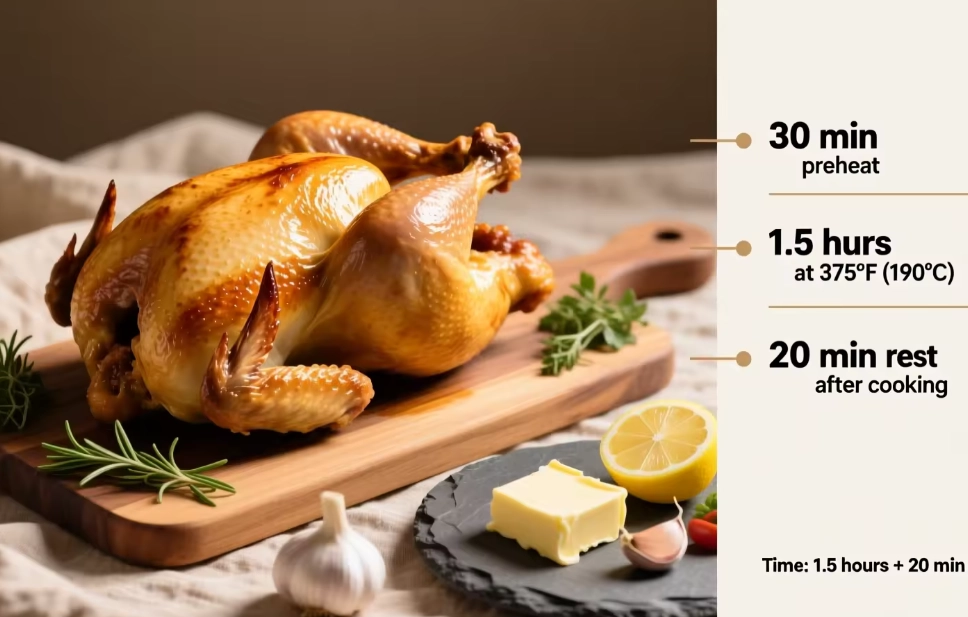
Let's apply the blueprint. These are two of my go-to stacks, each serving 4-6 people. Prep time is about 20 minutes, cook time 40-45 minutes at 375°F (190°C).
Stack #1: Italian Herb & Sun-Dried Tomato Stack
This tastes like a deconstructed, juicier chicken parmesan.
- Protein: 1.5 lbs chicken breasts, pounded to even thickness, dry-brined.
- Bottom: 1 cup marinara sauce mixed with 1/2 cup cooked quinoa.
- Filling: 1 cup chopped oil-packed sun-dried tomatoes, 2 cups fresh spinach (wilted and squeezed dry), 2 cloves minced garlic.
- Binder: 1 cup ricotta, 1 egg, 1/4 cup chopped fresh basil, salt, pepper.
- Top: 1 cup shredded mozzarella, 1/4 cup grated Parmesan mixed with 1/2 cup panko.
Assembly: Spread quinoa-marinara mix in a greased 9x13 dish. Layer half the chicken, all the spinach/sun-dried tomato mix, then the ricotta mixture. Add remaining chicken, spread remaining marinara, top with cheeses and panko. Bake until golden and internal chicken temp hits 165°F.
Stack #2: Southwest Black Bean & Corn Stack
A fiesta in a dish. Great with avocado crema on top.
- Protein: 1.5 lbs chicken thighs, cut into strips, tossed with taco seasoning.
- Bottom: 1 can (15 oz) black beans, rinsed and mashed slightly with 1/2 cup corn kernels.
- Filling: 1 cup roasted corn, 1 diced poblano pepper (sautéed), 1/2 cup sliced black olives.
- Binder: 1 cup pepper jack cheese, shredded.
- Top: 1 cup crushed tortilla chips, 1/2 cup cheddar cheese, sliced jalapeños.
Assembly: Mashed bean/corn base. Layer half the chicken, the roasted corn/poblano mix, half the pepper jack. Remaining chicken, remaining pepper jack, top with chips, cheddar, and jalapeños.
The 3 Biggest Mistakes People Make (And How to Avoid Them)
After making hundreds of these, I see the same pitfalls.
1. The Soggy Bottom. Caused by putting raw, high-moisture vegetables directly on the base. Fix: Always pre-cook veggies like mushrooms, zucchini, or spinach to drive off water. A quick sauté or roast is key.
2. The Uncuttable Mess. You go to serve it and it collapses. Fix: Let it rest for 10-15 minutes after baking. The binder layer (ricotta, egg, cheese) needs time to set. Use a very sharp knife to cut portions.
3. Underseasoning the Middle. People season the chicken but forget the interior layers. Fix: Season every single layer, even lightly. Salt your vegetable filling. Season your binder. This builds flavor depth.
Chicken Stack Meal Prep: Your Secret to Easy Lunches
This is where the chicken stack shines. Bake a large one on Sunday, let it cool completely, then portion it into airtight containers. It reheats remarkably well in the microwave because the internal moisture prevents the chicken from turning into rubber. The flavors often meld and improve overnight. Aim for consumption within 4 days, following general USDA food safety guidelines for leftovers.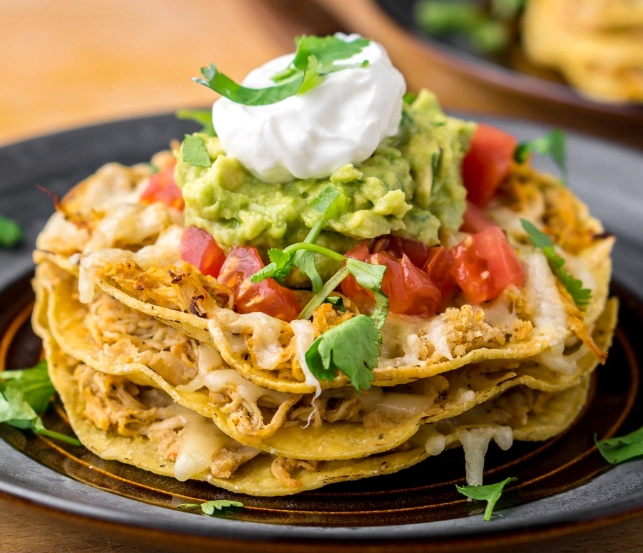
Your Chicken Stack Questions, Answered
Can I use frozen chicken for a chicken stack?
You can, but it's risky. Thaw it completely in the fridge first. Frozen chicken releases a ton of water during baking, which can pool and steam the bottom layers into mush, ruining the texture. For food safety and texture, fully thawed is the only way to go.
My chicken stack always falls apart when I serve it. What am I doing wrong?
Two likely culprits. First, you're not letting it rest after baking. Give it a solid 10-15 minutes for the structure to firm up. Second, your binder layer might be too weak. If you're skipping the egg-in-ricotta or a proper cheese layer, there's nothing to glue the strata together. A thin layer of mashed potato or a sprinkle of cornstarch in your sauce can also help thicken the juices.
Can I make a chicken stack ahead of time and refrigerate it before baking?
Absolutely, it's a great make-ahead move. Assemble the stack in your baking dish, cover tightly with plastic wrap, and refrigerate for up to 24 hours. The key is to add any dry, crispy toppings (like breadcrumbs or chips) right before you bake it, so they stay crunchy. You may need to add 5-10 minutes to the baking time since it's going into the oven cold.
What's the best dish to bake a chicken stack in?
A ceramic or glass baking dish is ideal. Metal pans can sometimes cause the edges to overcook and brown too fast before the center is done. The glass allows you to see the browning on the bottom and sides. A 9x13 inch dish is the perfect size for most family-sized stacks.
I'm trying to eat lower-carb. Are there good chicken stack bases besides potatoes or grains?
For sure. Try a layer of thinly sliced eggplant or zucchini (salted and pressed to remove water first). Cauliflower rice, lightly sautéed to remove moisture, works well. You can also skip a starchy base entirely and just start with a thin layer of sauce or a bed of hearty greens like kale or chard.
The chicken stack is more than a recipe—it's a toolkit for ending boring chicken dinners. It gives you a framework to be creative, ensures a juicy result, and turns an ordinary meal into a conversation piece. Start with one of the recipes above, get a feel for the layers, and then start inventing your own. Once you stack, you rarely go back.
Related Articles