The Ultimate Guide to Dark Meat Chicken Parts: Flavor, Cuts & Recipes
Let's talk about the best part of the chicken. No, not the breast. I'm talking about the juicy, flavorful, forgiving dark meat—the thighs, legs, and drumsticks. For years, white meat got all the glory, pushed by diet trends that feared fat. What a mistake that was. Dark meat isn't just better tasting; it's often more affordable, harder to overcook, and packed with the kind of richness that turns a simple weeknight meal into something memorable. If you've ever found a chicken breast dry and disappointing, this guide is for you. We're diving deep into why these parts work, how to cook them perfectly every time, and sharing recipes that celebrate their unique qualities.
Your Quick Guide to Dark Meat Mastery
Why Dark Meat Simply Tastes Better
It's not magic; it's anatomy and a bit of chemistry. Dark meat comes from the chicken's legs and thighs—the parts that get the most exercise. All that movement means more myoglobin, an oxygen-storing protein that gives the meat its darker color. More importantly, it means a higher fat content and more connective tissue.
Here’s the thing everyone gets wrong: they see "fat" and think "unhealthy." In cooking, that intramuscular fat and collagen are your best friends. When heated slowly, collagen melts into gelatin, making the meat incredibly tender and moist. The fat carries flavor. That's why a chicken thigh can stand up to bold spices, long braises, and high-heat grilling without drying out. A breast can't do that. It's lean muscle with little insurance against overcooking.
Dark Meat Cuts: A Detailed Breakdown
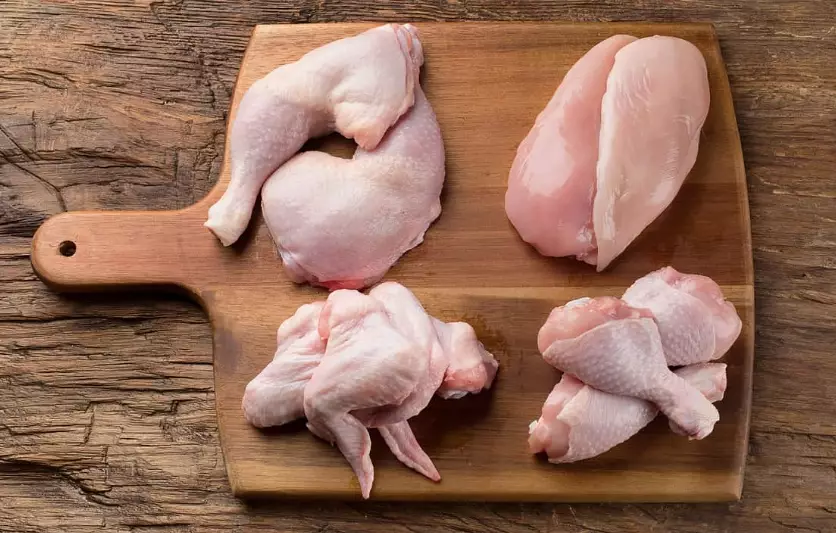
Not all dark meat is the same. Knowing the differences helps you choose the right cut for the job. Here’s a breakdown of what you'll find at the store.
| Cut | Description & Best For | Approx. Cook Time (Oven, 375°F/190°C) | Price Point (Relative) |
|---|---|---|---|
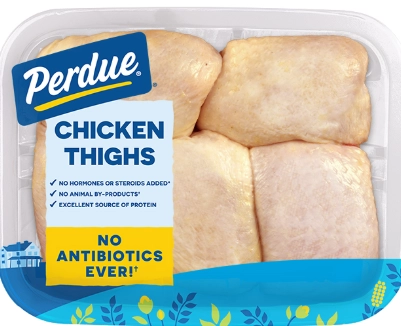
| Bone-in, Skin-on Thighs | The gold standard for flavor. The bone adds depth to stocks, the skin crisps up beautifully. Perfect for roasting, braising, grilling. | 35-45 minutes | $$ ($ Most common) |
| Boneless, Skinless Thighs | Extremely convenient for quick sautés, stir-fries, kebabs, and recipes where you want meat in bites. Less flavor than bone-in but still very juicy. | 20-25 minutes | $$$ |
| Chicken Leg Quarters | The thigh and drumstick attached. A fantastic budget option with great presentation. Ideal for family meals, baking, or smoking. | 45-55 minutes | $ (Best value) |
| Drumsticks | Kid-friendly and fun to eat. The shape means more surface area for crispy skin. Great for baking, frying, or glazing with BBQ sauce. | 40-50 minutes | $ |
| Whole Chicken Legs | Often just another name for leg quarters. Check if the back portion is included for stock-making. | 45-55 minutes | $$ |
My personal favorite for everyday cooking? Bone-in, skin-on thighs. They're almost foolproof. Even if you leave them in the oven a few minutes too long, the fat and connective tissue protect them. Boneless skinless thighs are my go-to for busy weeknights when I'm making a curry or a quick pan sauce.
How to Cook Dark Meat Perfectly
Dark meat is forgiving, but a few techniques will elevate it from good to restaurant-quality.
Rule #1: Don't Be Afraid of High Heat (at least to start)
Especially for skin-on cuts. Start them in a hot oven (425°F/220°C) or a searing hot pan to render the fat under the skin and make it crackling crisp. You can always lower the temperature to finish cooking through. A common mistake is baking at one moderate temperature the whole time, which can lead to rubbery, unrendered skin.
Rule #2: Season Aggressively and Early
Salt is dark meat's best friend. It helps draw out moisture initially, which then gets re-absorbed, seasoning the meat deeply. Don't just sprinkle salt on top. Get it under the skin if you can, and on all sides. Do this at least 30 minutes before cooking, or even the night before.
Rule #3: Let it Rest
This isn't optional. When you pull dark meat from the heat, the juices are racing around. Let it sit for 5-10 minutes tented with foil. Those juices will redistribute. If you cut right in, all that flavorful liquid ends up on your cutting board, not in your mouth.
One method I swear by for perfect thighs: The Pan-Sear to Oven Finish. Pat the thighs completely dry. Season. Heat an oven-safe skillet (like cast iron) with a bit of oil until it's smoking hot. Place thighs skin-side down. Don't touch them for 6-8 minutes until the skin is deep golden and releases easily. Flip, then transfer the whole skillet to a 400°F (200°C) oven for 12-15 minutes to finish. Rest. Perfect crispy skin, juicy interior.
Global Dark Meat Chicken Recipes to Try
The richness of dark meat stands up to the boldest flavors from around the world. Here are two foolproof recipes to get you started.
Recipe 1: One-Pan Spanish Chicken with Chorizo & Peppers
This is a weeknight hero. The chicken thighs roast with smoked paprika-spiced chorizo and sweet peppers, creating its own incredible sauce. Serve with crusty bread to mop it all up.
What you need: 4-6 bone-in, skin-on chicken thighs, 1 tbsp smoked paprika, 1 tsp dried oregano, salt, pepper, 8 oz (225g) Spanish chorizo (sliced), 1 large onion (sliced), 2 bell peppers (sliced), 4 cloves garlic (smashed), ½ cup dry white wine or chicken stock.
How to make it: Heat oven to 400°F (200°C). Pat chicken dry, rub with paprika, oregano, salt, and pepper. In a large, cold oven-safe skillet or roasting pan, place chicken skin-side down. Turn heat to medium-high and cook 8 mins until skin is crisp. Remove chicken. Add chorizo, onion, peppers to the pan fat. Cook 8 mins. Add garlic, cook 1 min. Pour in wine/stock, scrape up bits. Nestle chicken back in skin-side up. Transfer pan to oven. Roast 25-30 mins until chicken is cooked. That's it.
Recipe 2: Simplified Vietnamese Caramel Chicken (Ga Kho)
Sticky, savory, slightly sweet, and so addictive. Using boneless, skinless thighs here means quick cooking and maximum sauce absorption.
What you need: 1.5 lbs (700g) boneless, skinless chicken thighs (cut into chunks), 3 tbsp fish sauce, 2 tbsp brown sugar, 1 tbsp minced ginger, 3 cloves garlic (minced), 1 shallot (sliced), ½ tsp black pepper, 2-3 Thai chilies (optional), ¼ cup water, green onions & cilantro to garnish.
How to make it: In a bowl, mix chicken with 1 tbsp fish sauce and black pepper. In a cold wok or deep skillet, add sugar and 1 tbsp water. Heat over medium until sugar melts and turns a deep amber (watch closely!). Carefully add chicken—it will splatter. Stir to coat. Add ginger, garlic, shallot, chilies. Cook 2 mins. Add remaining fish sauce and ¼ cup water. Simmer 12-15 mins, stirring occasionally, until sauce thickens and coats chicken. Garnish. Serve over rice.
Buying & Storing Tips for Best Value
Look for packages where the meat looks plump and moist, not dry or discolored. The skin should be intact and creamy-colored. Leg quarters are almost always the best price per pound. Don't shy away from store brands; the quality is often identical to name brands.
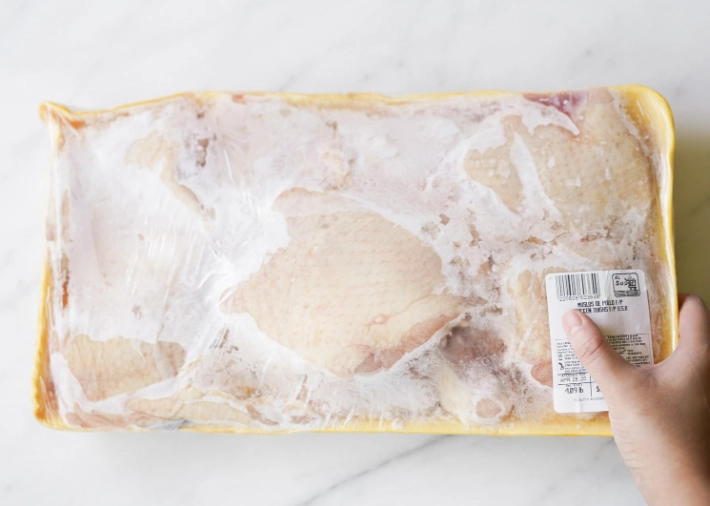
Freezing is your friend. When you see a sale, buy in bulk. Portion thighs or legs into meal-sized amounts in freezer bags, press out the air, and label. They'll keep for 6-9 months. Thaw in the fridge overnight, never on the counter.
One more pro tip: Save the bones. After eating bone-in thighs, toss the bones in a freezer bag. When you have a full bag, make an incredibly rich, gelatinous chicken stock. It's free flavor gold.
Your Dark Meat Questions Answered
Related Articles