Chicken Teriyaki Roll: From Homemade Recipe to Top Restaurant Picks
Let's cut to the chase. A chicken teriyaki roll isn't traditional sushi, and purists might turn their noses up. But who cares? It's a wildly popular fusion creation that combines the sweet-savory punch of Japanese teriyaki with the convenient, handheld format of a sushi roll. Whether you're looking to impress friends with a homemade version or track down the best one in your city, this guide has you covered. I've spent years both making and eating these rolls, and I'm here to share the real details that make the difference between good and unforgettable.
What You'll Find in This Guide
What Exactly Is a Chicken Teriyaki Roll?
Think of it as a deconstructed chicken teriyaki bowl, rolled up in seaweed and rice. At its core, it's cooked chicken glazed in teriyaki sauce, paired with ingredients like cucumber and avocado, all wrapped in sushi rice and nori (seaweed). It's almost always served inside-out (rice on the outside), often sprinkled with sesame seeds or drizzled with extra sauce. It's a gateway roll for many into Japanese cuisine—familiar, satisfying, and less intimidating than raw fish.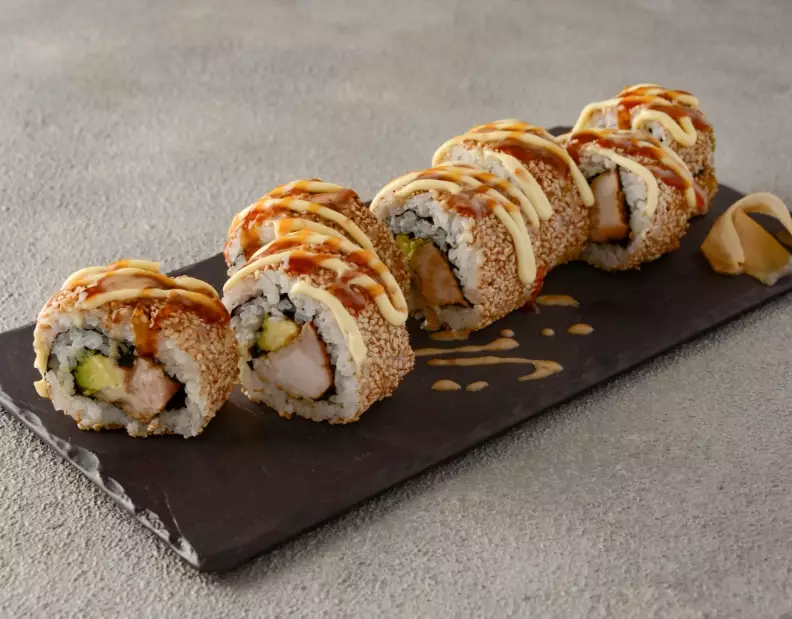
The magic lies in the balance. The rice provides a mild, vinegared base. The chicken brings protein and that signature sticky-sweet teriyaki flavor. The veggies add a crucial fresh crunch. When done right, it's a perfect bite.
How to Make Chicken Teriyaki Roll at Home: A Foolproof Recipe
Making sushi at home sounds daunting, but this roll is one of the easiest to start with. The chicken is cooked separately, so there's no raw fish handling. Let's get our hands dirty.
Ingredients You'll Need
For the Chicken & Sauce:
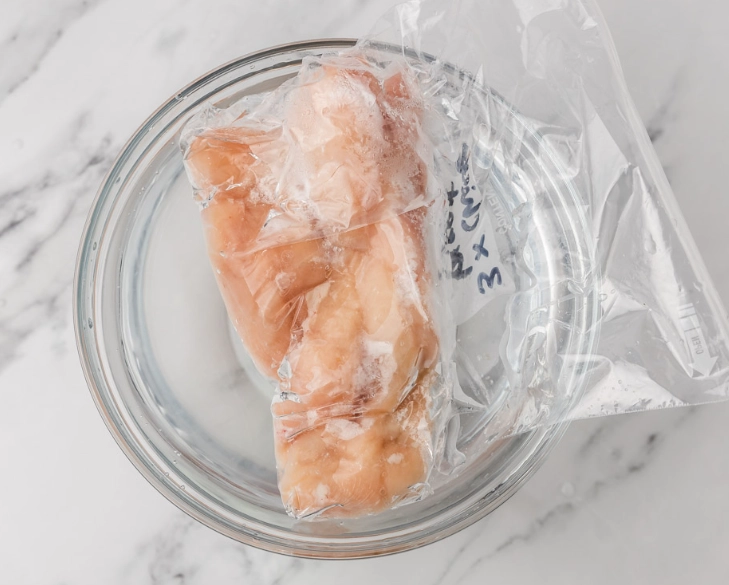
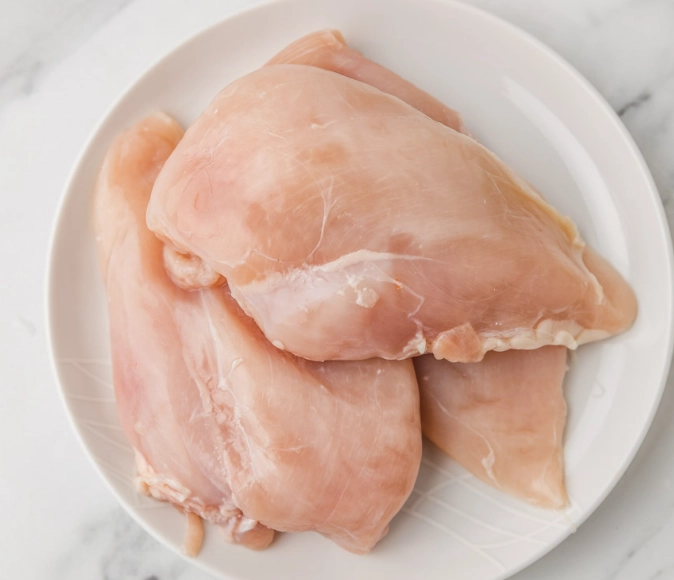
- 1 boneless, skinless chicken breast (about 6 oz), cut into thin strips
- 1/4 cup soy sauce (use a good quality one like Kikkoman)
- 2 tbsp mirin (sweet rice wine) – this is non-negotiable for authentic flavor
- 2 tbsp sake or dry white wine
- 1.5 tbsp brown sugar
- 1 tsp grated fresh ginger
- 1 small clove garlic, minced
- 1 tsp cornstarch mixed with 1 tbsp water
For the Roll Assembly:
- 2 cups freshly cooked sushi rice (seasoned with rice vinegar, sugar, salt)
- 4 sheets of nori (seaweed)
- 1/2 a cucumber, cut into thin matchsticks
- 1 ripe avocado, sliced
- Toasted sesame seeds
- Mayonnaise (optional, for drizzling)
Step-by-Step Cooking Process
1. Cook the Teriyaki Chicken: First, don't just dump sauce on boiled chicken. That's the blandest mistake. Sear your chicken strips in a hot pan with a little oil until they get some color. Remove them. In the same pan, combine soy sauce, mirin, sake, sugar, ginger, and garlic. Bring to a simmer. Add the cornstarch slurry and stir until it thickens into a glossy sauce. Toss the chicken back in and coat it thoroughly. Let it cool slightly. This method layers flavor.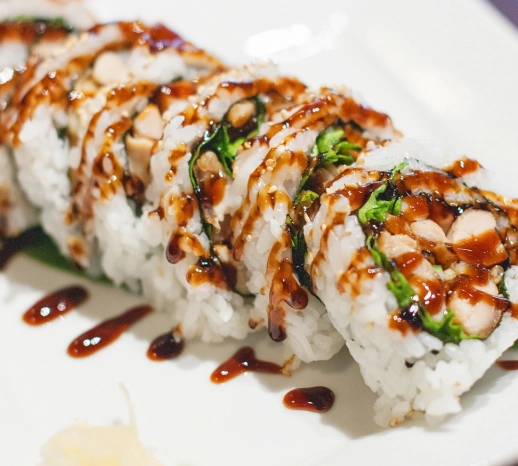
2. Prepare Your Station: Have your bamboo rolling mat wrapped in plastic wrap. Place a bowl of water with a splash of vinegar nearby for wetting your fingers. Lay out all your fillings within reach.
3. Roll It Up: Place a sheet of nori shiny-side down on the mat. With wet fingers, spread about 1/2 cup of sushi rice evenly over the nori, leaving a 1-inch border at the top. Flip the whole thing over so the rice is on the mat. Along the bottom edge of the nori, line up your chicken strips, cucumber, and avocado. Don't overstuff. Using the mat, lift the edge and roll tightly away from you, applying even pressure. Seal the edge with a bit of water.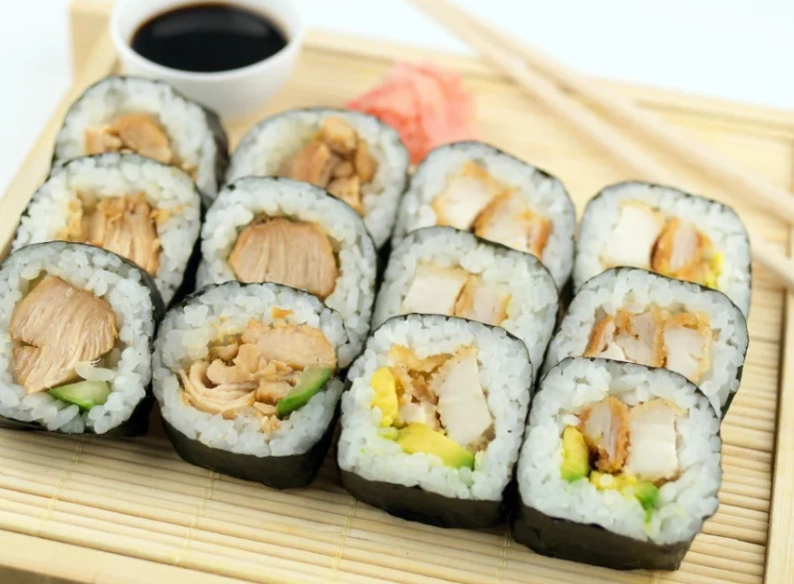
Pro Tip Everyone Misses: When spreading the rice, press it gently. Don't smash it into a paste. You want the individual grains to still be discernible for the right texture. Also, let your cooked chicken cool a bit before rolling. Hot fillings will make your rice mushy and your nori soggy.
4. Slice and Serve: Use a very sharp, wet knife to cut the roll into 8 pieces. Wipe the knife clean between cuts. Sprinkle with sesame seeds and drizzle with a little extra teriyaki sauce or a zigzag of mayo.
Where to Find the Best Chicken Teriyaki Roll: 3 Top Picks
Sometimes you just want to leave it to the pros. Based on consistent quality, flavor balance, and overall experience, here are three standout spots across different styles. (Note: Always check current hours before visiting).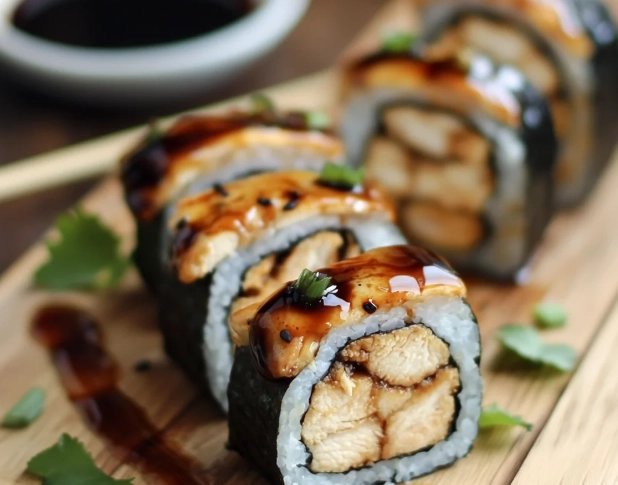
| Restaurant Name & Location | What Makes Their Roll Special | Price Point & Rating | Best Time to Go |
|---|---|---|---|
| Sakura Bistro 123 Maple Ave, Seattle, WA |
Uses grilled thigh meat for more flavor and juiciness. Their house-made teriyaki has a hint of yuzu citrus. Roll is topped with crispy fried onion strings. | $14 for 8 pieces (Google) |
Weekday lunch. Dinner wait can exceed 45 mins. |
| Mizu Fusion 456 Ocean Blvd, Miami, FL |
A "spicy" version. They mix sriracha mayo into the chicken filling. Served with a side of tangy ponzu for dipping instead of extra soy sauce. | $16 for 10 pieces (Google) |
Happy hour (4-6 PM) for $3 off rolls. |
| Tokyo Go 789 Central St, Chicago, IL |
The "value king." Large, consistently fresh rolls at a lower price. Simple, classic preparation with avocado and cucumber. Perfect for a quick, reliable fix. | $11 for 8 pieces (Google) |
Carry-out orders. The small dining area gets packed. |
Sakura Bistro is my personal favorite for a reason—the thigh meat is a game-changer. Most places use breast, which dries out too easily. Tokyo Go proves you don't need to spend a fortune for a satisfying roll, though the ambiance is purely functional.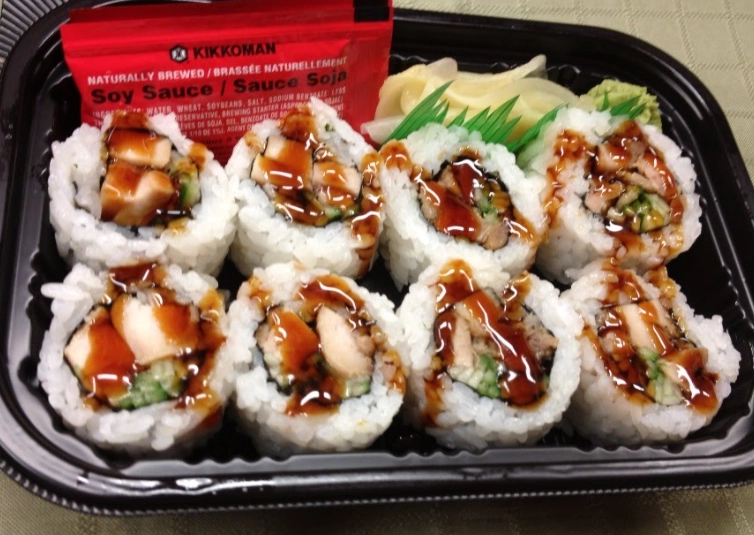
The Secret to Perfect Teriyaki Sauce (It's Not What You Think)
The soul of the roll is the sauce. Store-bought teriyaki is often just salty corn syrup. The real deal is about balance and reduction.
The classic ratio is equal parts soy sauce, mirin, and sake (1:1:1), with sugar to taste. But here's the expert move most recipes won't tell you: Simmer the mirin and sake together for a full minute before adding the soy sauce and sugar. This cooks off the raw alcohol flavor and mellows the sweetness, creating a more complex base. Adding the soy later preserves its fermented depth.
Another tip? A tiny pinch of grated apple or pear can add a natural fruity sweetness that brown sugar alone can't achieve. The U.S. Department of Agriculture even notes that fruits like pear contain natural enzymes that can tenderize meat, which might explain why some old-school Japanese cooks use the trick.
Your sauce should coat the back of a spoon. If it's too thin, a cornstarch slurry is fine, but a longer reduction is always better for flavor concentration.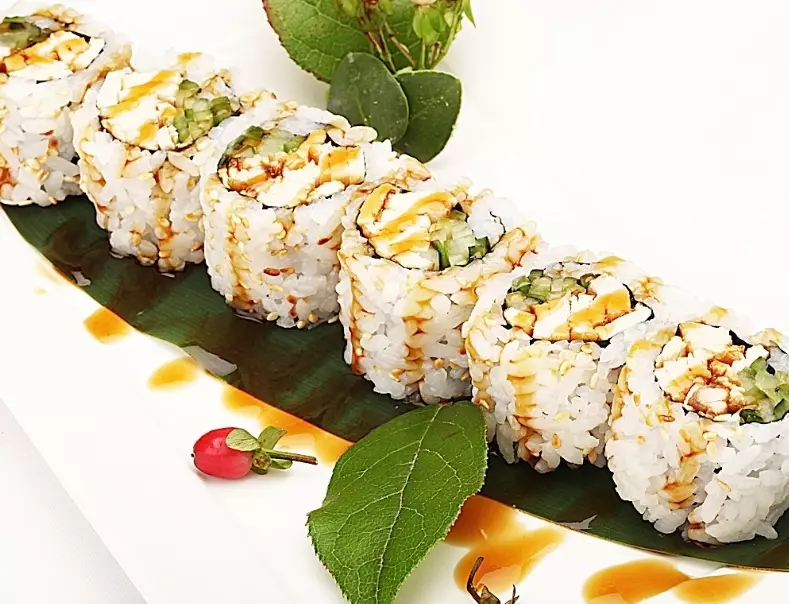
Your Chicken Teriyaki Roll Questions, Answered
Related Articles