Ground Chicken Nutrition Facts: Lean Protein for Healthy Recipes
You grab a package of ground chicken at the store, thinking it's a lighter choice. But then you hesitate. What's really in it? Is it all lean breast meat, or is it hiding more fat than you think? I've been there, staring at the meat case, confused. Let's cut through the noise. Ground chicken, when chosen wisely, is a fantastic source of lean protein, but its nutrition facts hinge on one critical detail most labels don't shout about: the cut of meat used.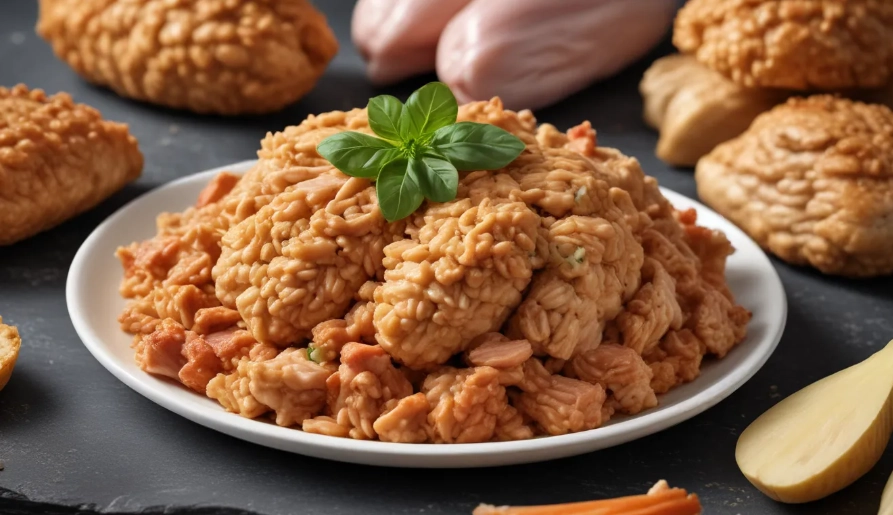
Your Quick Guide to Ground Chicken
Ground Chicken Nutrition Facts: The Raw Numbers
Let's get specific. According to the USDA's FoodData Central, a 4-ounce (113-gram) serving of cooked, 93% lean / 7% fat ground chicken provides a solid nutritional profile. This is the leanest common blend you'll find.
| Nutrient | Amount (4oz cooked, 93/7) | % Daily Value (DV)* |
|---|---|---|
| Calories | ~153 kcal | 8% |
| Protein | ~21.5 g | 43% |
| Total Fat | ~7.3 g | 9% |
| Saturated Fat | ~2.1 g | 11% |
| Cholesterol | ~98 mg | 33% |
| Sodium (plain) | ~87 mg | 4% |
| Iron | ~0.9 mg | 5% |
| Niacin (B3) | ~9.5 mg | 59% |
| Vitamin B6 | ~0.6 mg | 35% |
*Based on a 2,000-calorie diet. The real story isn't just in these averages—it's in the variability.
That protein number is the star. Over 21 grams in a modest serving helps with muscle repair, keeps you full, and supports metabolism. The niacin (B3) content is surprisingly high, crucial for energy production and skin health.
But see the cholesterol? It's a point of discussion. While dietary cholesterol's impact on blood cholesterol is now understood to be more complex, individuals with specific conditions may still monitor it. The key is the overall pattern of your diet.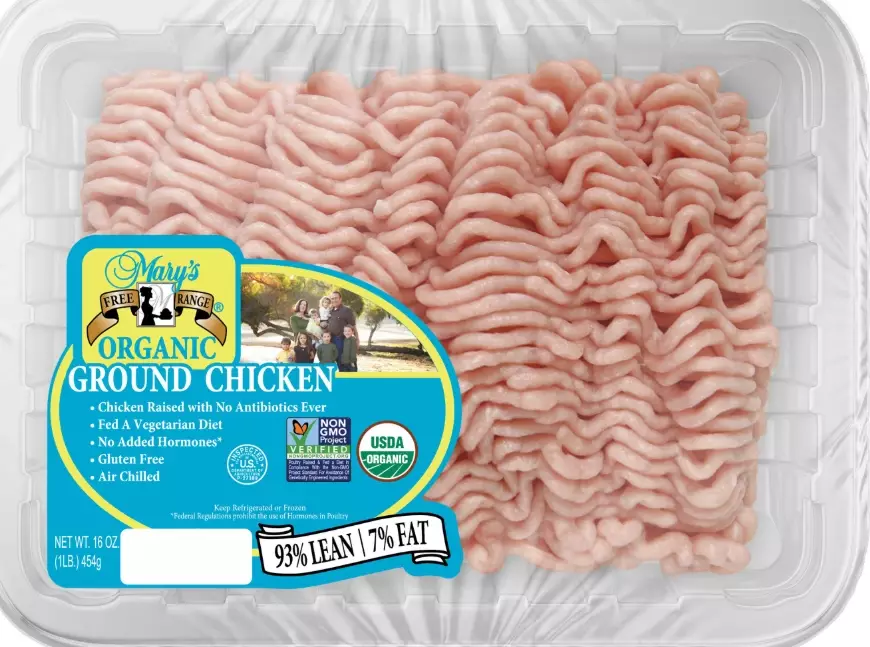
The Big Fat Secret: Not All Ground Chicken Is Created Equal
Here's the insider detail most blogs gloss over. The single biggest factor affecting ground chicken nutrition facts is the lean-to-fat ratio, determined by what parts of the chicken are ground.
Ground chicken isn't magically lean. It can be made from:
- Breast meat: Very lean, low fat.
- Thigh and leg meat: Darker, more flavorful, higher in fat.
- A combination, plus skin: This is where fat content skyrockets.
Most packages are a blend. A "93/7" label (93% lean, 7% fat) is primarily breast meat. An "85/15" blend will have more dark meat or skin, nearly doubling the fat and calories.
How to Decode the Package Beyond the Ratio
Look for two more things. First, check the ingredient list. It should say "chicken" and that's it. If you see "natural flavors" or other additives, you're getting a processed product. Second, note the sodium. Plain ground chicken is low in sodium, but pre-seasoned or "flavored" versions can pack 400mg or more per serving, turning a healthy base into a salt bomb.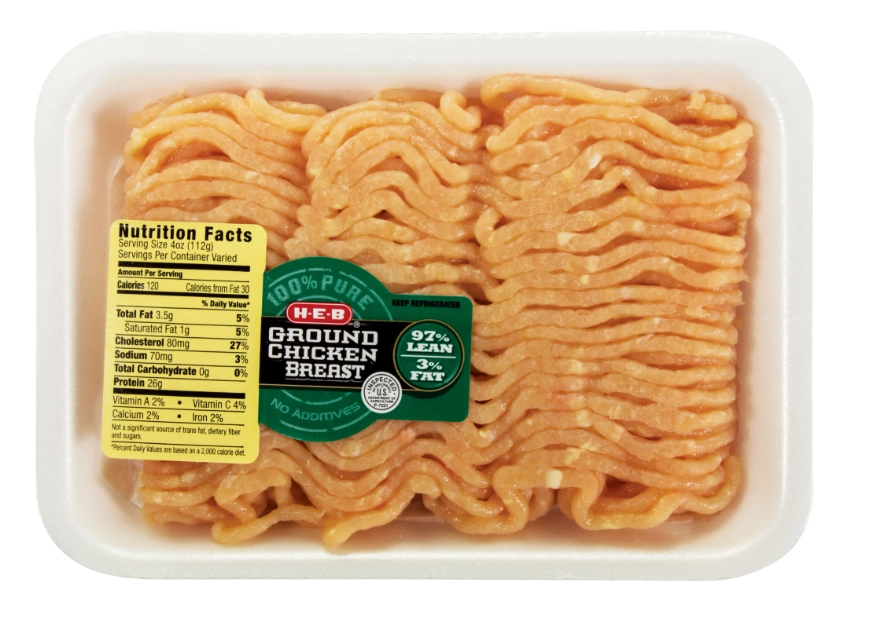
How Does Ground Chicken Stack Up? The Beef and Turkey Showdown
Let's put it in context. Here’s a comparison of 4-ounce cooked servings of 93% lean varieties (where applicable), based on USDA data.
| Nutrient | Ground Chicken (93/7) | Ground Turkey (93/7) | Ground Beef (93/7) |
|---|---|---|---|
| Calories | 153 | ~166 | ~164 |
| Protein | 21.5g | ~22.5g | ~24.5g |
| Total Fat | 7.3g | ~8.3g | ~7.6g |
| Saturated Fat | 2.1g | ~2.3g | ~3.1g |
The differences in the leanest forms are marginal. Beef has a bit more protein and saturated fat. Turkey often has a slightly higher fat content than people assume.
Where ground chicken really shines is in flavor and texture versatility. Compared to lean ground turkey, which can be notoriously dry and bland, ground chicken (especially with a small amount of dark meat) retains more moisture and has a milder, more neutral flavor that absorbs spices and sauces beautifully. It's a more forgiving protein for beginners.
The bottom line? At similar leanness levels, choose based on preference, price, and recipe. The nutritional winner is the one you'll enjoy cooking and eating consistently.
Buying and Cooking Ground Chicken Like a Pro
Selecting the Best Package
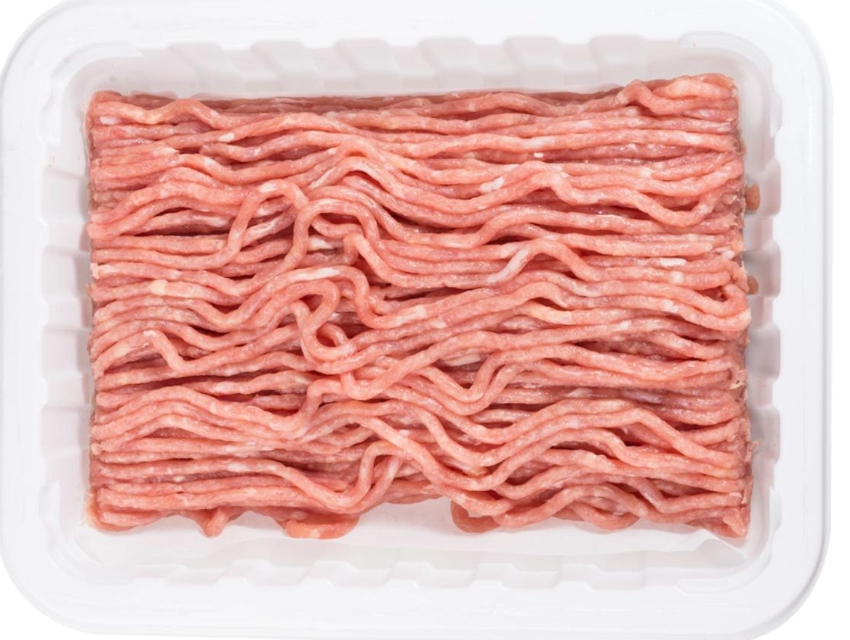
Go for the 90/10 or 93/7 lean ratio for everyday health cooking. If you're making burgers or meatballs where juiciness is key, an 85/15 blend can be a worthwhile occasional choice—just account for the extra fat. The meat should look pink, not gray, and be firmly packed at the bottom of the tray with no excess liquid or tears in the packaging.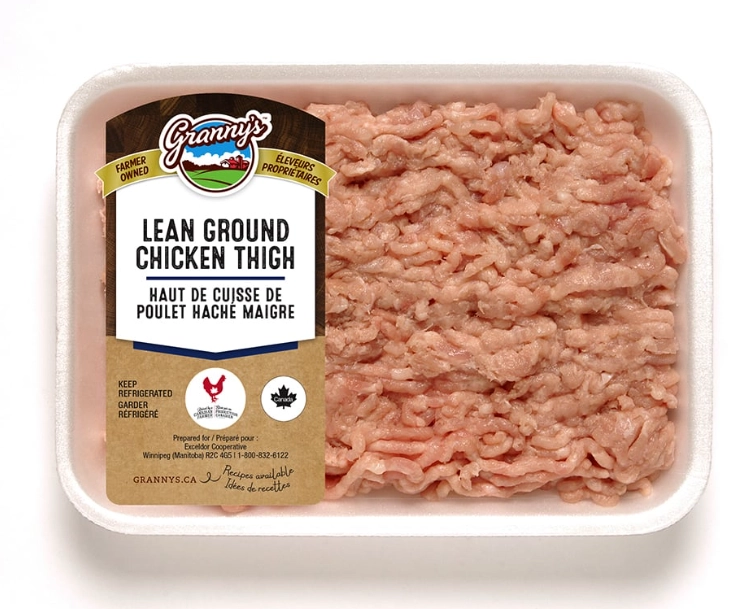
Cooking It Safely and Deliciously
Ground chicken must be cooked to an internal temperature of 165°F (74°C) to ensure safety. Use a digital meat thermometer; guessing is a recipe for trouble.
Now, for taste. The biggest complaint about lean ground meat is dryness. Here’s how to fight it:
- Don't Overcook It: The moment it hits 165°F, take it off the heat. It continues to cook from residual heat.
- Add Moisture-Binders: For burgers, meatballs, or meatloaf, mix in grated onion, a splash of milk or broth, or an egg white. They make a world of difference.
- Embrace Braising and Sauces: Ground chicken excels in saucy applications like chili, Bolognese, or stuffed peppers where the liquid keeps it tender.
I learned the hard way that treating it exactly like ground beef in a skillet leads to a dry, crumbly result. It needs a gentler touch or added hydration.
Your Ground Chicken Questions, Answered
 Can I substitute ground chicken 1:1 for ground turkey in recipes?
Understanding ground chicken nutrition facts empowers you to make it a smart, versatile staple. Remember the golden rule: check the lean-to-fat ratio. Opt for 93/7 for daily meals, don't shy away from a bit of dark meat for flavor in special dishes, and always cook it to a safe temperature without going overboard. It’s a blank canvas for healthy, delicious cooking that goes far beyond a simple burger.
Related Articles