Perdue Individually Wrapped Chicken Breast: Ultimate Guide to Convenience & Cooking
Quick Guide
Let's talk about freezer staples. You know, those things you buy hoping they'll save you on a crazy Tuesday night. For a lot of us, Perdue individually wrapped chicken breast has become one of those items. You've probably seen the bag in the freezer aisle—promising convenience, portion control, and no more wrestling with a giant block of frozen chicken. But does it live up to the hype? I've been buying and cooking with these for years, through good batches and not-so-great ones, and I'm here to give you the completely unfiltered lowdown.
This isn't a corporate press release. It's a chat between people who just want to get dinner on the table without a huge fuss. We'll dig into what these actually are, the pros and cons that nobody really talks about, and most importantly, how to cook them so they don't turn out rubbery or bland. Whether you're a meal-prep fanatic, a parent trying to simplify weeknights, or just someone curious if they're worth the shelf space, I've got you covered.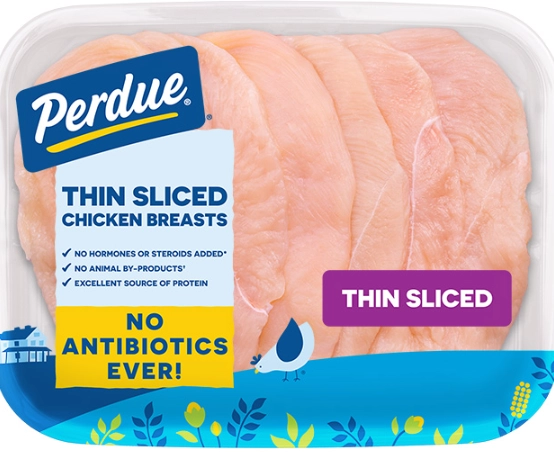
What Exactly Are You Getting?
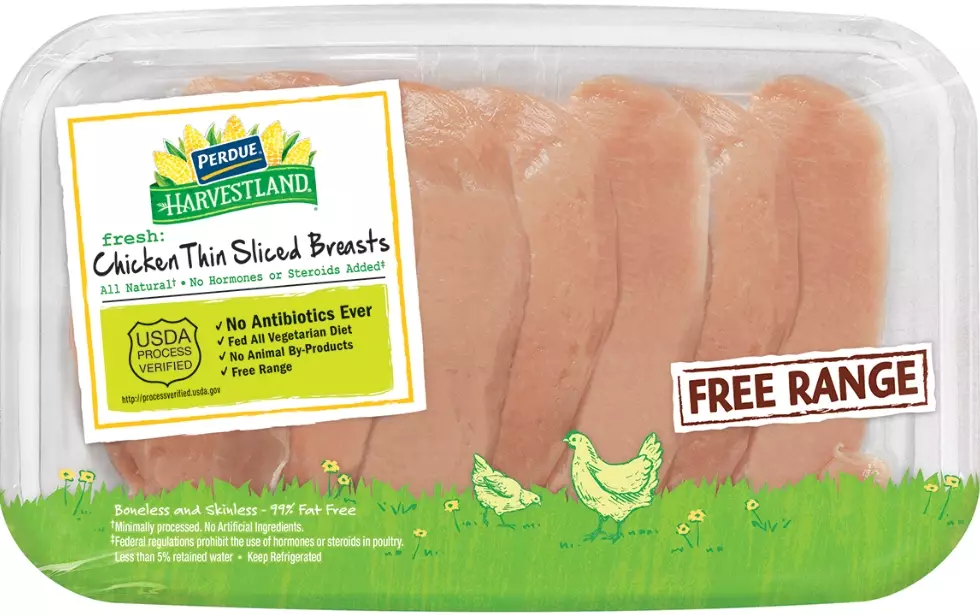
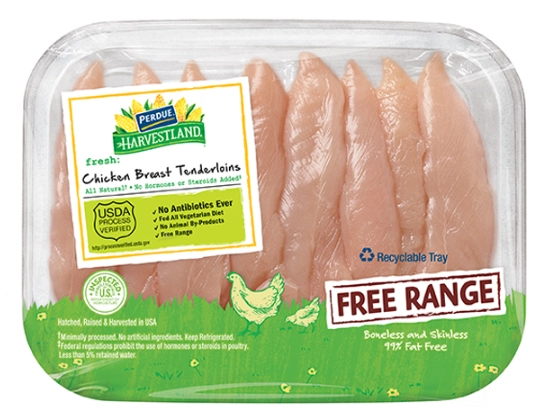
So, you pick up that yellow bag of Perdue individually wrapped chicken breasts. What's in there? Each breast is separately sealed in its own plastic wrap, then all are packed together in a larger resealable bag. They're marketed as being portion-ready and all-natural. Perdue states their chicken is raised without antibiotics and fed an all-vegetarian diet. That's a key point for a lot of shoppers these days. The "individually wrapped" part is the main sell—it theoretically means you can thaw exactly what you need.
But here's something I had to figure out: the wrapping. It's not fancy vacuum sealing. It's a thin plastic film that clings to the chicken. This has big implications for texture and freezer burn, which we'll tackle later. The breasts are also typically "enhanced" or "marinated" with a solution of water, salt, and sometimes natural flavors. This is super common in the industry to help retain moisture, but it affects cooking and taste.
The Good, The Bad, and The Practical
Let's break down the advantages first, because there are real ones.
- Portion Control is King: This is the biggest win. Need one breast for a salad? Two for a recipe? You're not thawing a family pack. It reduces waste and guesswork.
- Meal Prep Dream: If you're into pre-cooking chicken for the week, you can pull out the exact number you plan to cook. It streamlines the process.
- Reduced Cross-Contamination Risk: Each piece is contained. You handle one wrapped package, not raw chicken juice from a tray. From a food safety angle, that's a solid plus. The USDA emphasizes separating raw poultry from other foods, and this packaging inherently helps.
- Longer Freezer Life (Theoretically): The individual wrap is supposed to protect each piece from air exposure better than if they were all clumped together.
And then there's the texture question. Because they're frozen in a specific shape within that tight wrap, they sometimes cook unevenly. The thicker middle might need more time than the tapered ends. It's a minor thing, but it requires a slight adjustment in your cooking method.
From Freezer to Fork: The Right Way to Handle Them
This is where most people go wrong with any frozen chicken, and Perdue individually wrapped chicken is no exception. Doing it wrong leads to dry, tough meat, and that's when people swear off the product forever. Let's make sure that's not you.
Thawing: The Most Important Step
Never, ever cook these from frozen if you're using a dry-heat method (oven, pan, grill). The outside will be overcooked and the inside will be raw. Just don't. You have three safe options, per food safety guidelines:
- In the Refrigerator (Best Method): This is the gold standard. The night before, take the number of breasts you need and place the still-wrapped packages on a plate in the fridge. They'll be ready in 12-24 hours. Yes, it requires planning. It's worth it.
- In Cold Water (Quick Method): In a pinch, seal the wrapped breast in a leak-proof plastic bag and submerge it in cold tap water. Change the water every 30 minutes. It'll take about an hour per breast. This is my go-to when I forget the fridge thaw.
- In the Microwave (Last Resort): Use the defrost setting based on weight. Be vigilant! Stop and check often, separating pieces as they thaw. You must cook it immediately after, as parts can begin to cook during microwaving.
Cooking Methods That Actually Work
Because these breasts are often enhanced with a brine, they can be forgiving, but they also have less margin for error if you overcook them. Target an internal temperature of 165°F (74°C), measured with a meat thermometer in the thickest part. Don't guess.
Here’s a quick comparison of the best ways to cook them:
| Method | Best For | Key Technique | My Honest Take |
|---|---|---|---|
| Pan-Searing & Oven Finish | Golden crust, juicy interior | Sear 3-4 mins/side in hot oil, finish in 400°F oven for 5-10 mins. | My absolute favorite. Gives you restaurant-style results with minimal effort. |
| Baking | Hands-off, cooking multiple pieces | Bake at 425°F on a parchment-lined sheet for 18-22 mins. | Reliable, but can dry out if you overdo it. Brushing with a little oil or butter first helps a ton. |
| Grilling | Smoky flavor, summer meals | Medium-high heat, 6-7 mins per side, lid closed. | Works great, but watch for flare-ups from dripping marinade/solution. |
| Slow Cooking/Instant Pot | Shredded chicken, soups, stews | Add liquid (broth), cook on low 4-6 hrs (slow cooker) or high pressure 10 mins (Instant Pot). | Fantastic for recipes where the chicken will be pulled. Keeps it very moist. |
One method I'm not crazy about? Boiling. It leaches all the flavor and leaves you with bland, stringy meat, even with these individually wrapped Perdue chicken breasts. If you need poached chicken, use a very gentle simmer with aromatics like onion, garlic, and herbs.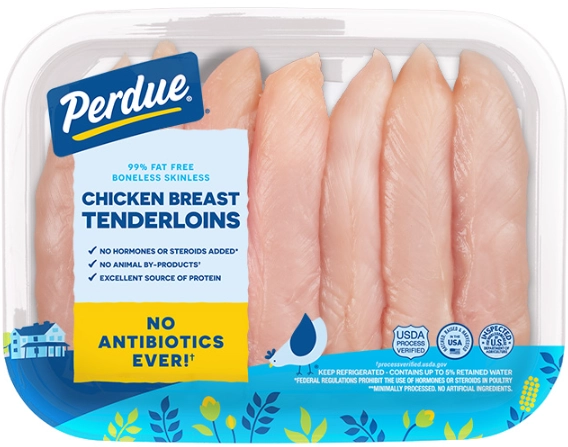
Nutrition, Labels, and What You're Really Eating
Let's look at the label. This is crucial for making an informed choice. A typical 4-oz serving of the classic Perdue individually wrapped chicken breast (the one with the solution) might look something like this:
Approximate Nutrition (Always check your bag!): Calories: 110 | Fat: 2g | Saturated Fat: 0.5g | Protein: 22g | Sodium: 240mg | Carbohydrates: 0g.
The protein content is excellent—it's still lean chicken breast. The sodium, however, is worth noting. A plain, non-enhanced chicken breast has about 60-70mg of sodium naturally. The added solution brings it up. For context, that's about 10% of the daily recommended limit in one serving. It's not extreme, but if you're cooking multiple pieces or on a restricted diet, it adds up. Compare this to the USDA FoodData Central entry for raw chicken breast to see the baseline.
Perdue does offer other lines. Look for "No Antibiotics Ever" and "Hormone Free" on the label—these are marketing terms regulated by the USDA that indicate specific raising practices. They also have "Simply Smart" options with lighter seasonings. The point is, not all bags of Perdue chicken breast individually wrapped are identical. Spend 30 seconds in the freezer aisle comparing the fine print on the back.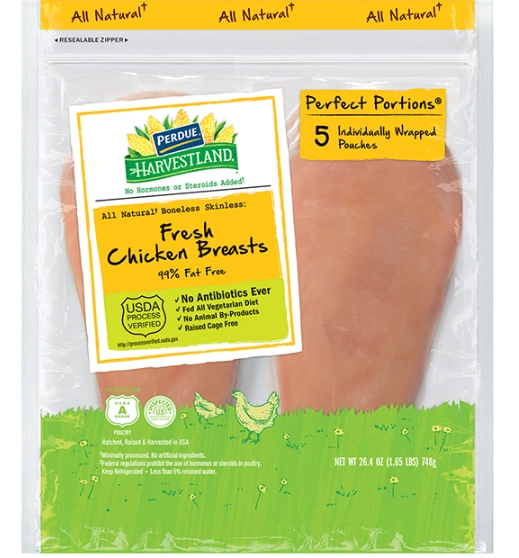
Answering Your Burning Questions (FAQ)
Can you cook Perdue individually wrapped chicken breast from frozen?
You can, but only safely and successfully with specific methods. Baking from frozen works if you increase the time by about 50%. Use a lower temperature (375°F) and cover with foil for the first half of cooking. Cooking in an Instant Pot or slow cooker from frozen is also safe because it reaches a safe temperature uniformly. But for pan-searing or grilling? Thaw it first.
Why is there so much liquid in the package when I thaw it?
That's the "enhancing" or "marinating" solution, plus some natural juices. It's mostly water and salt. Don't be alarmed, but do pour it off and pat the chicken dry. That liquid won't magically re-absorb and if you try to cook with it in the pan, you'll steam the chicken instead of searing it.
Are they more expensive than regular chicken breasts?
Usually, yes. You're paying for the processing and packaging convenience. On a per-pound basis, they often cost 20-40% more than a family pack of fresh or non-individually wrapped frozen breasts. Is the convenience tax worth it? For busy weeks, for me, absolutely. For everyday cooking on a tight budget, maybe not.
How long do they last in the freezer?
Perdue recommends following the "best by" date on the package. Generally, for optimal quality (not safety), try to use them within 6-9 months. The individual wrap helps, but freezer burn can still happen over a very long time. If you see a lot of white, icy crystals on the chicken itself, the quality has degraded.
What's the best way to season them?
Because they're already seasoned with salt, go easy on additional salt until you taste. Focus on herbs (dried oregano, thyme, paprika), garlic powder, onion powder, black pepper, and lemon zest. A simple marinade of olive oil, lemon juice, and herbs works wonders for 30 minutes before cooking.
The Sustainability and Packaging Dilemma
We need to talk about the plastic. Each individually wrapped Perdue chicken breast comes in its own plastic film, inside a larger plastic bag. That's more plastic than buying a single tray of fresh chicken. It bothers me, and it might bother you.
Perdue, like many major brands, has made commitments to sustainable packaging. On their corporate sustainability page, they discuss goals for recyclable or reusable packaging. However, the current reality in most stores is that this thin plastic film is not recyclable in curbside bins. You have to check with local grocery store drop-off programs for plastic bags/film.
It's a trade-off: the packaging reduces potential food waste (a huge environmental issue) by allowing precise portioning, but increases plastic waste. There's no perfect answer here, just an awareness that your convenience choice has this dimension.
The Final Verdict: Who Should (and Shouldn't) Buy Them
After all this, where do I land? I still keep a bag in my freezer. But I'm a very specific use case.
You should buy Perdue individually wrapped chicken breasts if: You're a single person or couple cooking small meals, you value meal prep and portion control, you have a busy schedule and need a reliable protein backup, or you're nervous about handling raw chicken from a large tray.
You might want to skip them if: You're feeding a large family regularly (the cost adds up), you're strictly limiting sodium, you're trying to minimize plastic packaging, or you're a purist who prefers the texture and flavor of fresh, air-chilled chicken.
So, are Perdue individually wrapped chicken breasts the magic solution? No. But are they a legitimate, convenient option that can make weeknight cooking easier? Absolutely, as long as you go in with the right knowledge and expectations. Don't expect a gourmet, butcher-shop experience. Do expect a consistent, lean protein that, when treated right, can be the easy star of a simple, healthy dinner. And on some nights, that's exactly what you need.
Related Articles