Perdue Roaster Chicken: Your Complete Guide to Buying, Cooking & Enjoying
Quick Navigation
- Who is Perdue, Anyway? A Quick Backstory
- Navigating the Perdue Roaster Chicken Aisle: Your Buying Guide
- How to Cook a Perdue Roaster Chicken: Methods Compared
- Nutrition & Health: What's Really in Your Perdue Chicken?
- Frequently Asked Questions (The Stuff You Actually Google)
- The Verdict: Is a Perdue Roaster Chicken Worth It?
Let's talk about Perdue roaster chicken. You've probably seen them in the meat aisle, those golden-hued birds promising an easy, delicious dinner. Maybe you've picked one up on a busy weeknight, hoping for a hassle-free meal. I know I have. Sometimes it's a win, and sometimes... well, you end up wondering if you could have done better. The thing is, not all Perdue chickens are created equal, and knowing which one to grab and how to handle it makes all the difference between a mediocre meal and something your family asks for again.
I've cooked more of these birds than I can count. For years, I just grabbed whatever was on sale. Big mistake. Through trial and error (and a few dry, disappointing dinners), I've learned the ins and outs of what makes a Perdue roaster chicken good, great, or just okay. This isn't some corporate puff piece. It's a real, from-the-kitchen look at what you're actually getting. We'll cover the different types, how to pick the best one, the absolute best ways to cook it (hint: it's not just tossing it in the oven), and what the nutrition labels are really telling you.
Bottom Line Up Front: Perdue roaster chicken can be a fantastic shortcut for a flavorful, juicy roast chicken dinner, especially their premium lines. But the key is understanding the options and avoiding common cooking pitfalls that lead to dry meat.
Who is Perdue, Anyway? A Quick Backstory
Before we dive into the birds themselves, it helps to know where they come from. Perdue Farms isn't some new-age food startup. It's a family-owned company that's been around since 1920, starting with a single egg delivery route. Arthur Perdue founded it, but it was his son, Frank Perdue, whose face and voice became synonymous with chicken in the 1970s and 80s with those "It takes a tough man to make a tender chicken" ads. Love them or hate them, they put the brand on the map.
The company has grown massively, and with that growth comes the usual debates about farming practices. Perdue has made public commitments to animal welfare and reducing antibiotic use, which you can read about on their official website. It's worth a look to form your own opinion. For this guide, we're focusing on the product you actually bring home—the roaster chicken—and how to make the most of it.
Navigating the Perdue Roaster Chicken Aisle: Your Buying Guide
Walk into any major grocery store, and you'll likely see a few different versions of Perdue chicken. It can be confusing. Is the more expensive one worth it? What do all those labels mean? Let's break it down.
The Main Perdue Roaster Chicken Product Lines
Perdue isn't just selling one type of chicken. They have a whole lineup, each targeting a slightly different need or budget. Here’s what you're most likely to find.
| Product Name | Key Features & Labels | Best For... | My Honest Take |
|---|---|---|---|
| Perdue Fresh Whole Chicken (the classic roaster) | No antibiotics ever, USDA Grade A. The standard, no-frills option. | Everyday roasting when you plan to season and flavor it heavily yourself. | A solid, reliable bird. The flavor is clean but basic—it's a canvas. Don't expect super juicy breast meat if you overcook it. |
| Perdue Harvestland Organic Whole Chicken | USDA Organic, No antibiotics ever, Free Range, Vegetarian Fed. | Shoppers prioritizing organic certification and free-range practices. | This is where you start to notice a difference. The meat often has a firmer texture and a more distinct, "chicken-y" flavor. The price jump is significant, though. |
| Perdue Simply Smart Organics Gluten Free Whole Chicken | USDA Organic, Pre-seasoned with a gluten-free herb blend, No antibiotics ever. | The ultimate convenience play. For nights you want a ready-to-roast bird with flavor built-in. | The seasoning is decent—not too salty, a nice herb profile. It saves time, but check the price per pound against a plain organic bird and your own spice cabinet. |
| Perdue Oven Ready Whole Chicken | Comes in a cooking bag, often pre-seasoned. The bag is designed for roasting. | Beginners or anyone terrified of a dry chicken. The bag promises juicy results. | I have mixed feelings. It's foolproof and very juicy because it steams in the bag. But you miss out on crispy skin, which for me, is half the point of roast chicken. The texture can be a bit soft. |
See what I mean? Your choice totally depends on what you value: pure convenience, organic standards, or a blank slate for your own recipes. That Perdue Oven Ready option is a major hotspot—lots of people search for it because it seems so simple. And it is simple. Just know the trade-off.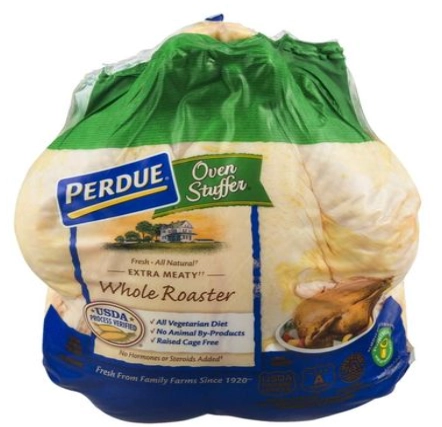
What to Look for When You're Standing in Front of the Cooler
Picking the right package is just as important as picking the right product line.
- Color and Smell: The skin should be creamy white to yellow (depending on feed), not gray or shiny. When you get it home and open it, give it a quick sniff. It should smell clean, slightly mild, not sour or off-putting at all. Trust your nose.
- Package Juice: A little clear juice in the bottom of the tray is normal. A lot of bloody or murky liquid is a red flag. It often means the chicken was frozen and thawed, or is just older.
- Sell-By Date: Obviously, grab the one with the furthest date out. But also, think about when you'll cook it. If you're cooking it tonight, a package that's a day closer might be on a quick-sale discount.
- Size Matters: A typical Perdue roaster chicken is between 4 and 7 pounds. A 5 to 6-pound bird is the sweet spot for most families (4-6 people) and cooks evenly. Smaller birds cook faster but can dry out. Much bigger ones take forever and the breast can be overdone before the thighs are safe.
A Common Mistake: Don't assume the chicken is "pre-washed" or clean because it's in a sealed tray. The USDA explicitly recommends against washing raw poultry. Why? It doesn't clean it; it just splashes potential bacteria all over your sink and counter. Pat it dry with paper towels instead—this is a crucial step for crispy skin.
You've got your bird. Now, the most important part: not ruining it in the kitchen.
How to Cook a Perdue Roaster Chicken: Methods Compared
This is where the magic (or tragedy) happens. Cooking a whole chicken isn't hard, but a few small techniques elevate it from just fine to fantastic. Let's compare the most popular methods.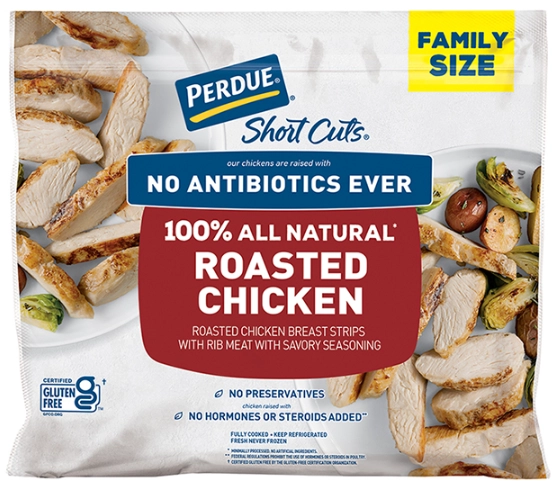
The Classic Hot Oven Roast (My Go-To for Crispy Skin)
This is the traditional method and, in my opinion, the best for flavor and texture when done right. The goal is juicy meat *and* crackling, golden-brown skin.
- Dry the Bird: As soon as you take the Perdue chicken out of its package, dry it thoroughly inside and out with paper towels. This is non-negotiable for good browning.
- Season Generously: Don't be shy. Rub olive oil or softened butter all over the skin. Get salt and pepper (and any other dry herbs like thyme, rosemary, paprika) under the skin on the breast meat and all over the outside. Season the cavity too. For a standard 5-6 lb Perdue roaster chicken, I use at least a tablespoon of kosher salt total.
- Truss or Not? Trussing (tying the legs together) makes a prettier, more compact bird. But leaving the legs loose can help the thighs cook faster. I often just tuck the wingtips under and leave the legs free.
- The Roast: Preheat your oven to 425°F (220°C). Place the chicken breast-side up on a rack in a roasting pan. Roast for 20 minutes at this high heat to kickstart the browning. Then, without opening the door, reduce the heat to 375°F (190°C) and continue roasting. The total rule of thumb is about 20 minutes per pound, but always use a meat thermometer.
- The Finish: The chicken is done when a meat thermometer inserted into the thickest part of the thigh (not touching bone) reads 165°F (74°C). The breast should be around 155-160°F as it will carry-over cook. Let it rest on a cutting board, tented loosely with foil, for 15-20 minutes before carving. This lets the juices redistribute. Skipping rest = dry chicken.
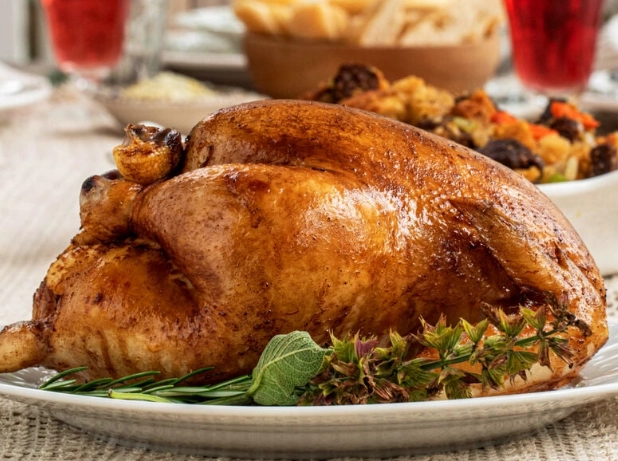
Pro Tip: For extra flavor, throw some roughly chopped onions, carrots, celery, and a halved lemon into the cavity. They steam and perfume the meat from the inside. Plus, the veggies in the pan make a great start for gravy.
The Low & Slow Method (For Ultimate Juiciness)
This method is almost foolproof for juicy meat, but you sacrifice crispy skin. Perfect for a rainy Sunday when you're using the meat for soups, salads, or shredding.
Set your oven to 300°F (150°C). Season the Perdue chicken as usual. Roast it on a rack until the thigh hits 165°F. This will take much longer—maybe 30-35 minutes per pound. The skin will be rubbery, not crisp. If you want to salvage it, you can blast it under the broiler for a few minutes at the end, but watch it like a hawk.
The Spatchcock (Butterflied) Method (The Speed Demon)
This is a game-changer. You cut out the backbone and flatten the chicken. It cooks faster and more evenly because everything is on the same level.
Using strong kitchen shears, cut along both sides of the backbone and remove it. (Save it for stock!). Flip the chicken over and press down firmly on the breastbone to flatten it. Dry, season, and roast at 425°F on a sheet pan with a rack. A spatchcocked Perdue roaster chicken can cook in about 45-60 minutes, and you get crispy skin *and* even cooking. It's less traditional-looking but highly effective.
Which method is best? It depends on your priority: perfect skin, absolute juiciness, or speed.
Nutrition & Health: What's Really in Your Perdue Chicken?
Let's look past the marketing. A Perdue roaster chicken is a great source of lean protein, but the details matter, especially if you're watching sodium or specific diets.
The plain, unseasoned Perdue Fresh Whole Chicken is just that: chicken. According to USDA data via FoodData Central, a 3-ounce serving of roasted chicken breast (skinless) provides about 26 grams of protein, 3 grams of fat, and is a good source of niacin, vitamin B6, and selenium. The dark meat (thigh, leg) has more fat and iron.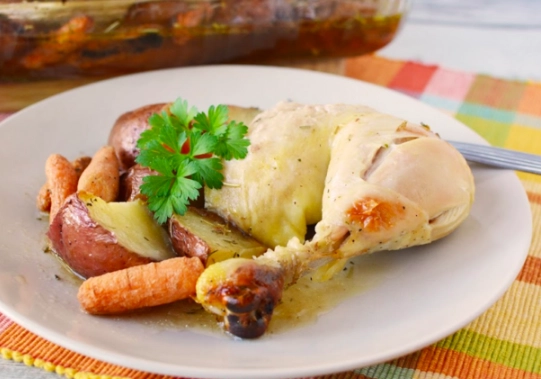
Here's my take: The health value plummets if you eat the skin regularly, as it's mostly fat. It's delicious, but I treat it as a sometimes food. Also, the pre-seasoned and oven-ready birds have added sodium. I checked the label on a Perdue Simply Smart Organics seasoned bird once, and the sodium content was nearly triple that of a plain one. If you're on a low-sodium diet, you must stick to the plain birds and control the seasoning yourself.
What about hormones and antibiotics? This is a big user concern. By law in the U.S., chickens cannot be given hormones. So any chicken label saying "no hormones" is stating a legal fact, not a special feature. Antibiotics are a different story. Most major brands, including Perdue, now have "No Antibiotics Ever" (NAE) lines. Their standard fresh chicken and all their premium lines are NAE. It's a valid selling point if you're concerned about antibiotic resistance.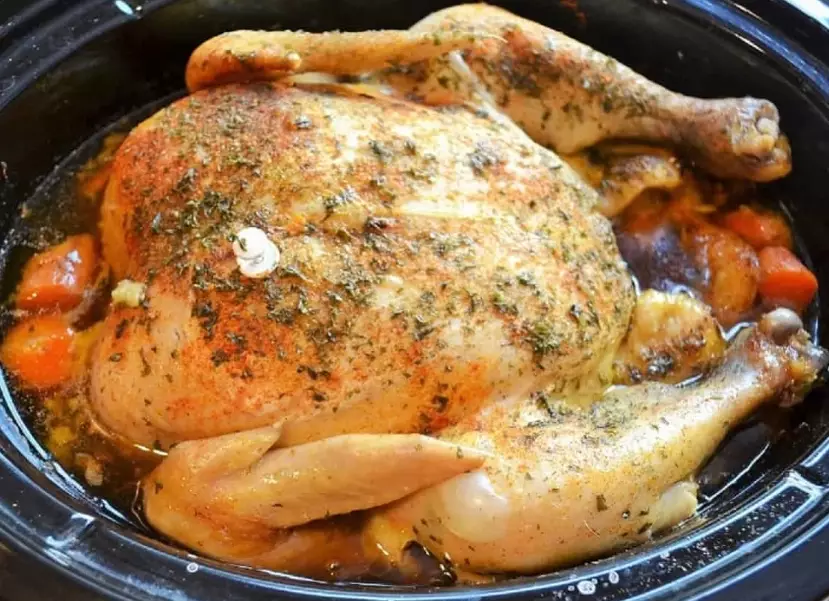
Frequently Asked Questions (The Stuff You Actually Google)
Is Perdue roaster chicken already cooked?
No. All the whole roaster chickens sold fresh in the meat department are raw. They must be cooked to a safe internal temperature of 165°F. The Perdue Oven Ready chicken comes in a cooking bag, but it is also raw and must be fully cooked.
How long does it take to cook a Perdue roaster chicken?
At 375°F, plan for about 20 minutes per pound, plus resting time. So a 5-pound Perdue chicken takes about 1 hour 40 minutes of roasting, plus 20 minutes rest. Always use a meat thermometer to be sure. Spatchcocking cuts this time nearly in half.
Can you cook a Perdue roaster chicken from frozen?
I don't recommend it for a whole bird. It will cook unevenly—the outside will be overdone while the inside near the bone may still be frozen or unsafe. Thaw it safely in the refrigerator for 24-48 hours before cooking.
What's the difference between a roaster, a fryer, and a broiler chicken?
It's mostly about age and size. A broiler/fryer is younger (about 7 weeks) and smaller (3-4 lbs), with more tender meat. A roaster, like the Perdue roaster chicken, is older (8-12 weeks) and larger (5-7 lbs), with a slightly firmer texture and more developed flavor that stands up well to roasting.
Why was my Perdue chicken tough?
Two main reasons: Overcooking or the bird itself. Overcooking is the usual suspect, especially the breast meat. Using a thermometer prevents this. Sometimes, especially with larger roasters or if not rested properly, the meat can be firmer. Organic birds like Perdue Harvestland often have a denser, more muscular texture because they are more active (free-range). Some people mistake this for toughness—it's just a different texture.
The Verdict: Is a Perdue Roaster Chicken Worth It?
After all this, what's the final call? It depends.
For a reliable, widely available, no-antibiotics-ever chicken, the basic Perdue roaster chicken is a good choice. It's consistent. If you want a noticeable upgrade in flavor and are okay with the price, the Harvestland Organic line is a solid step up. The convenience of the seasoned or oven-ready birds is real, but you pay for it in dollars and, often, in sodium or textural compromises (like soft skin).
My personal strategy? I buy the plain Perdue Harvestland Organic when it's on sale, spatchcock it, and roast it with my own simple seasoning. The leftovers become sandwiches, chicken salad, or go into a pot of soup. It gives me the quality I want and the versatility I need.
At the end of the day, a Perdue roaster chicken is a tool. Knowing which one to pick and how to use it properly turns it from just another protein into the centerpiece of a really great meal. And isn't that the whole point?
Related Articles