Perfect Fried Chicken Oil Temperature Guide & Common Mistakes
You can have the best buttermilk brine, the most seasoned flour, and the highest quality chicken. But if your oil isn't the right temperature, you'll end up with a sad, greasy, or burnt mess. Getting the oil temperature for frying chicken right is the single most important skill. It's not a mystery; it's a science. And once you understand it, you'll nail it every single time.
The magic range for most fried chicken is 350°F to 375°F (175°C to 190°C). That's the sweet spot. But why that range? What tools do you actually need? And what are the sneaky mistakes that trip up even experienced home cooks? Let's break it down.
What You'll Learn in This Guide
The Science Behind the Sizzle: Why Temperature is Everything
Think of frying as a race against time and heat. When cold, wet chicken hits hot oil, three things happen immediately, and the temperature dictates who wins.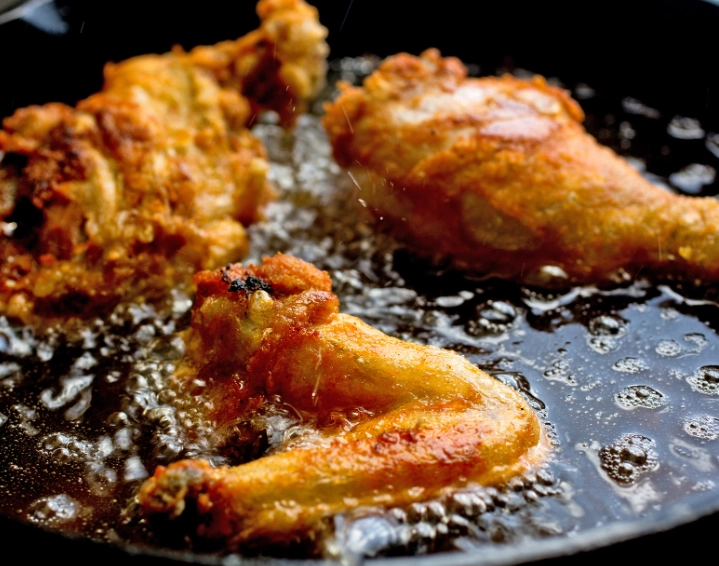
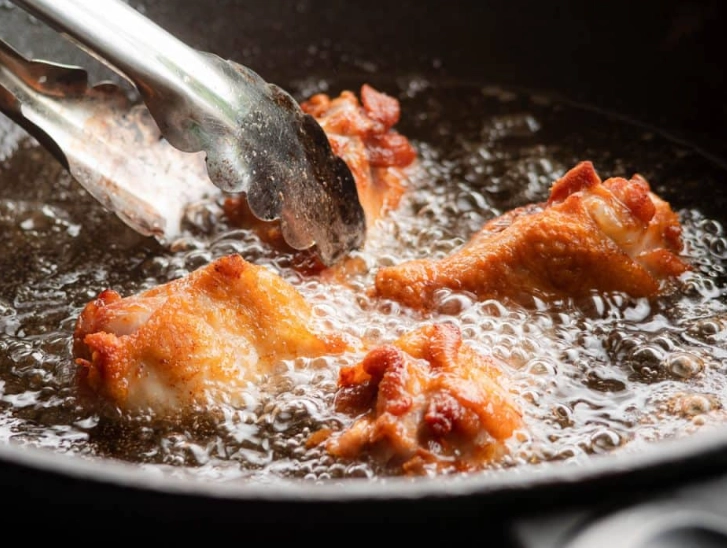
First, the surface moisture violently boils off. This creates a barrier of steam that temporarily keeps the oil from soaking into the chicken. At the correct temperature (350°F+), this happens fast, sealing the surface quickly.
Second, the proteins and starches on the surface begin to set and brown – that's your crust forming. This is the Maillard reaction, the same chemistry that sears a steak. It needs sufficient, steady heat.
Third, the heat travels inward, cooking the meat.
Here's the critical balance: The crust needs to form and crisp up before the heat penetrates and overcooks the outer layers of meat, making them dry. If the oil is too cool, the race is lost. The steam barrier collapses, oil soaks in (greasy), the crust forms slowly (soggy), and the chicken cooks forever (dry). If the oil is too hot, the crust burns before the inside is done.
The Goal: A fast-setting, crisp, sealed crust that protects the juicy interior, all achieved before the meat overcooks. 350-375°F is the thermal window where this happens perfectly.
The Golden Temperature Range (And When to Tweak It)
So, 350°F to 375°F. But it's not a set-it-and-forget-it deal. You need to manage it actively. Start your oil at the higher end, around 365-375°F. Why? Because when you add the cold chicken, the temperature will plummet – sometimes by 25-50 degrees. You want it to settle back into that golden zone, not drop below 325°F.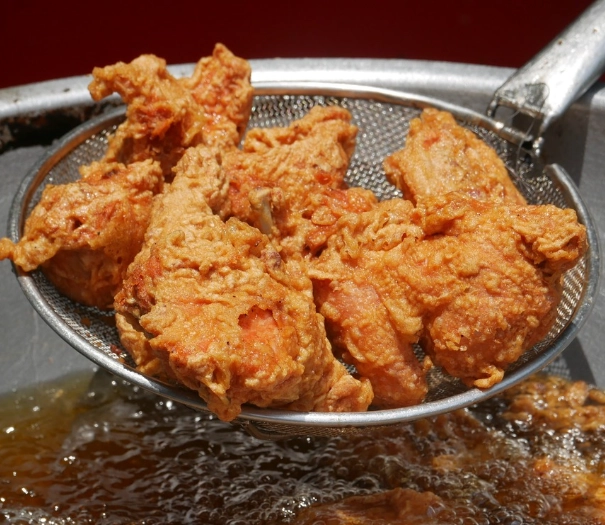
Don't crowd the pan. Adding too much chicken at once is the #1 cause of temperature crash. Fry in batches. Let the oil fully recover between them.
Now, for the tweaks:
- For Bone-In, Skin-On Pieces (Thighs, Drumsticks): I often start these at a slightly lower temperature, say 340-350°F. The bone is a huge heat sink that slows internal cooking. A slightly gentler start gives the thick crust more time to develop deeply without the outside burning before the meat near the bone is done.
- For Boneless Pieces (Tenders, Strips): These cook fast. You can go hotter, 360-375°F, to get a quick, crisp crust before the lean meat dries out.
- For a Second Fry (Double-Fry Method): This is a pro trick for extra crunch. Fry first at 300-325°F until just cooked through. Drain, then fry again at 375°F+ for 60-90 seconds. The first fry cooks, the second fry puffs and crisps the crust incredibly. It's a game-changer for wings.
How to Measure Oil Temperature Accurately
Forget the old wives' tales. Dropping in a bread cube or seeing if a wooden spoon bubbles is wildly inaccurate. You wouldn't bake a cake without an oven thermometer, right? Frying is just as precise.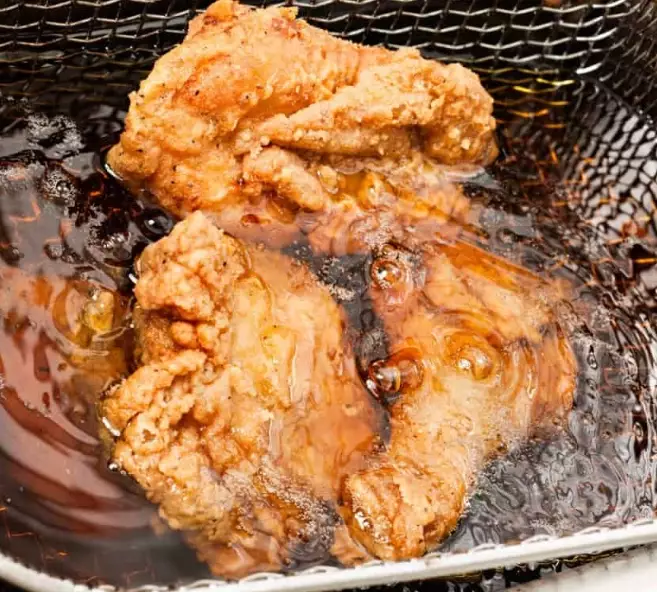
Essential Tool: The Instant-Read or Deep-Fry Thermometer
This is non-negotiable. A good digital probe thermometer is your best friend. Clip it to the side of your pot, making sure the tip isn't touching the bottom. It gives you a constant, reliable read. Brands like ThermoWorks or Lavatools are industry favorites for a reason – they're fast and accurate.
If you're serious, consider a dedicated deep-fry thermometer with a clip and a clear dial. They're built for the job.
A mistake I see? People check the temperature once and walk away. The temperature fluctuates constantly. You need to monitor it, especially when adding food and during recovery. Glance at it every minute or so.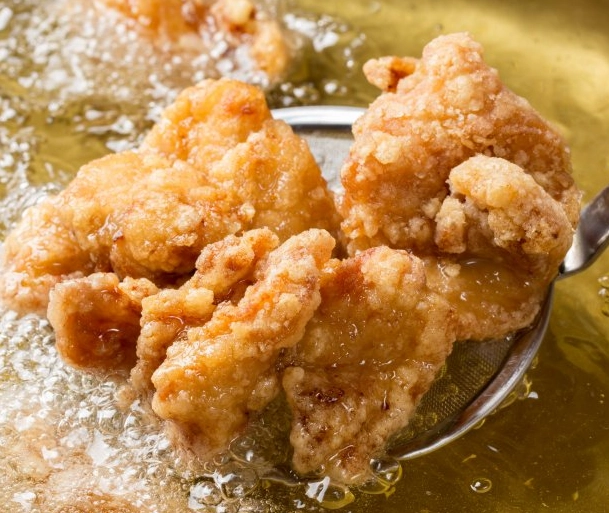
What About an Electric Deep Fryer?
They're fantastic for maintaining a steady temperature because they have built-in thermostats. It takes the guesswork out. If you fry often, it's a worthwhile investment for consistency and safety (no open pot of oil on a stovetop flame). Just make sure you don't overload the basket.
Common Mistakes & Pro-Level Fixes
Mistake 1: The Chicken is Too Cold When It Hits the Oil. You take your marinated chicken straight from the fridge and dredge it. That ice-cold mass is a temperature bomb. Let your chicken sit on the counter for 20-30 minutes after dredging to take the deep chill off. The closer it is to room temp, the less it will shock your oil.
Mistake 2: Not Accounting for Oil Type. Different oils have different smoke points (the temperature at which they burn and break down). You need an oil with a high smoke point well above 400°F. My top choices:
- Peanut Oil: The gold standard. High smoke point (~450°F), neutral flavor.
- Avocado Oil: Very high smoke point (~520°F), but expensive.
- Canola or Vegetable Oil (Soybean blend): Accessible, decent smoke point (~400-450°F).
Avoid extra virgin olive oil or butter. They'll burn and taste bitter.
Mistake 3: Assuming the Temperature is Static. It's not. It drops when you add food, rises when you take it out, and can creep up if your burner is too high. Your job is to be a temperature pilot. Adjust the burner knob frequently – up to recover heat, down to prevent overshooting. This active management is what separates okay fried chicken from great fried chicken.
Mistake 4: Frying When the Oil Isn't Ready. Impatience ruins batches. Wait until your thermometer reads a steady 365-375°F before even thinking about adding the first piece. If you add chicken to 300°F oil, it's already doomed to be greasy.
A Quick Note on Air Fryers
They're not really frying. They're circulating very hot air. Recipes often say "spray with oil and cook at 400°F." The result is more like a very crisp roasted chicken – delicious and healthier, but it doesn't replicate the specific texture and flavor of submersion in hot oil. Don't expect the same rules or results.
Your Fried Chicken Temperature Questions, Answered
Mastering the oil temperature for frying chicken turns a stressful guessing game into a reliable, repeatable technique. It's the difference between hoping it turns out and knowing it will. Get that thermometer, respect the 350-375°F zone, manage your heat, and you'll never have to suffer through a soggy, oily piece of fried chicken again. Now go heat that oil – correctly – and get frying.
Related Articles