White Meat Chicken Recipes: Healthy, Easy & Flavorful Ideas
Quick Navigation
Let's be honest for a second. How many times have you searched for white meat chicken recipes only to end up with a sad, chewy piece of meat that tastes like cardboard? I've been there. I've ruined more chicken breasts than I care to admit. It's why so many people think they don't like chicken breast—they've just never had it cooked right.
But here's the thing. When you get it right, a simple piece of white meat chicken is a blank canvas. It's lean, it's packed with protein, it's affordable, and it can soak up flavors from anywhere in the world. The goal of this guide isn't just to give you a list of recipes. It's to make you confident enough to open your fridge, grab some chicken, and know exactly how to turn it into a meal you're excited to eat. We're going deep on the why and the how, so you never have to suffer through a dry chicken dinner again.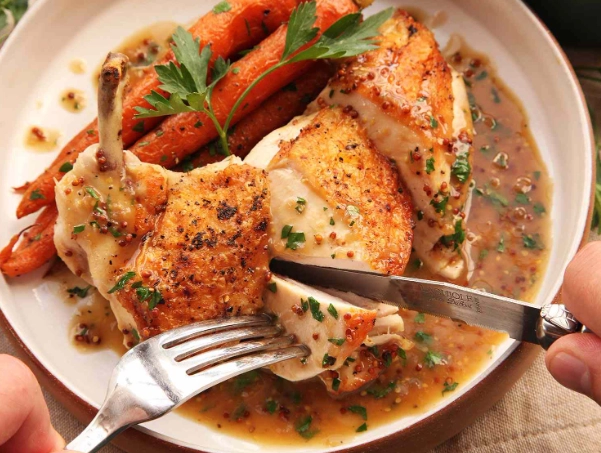
Why Bother With White Meat Chicken, Anyway?
Before we jump into the techniques, let's talk motivation. Why focus on white meat chicken recipes, specifically breast and tenderloins?
First off, the health angle is real. White meat is significantly leaner than dark meat. According to the USDA FoodData Central, a skinless, boneless chicken breast is a powerhouse of protein with minimal fat. It's a staple for anyone managing calories or macros, from busy parents to fitness enthusiasts. Resources like The Nutrition Source from Harvard T.H. Chan School of Public Health consistently highlight lean poultry as part of a healthy diet.
Then there's convenience. A pack of chicken breasts is a weeknight lifesaver. You can bake a batch on Sunday for meal prep, throw some in a pan for a 20-minute stir-fry, or let a slow cooker do all the work. Its mild flavor is also its greatest strength—it's happy in a creamy Italian sauce one night and a spicy Thai curry the next.
And cost? In most places, it's one of the most budget-friendly proteins you can buy. Making delicious white meat chicken recipes at home saves you a ton compared to takeout.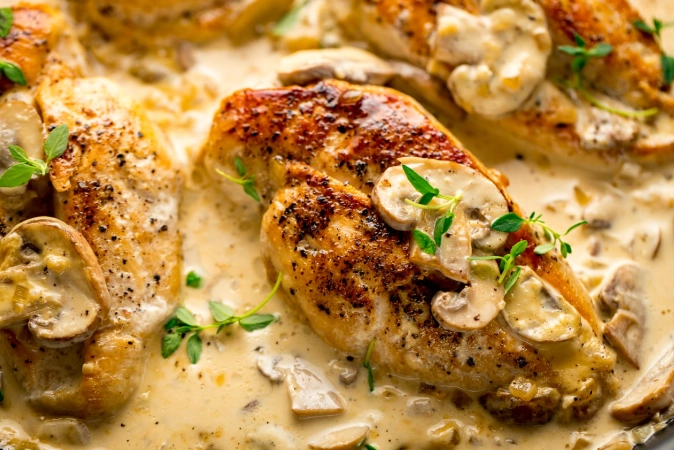
The Non-Negotiable Basics: Your Foundation for Flavor
You can have the best recipe in the world, but if you skip these fundamentals, your chicken will let you down. Think of this as your pre-flight checklist.
Handling and Prepping Your Chicken
Safety first. Always handle raw chicken carefully to avoid cross-contamination. Use separate cutting boards, wash your hands, and don't rinse the chicken (it just sprays bacteria around your sink—the cooking heat will kill it all). For storage, the FoodSafety.gov guidelines are clear: keep it cold. Refrigerate at 40°F or below and use it within 1-2 days, or freeze it for longer storage.
Now, for texture. Have you ever cut into a cooked breast and seen those white stripes? That's woody breast, and while it's safe to eat, the texture is tough. You can't fix it with cooking, but you can sometimes minimize it by pounding the breast to an even thickness or butterflying it.
Which brings me to my favorite trick: pounding. Taking a meat mallet (or a heavy pan) to a chicken breast and flattening it to an even ½-inch thickness is a total game-changer. It cooks evenly in minutes, no more raw in the middle and burnt on the outside. Try it once, and you'll never go back.
The Magic of Brining and Marinating
This is the single most important step for juicy chicken. Brining is a soak in saltwater, which helps the meat retain moisture during cooking. A simple brine of ¼ cup salt dissolved in 4 cups of water for 30 minutes to 2 hours works wonders. Don't overdo it, or the texture can get hammy.
Marinating adds flavor. Acids like lemon juice, vinegar, or yogurt can help tenderize slightly, but their main job is to carry herbs and spices into the meat. Oil in the marinade helps everything stick. My go-to is olive oil, lemon juice, garlic, and a big pinch of dried oregano. Let it sit for at least 30 minutes, or even overnight.
But here's a personal opinion: a good dry rub is often faster and just as effective for weeknights. A generous coating of paprika, garlic powder, onion powder, salt, and pepper right before cooking gives you incredible flavor with zero wait time.
Mastering the Methods: How to Cook White Meat Chicken
Different goals call for different tools. Here’s a breakdown of the most common ways to tackle your healthy chicken breast recipes, with the pros, cons, and best uses for each.
| Cooking Method | Best For | Key to Success | Watch Out For |
|---|---|---|---|
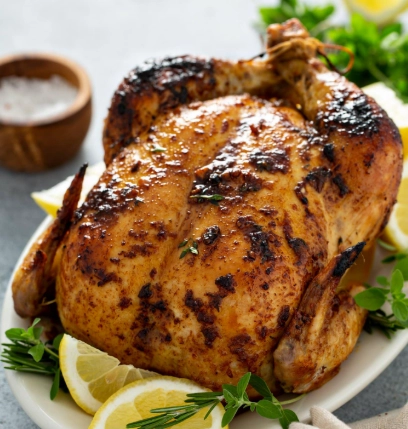
| Oven Baking/Roasting | Meal prep, hands-off cooking, even cooking for multiple breasts. | Use a meat thermometer. Pull at 162°F (it will carryover to 165°F). Bake on a rack for air circulation. | Overcooking is easy. Without a thermometer, you're guessing. |
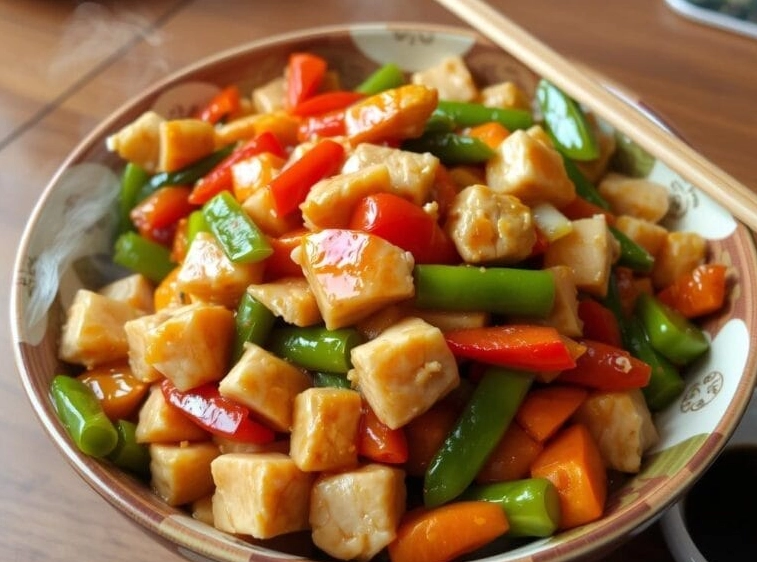
| Pan-Searing/Sautéing | Quick weeknight dinners, getting a golden-brown crust. | High heat, don't crowd the pan. Let the chicken develop a sear before moving it. | Chicken can steam instead of sear if the pan is too crowded or not hot enough. |
| Slow Cooker | Shredded chicken for tacos, soups, or sandwiches. Extremely tender results. | Add some liquid (broth, salsa). Cook on low for best texture. Breasts can dry out on high. | Can become mushy if cooked too long. Timing matters even on "low and slow." |
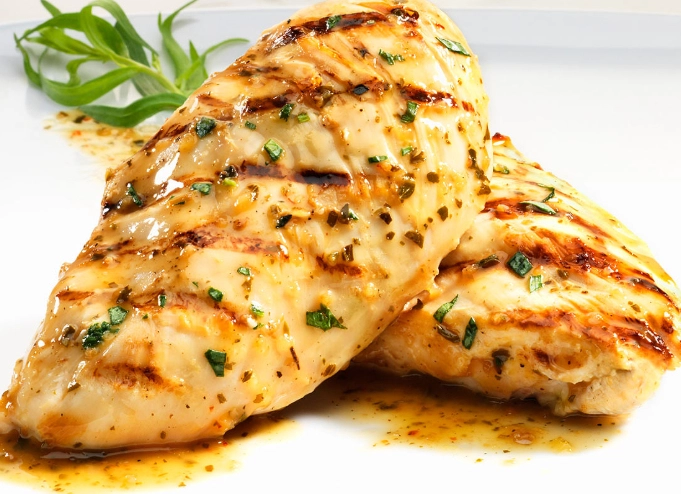
| Grilling | Smoky flavor, beautiful grill marks, summer cooking. | Medium-high, cleaned/oiled grates. Pound to even thickness or use thinner cuts. | Flare-ups from dripping fat can cause charring. Chicken sticks to dirty grates. |
| Poaching | Ultra-moist, delicate chicken for salads or dishes where you want pure chicken flavor. | Gentle simmer, not a boil. Use flavorful broth or aromatics (onion, herbs) in the water. | Can taste bland if not seasoned well. Texture can be soft if over-poached. |
The biggest mistake across all methods? Overcooking. Chicken breast is done at 165°F (74°C) as measured in the thickest part. But here's a pro move: pull it off the heat at around 160°F. The residual heat will carry it to the safe temperature while keeping it supremely juicy. Invest in a digital instant-read thermometer. It's the best $15 you'll spend for your kitchen.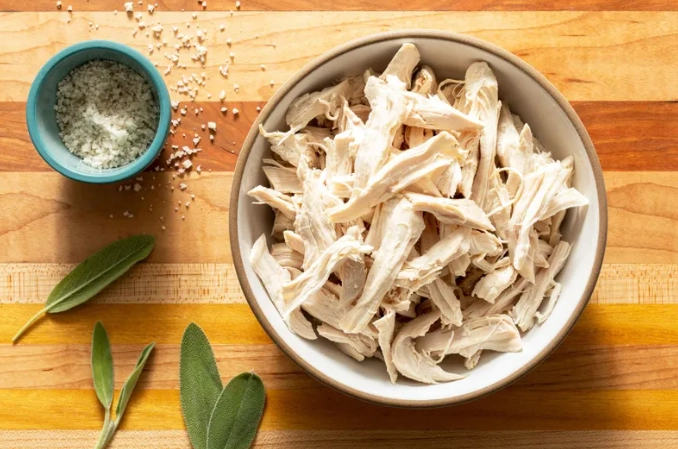
Recipe Ideas That Go Beyond Basic
Okay, you've got the techniques down. Now let's talk flavor inspiration. Here are some categories of white meat chicken recipes to spark your next meal.
The Global Flavor Tour
Chicken breast is the ultimate passport. You can take it anywhere.
See the pattern? A core set of spices defines a cuisine. Master those blends, and you can create endless easy chicken dinner ideas without a recipe.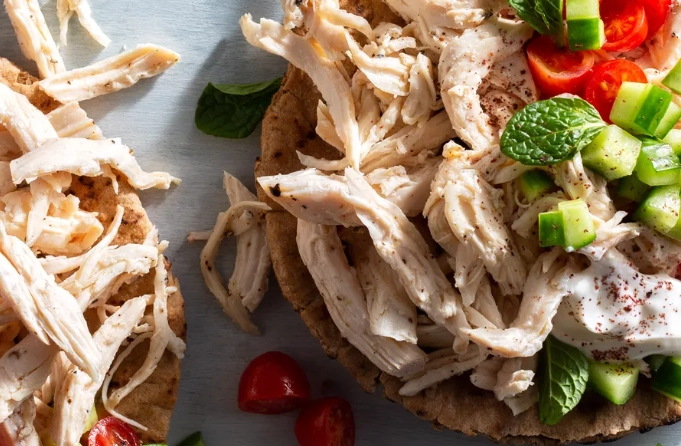
The "Dinner in a Pan" Heroes
Weeknights are chaotic. These ideas minimize cleanup and maximize flavor.
Sheet Pan Everything: Toss chopped chicken breast, potatoes, and broccoli with olive oil, salt, pepper, and maybe some Italian seasoning. Spread on a sheet pan and roast at 425°F until the chicken is cooked and the veggies are tender. One pan, one meal.
Skillet Sensations: Brown seasoned chicken breasts in an oven-safe skillet. Remove, add a can of diced tomatoes, some olives, and capers. Nestle the chicken back in, top with mozzarella, and bake until bubbly. Chicken caprese, done.
Meal Prep Masters
Cooking once to eat well all week is the ultimate hack for healthy chicken breast recipes.
- The Big Batch Bake: Season 4-6 breasts simply with salt, pepper, and garlic powder. Bake on a rack at 375°F to 160°F internal. Let cool, then slice or chop. Portion into containers. Now you have ready-to-go protein for salads, grain bowls, wraps, or quick pasta additions all week.
- Shredded Chicken Base: Place breasts in a slow cooker with a cup of chicken broth. Cook on low for 3-4 hours until fork-tender. Shred with two forks. This neutral shredded chicken can become BBQ sandwiches, chicken salad, enchilada filling, or soup add-in depending on the day's sauce or seasoning.
The key to meal prep chicken is to season it simply during the initial cook. You can add stronger, specific sauces when you assemble each meal later, so it doesn't all taste the same by Thursday.
Answering Your Chicken Questions (The FAQ You Actually Need)
Putting It All Together: Your Next Steps
Look, you don't need to remember every single tip from this guide. Start with one. Maybe this week, you buy a meat thermometer. Next week, you try pounding a breast flat before pan-searing it. The week after, you experiment with a simple 30-minute marinade.
The world of white meat chicken recipes is huge because it's so adaptable. It can be the star of a fancy dinner or the humble protein in a quick lunch bowl. The goal is to move from following recipes exactly to understanding the principles. Once you know why you're brining, how to tell when it's perfectly cooked, and how to pair flavors, you're free.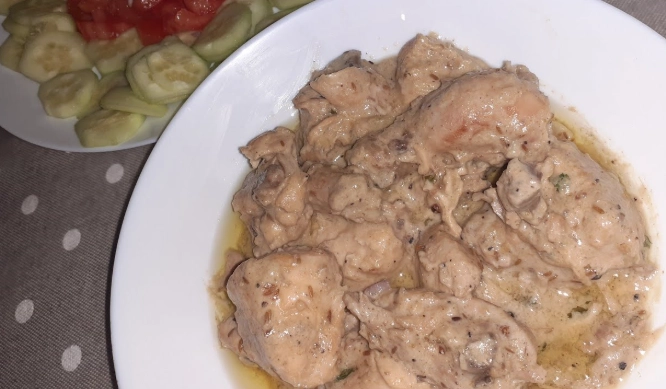
So grab a pack of chicken breasts. Pick a method from the table. Choose a flavor profile that sounds good. And cook without fear. You've got this. And if you have one of those nights where it still turns out a bit dry? Hey, it happens to everyone. That's what sauce is for. Just try again tomorrow.
Related Articles