How to Cook a Whole Chicken in the Oven: The Ultimate Guide for Perfect Results
Let's be honest. The idea of cooking a whole chicken in the oven can feel a bit intimidating. It's a centerpiece. What if it's dry? What if the breast is overcooked while the thighs are still pink? I get it. I've been there, staring at a sad, pale bird wondering where it all went wrong.
But here's the truth I learned after years in the kitchen, mostly from my own mistakes: roasting a whole chicken is one of the simplest, most forgiving, and rewarding things you can cook. It's cheaper than buying parts, the leftovers are gold for soups and salads, and the smell that fills your house is pure comfort. This isn't about fancy techniques—it's about understanding a few key principles that guarantee success every single time.
Your Roasting Roadmap
Why Cooking a Whole Chicken in the Oven Beats Buying Parts Every Time
Think about it. A pack of two chicken breasts often costs nearly as much as a whole bird. You're paying for someone else to do the butchering. A whole chicken gives you multiple meals: the glorious roast dinner, then carcass for stock, and leftover meat for sandwiches or casseroles. The flavor is also superior. Cooking the bird whole keeps the meat juicier—the dark meat protects the white meat, and everything cooks in its own glorious fat.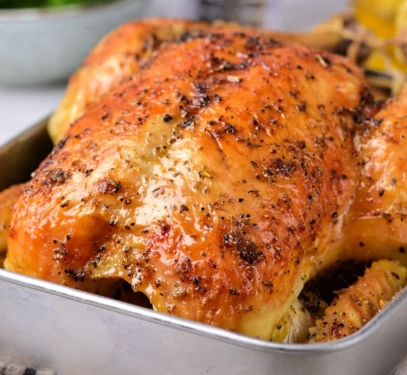
Economy aside, there's a satisfaction to it. It feels like real cooking.
Gathering Your Tools and Choosing the Right Bird
You don't need much. A sturdy roasting pan or even a large cast-iron skillet works. Avoid glass dishes if you can; metal gets hotter and promotes better browning. An instant-read thermometer is your best friend—it takes the guesswork out. Forget poking and hoping. You want it to read 165°F (74°C) in the thickest part of the thigh, not touching bone.
Now, the chicken. Size matters. A 3.5 to 4.5 lb (1.6 to 2 kg) bird is the sweet spot. It cooks evenly and feeds about four people with leftovers. Look for terms like "air-chilled." Water-chilled chickens absorb water, which steams in the oven and can prevent crispy skin. Air-chilled birds have drier skin, which is exactly what you want. Brands like Bell & Evans or Mary's Chicken are known for this, but check your local butcher.
Organic, free-range? That's a budget and ethics call. They often have more flavor, but a standard bird cooked well will still be fantastic.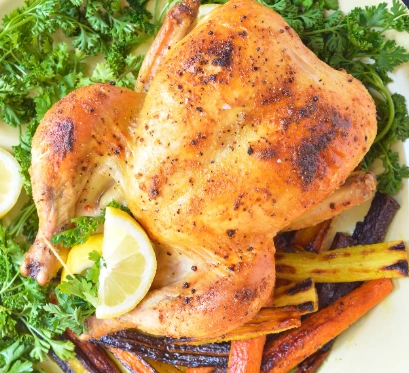
Pro Tip No One Tells You: Take the chicken out of the fridge at least 30 minutes, ideally an hour, before cooking. A cold chicken straight from the fridge goes into a hot oven and the outside overcooks before the inside is done. Letting it come closer to room temperature ensures even cooking from edge to center.
Prep is Everything: The Three Non-Negotiables
This is where the magic starts, before the oven is even on.
1. Dry It Thoroughly
This is the single most important step for crispy skin. Pat the entire chicken dry, inside and out, with a mountain of paper towels. Get into the nooks and crannies. Moisture is the enemy of browning. The drier the skin, the crispier the result.
2. To Truss or Not to Truss?
Most recipes insist on trussing (tying the legs together). I rarely do. It makes for a prettier presentation, but it also slows down the cooking of the thighs, which need more heat than the breasts. Leaving the legs loose allows hot air to circulate, helping everything cook more evenly. If you want it neat, go ahead and truss. For pure juiciness, I leave it be.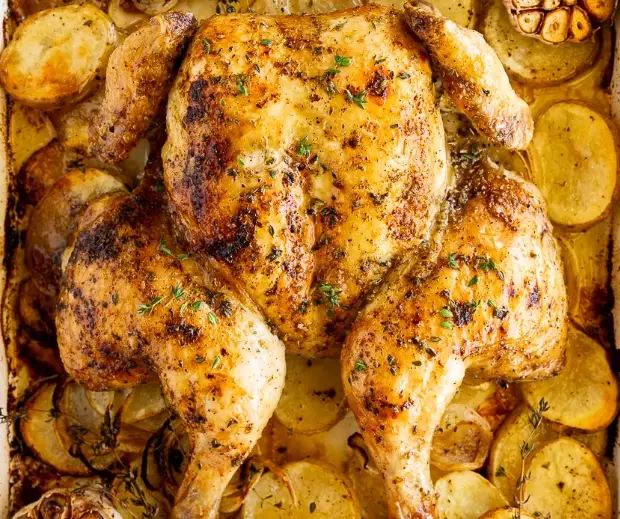
3. Seasoning: Simple is Best (But Be Generous)
Don't be shy. Season the cavity and the outside liberally with kosher salt and freshly ground black pepper. Get under the skin on the breasts if you can—slide your fingers between the skin and meat to create a pocket and season there directly. This seasons the meat itself, not just the skin.
For flavor, you have options. A classic is lemon halves and a bunch of herbs (thyme, rosemary) in the cavity. Rubbing the skin with softened butter or olive oil helps with browning and flavor. A personal favorite? Mix softened butter with minced garlic, lemon zest, and herbs, and spread that under the skin. It's a flavor bomb.
| Seasoning Method | Best For | Key Tip |
|---|---|---|
| Dry Brine (Salt in advance) | Ultra-crispy skin & deeply seasoned meat | Salt the bird 12-24 hours ahead, leave it uncovered on a rack in the fridge. |
| Herb-Butter Under Skin | Maximum flavor infusion | Be gentle to avoid tearing the skin. Use room temp butter. |
| Simple Oil & Salt | Ease and pure chicken flavor | Use a neutral oil with a high smoke point, like avocado or grapeseed. |
The Roasting Method: Time, Temperature, and a Game-Changing Flip
Preheat your oven to 425°F (220°C). Yes, that's hot. High heat is key for that initial browning. Place the chicken breast-side UP on a rack in your pan. The rack allows heat to circulate all around.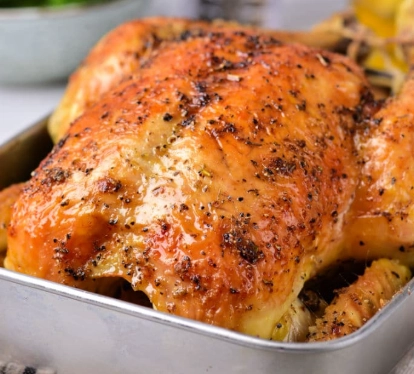
Here's the timeline for a 4 lb bird:
- First 30 minutes: Roast at 425°F. This kickstarts the browning.
- Reduce heat to 375°F (190°C): Continue roasting. Total roasting time is about 20 minutes per pound, but the thermometer is law.
Now, here's my controversial, expert-level trick for evenly cooked breast and thigh meat: the flip. About 45 minutes into the total cook time (for that 4 lb bird), carefully remove the pan and, using tongs and a sturdy spoon for support, flip the chicken so it's breast-side DOWN. This shields the delicate breast meat from the direct top heat and lets the thighs and back get more exposure. Flip it back breast-side up for the last 10-15 minutes to re-crisp the breast skin. It sounds fiddly, but it works wonders.
Baste? Optional. Basting with pan juices can add flavor, but opening the oven door lowers the temperature. I find a well-seasoned bird doesn't need it.
When your thermometer reads 165°F in the thigh and the juices run clear, it's done. The legs should wiggle loosely in their joints.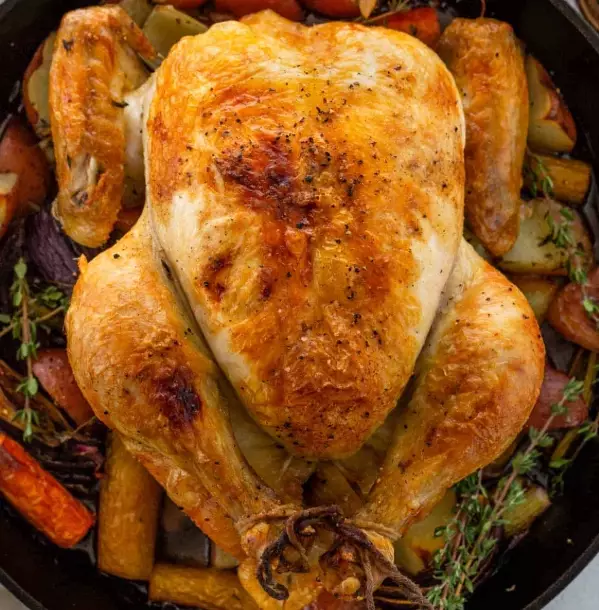
The Crucial Rest & How to Carve Without Drama
This is the step everyone wants to skip. Don't. When the chicken comes out, transfer it to a cutting board and let it rest for 15-20 minutes. Tent it loosely with foil if you like, but don't seal it tight—you'll steam the skin. Resting allows the juices, which have rushed to the surface, to settle back into the meat. Cutting immediately sends all that moisture onto the board, leaving you with dry meat.
Carving is simpler than it looks. Remove the legs (thigh and drumstick together) by cutting through the skin between the leg and body, then popping the joint. Separate the thigh from the drumstick if you want. Remove the wings. For the breast, make a long cut along the breastbone, then slice downwards, following the contour of the ribcage, to remove the entire breast half. Slice it crosswise on the board. It's messy? That's fine. It's home cooking.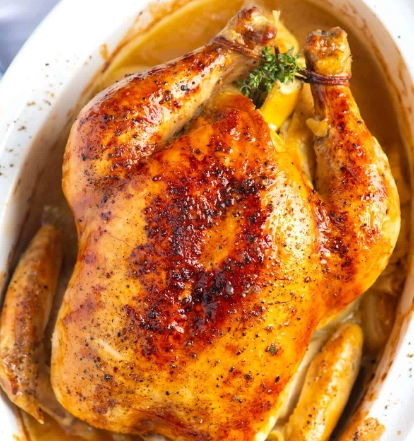
Troubleshooting Your Roast Chicken
Things happen. Here's how to fix them:
Skin is rubbery, not crispy: The skin wasn't dry enough, or the oven temp was too low. Next time, pat drier and start at a higher temp. For now, you can carefully remove the skin and broil it on a sheet pan for a minute to crisp up.
Breast is dry, thighs are perfect: The breast overcooked. Use the flip trick next time, or try starting the chicken breast-side DOWN for the first 30 minutes before flipping.
Bird is cooked but pale: Oven wasn't hot enough, or the chicken was too wet. Crank the heat up to 450°F for the last 10 minutes to encourage browning (watch closely).
The pan drippings are liquid gold. Skim off excess fat, then make a simple gravy by placing the pan on the stove, adding a tablespoon of flour, cooking for a minute, and whisking in some chicken broth.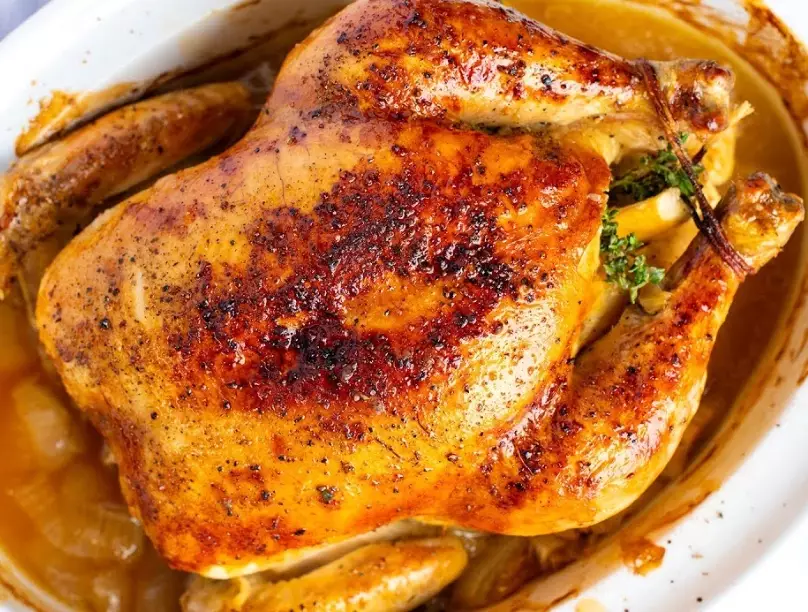
Roasting a whole chicken isn't a test. It's a process you get better at, and even the "mistakes" are usually still delicious. Start with a good bird, dry it well, season it with confidence, and trust the thermometer. The reward—a juicy, flavorful, impressive meal that didn't break the bank—is always worth it.
Related Articles