What Part of a Chicken is Tenderloin? Your Complete Guide
Quick Guide
Okay, let's be honest. If you've ever stood in the grocery store staring at packages labeled "chicken tenderloins," "chicken tenders," or just plain old chicken breast, you've probably wondered what the difference is. I know I have. It's one of those kitchen mysteries that seems simple but can trip you up when you're trying to follow a recipe or figure out what's for dinner. So, let's cut through the confusion. What part of a chicken is tenderloin, really? It's not a trick question, but the full answer might surprise you because it involves a little bit of anatomy, a little bit of butchery, and a whole lot of practical cooking sense.
Think of it like this. You know how a chicken breast is that big, broad piece of meat? Well, if you flip it over, on the underside, nestled right against the rib cage, you'll find a smaller, thinner strip of meat that runs along the length of the breast. That's it. That's the tenderloin. It's sometimes called the "tender" because, well, it's incredibly tender. It's not a separate muscle group in the way the drumstick is; it's more like a specific, prized part of the larger breast muscle (the pectoralis minor, if you want to get technical). Because it does less work, it stays more tender. Butchers often remove it and sell it separately because it commands a higher price. Makes sense, right?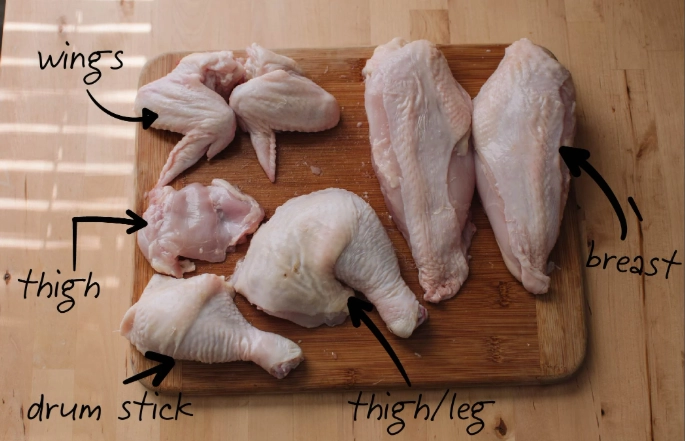
The Core Answer: The chicken tenderloin is a small, slender strip of white meat that is attached to the underside of the chicken breast. It's the most tender part of the entire chicken breast muscle.
But here's where things get messy in the real world. In the store, the terms get thrown around loosely. "Chicken tenders" often refer to the tenderloin itself. But "chicken tenders" can also mean breaded and fried strips made from any part of the breast meat. And sometimes, what's sold as "chicken tenderloin" might just be a piece of regular breast that's been cut into a strip shape. It's enough to make your head spin. My goal here is to give you the knowledge to navigate this, so you always buy and cook exactly what you intend to.
Chicken Tenderloin vs. Chicken Breast: The Showdown
This is the big one. Most people want to know how they're different, especially since they're often used interchangeably in recipes (sometimes with disastrously dry results). Let's break it down side-by-side. It's not just about size; it's about texture, cooking time, and best uses.
| Feature | Chicken Tenderloin | Chicken Breast (Whole) |
|---|---|---|
| Location | Underside of the breast, attached near the keel bone. | The large, main breast muscle. |
| Size & Shape | Small, thin, strip-like (approx. 3-5 inches long). | Large, thick, and broadly oval-shaped. |
| Texture | Exceptionally tender, almost buttery when cooked right. | Naturally lean, can become dry and chewy if overcooked. |
| Cooking Time | Very fast (3-5 minutes pan-frying, 8-10 minutes baking). | Longer and requires more care (10-15+ minutes depending on thickness). |
| Best For | Quick sautés, stir-fries, skewers, dishes where even tenderness is key. | Grilling, baking, pan-searing when you want a substantial piece of meat. |
| Price | Often more expensive per pound than whole breast. | Generally the most cost-effective option for white meat. |
| The "White Line" | Usually has a tough, white tendon running along one side that should be removed. | May have some connective tissue, but rarely a single prominent tendon. |
See the difference? It's huge. The main takeaway is that tenderloins cook in a fraction of the time. If you throw them in a pan for the same duration as a breast, you'll end up with little leathery strips. I've done it. It's not great. Conversely, if a recipe calls for tenderloins and you use a thick breast cut into chunks, the outside might be done while the inside is still raw. Knowing what part of a chicken is tenderloin directly informs how you should cook it.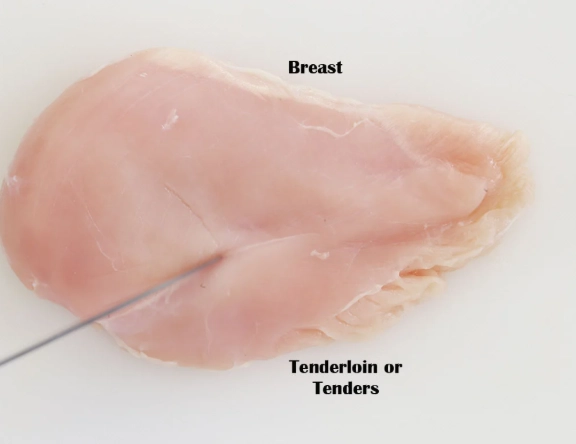
I remember the first time I tried to make a quick stir-fry with what I thought were tenderloins. They were just thin-sliced breast pieces. The result? Chewy and disappointing. It taught me to look for that specific shape and that little tendon—the real giveaway.
How to Find and Prepare Chicken Tenderloins
So you're sold on trying them. Where do you get them, and what do you do when you bring them home?
Buying Them: Your Options
You typically have three routes:
- Pre-Packaged: The easiest. Look for packs labeled "chicken tenderloins." Check the shape—they should be irregular strips, not uniform chunks. Be prepared to pay a premium for the convenience.
- From a Whole Breast: The most economical and guaranteed method. Buy a bone-in or boneless, skin-on chicken breast. Flip it over. You'll see that strip of meat loosely attached by a membrane. Just slide your fingers or a knife underneath it and pull it away. Voilà! You've just answered what part of a chicken is tenderloin with your own two hands. Now you have a breast and tenderloins.
- From a Butcher: Ask your butcher for chicken tenderloins specifically. They'll know exactly what you mean and can often give you a better price than pre-packaged supermarket ones.
The Essential Prep Step: Removing the Tendon
This is non-negotiable for good eating. Every tenderloin has a tough, silvery-white tendon running along one side. If you leave it on, it contracts during cooking and can make the meat curl, and it's unpleasant to chew.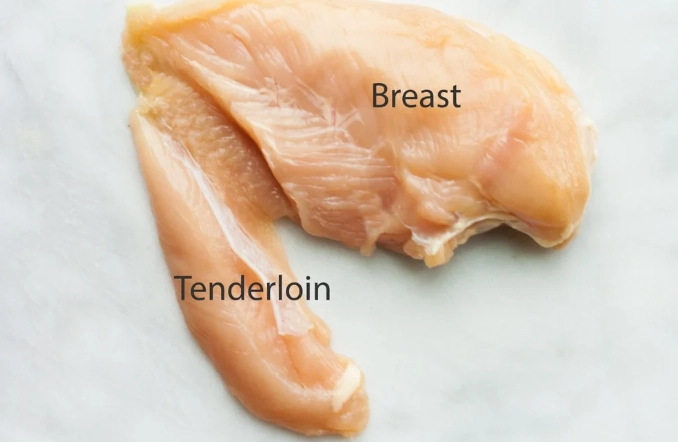
Pro Tip for Tendon Removal: Lay the tenderloin flat. Slide the tip of a small knife under the end of the tendon. Hold the tendon with a paper towel (for grip), place the knife blade against your fingers, and pull the tendon away from the meat while scraping the knife down its length. It should slip right out. It's satisfying once you get the hang of it.
After that, preparation is a breeze. You can leave them whole for quick-cooking dishes, or slice them into medallions for things like pasta or salads. Because they're so thin, they don't need pounding, which is a huge time-saver over breast meat.
Cooking Chicken Tenderloin to Perfection: Methods Ranked
Because of their size and tenderness, some methods work better than others. Here’s my personal ranking from most effective to least for getting the best out of your tenderloins.
Top Method: Quick Pan-Searing/Sautéing
This is where tenderloins shine. High heat, short time. Pat them dry, season well (salt, pepper, maybe some paprika or garlic powder), and toss them into a hot skillet with a little oil or butter. They'll cook in 2-3 minutes per side. You can make a pan sauce in the same skillet after removing them. It's a 10-minute dinner hero. This method perfectly highlights the answer to what part of a chicken is tenderloin—it's the fast-track cut.
Excellent Method: Stir-Frying
Cut them into bite-sized pieces and throw them into a screaming hot wok or pan. They cook in 90 seconds. Combine with veggies and a sauce, and you have a meal faster than takeout. The key is not to overcrowd the pan, or they'll steam instead of sear.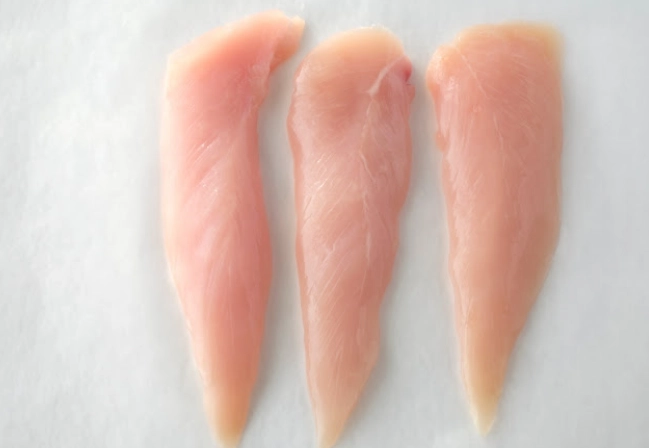
Great Method: Grilling or Broiling
They work well here, but you have to be vigilant. Because they're thin, they can fall through grill grates. Use a grill basket or skewer them (soaked wooden skewers or metal ones). A few minutes per side over direct, high heat is all they need. Brush with marinade in the last minute for flavor.
Good Method: Baking/Roasting
You can bake them, but it's easy to overdo it. I recommend baking at a high temperature (400°F/200°C) for a short time (8-10 minutes), preferably with a coating like breadcrumbs or a glaze to protect them from drying out. Don't just toss naked tenderloins on a sheet pan and walk away for 20 minutes—you'll regret it.
Method to Avoid (Generally): Slow cooking. Tenderloins don't have the connective tissue that benefits from long, slow cooking like thighs or drumsticks. They'll just turn to mush in a crockpot. Save them for quick-cook applications.
Nutrition and Health: Is Chicken Tenderloin Good For You?
This is a common follow-up question. Since it's pure white meat, the nutritional profile is very similar to chicken breast. According to the USDA FoodData Central, a 3-ounce (85g) cooked serving of skinless, boneless chicken breast provides about 165 calories, 31 grams of protein, and 3.6 grams of fat. Tenderloins, being part of the same muscle, will be nearly identical. They are an excellent source of lean protein, B vitamins (especially Niacin and B6), and minerals like selenium and phosphorus.
Where it gets tricky is with pre-marinated or pre-breaded "tenders" from the store. Those can be loaded with sodium, sugar, and unhealthy fats. The healthiest bet is always to buy plain tenderloins and season them yourself. You control what goes on them. For reliable, science-backed nutrition information, I always cross-reference with authoritative sources like the USDA's FoodData Central database or trusted health portals like the Harvard T.H. Chan School of Public Health Nutrition Source.
So yes, plain chicken tenderloin is a fantastic, healthy choice. It's all about how you prepare it.
Answering Your Burning Questions (FAQs)
Let's tackle some of the specific questions that pop up when people are trying to figure out what part of a chicken is tenderloin and what to do with it.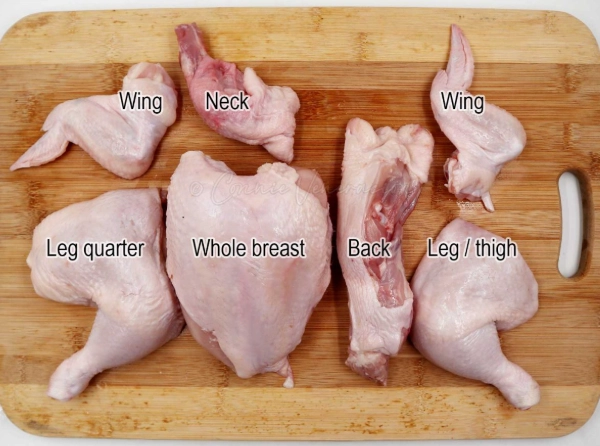
Is chicken tenderloin the same as a chicken finger?
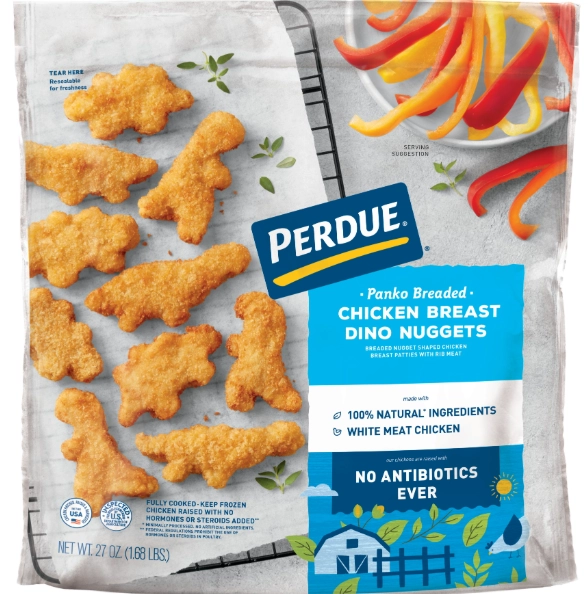
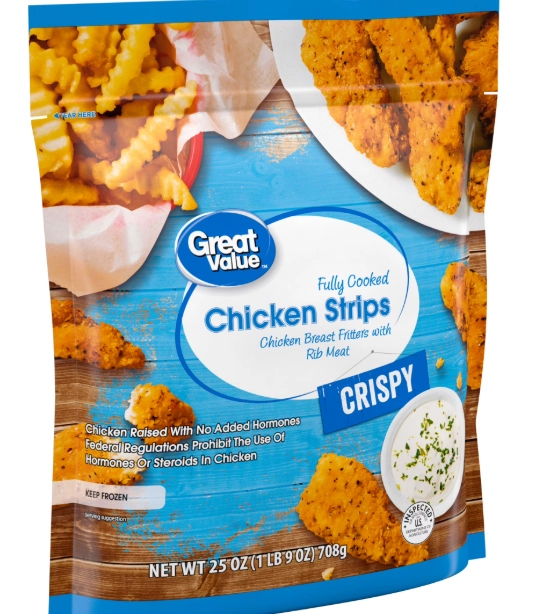
In theory, a "chicken finger" should be made from the tenderloin. In practice, no. Most restaurant and frozen "chicken fingers" or "chicken strips" are made from formed pieces of breast meat or other trimmings. They're shaped to look like the tenderloin. The term is more about the shape and preparation (breaded, fried) than the specific cut.
Why are my chicken tenderloins tough?
Almost certainly, you overcooked them. Remember, they are tiny and cook blazingly fast. The other culprit could be that you didn't remove the tendon. That thing is pure toughness. The third possibility? You didn't buy true tenderloins but rather thin strips cut from the breast, which can be inherently less tender.
Can I use tenderloin instead of breast in any recipe?
You can, but you must adjust the cooking time dramatically. If a recipe says to bake a chicken breast for 25 minutes, putting tenderloins in for that long will ruin them. Reduce the time by at least half, and always use a meat thermometer. Cook to 165°F (74°C) internally, but pull them off the heat at around 160°F (71°C) as they'll carryover cook.
Do I need to brine or marinate chicken tenderloins?
You don't *need* to, but a quick marinade (30 minutes to 2 hours, max) can add great flavor. Because they're small, they absorb flavors quickly. Avoid acidic marinades (like lots of lemon juice or vinegar) for more than an hour, as they can start to break down the tender texture. A simple brine (salt and water) can help guarantee juiciness, especially if you're worried about overcooking.
It all comes back to understanding what you're working with.
Are they safe to eat raw in dishes like chicken sashimi?
No. Absolutely not. Despite any trendy dishes you might have heard of, the USDA and all food safety authorities strongly advise against consuming raw or undercooked poultry due to the high risk of Salmonella and Campylobacter bacteria. Chicken must be cooked to a safe internal temperature of 165°F (74°C). Don't risk it.
Putting It All Together: Why This Knowledge Matters
So, after all this, what part of a chicken is tenderloin? It's the chef's secret for a quick, guaranteed-tender meal. It's the slightly pricier shortcut that saves you prep time. It's the cut that teaches you to respect cooking times.
Knowing this isn't just trivia. It empowers you in the kitchen. It helps you decode confusing supermarket labels. It prevents dinner disasters. It allows you to make informed choices between value (buying a whole breast and cutting it yourself) and convenience (grabbing the pre-packaged tenderloins).
My final piece of advice? Try the experiment yourself. Buy one package of labeled tenderloins and one whole boneless breast. Take the tenderloins off the breast. Compare their look and feel side-by-side. Cook one of each using the same quick pan-sear method. Taste the difference. That hands-on experience will lock the knowledge in far better than any article. For more detailed culinary techniques on handling poultry, sites like Serious Eats have fantastic, thoroughly tested guides that dive deep into the science of cooking.
Once you know what to look for and how to treat it, the chicken tenderloin goes from a mystery meat to one of the most reliable, weeknight-friendly proteins in your arsenal. And that's the whole point of understanding your ingredients—it makes cooking less stressful and a whole lot more delicious.
Related Articles