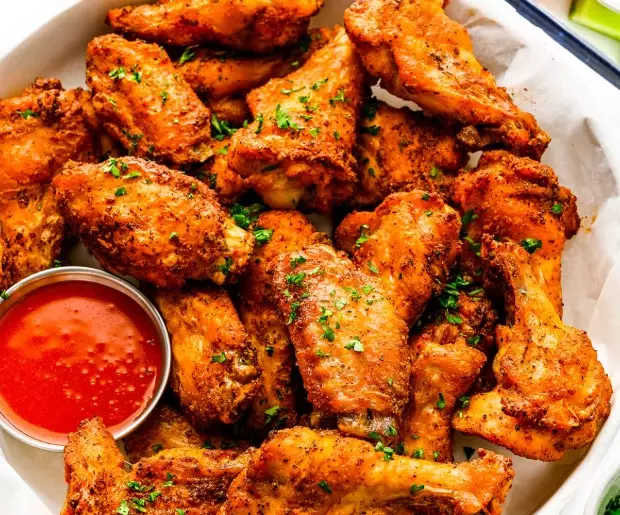
How to Make Juicy Roast Chicken with Crispy Vegetables
Let's be honest. The idea of a golden, juicy roast chicken surrounded by caramelized vegetables is universally appealing. It feels like a Sunday dinner achievement. But the reality? Too often, it's dry chicken, undercooked potatoes, and a pan of soggy, bland veggies. It doesn't have to be that way. After years of testing (and more than a few disappointing dinners), I've nailed down a method that works every single time. This isn't just a recipe; it's a system for a flawless, one-pan meal that's simple enough for a Wednesday and impressive enough for guests.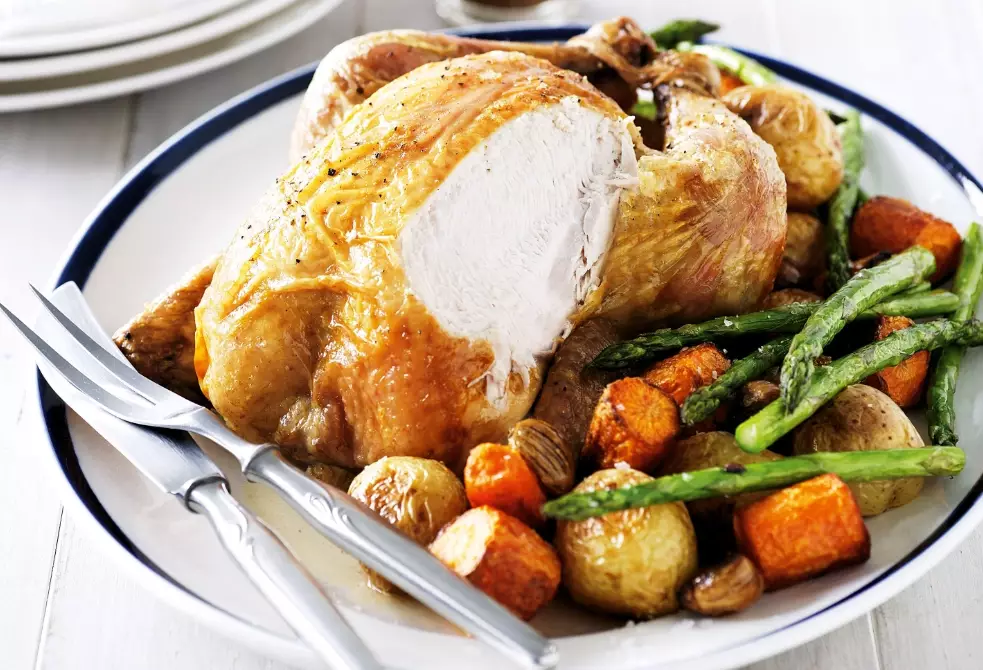
What You'll Find in This Guide
How to Prepare the Perfect Roast Chicken
It all starts with the chicken. You don't need a fancy heritage bird, but you do need to treat a standard supermarket chicken with a bit of respect.
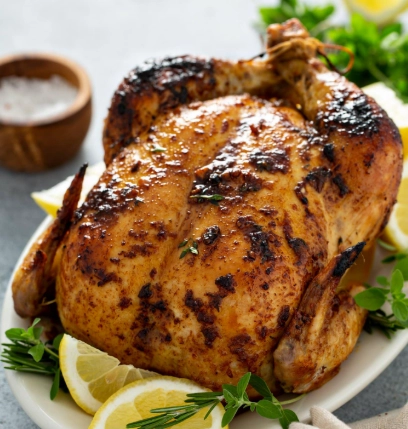
The Bird: A 3 to 4-pound whole chicken is ideal. Larger birds risk uneven cooking. Pat it incredibly dry, inside and out, with paper towels. This is the single most important step for crispy skin. Wet skin steams; dry skin roasts.
Seasoning Under the Skin: This is the pro move most recipes glance over. Gently slide your fingers between the skin and the breast meat to loosen it. Mix softened butter or olive oil with minced garlic, fresh herbs (thyme, rosemary), salt, and pepper. Spread this paste directly onto the meat. The fat bastes the chicken from the inside, and the flavors penetrate deeply. Season the outside generously too.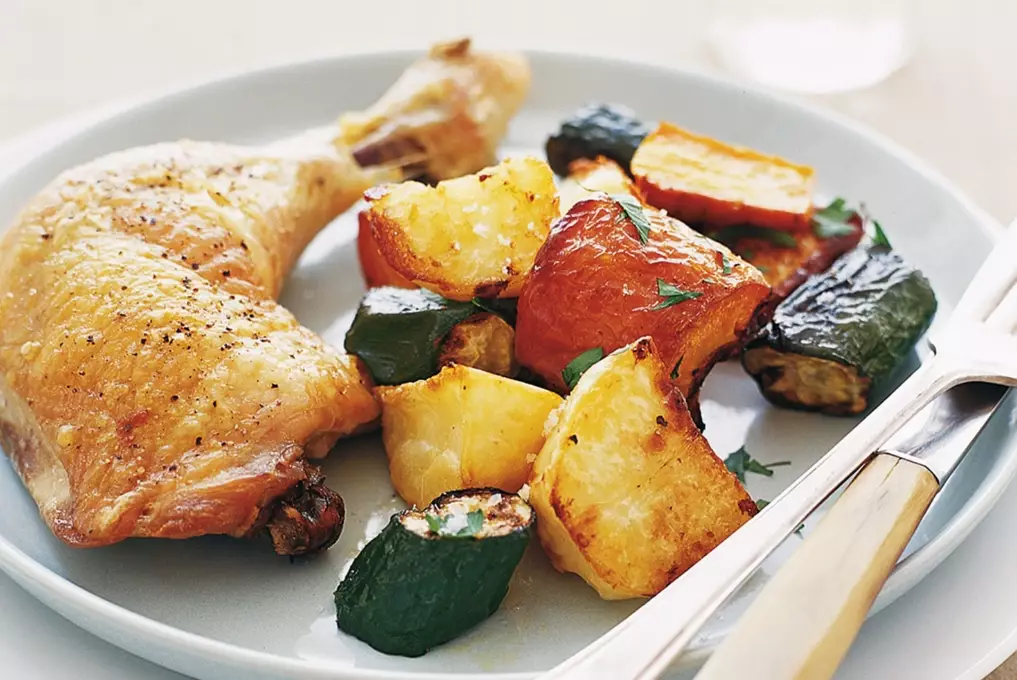
Trussing (or Not): I rarely truss. Tying the legs together can actually slow down the cooking of the thigh joint, the part that needs the most heat. Instead, I tuck the wingtips behind the shoulders (it looks neat and prevents burning) and leave the legs free. More surface area exposed means more crispy skin.
The Best Vegetables for Roasting with Chicken
Not all vegetables are created equal for this long, shared journey in the oven. You need hardy varieties that won't turn to mush.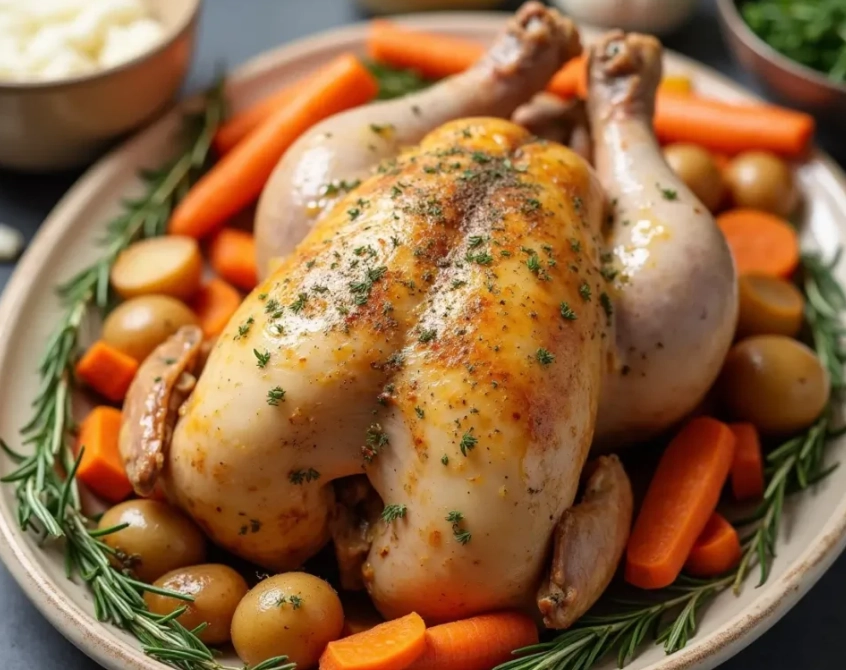
The Champions (Add at the start):
- Potatoes: Yukon Gold or small red potatoes. Cut into 1.5-inch chunks.
- Carrots & Parsnips: Cut into similar-sized chunks or thick batons.
- Onions & Shallots: Quartered or cut into wedges. They sweeten beautifully.
- Fennel: Bulb quartered. Adds a lovely anise note.
- Whole Garlic Cloves: They become sweet and spreadable.
The Latecomers (Add in the last 20-30 minutes):
- Broccoli & Cauliflower Florets: Cut into large pieces.
- Bell Peppers: Thick slices.
Prep Rule: Cut everything into uniform sizes. This isn't just for looks; it ensures even cooking. Toss them in a bowl with enough olive oil to coat, plus salt, pepper, and maybe a dried herb like oregano. Don't salt them on the pan too early or they'll weep.
| Vegetable | Cut Size | When to Add to Pan | Special Note |
|---|---|---|---|
| Potatoes (Yukon Gold) | 1.5" chunks | Start | Parboil for 5 mins for extra crisp edges |
| Carrots | 1" thick rounds | Start | No need to peel if scrubbed well |
| Onions (Red or Yellow) | ½" wedges | Start | The base of the pan's flavor |
| Broccoli | Large florets | Last 20 mins | Stems can be peeled and roasted too |
| Cherry Tomatoes | Whole | Last 10-15 mins | They will burst and create a sauce |
The Step-by-Step Roasting Process
Here's the play-by-play. Preheat your oven to 425°F (220°C). Use a large, heavy-duty roasting pan or rimmed baking sheet. Crowding is the enemy of browning.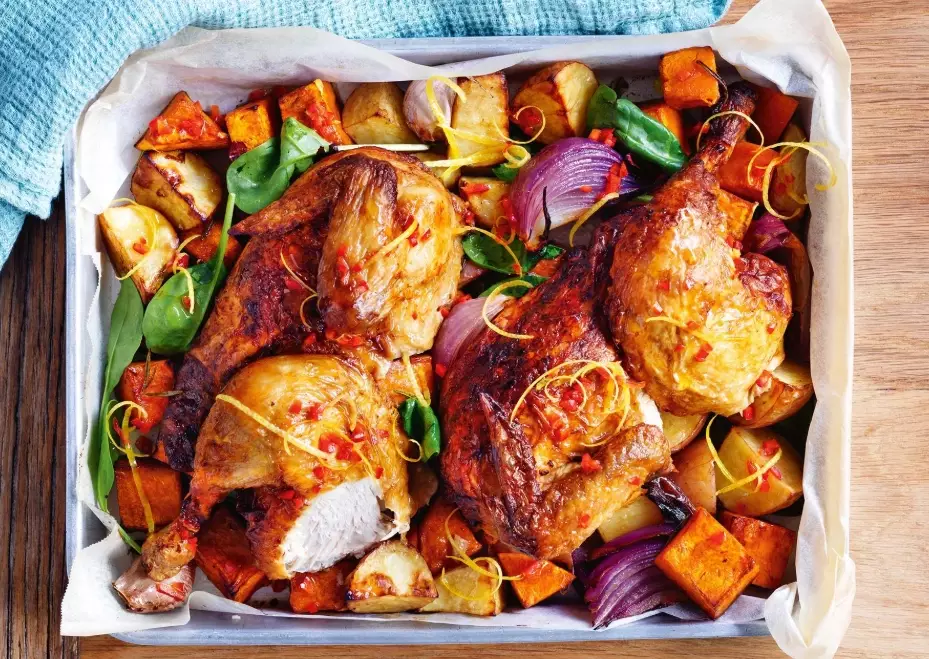
Step 1: The Vegetable Bed. Spread your prepped "champion" vegetables in an even layer in the pan. Drizzle with a bit of oil and season. Some chefs argue you should place the chicken on a wire rack over the veggies. I disagree. Putting the chicken directly on the vegetables lets the drippings flavor them. The trade-off? The veggies directly underneath will be softer. I think that's a fair trade for incredible flavor.
Step 2: Chicken On Top. Place your seasoned chicken, breast-side up, right on top of the veggie pile.
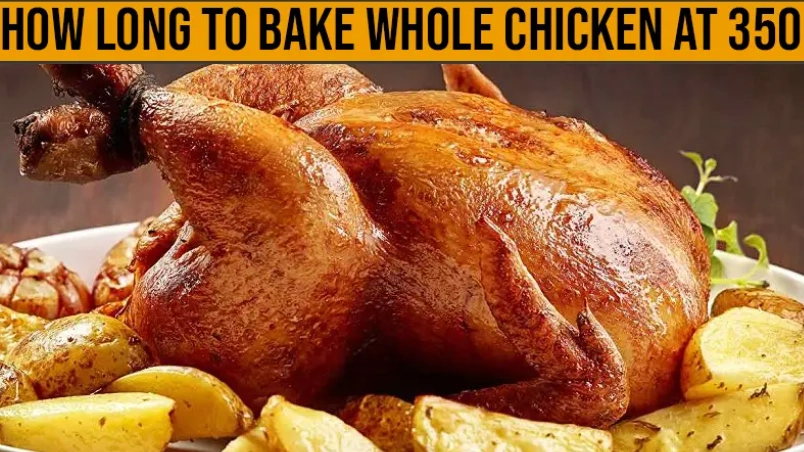
Step 3: The Two-Temperature Roast. This is the secret. Roast at 425°F for 25 minutes. This high heat kickstarts the browning on the skin and vegetables. Then, without opening the door, reduce the oven temperature to 375°F (190°C). Continue roasting until the thickest part of the thigh reads 165°F (74°C) on an instant-read thermometer. For a 4lb chicken, this usually takes another 35-50 minutes. The lower heat gently finishes the cooking without burning the exterior.
Step 4: The Rest. This is non-negotiable. Transfer the chicken to a cutting board and tent loosely with foil. Let it rest for 15-20 minutes. The juices redistribute. If you cut immediately, all those precious juices will run out onto the board, leaving you with dry meat. Use this time to check if any latecomer veggies need a quick blast in the oven or to make a quick pan sauce from the drippings.
Why Your Last Roast Chicken Failed (And How to Fix It)
Let's diagnose common problems. I've made all these mistakes so you don't have to.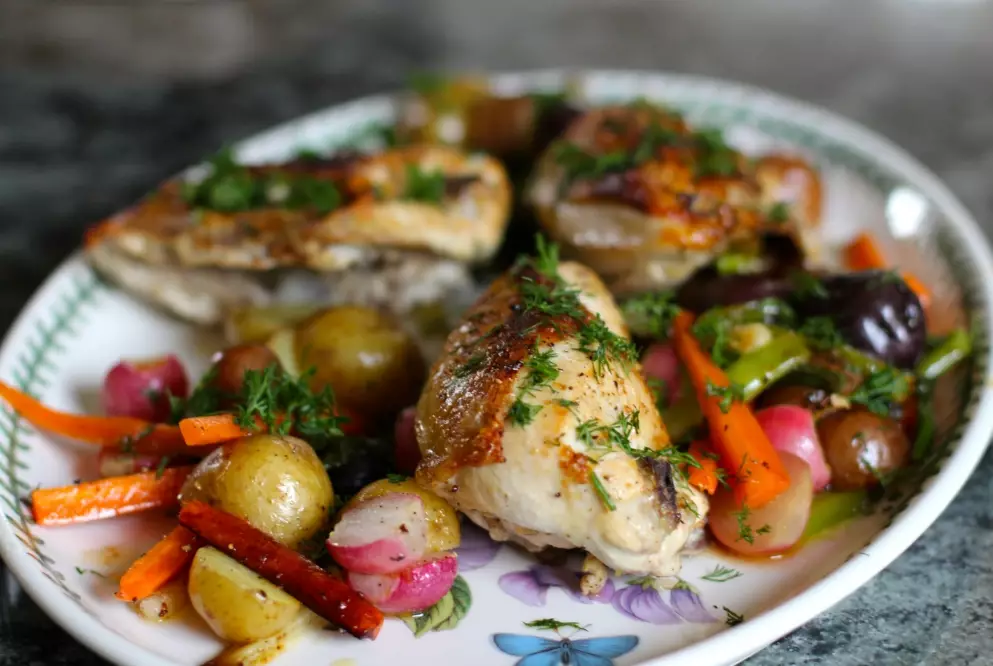
"My chicken skin was rubbery, not crispy."
You didn't dry it enough. Patting isn't a suggestion. It's a mandate. Also, starting with a hot oven (425°F) is crucial. And believe it or not, a little baking powder (½ tsp mixed into your dry seasoning) can help by changing the skin's pH for better browning, but it's not essential if you follow the first two rules.
"The breast was dry but the thighs were undercooked."
You probably roasted it breast-side up the whole time at one steady temperature. The breast, being lean, cooks faster. Some chefs swear by starting breast-side down. My preferred fix is the two-temperature method above. It gives the dark meat time to catch up without murdering the white meat. Using a thermometer removes all guesswork.
"My vegetables were burnt on the edges and raw in the middle."
You cut them too big, or your oven runs hot. Cut them uniformly to the sizes I recommended. If you know your oven has hot spots, rotate the pan halfway through cooking. If things are browning too fast, a sheet of foil over the veggies (not the chicken) can help.
Your Roast Chicken Questions, Answered
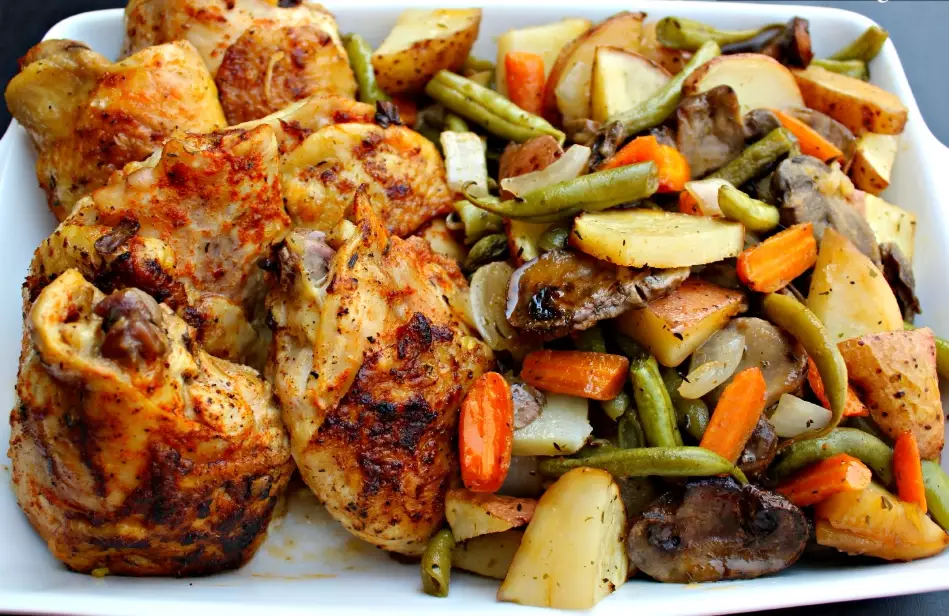 The beauty of a great roast chicken with vegetables is its simplicity and reliability. Once you understand the principles—dry bird, hearty veggies, two-temperature cook, mandatory rest—you can adapt it endlessly. Swap the herbs, use sweet potatoes instead of Yukon Golds, add a squeeze of lemon at the end. It becomes a template for a hundred different dinners. Stop being intimidated by the whole bird. Grab a chicken, some potatoes, and get roasting.
Related Articles