Perdue Chicken Breast Nutrition: A Complete Guide to Protein, Health & Cooking
Quick Guide
Let's talk about chicken breast. It's the go-to for so many of us trying to eat better, pack in protein, or just get a reliable dinner on the table. And if you're standing in the meat aisle, you've probably seen Perdue. The name's everywhere. But what are you actually getting when you pick up that tray of Perdue chicken breast? The nutrition label tells part of the story, but there's more to it. Is it just protein and not much else? How does it compare to other brands, or to buying from the butcher? And does the way it's raised or processed make a difference to what ends up on your fork?
I've been there, squinting at the fine print, wondering if the "all natural" claim means anything substantial. I've also cooked my fair share of Perdue chicken breasts—some turned out great, others a bit dry (more on that later). This isn't about throwing science jargon at you. It's about breaking down the Perdue chicken breast nutrition facts into something useful, so you can decide if it fits your kitchen and your goals.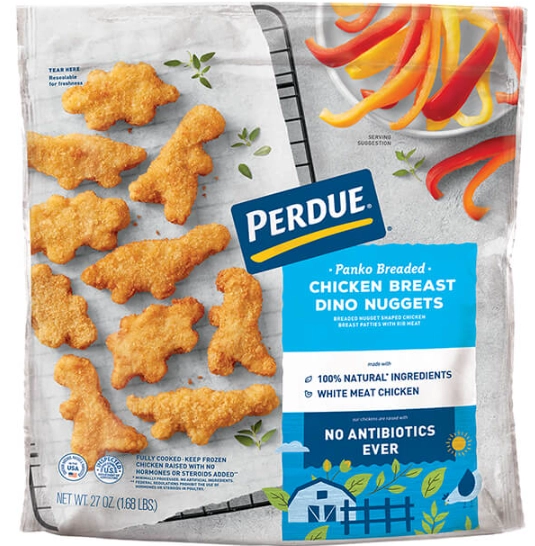
The Core of It: What's in a 4-oz Serving?
Before we dive deep, let's get the basics straight. We're mainly talking about the boneless, skinless variety here—the lean powerhouse. According to Perdue's own labeling and cross-referencing with the USDA's FoodData Central, the numbers for a raw, 4-ounce (112g) serving are pretty straightforward. This is your foundation for understanding Perdue chicken breast nutrition.
You know, one thing I appreciate about Perdue is that their packaging is generally clear. You don't need a magnifying glass to find the info. But labels can only tell you so much.
A Detailed Look at Perdue Chicken Breast Nutrition Facts
Let's put the key numbers side by side. It's one thing to hear "high in protein," it's another to see exactly what you're working with, especially when comparing their main product lines. I pulled this data directly from current Perdue product packaging and their website to make sure we're looking at the right stuff.
| Nutrient | Perdue Fresh Boneless, Skinless Breast (4oz raw) | Perdue Harvestland No Antibiotics Ever (4oz raw) | Perdue Frozen Breast (4oz raw, typical) |
|---|---|---|---|
| Calories | ~110-120 | ~110-120 | ~110-120 |
| Total Fat | 1.5g - 2.5g | 1.5g - 2.5g | 1.5g - 2.5g |
| Saturated Fat | 0.5g - 1g | 0.5g - 1g | 0.5g - 1g |
| Protein | ~23g - 26g | ~23g - 26g | ~23g - 26g |
| Sodium | ~50mg - 75mg (naturally occurring) | ~50mg - 75mg (naturally occurring) | Can be higher (check label for added solutions) |
| Cholesterol | ~70mg - 80mg | ~70mg - 80mg | ~70mg - 80mg |
See? At its core, the macronutrient profile is incredibly consistent across their fresh, premium, and standard lines. That ~25 grams of protein is the headline act. It's a complete protein, meaning it has all nine essential amino acids your body needs but can't make on its own. That's the magic for muscle repair, keeping you full, and just general body maintenance.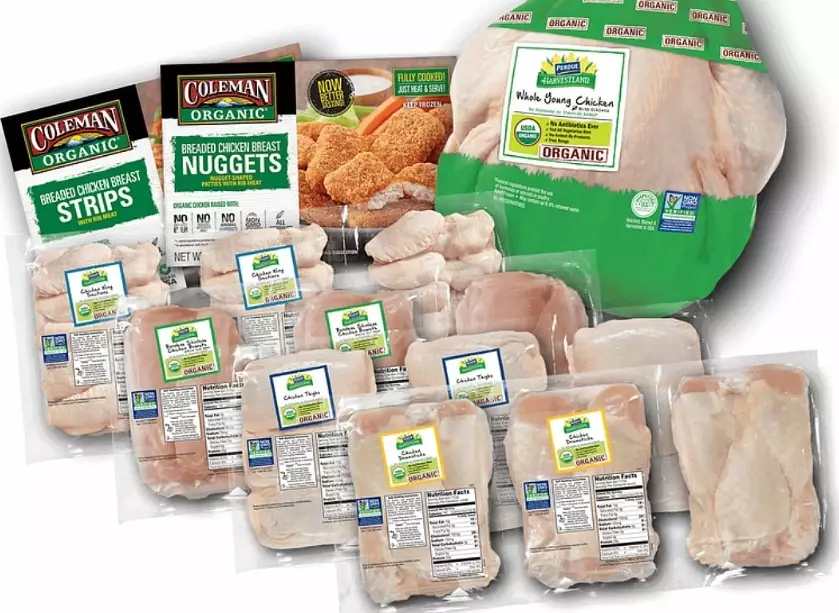
Now, about fat. One thing I like is how lean it is. That 1.5-2.5 grams of total fat is almost negligible, making it a favorite for fat-loss diets. But here's a tiny personal gripe: that leanness is also what makes it so easy to overcook and turn into a dry, chewy mess. The lack of fat means there's less margin for error in the kitchen. We'll get to cooking fixes soon.
What About Vitamins and Minerals?
This is the part that often gets skipped. Chicken breast isn't just a protein blob; it brings some important micronutrients to the party. When you're evaluating Perdue chicken breast nutrition, these matter:
- Niacin (Vitamin B3): A big one. A 4-oz serving can cover over 50% of your daily needs. Crucial for energy metabolism and skin health.
- Vitamin B6: Key for brain health, immune function, and protein metabolism. Another strong contributor.
- Selenium: A powerful antioxidant that supports thyroid function. Chicken breast is an excellent source.
- Phosphorus: Important for strong bones and teeth, and helps filter waste in your kidneys.
- Choline: Underrated but vital for liver function, brain development, and muscle movement.
You won't find Vitamin C or fiber here, and that's fine. It's not a vegetable. It's a foundational protein that delivers a specific set of nutrients very efficiently. I think of it as a reliable base to build a meal around—you add the color, variety, and carbs from your sides.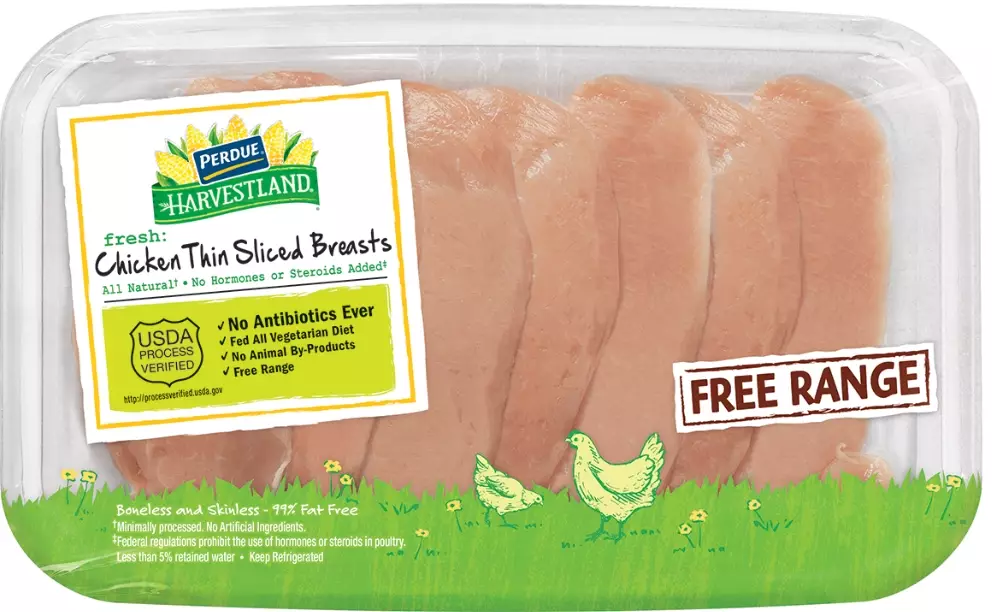
Decoding the Perdue Product Maze: Which One is For You?
Walk into any major grocery store, and you'll see a wall of Perdue. It can be overwhelming. "All Natural," "No Antibiotics Ever," "Harvestland," "Simply Smart." What do these labels mean for the actual Perdue chicken breast nutrition? Let's cut through the marketing.
Honestly, the core nutrition—protein, fat, calories—doesn't change dramatically between these lines. The differences are in the how, not the what. And for some people, the how is everything.
The Big Three Categories:
- Perdue Fresh (Standard): This is their classic, widely available line. The chickens are raised without steroids or hormones (a legal requirement for all poultry in the U.S., by the way). They may have been given antibiotics if they got sick. Nutritionally, it's the baseline table above.
- Perdue Harvestland / No Antibiotics Ever (NAE): This is a step up in their farming practices. The chickens are raised without antibiotics of any kind, fed a vegetarian diet, and are often free-range or have outdoor access (check the specific package). This is a big selling point for folks worried about antibiotic resistance. The Perdue chicken breast nutrition profile is identical, but the raising standards are stricter.
- Perdue Frozen (including Simply Smart): Here's where you need to be a label detective. Some frozen breasts are just individually quick frozen (IQF) with nothing added—their nutrition mirrors fresh. Others, especially those labeled "for flavor" or "with a solution," may have added salt, broth, or seasonings to retain moisture. This can significantly increase the sodium content. I've seen some frozen options with over 300mg of sodium per serving—that's 4-6 times the natural amount!
My take? If sodium is a concern for you (and for many watching blood pressure, it is), your hands-down best bet is to grab the fresh, plain, boneless skinless breasts—either standard or NAE. Read the frozen label like it's a contract. The upside of frozen is convenience and often a longer fridge life after thawing, but you trade off for potential additives.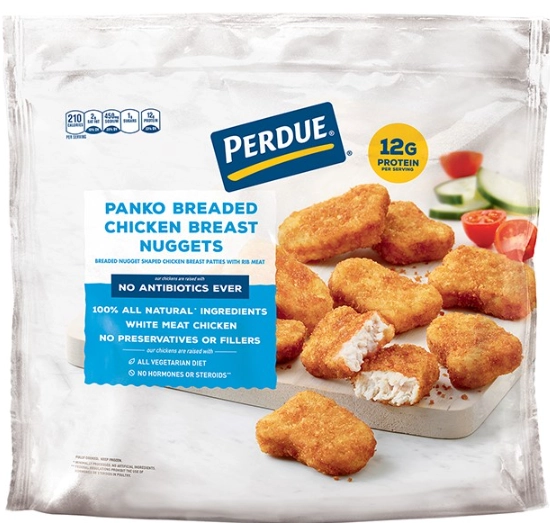
How Cooking Transforms Perdue Chicken Breast Nutrition
This is critical. The numbers on the package are for raw meat. Heat changes everything—weight, volume, and even nutrient density. If you've ever wondered why your cooked chicken breast seems smaller than what you started with, this is why.
Chicken breast loses about 25% of its weight when cooked, mostly from water evaporating. So that 4oz raw serving becomes roughly 3oz cooked. But here's the key: the protein and other nutrients don't evaporate. They just get concentrated into a smaller piece of meat.
The Big Mistake Everyone Makes: Comparing raw calories to cooked calories without accounting for weight loss. A 4oz raw breast (~120 cal) does NOT become a 3oz cooked breast with the same 120 calories. It becomes a 3oz cooked breast that still contains all the protein and calories from the original 4oz raw piece. So per ounce, cooked chicken has more calories and protein than raw.
A cooked 3oz serving of Perdue chicken breast will have about 130-140 calories and a whopping 26-30 grams of protein. The fat content stays roughly the same in total, so the percentage of calories from fat goes up a bit.
Cooking Method Matters (A Lot)
How you cook it impacts final nutrition, mostly through added fats. Let me give you a real example from my kitchen. I used to drown chicken breasts in olive oil to "keep them moist."
- Grilling or Baking (Dry-Heat): This is the purest way. Little to no added fat, so the final Perdue chicken breast nutrition stays very close to its natural state. Use a meat thermometer and pull it at 165°F (74°C) to avoid drying it out. Trust me, overcooking is the enemy of flavor.
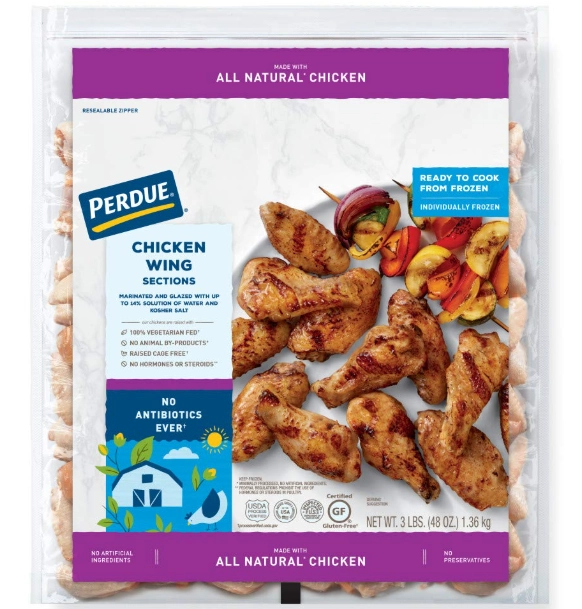
- Pan-Searing/Sautéing: Here's where calories can creep in. A tablespoon of olive oil adds about 120 calories and 14g of fat. If you use it all and it's absorbed, that essentially doubles the fat content of your meal. I've started using a good non-stick pan and a spritz of oil spray instead of a glug from the bottle. Makes a huge difference.
- Poaching or Boiling: Super lean method, but some water-soluble vitamins (like some B vitamins) can leach into the cooking water. If you're not using the broth, you're losing those nutrients. The flavor can also be a bit bland for my taste.
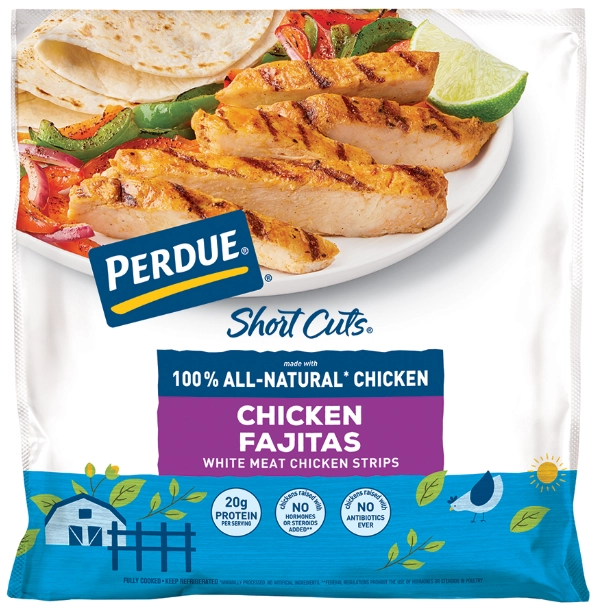
- Breading and Frying: This completely changes the game, turning a lean protein into a high-carb, high-fat meal. That's a different food altogether.
The simplest advice I can give: season it well (herbs, spices, a little salt), cook it to just-done, and let it rest for 5 minutes before cutting. That rest period lets the juices redistribute. It's a game-changer for texture.
Your Top Questions on Perdue Chicken Breast Nutrition, Answered
Putting It All Together: Making Perdue Chicken Breast Work for You
So, after all this, what's the verdict on Perdue chicken breast nutrition? It's a solid, reliable source of high-quality protein that forms a fantastic foundation for countless healthy meals. The numbers are straightforward, and when you stick to their basic product lines, you're getting exactly what you expect: lean meat with minimal processing.
The choice between their standard, No Antibiotics Ever, or organic lines comes down to your personal priorities and budget. The core nutrition doesn't budge much, but the farming practices do.
The real power is in how you use it. Pair that 25+ grams of protein with a big serving of colorful vegetables and a smart carbohydrate (like sweet potato, quinoa, or brown rice), and you've built a balanced, satisfying plate. It's a meal that supports muscle maintenance, energy levels, and overall health.
Just remember the two biggest pitfalls: drowning it in oil during cooking and not reading the label on marinated or frozen products. Avoid those, and Perdue chicken breast can be a hassle-free staple that delivers on its nutritional promises, meal after meal.
In the end, it's just chicken. But knowing exactly what you're getting—the protein punch, the micronutrients, the details behind the labels—lets you shop and cook with confidence. And that's the whole point, isn't it?
Related Articles