The Ultimate Guide to Oil Temperature for Perfect Fried Chicken
You can have the best buttermilk brine, the perfect seasoned flour, and heritage-breed chicken, but if your oil temperature is off, you'll end up with a greasy, pale, or burnt mess. It's the single most important variable, and most recipes just throw out a number like "350°F" without explaining why. That's a recipe for frustration.
Getting the oil temp for frying chicken right isn't about memorizing one magic number. It's about understanding the science of heat transfer, moisture, and the Maillard reaction (that's the browning). When I first started, I ruined more batches than I care to admit because I trusted the "flick water" test. Don't be like me.
Quick Guide: What's Inside?
Why Oil Temperature is the Make-or-Break Factor
Think of hot oil as a rapid dehydration and cooking system. At the right temperature (typically 325°F to 375°F / 163°C to 190°C), something beautiful happens.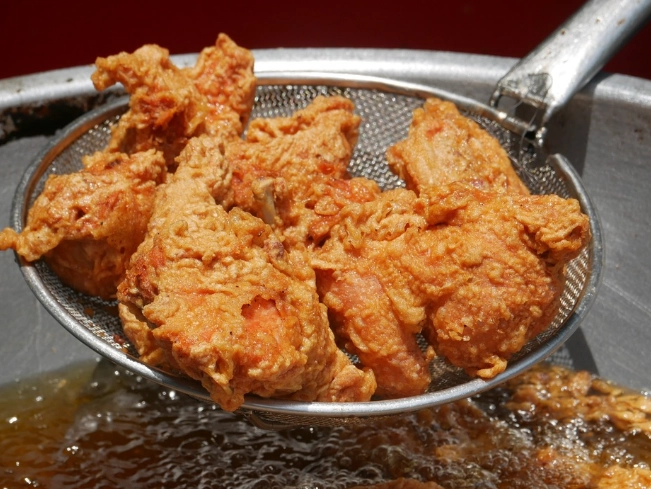
The moment chicken hits the oil, the surface moisture violently vaporizes. This creates a barrier of steam that temporarily prevents oil from soaking in. Simultaneously, the proteins and sugars on the surface undergo the Maillard reaction, building that complex, flavorful, crispy crust we all crave. The interior then cooks gently in its own juices.
Now, here's where everyone gets it wrong.
Too Cold (Below 325°F/163°C): The steam barrier is weak and collapses. Oil seeps into every pore of the breading, resulting in soggy, greasy, and pale chicken. It also takes forever to cook, drying out the meat.
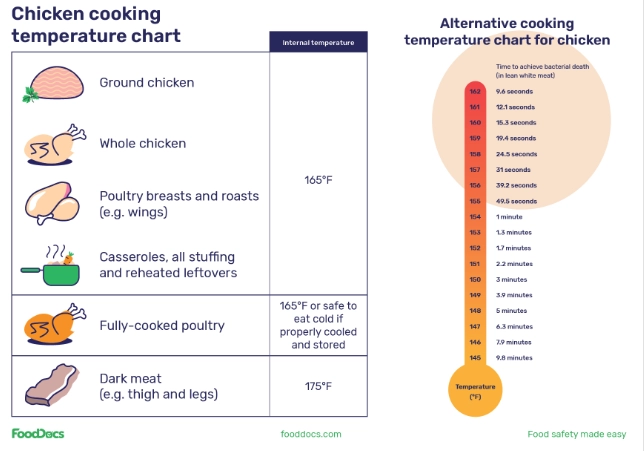
Too Hot (Above 375°F/190°C): The crust forms and burns almost instantly, locking in raw, cold chicken inside. You get a beautifully dark, bitter shell with an undercooked center. The USDA recommends cooking chicken to an internal temperature of 165°F (74°C) for safety—impossible if the crust carbonizes first.
I learned this the hard way at a family cookout. I was in charge of the fryer, got distracted, and let the oil creep past 390°F. The first batch of wings looked like charcoal briquettes in under two minutes. The inside was practically raw. Total disaster.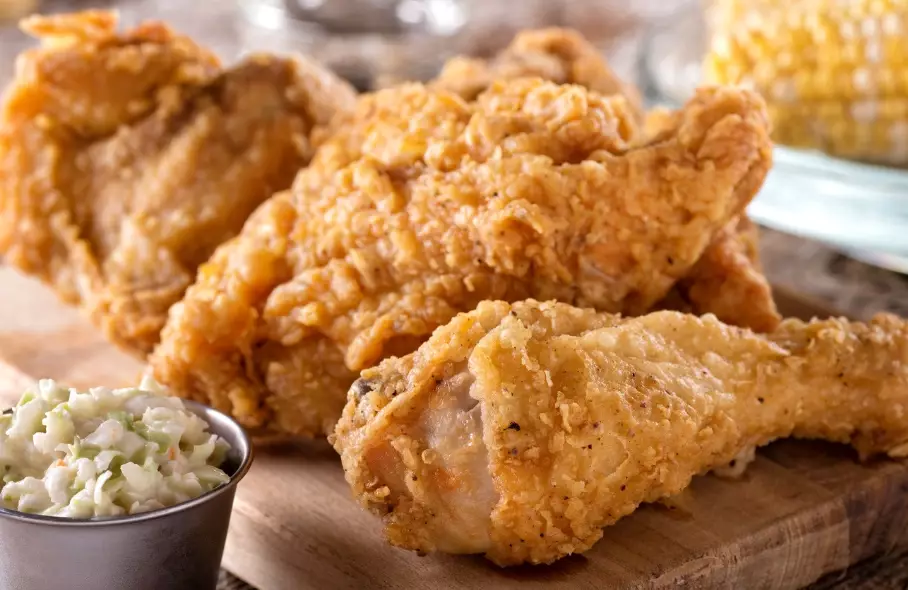
The Perfect Temperature Chart for Every Cut
"Fry at 350°F" is lazy advice. Bone-in thighs and boneless tenders are completely different beasts. This chart is what I've honed over a decade of trial, error, and a lot of eaten chicken.
| Chicken Cut & Style | Target Oil Temperature | Approx. Fry Time | Key Reason |
|---|---|---|---|
| Boneless, Skinless Breast Strips/Tenders | 350°F - 360°F (175°C - 182°C) | 3-5 minutes | Lean meat cooks fast. High heat sets crust quickly before it dries out. |
| Boneless, Skinless Thighs | 350°F - 360°F (175°C - 182°C) | 5-7 minutes | Forgiving due to fat, but needs good heat to render it and crisp up. |
| Bone-in Thighs & Drumsticks | 325°F - 335°F (163°C - 168°C) | 12-15 minutes | Bone and connective tissue need longer, gentler heat to cook through without burning the crust. |
| Wings (Party Style) | 375°F (190°C) | 10-12 minutes | Higher heat renders skin fat perfectly for ultimate crispiness. Often done in two stages (par-fry, rest, refry). |
| Whole Chicken, Cut into 8-10 Pieces | Start at 350°F (175°C), adjust to 325°F (163°C) | 15-25 mins (varies by size) | Start hot to set crust on all pieces, then reduce slightly to cook larger pieces (breasts, thighs) through. |
| Chicken Katsu (Panko-breaded cutlet) | 340°F - 350°F (170°C - 175°C) | 5-7 minutes per side | Panko burns easily. Slightly lower temp allows golden browning without bitterness. |
See the pattern? Thicker, bone-in pieces need a lower temperature. It's not just about the crust; it's about giving heat time to travel to the center.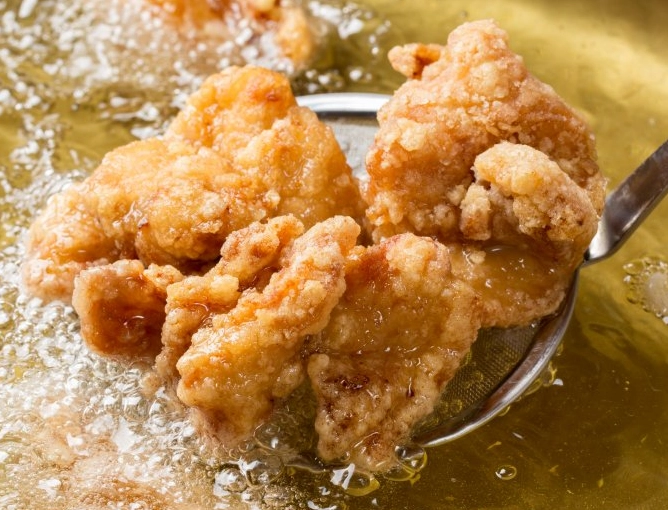
Your oil temperature will plummet the moment you add chicken—especially cold chicken straight from the fridge. To compensate, always preheat your oil to about 15-25°F above your target temperature. For bone-in thighs at 330°F, heat the oil to 350°F first. Add the chicken, and it will settle right into the perfect zone.
How to Measure and Maintain Perfect Oil Temp
Forget the wooden spoon test or flicking water. They're unreliable and dangerous. You need a tool.
Non-Negotiable Tool: The Deep-Fry or Candy Thermometer
This is the best $15 you'll spend for your kitchen. A clip-on thermometer with a clear, easy-to-read gauge lets you monitor the temperature constantly. Digital probe thermometers are even better for precision. Don't guess.
Setting Up Your Fry Station
Use a heavy-bottomed Dutch oven or a dedicated deep fryer. Fill it no more than halfway with oil. You need enough oil to submerge the chicken, but not so much that it boils over when you add food. For a typical 5-qt Dutch oven, 1.5 to 2 quarts of oil is plenty.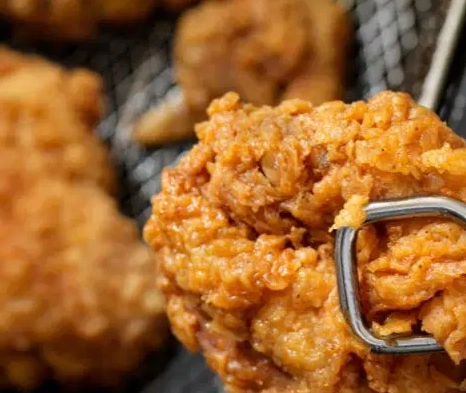
Here's the maintenance rhythm:
- Preheat oil to your "bumped" target (e.g., 350°F for thighs).
- Gently lower chicken pieces in a single layer. Don't crowd the pot. If you have to, fry in batches.
- The temp will drop. Wait for it to climb back to your true target temp (e.g., 330°F).
- Only now start your timer. Adjust the burner knob in tiny increments to hold that temperature.
- Remove chicken, let oil recover fully before the next batch.
Crowding is the enemy of temperature control. It's better to keep finished chicken warm on a rack in a 200°F oven than to ruin a batch with soggy oil.
Oil Selection and Safety: It's Not Just About Temp
The oil itself matters. You want a neutral-flavored oil with a high smoke point—the temperature at which it starts to break down and smoke.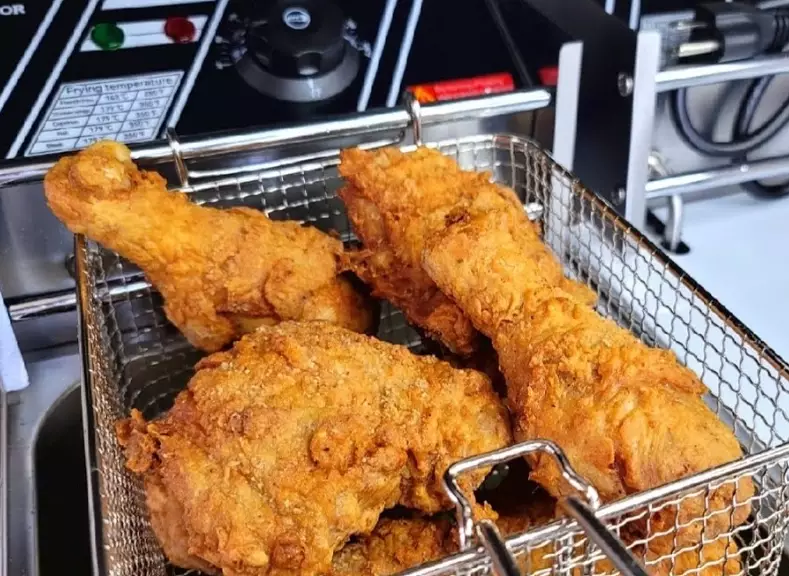
- Peanut Oil: The gold standard for many pros. High smoke point (~450°F/232°C), neutral flavor, and it imparts a subtle nuttiness many associate with great fried chicken.
- Vegetable/Canola Oil: Excellent, affordable all-rounders with smoke points around 400°F-450°F (204°C-232°C). Perfectly reliable.
- Avocado Oil (Refined): Very high smoke point (over 500°F/260°C), but expensive. Great if you're paranoid about overheating.
Avoid: Olive oil (extra virgin or not), butter, shortening by itself. Their smoke points are too low or flavors too strong.
Safety First: Never leave hot oil unattended. Keep a lid nearby to smother a potential fire (never use water!). Dry your chicken pieces thoroughly before frying to minimize violent splatters.
Troubleshooting: Is Your Chicken Greasy, Pale, or Burnt?
Let's diagnose common problems:
Problem: Soggy, oily coating.
Diagnosis: Oil temperature was too low. The chicken absorbed the oil instead of being sealed by steam.
Fix: Use a thermometer. Ensure oil is fully recovered to temp between batches. Don't overcrowd.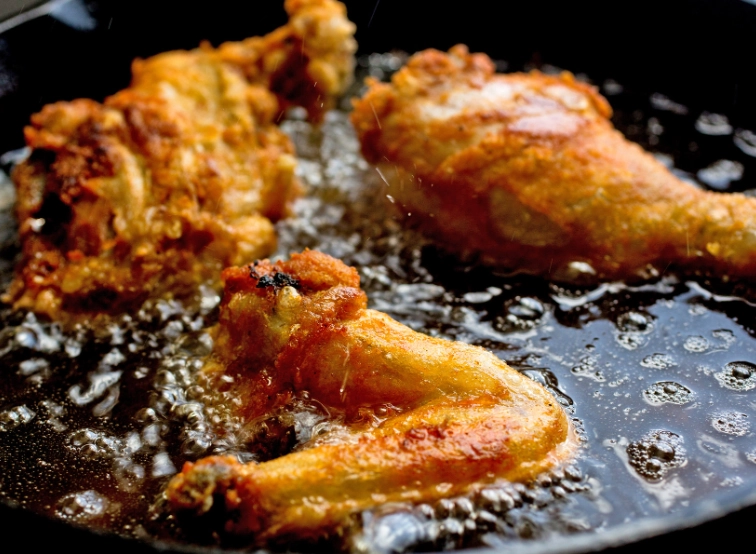
Problem: Dark brown/black crust, raw inside.
Diagnosis: Oil temperature was far too high.
Fix: Lower your target temp, especially for bone-in pieces. Consider "double-frying" wings—cook at 300°F until nearly done, rest, then crisp at 375°F.
Problem: Crust falls off.
Diagnosis: This is often a breading issue (not enough egg wash binder, or flour wasn't pressed on firmly), but wildly fluctuating oil temp can exacerbate it.
Fix: Pat chicken dry before breading. Press flour on firmly. Maintain steady oil temp to set the crust evenly.
Remember, carryover cooking is real. When you pull chicken out, its internal temp will rise 5-10 degrees. Pull it when a meat thermometer reads 155-160°F (68-71°C) in the thickest part, and let it rest on a wire rack (not paper towels, which steam the bottom) for 5-10 minutes. It'll hit the safe 165°F and be juicier.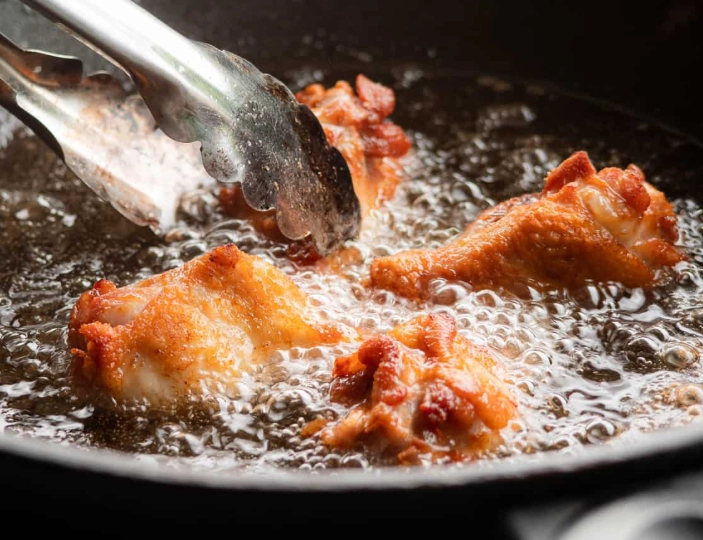
Your Burning Questions, Answered
Mastering oil temperature transforms fried chicken from a risky gamble into a reliable masterpiece. It's the difference between serving something you're proud of and making excuses for a greasy plate. Get the thermometer, respect the temperature ranges for your specific cut, and control the heat. Your next batch of fried chicken will thank you.
Related Articles