Perdue Harvestland Chicken Breast Review: Organic, No Antibiotics, & Taste Test
In This Article
- First Thing First: What Exactly Is Perdue Harvestland?
- Breaking Down the Big Promises: Are They Legit?
- The Real-World Test: Cooking & Eating Perdue Harvestland Chicken Breast
- Perdue Harvestland vs. The Competition: A Quick Comparison
- The Nutritional Angle: Is It Healthier?
- Where to Buy and How to Save Money
- Answering Your Questions (The Stuff You Actually Google)
- The Final Verdict: Who Should Buy It?
You've seen it in the cooler section. That distinctive green packaging with the promise of "organic" and "no antibiotics ever." It sits there next to the regular chicken, often with a price tag that makes you pause. Is Perdue Harvestland Chicken Breast just marketing hype, or is it genuinely a better choice for your dinner table? I've been buying it on and off for a few years now, through phases of strict budgeting and phases of wanting the "best" for my family. Let's just get into it.
This isn't going to be a dry list of specs. We're going to talk about what it actually tastes like, how it cooks up, whether the certifications matter, and if your money is well spent. Because at the end of the day, you're standing in the grocery store aisle trying to make a good decision. I get it.
First Thing First: What Exactly Is Perdue Harvestland?
Perdue Harvestland isn't just one product. It's a whole line from Perdue Farms that focuses on specific raising standards. Think of it as their premium tier. When you pick up a package of Perdue Harvestland Chicken Breast, you're buying into a specific set of promises about how the chicken was raised.
Now, Perdue is a big company. That sometimes makes people skeptical about their "premium" lines. Can a large-scale producer really do organic well? It's a fair question. From what I've dug into and tasted, the Harvestland line is their attempt to answer that.
I remember the first time I cooked it. The color was different. Less pale, more of a subtle pinkish hue. That was my first clue this wasn't the same as the commodity chicken I was used to.
Breaking Down the Big Promises: Are They Legit?
Let's not just take the label at face value. What do these terms actually mean for the chicken, and more importantly, for you?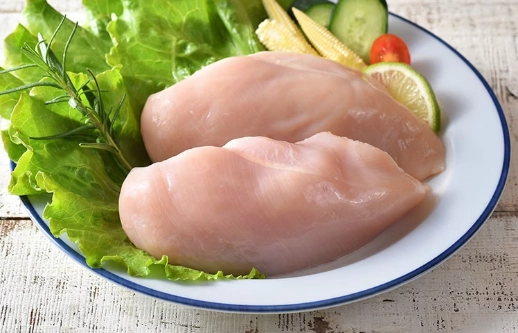
USDA Organic – More Than Just a Sticker
This is the big one. The USDA Organic seal is a regulated term. For poultry, it means the chickens were fed 100% certified organic feed (no GMOs, no synthetic pesticides), had access to the outdoors (the specifics on space are defined), and weren't given antibiotics or hormones from birth. The rules are publicly available on the USDA's National Organic Program website. I like linking to the source because it cuts through the noise.
For Perdue Harvestland chicken breast, this certification is their flagship. It's an audit trail from farm to package. Does it make the chicken taste wildly different? Not necessarily "wildly," but it contributes to the overall quality. The feed and living conditions impact the meat's composition and flavor profile.
"No Antibiotics Ever" – Why This Matters to Me
This one is personal. The overuse of antibiotics in animal agriculture is a genuine public health concern, linked to antibiotic-resistant bacteria. The "No Antibiotics Ever" (NAE) claim means exactly that—these chickens were never treated with antibiotics, not even in the egg. If a bird gets sick, it's treated and removed from the NAE program.
Perdue has been a leader in pushing this standard across their entire company, which I have to give them credit for. You can read about their commitment on their own corporate stewardship page. Choosing a Perdue Harvestland chicken breast is a vote for this farming practice. It's a tangible way to support reduced antibiotic use.
Vegetarian Diet & Animal Welfare
The chickens are fed an all-vegetarian diet. No animal by-products. This aligns with the organic standards and some people's ethical preferences. Perdue also touts animal welfare standards for Harvestland, including enrichments like perches and pecking blocks. It's not free-range in the idyllic small-farm sense, but it's a step above conventional confinement systems.
The Real-World Test: Cooking & Eating Perdue Harvestland Chicken Breast
Alright, enough background. Let's talk about what happens when you take it home. Because a chicken breast can have all the certifications in the world, but if it's tough, bland, or a pain to cook, what's the point?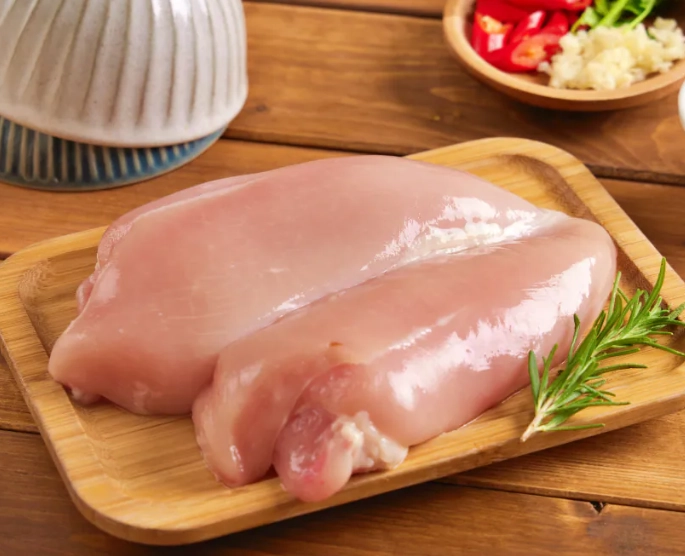
Taste and Texture – The Good and The Not-So-Good
The flavor is cleaner. That's the best word I can use. It doesn't have that sometimes faint, metallic or "off" taste I've occasionally noticed in cheaper chicken. It tastes like… chicken. A pronounced, savory, slightly richer chicken flavor. The texture is where it really shines, in my opinion. It's noticeably more tender and less stringy. It has a firmer bite that doesn't feel mushy.
But it's not perfect. I've found the size can be inconsistent. Sometimes you get these massive, plump breasts, and other times they're thinner. The thicker ones require careful cooking to avoid drying out the outside before the inside is done. A meat thermometer is your best friend here.
How It Cooks Up
Here's a surprising benefit: it releases less water. Ever put chicken in a pan only to have it swimming in white liquid halfway through? That's excess water and protein being forced out. With the Perdue Harvestland chicken breast, I see significantly less of that. The meat sears better, gets a nicer crust, and doesn't steam itself in its own juices as much.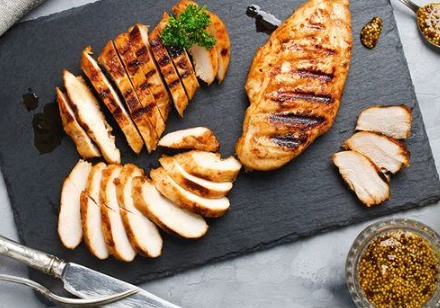
This makes it fantastic for:
- Grilling: Holds up well, gets great grill marks without sticking as badly.
- Pan-Searing: Achieves a beautiful golden-brown crust.
- Baking: Stays moist and doesn't shrink into a sad little puck.
- Meal Prep: The texture holds up better over 3-4 days in the fridge compared to some bargain brands that get rubbery.
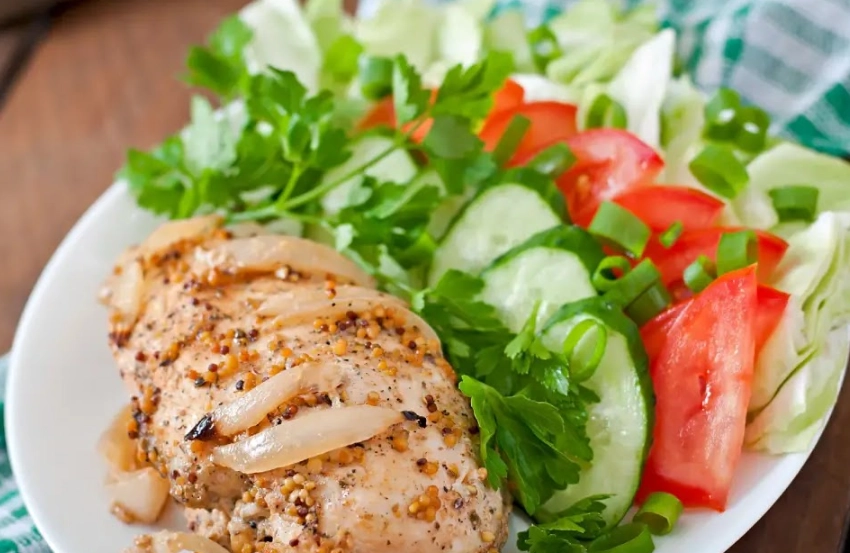
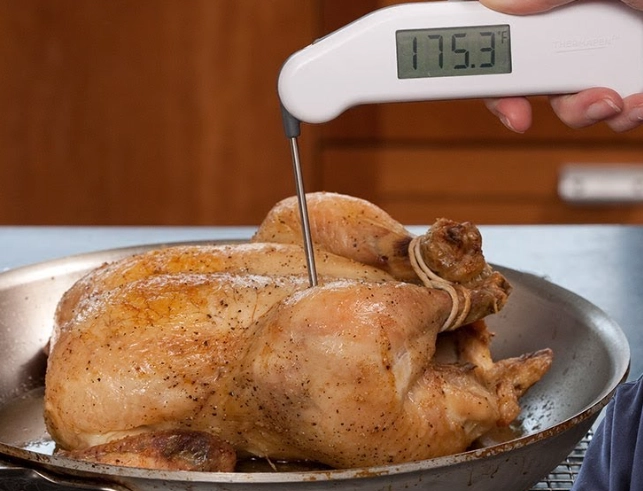
My go-to weeknight method? Pat the breast dry, season generously, sear in a hot cast-iron skillet for 5-6 minutes per side, then finish in a 400°F oven for another 5-10 minutes until it hits 165°F internally. Simple, reliable, and delicious.
Perdue Harvestland vs. The Competition: A Quick Comparison
It's not the only player in the premium chicken game. How does it stack up? This is where a table helps.
| Brand/Line | Key Claims | Price Point (Relative) | My Notes on Taste & Texture |
|---|---|---|---|
| Perdue Harvestland | USDA Organic, No Antibiotics Ever, Vegetarian Diet | Mid-High | Clean flavor, tender & firm texture, less water release. Consistent quality from a national brand. |
| Generic Store-Brand Organic | USDA Organic | Low-Mid | Hit or miss. Sometimes good, sometimes watery and bland. Lacks the consistent texture of Harvestland. |
| Bell & Evans (Air Chilled) | No Antibiotics Ever, Air-Chilled, Premium | High | Exceptional texture due to air-chilling. Flavor is superb. Often considered the gold standard, but you pay for it. |
| Tyson Organic | USDA Organic | Mid | A direct competitor to Perdue. Similar scale. I find Perdue Harvestland chicken breast often has a slight edge in flavor and leanness. |
| Local Butcher/Farm | Pasture-Raised, Local | Very High | Unbeatable flavor and ethics if you can find it. Texture can be quite different (often leaner, more muscular). Inconvenient and expensive for regular meals. |
So where does that leave Perdue Harvestland? It occupies a solid middle-ground. It's more accessible and consistent than hunting down a local farm, and in my experience, delivers better and more reliable results than most generic store organic brands. It's not as sublime as Bell & Evans, but it's also not as wallet-crushing.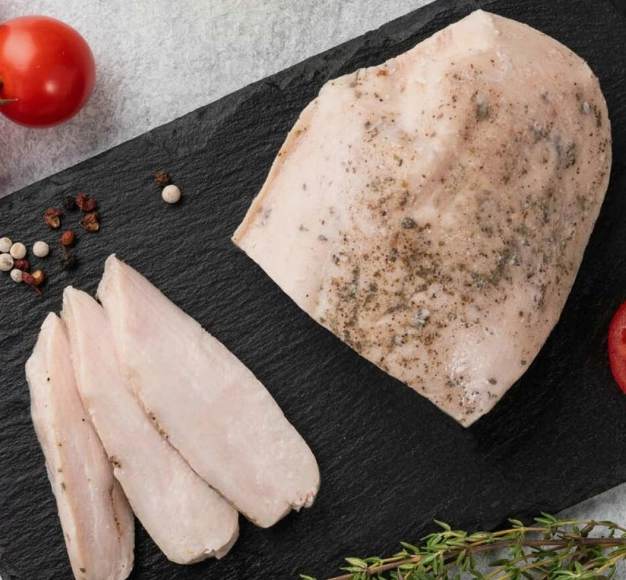
The Nutritional Angle: Is It Healthier?
Let's cut through the marketing. A chicken breast is a chicken breast. The core nutrition—high protein, low fat—is going to be similar. A 4-oz serving of cooked Perdue Harvestland chicken breast will give you roughly 25-30 grams of protein, just like any other un-breaded chicken breast.
The health benefits of choosing Harvestland are more indirect but, I'd argue, significant:
- No Antibiotic Residues: You are avoiding potential low-level exposure.
- No GMO Feed: The chickens were fed organic, non-GMO grains.
- Lower Risk of Pathogens: Some studies suggest organic/NEA farming practices can lead to lower rates of certain antibiotic-resistant bacteria, though this is an area of ongoing research. The CDC discusses the link between animal antibiotic use and human resistance.
- Peace of Mind: This is intangible but real. Knowing your food was produced with higher standards can be a form of nutritional wellness.
So, is it a "superfood"? No. It's chicken. But it's chicken produced in a way that aligns with a broader definition of health—one that includes environmental and public health considerations.
Where to Buy and How to Save Money
This is the practical part. Perdue Harvestland is widely available, which is a huge plus. I've seen it at:
- Walmart
- Target
- Kroger and its affiliates (Ralphs, Fred Meyer, etc.)
- Stop & Shop
- Most major regional supermarkets
The price. Yeah. It's usually $2-$4 more per package than conventional Perdue or store-brand chicken. Here's how I justify it sometimes, and how you can save:
- Buy in Family Packs: The large trays with 3-4 breasts are almost always cheaper per pound. Portion and freeze them at home.
- Watch for Sales & Digital Coupons: It goes on sale surprisingly often. Check your store's app. I've snagged it for just a dollar or so more than conventional.
- Consider It a Centerpiece: If you're stretching a budget, use one Harvestland breast to serve two people. Slice it thinly over a big salad or stir-fry with lots of veggies and rice. The better flavor means you need less to feel satisfied.
- Is It Worth It? For a special weekend meal or when I'm feeding guests, absolutely. For every single Tuesday night? Maybe not, depending on your budget. I mix it up.
Answering Your Questions (The Stuff You Actually Google)
The Final Verdict: Who Should Buy It?
Let's wrap this up. After all this tasting, reading, and cooking, here's my breakdown of who will get the most out of Perdue Harvestland Chicken Breast.
You should seriously consider Perdue Harvestland if:
- You are specifically seeking out USDA Organic and No Antibiotics Ever poultry and want a nationally available, consistent brand.
- You've been disappointed by the watery texture or bland flavor of some store-brand organic chicken.
- You appreciate a better sear and less shrinkage when cooking.
- The issue of antibiotic resistance in agriculture matters to you, and you want to support companies moving away from routine antibiotic use.
- You're willing to pay a moderate premium for a tangible upgrade in your everyday ingredients.
You might want to skip it if:
- Your grocery budget is extremely tight, and the price difference is a deal-breaker. Conventional chicken is still a healthy protein.
- You heavily season or sauce your chicken to the point where the underlying flavor is completely masked.
- You have access to and can afford truly local, pasture-raised chicken from a farmer you trust—that's often the ultimate choice.
- You only buy chicken for shredding into soups or casseroles where subtle texture differences get lost.
For me, it's a staple. Not an every-single-time staple, but a frequent flyer in my cart. The combination of verifiable standards, reliable cooking performance, and that cleaner taste makes it worth the extra couple of bucks more often than not. It makes a simple weeknight chicken dinner feel just a little bit more considered, a little bit better.
Next time you're in the meat aisle, you'll know exactly what you're looking at. And you can decide for yourself if that green package is calling your name.
Related Articles