Healthy Chicken and Vegetable Recipes: Easy Meals & Cooking Tips
Chicken and vegetables. It sounds simple, right? But if you've ever ended up with dry chicken or mushy veggies, you know there's more to it. I've been cooking this combo for over a decade, and let me tell you, the devil's in the details. This guide cuts through the noise to give you practical, no-nonsense advice for making healthy, flavorful meals that actually work on a busy Tuesday night.
What's Inside This Guide
Why Chicken and Vegetables Are a Perfect Match
Think about it. Chicken is versatile, affordable, and packed with protein. Vegetables add color, fiber, and nutrients. Together, they're a balanced meal that can fit almost any diet—low-carb, high-protein, you name it. But here's something most recipes don't mention: the texture contrast is key. A juicy chicken breast with crisp-tender broccoli feels satisfying in a way that soggy mixes don't.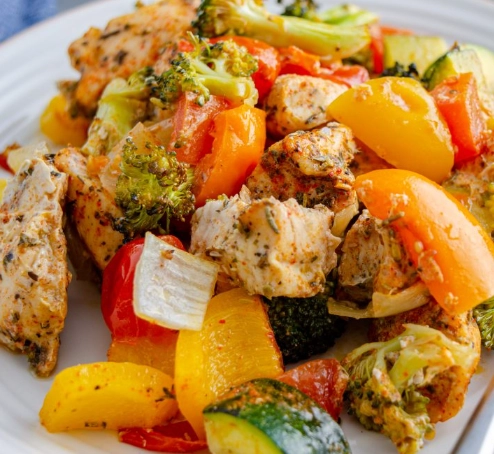
I learned this the hard way. Early on, I'd throw everything in a pan at once, and dinner was a bland, overcooked mess. Now, I time things carefully. Start the chicken first, let it rest, then sauté the veggies. That resting step? Crucial. It lets the juices redistribute, so you don't lose all that flavor when you slice into it.
Nutritional Benefits You Might Not Know
Sure, chicken and vegetables are healthy, but the synergy is underrated. For example, pairing chicken with leafy greens like spinach enhances iron absorption, thanks to the vitamin C in veggies. The USDA notes that chicken breast is a lean protein source, but using thighs with skin adds healthy fats that keep you fuller longer. Don't fear the fat—it helps absorb fat-soluble vitamins from vegetables like carrots and bell peppers.
How to Choose the Best Chicken and Vegetables
Picking ingredients isn't just about freshness; it's about matching cuts and types to your cooking method. I see so many people grab boneless, skinless breasts for everything, but that's a mistake for dishes like stews.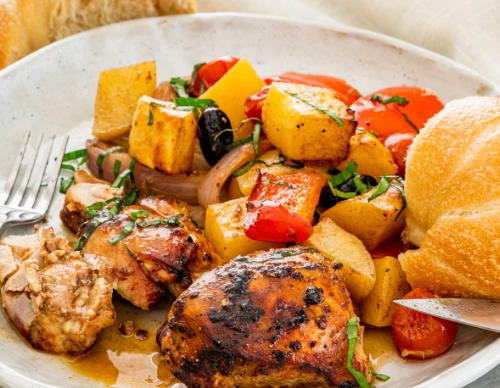
A Quick Guide to Chicken Cuts
Here's a breakdown based on my experience:
| Cut | Best For | Cooking Time | Flavor Notes |
|---|---|---|---|
| Breast (boneless) | Stir-fries, grilling | 6-8 minutes | Lean, but can dry out fast |
| Thighs (bone-in) | Roasting, braising | 25-30 minutes | Juicy, more forgiving |
| Drumsticks | Baking, slow-cooking | 35-40 minutes | Great for families, holds seasoning well |
| Whole chicken | Meal prep, soups | 1+ hours | Economical, use bones for stock |
For vegetables, seasonality matters. In summer, I go for zucchini and tomatoes; in winter, root vegetables like sweet potatoes shine. A tip from local farmers: buy veggies with stems attached—they last longer. And if you're on a budget, frozen vegetables are a lifesaver. They're flash-frozen at peak ripeness, so nutrition isn't compromised. I always keep a bag of frozen peas or mixed veggies for quick fixes.
5 Must-Try Chicken and Vegetable Recipes
These aren't your average recipes. I've tweaked them over years to avoid common pitfalls. Each serves 4 and takes under 45 minutes, perfect for weeknights.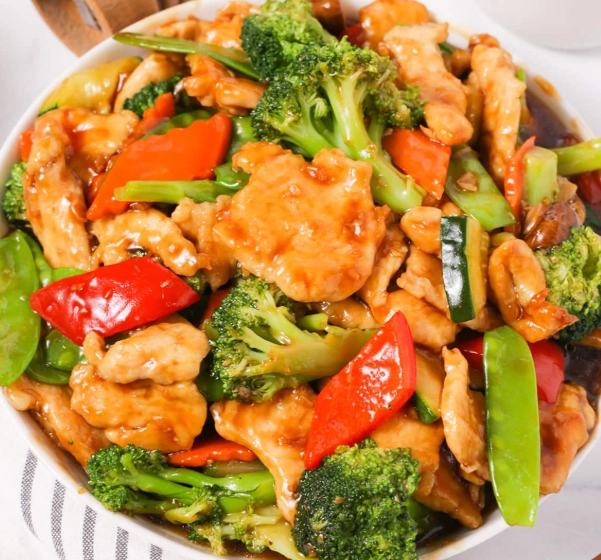
Pro tip: Always preheat your pan. A cold start leads to steamed, not seared, food. And salt your chicken at least 15 minutes before cooking—it makes a world of difference in tenderness.
1. One-Pan Lemon Herb Chicken with Asparagus
This is my go-to for busy nights. You'll need: 4 chicken thighs, 1 bunch asparagus, 2 lemons, olive oil, garlic, and herbs like thyme. Preheat oven to 400°F (200°C). Season chicken with salt and pepper, sear skin-side down in an oven-safe pan for 5 minutes. Add trimmed asparagus and lemon slices around it. Roast for 20 minutes. The asparagus gets crispy edges while soaking up chicken juices. Simple, but the layering of flavors is chef-level.
2. Spicy Chicken and Bell Pepper Stir-Fry
Most stir-fry recipes tell you to cook everything together. Wrong. Cook chicken first, remove it, then stir-fry sliced bell peppers, onions, and snap peas on high heat for 3-4 minutes. Add back the chicken with a sauce of soy sauce, ginger, and a dash of honey. The veggies stay crisp, and the chicken doesn't overcook. Serve over rice or cauliflower rice for a low-carb option.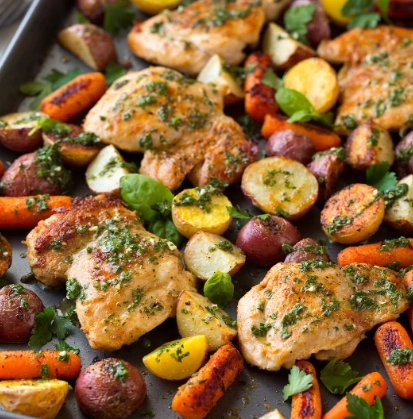
3. Mediterranean Chicken Sheet Pan with Zucchini and Tomatoes
Chop chicken breast into chunks, toss with zucchini, cherry tomatoes, red onion, olives, and feta. Drizzle with olive oil and oregano. Bake at 425°F (220°C) for 18-20 minutes. The tomatoes burst, creating a built-in sauce. It's colorful, healthy, and cleanup is a breeze.
4. Creamy Chicken and Broccoli Skillet
Use chicken thighs for this—they hold up better in creamy sauces. Brown the chicken, set aside. Sauté broccoli florets until bright green, then add a sauce of Greek yogurt, chicken broth, and a sprinkle of Parmesan. Simmer for 10 minutes. The yogurt adds tang without heaviness. Many recipes use heavy cream, but yogurt is lighter and packs protein.
5. Asian-Inspired Chicken and Vegetable Soup
Perfect for meal prep. Simmer chicken drumsticks in broth with ginger and garlic for 30 minutes. Remove, shred the meat, and add back with bok choy, mushrooms, and carrots. Cook another 10 minutes. The drumsticks give a richer broth than breast meat. I make a big batch and freeze portions.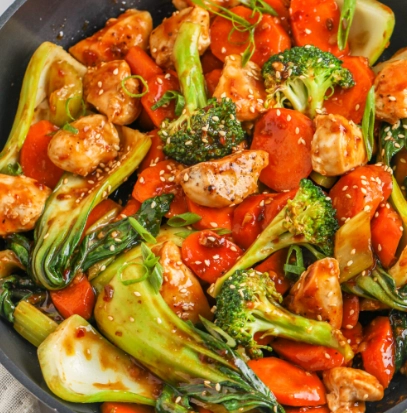
Common Mistakes When Cooking Chicken and Vegetables
I've made these errors so you don't have to. Let's break them down.
Overcrowding the pan. This is the number one reason for soggy vegetables. If you pile everything in, the temperature drops, and food steams instead of browns. Cook in batches if needed. Your pan should have space between pieces.
Not seasoning vegetables enough. Chicken gets all the love, but veggies need salt too. Salt them before cooking to draw out moisture and enhance flavor. A pinch of salt on broccoli before roasting transforms it.
Using the wrong oil for high heat. Olive oil has a low smoke point. For stir-frying or searing, use avocado or grapeseed oil. I learned this after setting off my smoke alarm too many times.
Skipping the rest time for chicken. When you cook chicken, let it rest for 5-10 minutes before cutting. This keeps it juicy. I used to slice right away, and all the juices would run out, leaving dry meat.
Meal Prep with Chicken and Vegetables: Save Time and Eat Healthy
Meal prep isn't about eating the same thing every day. It's about having components ready. Here's my system, honed from years of trial and error.
On Sundays, I roast two trays: one with chicken thighs (seasoned simply with salt, pepper, and paprika) and another with a mix of vegetables like sweet potatoes, Brussels sprouts, and bell peppers. I store them separately in airtight containers. During the week, I mix and match. For lunch, I might toss some chicken and veggies with quinoa and a lemon vinaigrette. For dinner, I could sauté them with garlic for a quick skillet.
Another trick: pre-cut vegetables. I buy whole carrots and chop them myself—pre-cut ones often lose freshness faster. Store them in water in the fridge to keep them crisp. For chicken, I portion it before cooking. That way, I only cook what I need, reducing waste.
Cost-wise, buying whole chickens and breaking them down saves money. Use the bones to make stock, then freeze it for soups. According to a report by the USDA Economic Research Service, whole chickens are more economical per pound than pre-cut parts.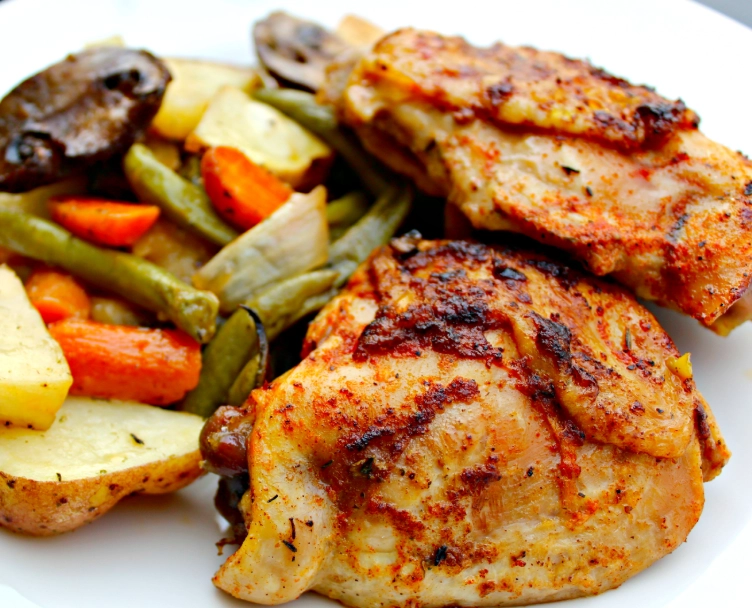
Your Questions Answered (FAQ)
Chicken and vegetables might seem basic, but mastering them opens up a world of healthy, delicious meals. Start with one recipe, pay attention to timing, and don't be afraid to experiment. Remember, cooking is as much about practice as it is about recipes. Happy cooking!
Related Articles