Skinless Boneless Chicken Thigh Calories: Nutrition & Cooking Guide
If you're tracking macros, managing your weight, or just trying to eat better, knowing the exact calories in skinless boneless chicken thighs is a game-changer. It's more than just a number on a package. That figure is the key to building satisfying, high-protein meals that don't derail your goals. I've spent years meal prepping with chicken thighs, and the biggest mistake I see people make is treating all chicken cuts the same. Thighs are different—in a good way. Let's cut through the noise and get the precise data you need.
What's Inside?
The Exact Calorie Count & Full Nutrition Breakdown
Here's the core data from the USDA's FoodData Central, the gold standard for nutrition information. We're talking about raw, skinless, boneless chicken thigh meat.
| Nutrient | Per 100g (3.5 oz) | Per 4 oz (113g) Serving |
|---|---|---|
| Calories | 179 kcal | 202 kcal |
| Protein | 20.3g | 22.9g |
| Total Fat | 10.9g | 12.3g |
| Saturated Fat | 3.0g | 3.4g |
| Carbohydrates | 0g | 0g |
| Iron | 0.9mg (5% DV) | 1.0mg (6% DV) |
| Zinc | 1.9mg (17% DV) | 2.1mg (19% DV) |
A typical serving you'd cook for one meal is about 4 to 6 ounces. So, a 4-ounce portion lands around 200 calories, and a 6-ounce piece is roughly 300 calories. That's the raw weight. The protein content is what makes this cut shine—nearly 23 grams in a 4-ounce serving. It's a complete protein, meaning it has all the essential amino acids your body needs to repair and build muscle.
The Fat Reality: Yes, thighs have more fat than breasts (about 11g per 100g vs. 1.5g). But here's the non-consensus part: about half of that fat is monounsaturated—the same heart-healthy type found in olive oil. This fat is why thighs stay juicy and flavorful even if you slightly overcook them, a margin of error breasts don't offer.
What Actually Changes the Calorie Count?
The number 202 calories for 4 ounces isn't set in stone. A few things can nudge it up or down.
1. The Trim: Visible Fat Matters
Two packages of "skinless, boneless" thighs can look different. One might be meticulously trimmed of all external fat. Another might have thick, white fat seams still attached. That extra fat is pure calories (9 calories per gram). If you don't trim it off yourself, your actual calorie intake will be higher than the database average. I always take an extra minute with my kitchen shears to remove obvious fat caps—it's an easy way to save 30-50 calories per serving without sacrificing flavor.
2. The Source: Grain-Fed vs. Pasture-Raised
This causes minor variation. Some studies, like those referenced by the Journal of Animal Science, suggest pasture-raised poultry can have a slightly different fatty acid profile, potentially with more omega-3s. The total calorie difference is negligible for everyday tracking, but the nutrient density might be a tick higher. Don't stress over this if your budget only allows for conventional thighs; the protein and core benefits are identical.
The biggest variable isn't the chicken itself—it's everything you add during cooking. A tablespoon of oil adds about 120 calories. A sugary marinade can add another 50-100. This is where most people's calculations go wrong. They log "200 calories for chicken" but forget the 250 calories from oil, butter, and sauce.
How Cooking Methods Change Calories (A Practical Guide)
This is the most useful part. Cooking changes weight and calorie density. Here’s how to think about it for three common methods.
Grilling or Baking (Dry Heat): Moisture evaporates. A 4-ounce raw thigh might weigh only 3 ounces after cooking. The calories don't vanish—they're just concentrated in less mass. That cooked 3-ounce piece still contains roughly the same 200 calories from the raw 4 ounces. Always track using raw weight for accuracy. It's simpler.
Pan-Frying or Sautéing: This is the trickiest. You're adding significant calories from cooking fat. If you use a tablespoon of olive oil (120 calories) to cook two thighs, you need to divide that oil between them. My method: I measure the oil first, cook, and assume half the oil is absorbed. So, each thigh gets an extra 60 calories from the oil.
Slow-Cooking or Braising: The meat retains most of its moisture and weight. The calorie count per cooked ounce is closer to the raw count. However, if you're making a stew with the cooking liquid (which contains rendered fat), you're consuming all those calories. If you discard the liquid, you're discarding some of the fat and calories.
I default to baking on a rack. It lets fat drip away, requires minimal added oil (just a quick spray), and is almost foolproof. The texture is consistently good.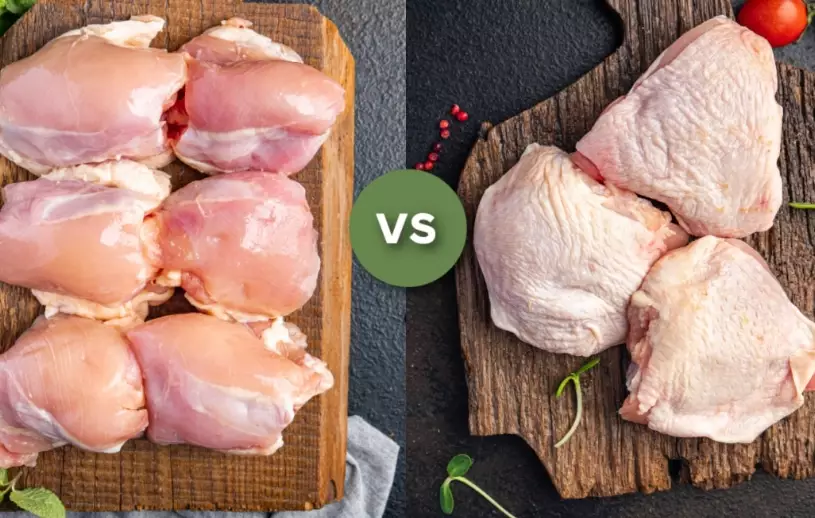
Using Chicken Thighs in Your Diet Plan: Weight Loss vs. Muscle Gain
Can you eat chicken thighs and lose weight? Absolutely. It's about the math and satisfaction.
For Weight Loss: The higher fat content means more calories per gram compared to breast. The trade-off is flavor and satiety. A 200-calorie thigh meal with veggies will keep you fuller longer than a 120-calorie breast meal that tastes like cardboard, potentially preventing a snack binge later. The key is portion control. Stick to a single 4-5 ounce raw thigh per meal. Pair it with a huge volume of non-starchy vegetables (broccoli, peppers, spinach) and a modest portion of a complex carb like quinoa or sweet potato. That creates a balanced, high-volume plate under 500 calories.
For Muscle Gain or Maintenance: Thighs are efficient. You get a calorie surplus from nutritious food, not just junk. The extra fat supports hormone production. A typical bulking meal for me might be two 6-ounce thighs (600 calories, 46g protein), a cup of rice, and roasted vegetables. It's a massive, nutrient-dense meal that's easy to get down.
The real magic of thighs is meal prep. Their forgiving nature means a batch cooked on Sunday will still be moist on Thursday. Bake a sheet pan of 8-10 thighs, each seasoned differently (try lemon-pepper, smoked paprika, garlic-herb). Now you have versatile protein for salads, grain bowls, wraps, or just reheated with a side for 4-5 days.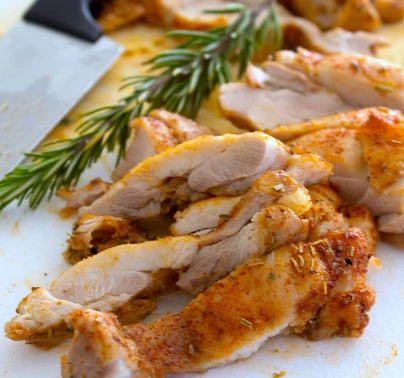
Your Chicken Thigh Calorie Questions Answered
If I pan-fry my skinless boneless chicken thigh, how much do the calories really increase?
It depends entirely on how much oil you use and how much stays on the chicken. A common mistake is pouring oil straight from the bottle. Measure it. One tablespoon (14g) of most cooking oils is about 120 calories. If you use one tablespoon to cook two thighs and some ends up left in the pan, a safe estimate is adding 40-60 extra calories per thigh. For a more accurate count, weigh the oil before and after cooking, but that's overkill for most. The simpler fix: use a quality non-stick pan and a 1-second spray of oil (roughly 5-10 calories).
Are the calories in skinless boneless chicken thighs too high for a keto or low-carb diet?
They're perfect for it. Keto focuses on high fat, moderate protein, and very low carbs. Chicken thighs fit the macro profile naturally. The fat content helps you reach your daily fat intake goal, and with zero carbs, they won't affect ketosis. Just be mindful of protein—excessive protein can be converted to glucose in some people. For a standard keto diet, a 4-6 ounce serving fits seamlessly. They're a staple in my keto meal plans because they're more satisfying than leaner cuts.
How do calories in skinless boneless chicken thighs compare to other common cuts?
Let's put it in perspective for a 4-ounce raw serving. Skinless boneless chicken breast: about 120-130 calories and 26g protein. It's the leanest. Skinless boneless chicken thigh: about 200 calories and 23g protein. It has more fat and flavor. Chicken drumstick (with skin, bone-in): about 170 calories, but you're only getting about 2 ounces of actual meat. Thighs offer a middle ground—more protein and satisfaction than a drumstick, more flavor and moisture than a breast, at a reasonable calorie cost. For everyday eating, I find the thigh's balance unbeatable.
Is the calorie difference between raw and cooked chicken thighs significant for tracking?
It's the most important tracking principle to get right. The weight changes, the nutrients don't. A 4-ounce raw thigh loses water weight and becomes a 3-ounce cooked thigh. If you log "3 oz of cooked chicken thigh" from a database, you might log 150 calories, but you actually ate the 200 calories from the original 4 oz raw piece. You've undercounted by 50 calories. Do this with multiple foods, and your deficit vanishes. Always weigh and log your meat raw. If you must log cooked, use entries specifically labeled "cooked" and know the raw weight you started with. My rule: weigh raw, track raw. It removes all guesswork.
Related Articles