Is Chicken Breast Dark Meat? The Definitive Guide
Let's cut straight to the chase. No, chicken breast is not dark meat. It is the textbook definition of white meat. If you're here because a recipe confused you or a dinner table debate got heated, you can relax. The answer is clear. But if you stop there, you're missing the whole story—and probably ruining a lot of chicken dinners.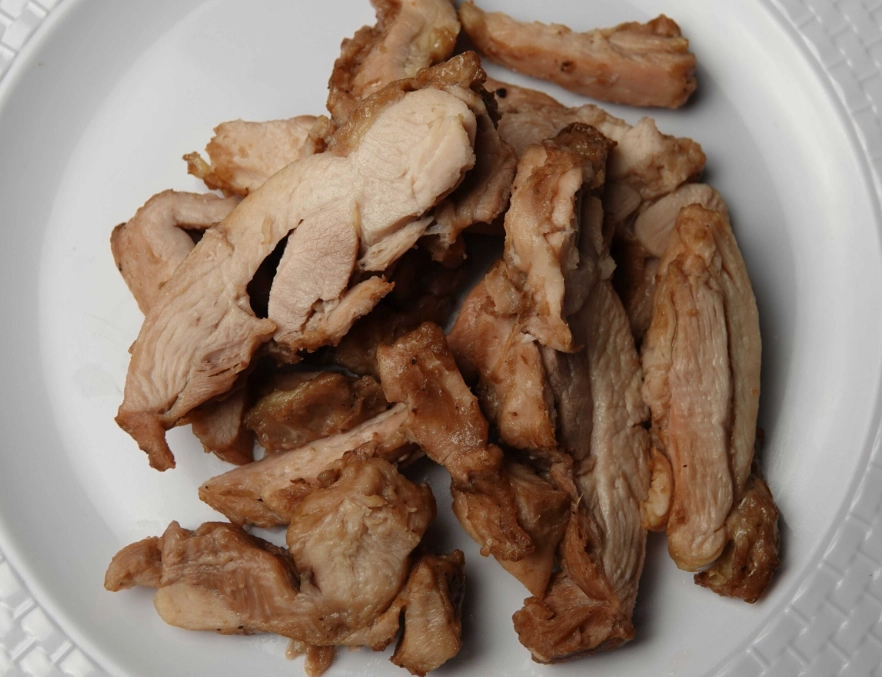
Knowing the label is one thing. Understanding the why behind it is what separates a decent cook from a great one. It explains why your grilled chicken breast turns to cardboard while the thighs stay juicy, why nutrition labels differ, and how to actually use this knowledge in your kitchen. I've been cooking professionally for over a decade, and I've seen more chicken breasts murdered by good intentions than any other cut. The culprit? Almost always a misunderstanding of its fundamental nature as white meat.
What You'll Learn in This Guide
The Real Reason Chicken Breast is White Meat (It's Not Just Color)
Most people think dark meat is darker because of blood. That's wrong. The color comes from a protein called myoglobin. Think of myoglobin as oxygen storage for muscles. Muscles that are used constantly—like the legs and thighs of a chicken that's walking around all day—need a ready oxygen supply, so they're packed with myoglobin, which has a dark red pigment.
The chicken breast, however, powers the wings. A domestic chicken doesn't do much sustained flying. Those breast muscles are used for short, infrequent bursts. They don't need the same oxygen reserves, so they contain much less myoglobin. Less myoglobin means a lighter color, hence "white meat."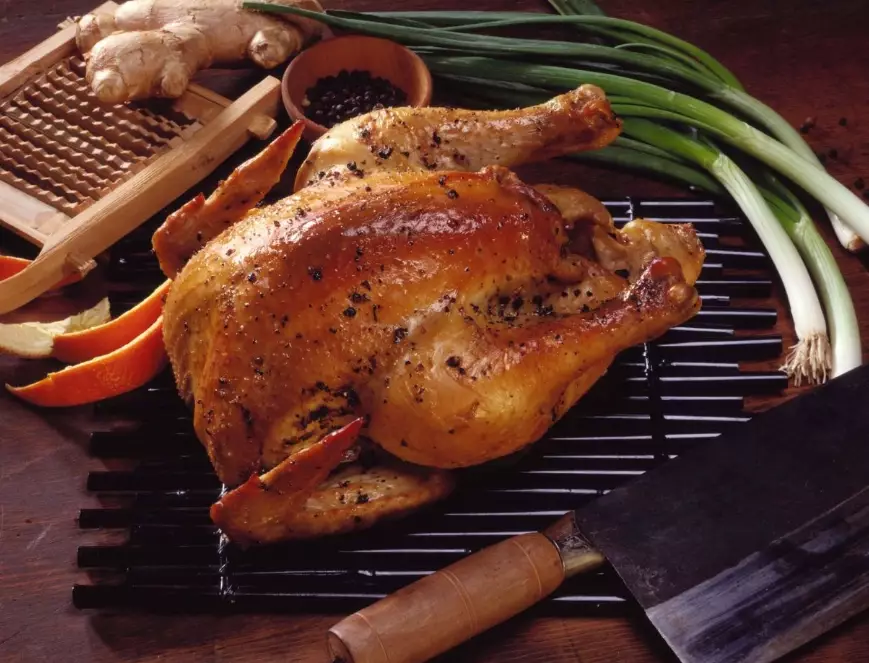
This biological difference dictates everything:
- Fat Content: Dark meat has more intramuscular fat. It's woven through the muscle fibers, acting as a built-in basting system. White meat is leaner, with fat mostly around the edges.
- Connective Tissue: Hard-working dark meat has more collagen. When cooked slow and low, this collagen melts into gelatin, creating incredible richness and mouthfeel. White meat has very little.
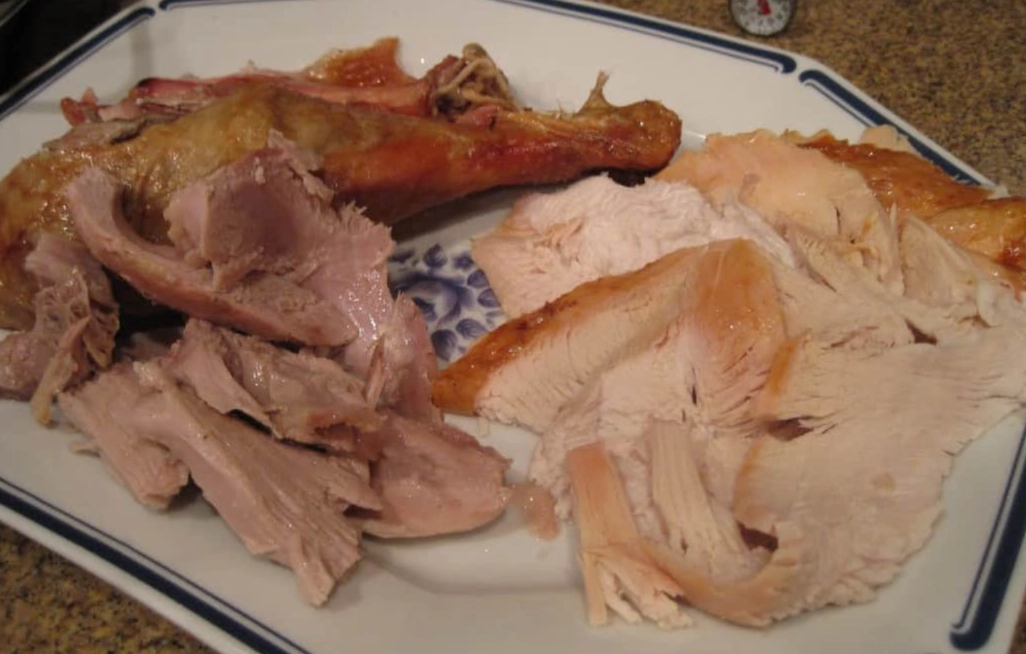
- Flavor & Moisture: The extra fat and myoglobin in dark meat give it a richer, more savory flavor (that "chickenier" taste) and a juicier texture inherently. White meat is milder and leaner.
Why This Matters for Your Cooking (The Big Difference)
Here’s where theory meets your frying pan. Treating white and dark meat the same is the most common mistake in home cooking. They have different optimal cooking temperatures and methods.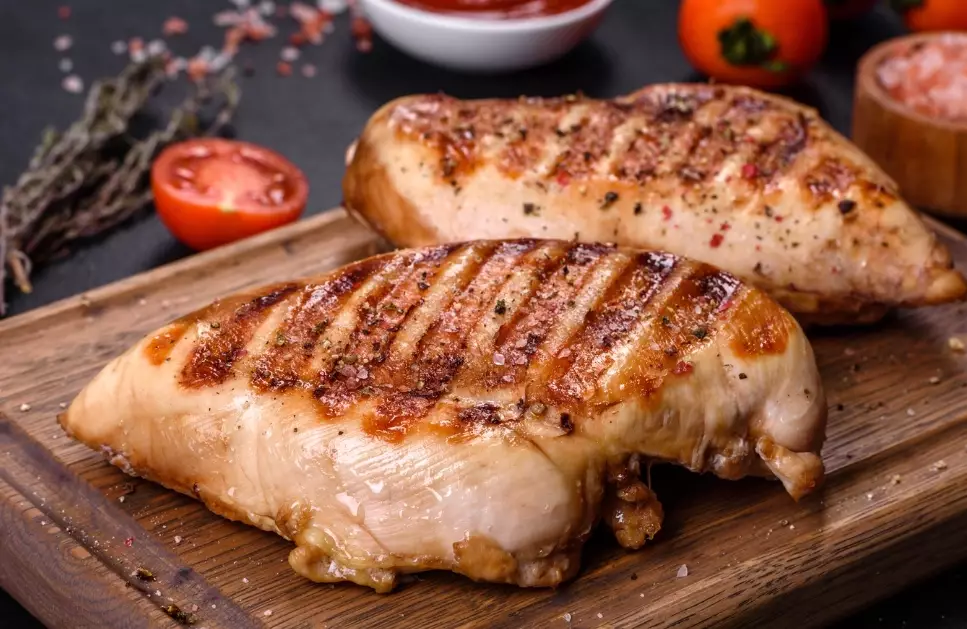
| Characteristic | Chicken Breast (White Meat) | Chicken Thigh/Leg (Dark Meat) |
|---|---|---|
| Target Internal Temp | 155-160°F (68-71°C). Carryover heat will bring it to 165°F. Going to 165°F in the pan often leads to dryness. | 175-185°F (79-85°C). This higher temp is needed to render fat and break down connective tissue for tenderness. |
| Best Cooking Methods | Fast, high-heat: Grilling, pan-searing, sautéing, baking at high temp. Cook to precise doneness. | Forgiving, versatile: Braising, stewing, slow-roasting, grilling. Thrives on longer, slower cooking. |
| Texture When Perfect | Tender, moist, slightly firm, easy to slice. | Juicy, rich, fall-apart tender, succulent. |
| Flavor Profile | Mild, clean. Acts as a canvas for sauces, marinades, and spices. | Inherently richer, more savory. Can stand up to bold flavors. |
| Common Pitfall | Overcooking. Becomes dry, stringy, and chalky in minutes. | Undercooking. Can be rubbery if not cooked enough to break down tissue. |
See the problem? If you throw thighs on the grill and pull them at 165°F because that's the "safe" temp you know, they'll be tough and chewy. If you simmer breast meat in a stew for an hour, it'll disintegrate into dry fibers. They are different ingredients.
The Forgotten Factor: Carryover Cooking
This is the secret no one talks about enough. When you take meat off the heat, its internal temperature continues to rise for several minutes—this is "carryover cooking." For a dense, lean chicken breast, this rise can be 5-10°F. So if you pull it at 165°F, it might hit 175°F internally, which is the dryness zone. Pull it at 155°F, let it rest covered for 5-10 minutes, and it'll coast perfectly to a safe and juicy 165°F. I learned this the hard way after serving one too many dry chicken dinners.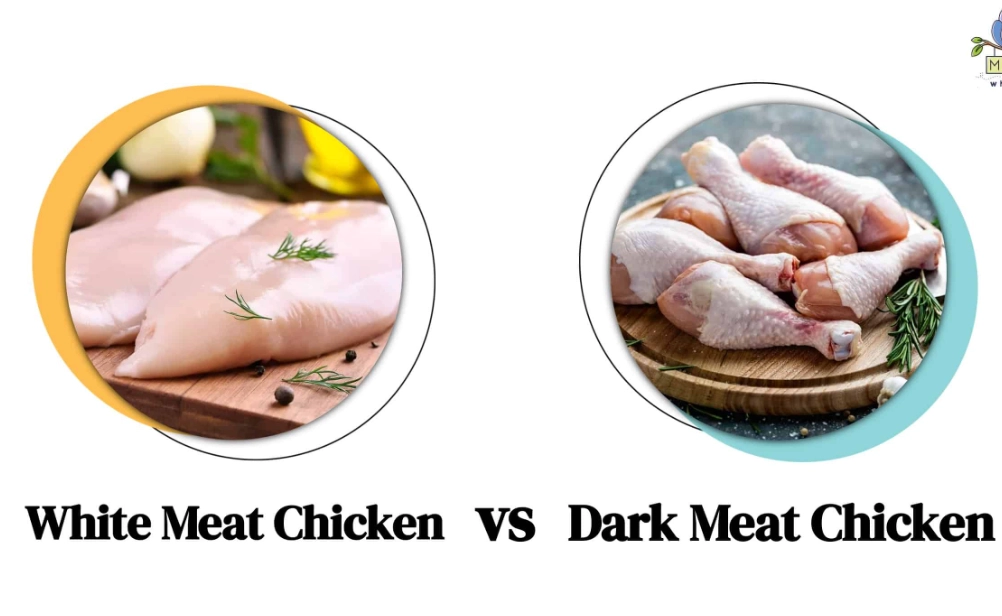
How to Cook Chicken Breast Perfectly Every Time
Given its tendency to dry out, chicken breast needs a strategy. Here’s mine, honed from years of trial and error.
1. Brine or Dry-Brine (Non-Negotiable): Soaking breasts in a 5% saltwater solution (1/4 cup kosher salt per quart of water) for 30-60 minutes, or simply salting them heavily an hour before cooking, changes the game. The salt helps the muscle proteins retain more moisture during cooking. It’s like installing a moisture shield.
2. Pound to Even Thickness: Chicken breasts are almost always lopsided. Place them between plastic wrap and gently pound the thicker end until the whole piece is an even 3/4-inch thick. This ensures everything cooks at the same rate. No more raw thick end and overcooked thin end.
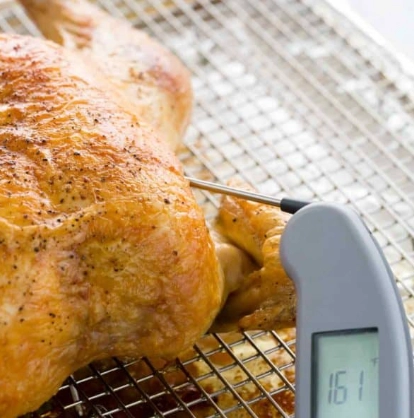
3. Use High Heat and a Thermometer: Pat the breast dry (critical for a good sear). Heat oil in a heavy skillet until it shimmers. Add the breast. Cook 5-7 minutes per side, but trust the thermometer, not the clock. Insert an instant-read thermometer into the thickest part. The moment it hits 155°F, take it off the heat.
4. Rest, Then Slice: Transfer to a plate, tent loosely with foil, and walk away for 10 full minutes. This lets the juices redistribute. Slice against the grain for the most tender bite.
For baking, I swear by a 450°F oven. High heat sets the exterior quickly, sealing in juices. Again, thermometer is king.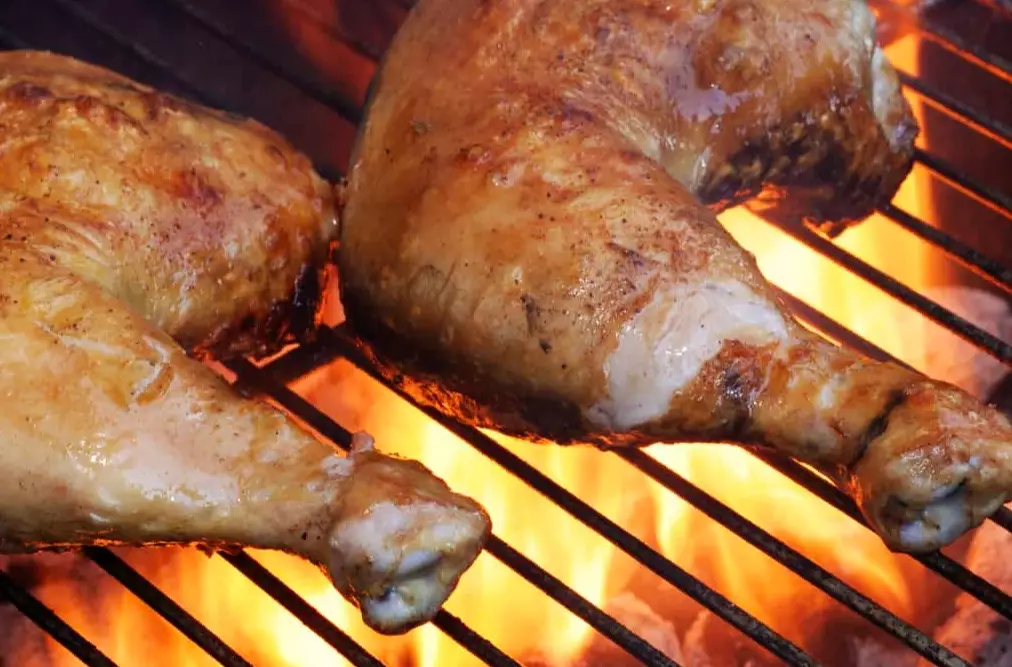
Common Myths and Misconceptions Debunked
Myth 1: "The pink liquid near the bone is blood, meaning it's undercooked." Nope. That's myoglobin mixed with water. In well-cooked dark meat, especially near the bone, it can still be reddish-pink. It's safe if the meat has reached 165°F. The USDA confirms this.
Myth 2: "Dark meat is unhealthy." This outdated idea needs to die. Yes, dark meat has more fat and calories, but we're talking about a difference of maybe 30-40 calories and 2-3 grams of fat per 3-ounce serving. It's not junk food. The extra fat brings more iron, zinc, and B vitamins. For most people, it's a nutritious and satisfying choice.
Myth 3: "You can't substitute breast for thigh in a recipe (or vice versa)." You can, but you must adjust the method. Swapping breast for thigh in a curry? Add the breast pieces in the last 10-15 minutes of cooking, not at the beginning. Using thighs in a stir-fry meant for breast? Cut them smaller and cook them a bit longer to ensure they're done. Think about the muscle, not just the name.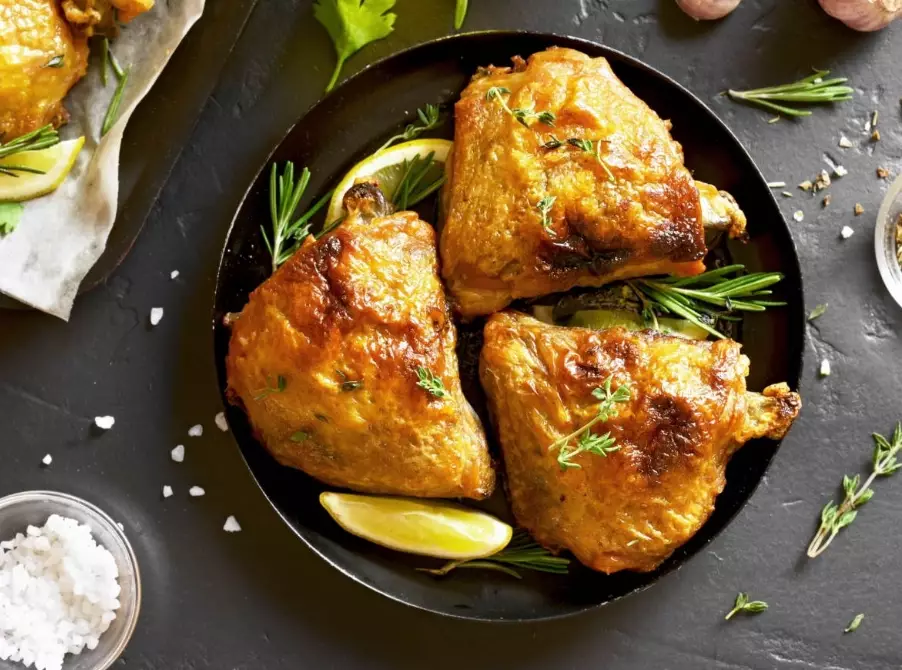
Your Top Chicken Questions Answered
 Is it worth paying more for "air-chilled" chicken breast?
So, chicken breast is firmly in the white meat category. But that simple fact unlocks a deeper understanding of how to buy, prepare, and cook all parts of the chicken with respect. Stop fighting their nature. Embrace the lean precision of the breast and the forgiving richness of the thigh. Your dinners will thank you.
Related Articles