Chicken Leg Quarters Nutrition: Are They Healthy & How to Cook Them?
Let's be real. Chicken leg quarters are the unsung heroes of the meat aisle. They're cheap, flavorful, and satisfying in a way a chicken breast sometimes isn't. But then that little voice in your head asks: "What about the nutrition? Isn't it all fat and calories?" I used to think the same thing, until I started digging into the actual data and, more importantly, cooking them week after week for my family.
Here's the thing. Understanding chicken leg quarter nutrition isn't just about reading a label. It's about seeing the whole picture—the protein that keeps you full, the vitamins that support your body, and the cooking methods that make all the difference between a greasy mess and a juicy, healthy centerpiece.
What You'll Find in This Guide
What's in a Chicken Leg Quarter? A Detailed Nutrition Breakdown
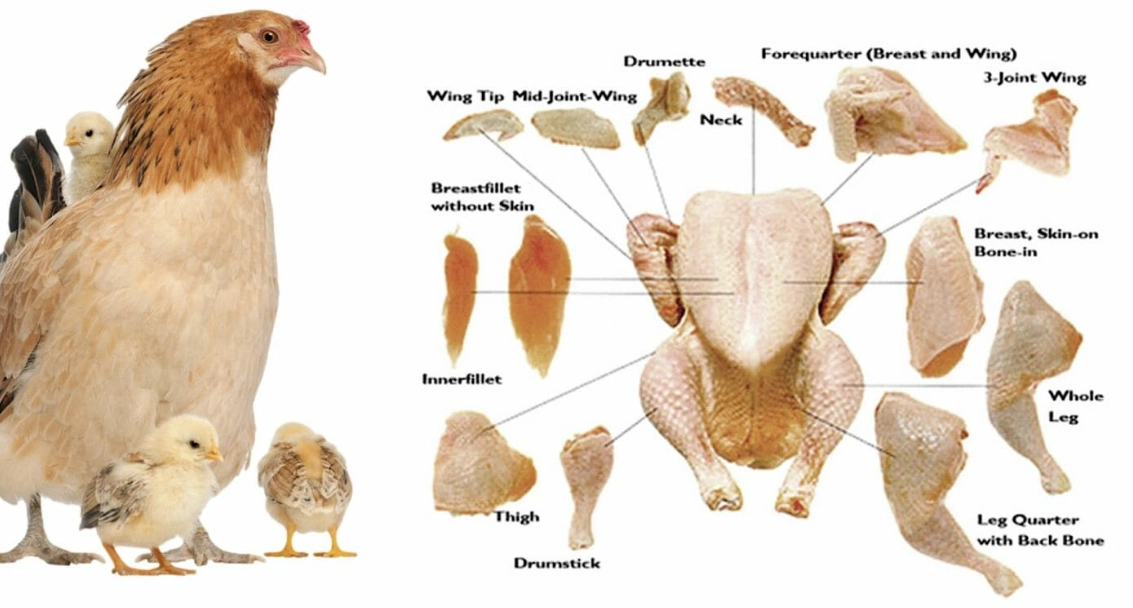
A "leg quarter" is exactly what it sounds like: the whole leg of the chicken, comprising both the thigh and the drumstick, usually with a portion of the back attached. This cut is a powerhouse of mixed textures and nutrients. The numbers below are for one raw, skin-on chicken leg quarter (approx. 8.5 oz or 240g), based on data from the USDA FoodData Central, the gold standard for food composition.
| Nutrient | Amount (Skin-On, Raw) | % Daily Value (DV)* |
|---|---|---|
| Calories | ~340 kcal | 17% |
| Protein | ~25g | 50% |
| Total Fat | ~25g | 32% |
| Saturated Fat | ~7g | 35% |
| Iron | ~1.5mg | 8% |
| Zinc | ~2.5mg | 23% |
| Selenium | ~22 mcg | 40% |
| Vitamin B12 | ~0.4 mcg | 17% |
| Niacin (B3) | ~6.5 mg | 41% |
*Percent Daily Values are based on a 2,000 calorie diet and are rough estimates.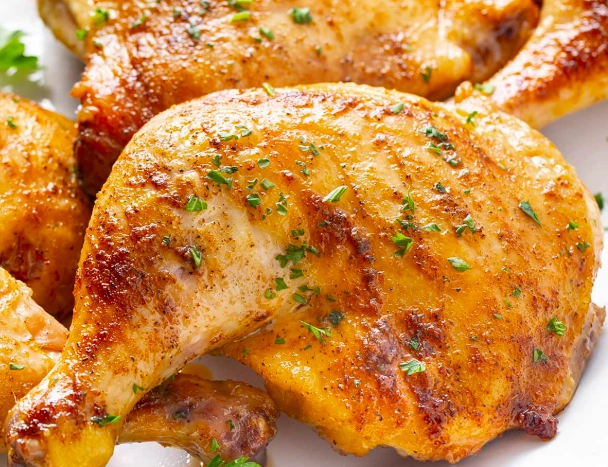
The first reaction is often about the fat. Yes, there's more fat than in a breast. But look at that protein column—25 grams. That's a serious amount, enough to trigger significant muscle repair and keep hunger at bay for hours. The micronutrient profile is where dark meat shines. It's notably richer in iron and zinc compared to white meat, minerals crucial for immune function and energy metabolism.
Are Chicken Leg Quarters Actually Good for You?
This is the million-dollar question. The diet culture of the 90s villainized dark meat chicken. But nutrition science has evolved. Calling food "healthy" is never black and white—it depends on context, portion, and the rest of your plate.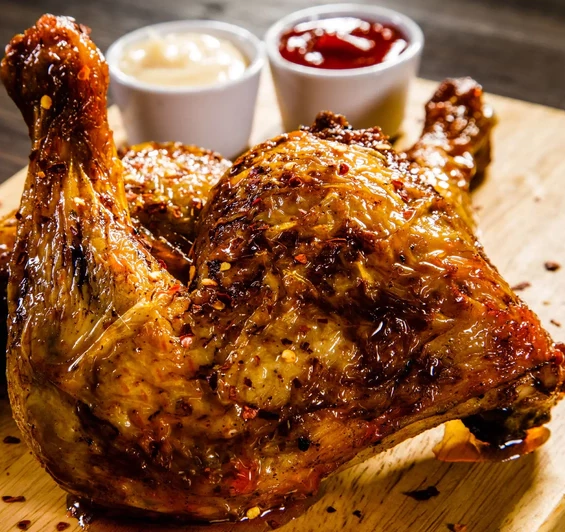
The Case FOR Including Leg Quarters in a Healthy Diet
Nutrient Density: For the calories, you're getting a massive dose of high-quality protein and a suite of hard-to-get nutrients like zinc and selenium. Selenium is a powerful antioxidant that most people don't think about, but a single leg quarter provides nearly half your daily needs.
Satiety and Satisfaction: The combination of protein and fat is magic for controlling appetite. A study published in the journal Nutrition & Metabolism has highlighted that meals with adequate fat promote greater satiety. This can prevent overeating later. A flavorful leg quarter feels like a real meal, not a diet sacrifice, which improves long-term adherence to healthy eating.
Budget-Friendly Nutrition: This isn't a minor point. Per pound, leg quarters are often half the price of boneless, skinless chicken breasts. For families or individuals on a tight budget, they are one of the most cost-effective ways to get quality protein and nutrients on the table.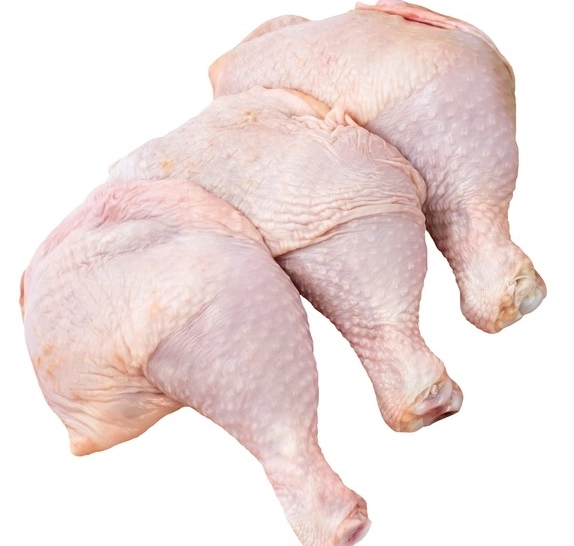
The Considerations (Not Really "Cons")
Saturated Fat Content: This is the main concern people have. About 7g per quarter is significant. However, recent reviews, such as those cited by the Harvard T.H. Chan School of Public Health, suggest the link between saturated fat from poultry and heart disease is less clear-cut than once thought, especially within a balanced diet.
The key is balance. If you eat a leg quarter, maybe go lighter on saturated fats from other sources (like cheese or butter) for the rest of the day. Pair it with fiber-rich vegetables and whole grains to balance the meal.
Who Are Leg Quarters Especially Good For?
- Active Individuals & Athletes: The extra calories and fat provide sustained energy for endurance activities. The iron helps with oxygen transport in blood.
- Those on a Budget: An undeniable source of affordable, high-quality nutrition.
- People Struggling with Appetite: The richer flavor and fat content can be more appealing and satisfying than leaner cuts, useful for older adults or anyone needing to maintain weight.
- Families: They're easy to cook in bulk, kid-friendly (drumsticks!), and versatile for multiple meals.
How to Cook Chicken Leg Quarters for Maximum Nutrition & Flavor
This is where most guides stop. They give you the numbers and say "cook it healthy." But how, exactly? A mistake I see all the time is people drowning this cut in sugary barbecue sauce or frying it, then blaming the chicken for being unhealthy. The method is everything.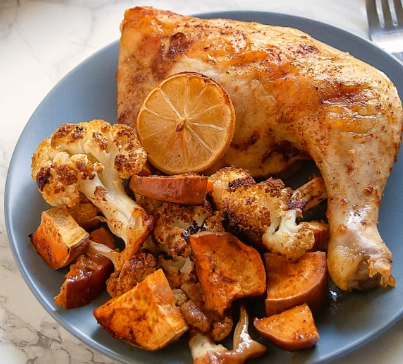
The Gold Standard Method: High-Heat Roasting
This method renders out a significant amount of the subcutaneous fat while keeping the meat incredibly juicy.
- Prep: Pat the leg quarters extremely dry with paper towels. This is non-negotiable for crispy skin. Drizzle lightly with oil (avocado or olive oil), and season generously with salt, pepper, and herbs like smoked paprika, thyme, or garlic powder.
- Setup: Place a wire rack on a rimmed baking sheet. This allows hot air to circulate and fat to drip away from the chicken.
- Cook: Roast at 425°F (220°C) for 40-50 minutes, until the skin is deep golden brown and crispy, and the internal temperature reaches 165°F (74°C) at the thickest part, not touching the bone.
Why it's great: You need almost no added fat. The skin protects the meat from drying out, and the high heat liquefies and drains away excess fat. You can always remove the skin after cooking if you prefer.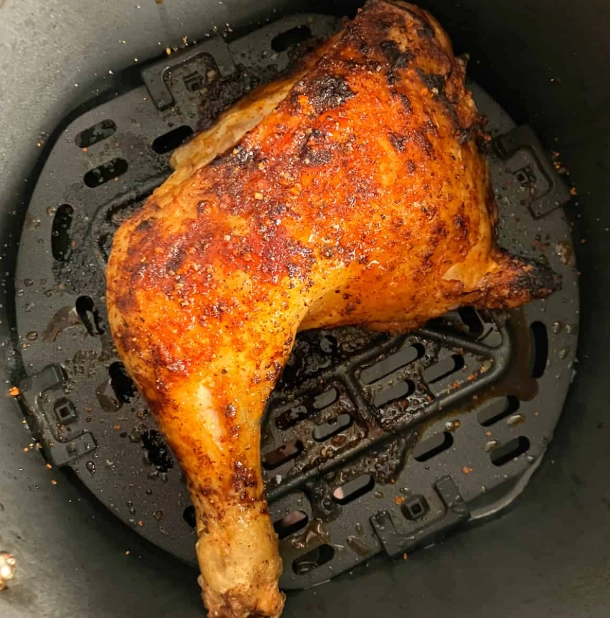
Other Brilliant (and Healthy) Methods
Braising or Stewing: Cooking leg quarters low and slow in a liquid (broth, tomatoes) makes the meat fall-off-the-bone tender. After cooking, you can chill the stew; the fat will solidify on top for easy removal. Try them in a classic chicken cacciatore or a Moroccan tagine with chickpeas.
Air Frying: A fantastic option for a quicker, equally crispy result with minimal oil. Cook at 380°F (193°C) for 25-30 minutes, flipping halfway.
Grilling: Provides fantastic smoky flavor. To prevent flare-ups from dripping fat, use indirect heat. Place the quarters on the cooler side of the grill with the lid closed until nearly cooked through, then sear briefly over direct heat for marks.
Let me share a quick weeknight scenario. I'll roast four leg quarters on a Sunday. We eat two for dinner with a huge sheet pan of roasted Brussels sprouts and sweet potatoes. The other two get shredded off the bone. That meat becomes Monday's chicken tacos (on corn tortillas with salsa and cabbage slaw) and Tuesday's addition to a hearty lentil soup. Three distinct, nutritious meals from one simple, cheap protein source.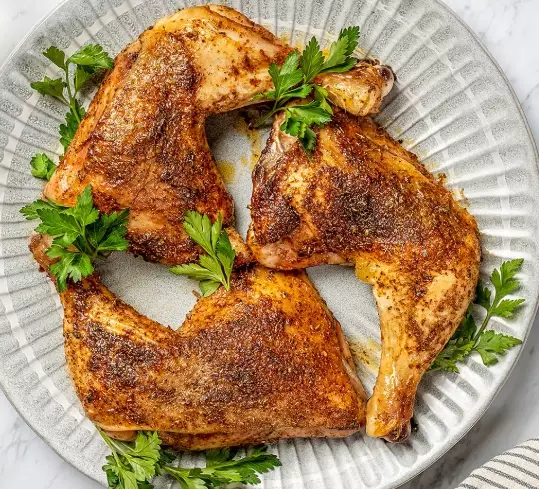
Your Top Chicken Leg Quarter Nutrition Questions, Answered
So, what's the final verdict on chicken leg quarter nutrition?
Don't fear the fat. Respect it, understand it, and cook to manage it. This cut delivers exceptional nutritional value for its cost, providing robust protein, key minerals, and cooking versatility that leaner cuts often lack. It's not an "every single day" food for everyone, but it absolutely deserves a regular spot in a balanced, realistic, and enjoyable diet. Stop overlooking them in the store. Grab a pack, roast them simply, and discover how something so affordable can be so deeply satisfying and nourishing.
Related Articles