What's Dark Meat Chicken? Your Complete Guide to Cuts & Cooking
You're at the grocery store, staring at the chicken section. Breasts, thighs, wings, whole birds. The package says "dark meat." You've heard it's juicier, maybe less healthy, definitely cheaper. But what is dark meat chicken, really? It's not a different breed. It's not lower quality. It's simply the chicken's workout gear.
I spent years avoiding it, buying into the "white meat is healthier" mantra, until I ruined one too many dry chicken breasts. Then I tried a properly cooked thigh. The flavor was deeper, richer. It stayed juicy even when I got distracted and left it in the oven a few minutes too long. That's when I realized most of us have it backwards.
What You'll Find Inside
What Exactly Is Dark Meat Chicken?
Dark meat refers to the muscles a chicken uses most frequently for movement and support. Think of them as the endurance athletes of the bird's body. This constant activity requires a steady supply of oxygen, which is delivered by a protein called myoglobin. More myoglobin equals a darker, redder muscle. It's the same reason a cow's leg meat is darker than its back.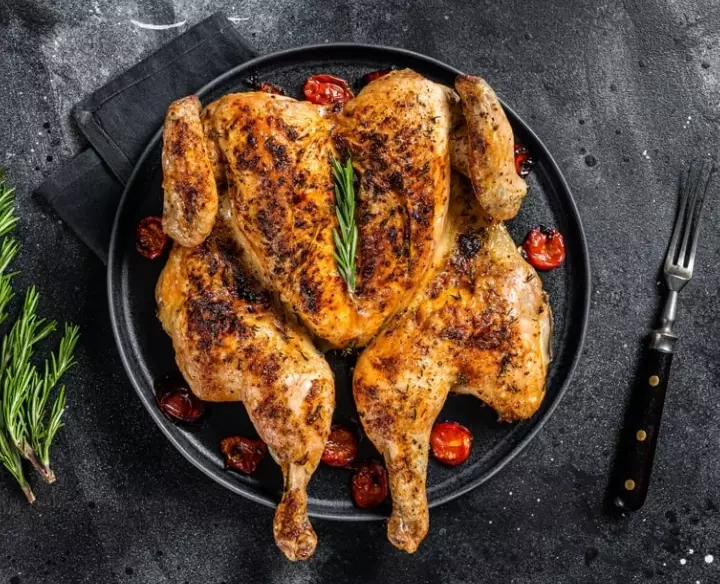
For chickens, the dark meat cuts are:
- Thighs: The upper part of the leg. This is the gold standard for dark meat—incredibly flavorful, fatty, and versatile. You can buy them bone-in, skin-on (my preference for maximum flavor), boneless, or skinless.
- Drumsticks: The lower part of the leg. Often more affordable, great for grilling or baking where you want a convenient handle.
- Leg Quarters: The thigh and drumstick still attached. Usually the best value per pound.
A Common Point of Confusion: What about wings? The wing is a hybrid. The meatier part closest to the body (the drumette) is considered dark meat, while the middle section and tip are white meat. But for practical cooking purposes, we treat the whole wing like a dark-meat-friendly cut because it benefits from the same slower, rendering cooking methods.
Dark Meat vs. White Meat: The Real Difference
It's not just color. The difference in activity level creates a fundamental divergence in texture, flavor, and cooking needs.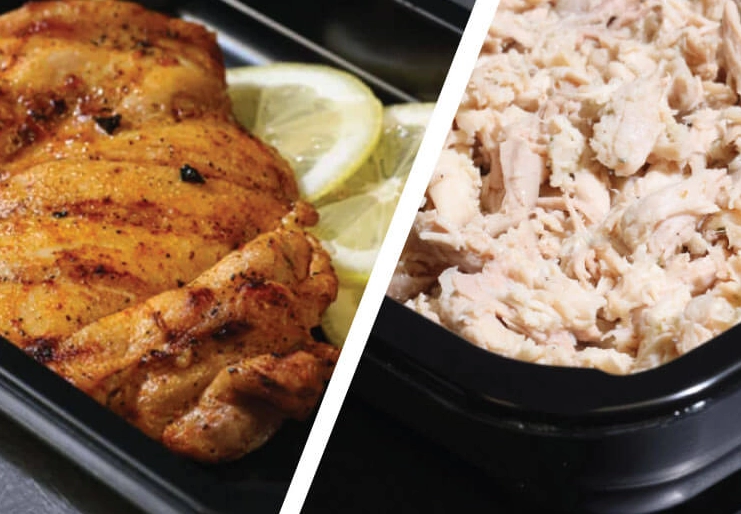
| Characteristic | Dark Meat (Thighs, Drumsticks) | White Meat (Breasts, Tenders) |
|---|---|---|
| Primary Muscle Use | Constant walking, standing (slow-twitch fibers) | Brief bursts, like flapping (fast-twitch fibers) |
| Key Protein | High myoglobin (oxygen storage) | Low myoglobin |
| Fat & Connective Tissue | Higher. More intramuscular fat and collagen. | Lower. Leaner muscle. |
| Flavor Profile | Rich, savory, deeply "chickeny." | Mild, subtle, clean. |
| Texture When Cooked | Juicy, tender, forgiving. Stays moist. | Can be dry and stringy if overcooked by even a few minutes. |
| Ideal Internal Temp | 175-185°F (79-85°C) | 165°F (74°C) |
That last point on temperature is the silent game-changer. Cooking dark meat to the same 165°F as breast meat is why people sometimes find it "rubbery" or greasy. At 165°F, the fat hasn't fully rendered, and the collagen hasn't melted into gelatin. You need to push it further for that fall-apart tenderness.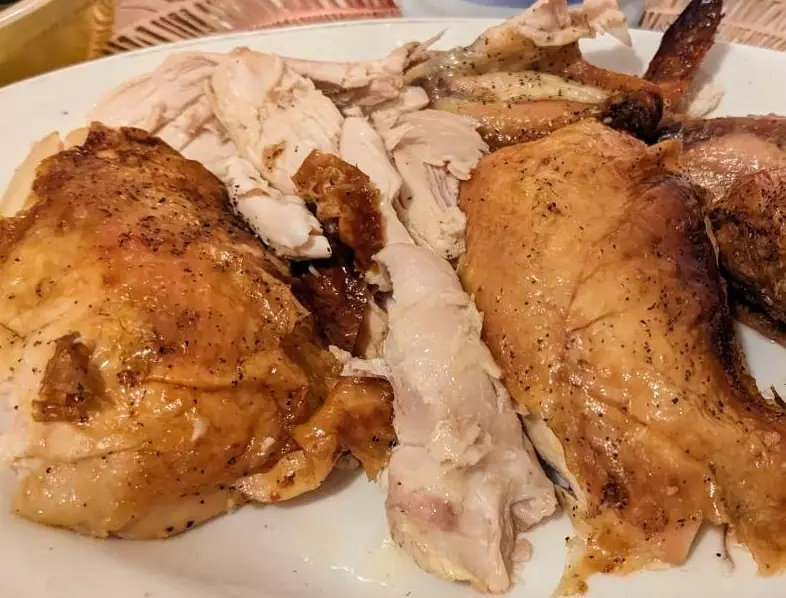
Nutrition & Health: Busting the Biggest Myth
Let's tackle the elephant in the room: "Isn't dark meat unhealthy?" This idea is a relic of the low-fat diet craze and misses the bigger picture.
Yes, dark meat has more fat and calories than white meat. According to the USDA FoodData Central, a 3-ounce cooked skinless chicken thigh has about 7-8 grams of fat and 180 calories, compared to about 3 grams of fat and 140 calories in a same-sized breast portion.
But look closer. That extra fat is mostly unsaturated—the kind that's not a concern for heart health. More importantly, dark meat packs a serious nutritional punch that white meat can't match:
- Double the Iron: Crucial for carrying oxygen in your blood. A real benefit, especially for those who don't eat red meat.
- More Zinc: Vital for immune function and metabolism.
- Substantially More B Vitamins: Particularly B12, B6, and riboflavin, which are key for energy production and brain health. A report from the Harvard T.H. Chan School of Public Health highlights the importance of B12 for nerve function.
Calling it "unhealthy" is a major oversimplification. For a balanced diet, dark meat provides essential nutrients and satiety that can help you feel full longer. The health impact depends far more on how you cook it (baked vs. deep-fried) and what you eat with it than on the meat's color.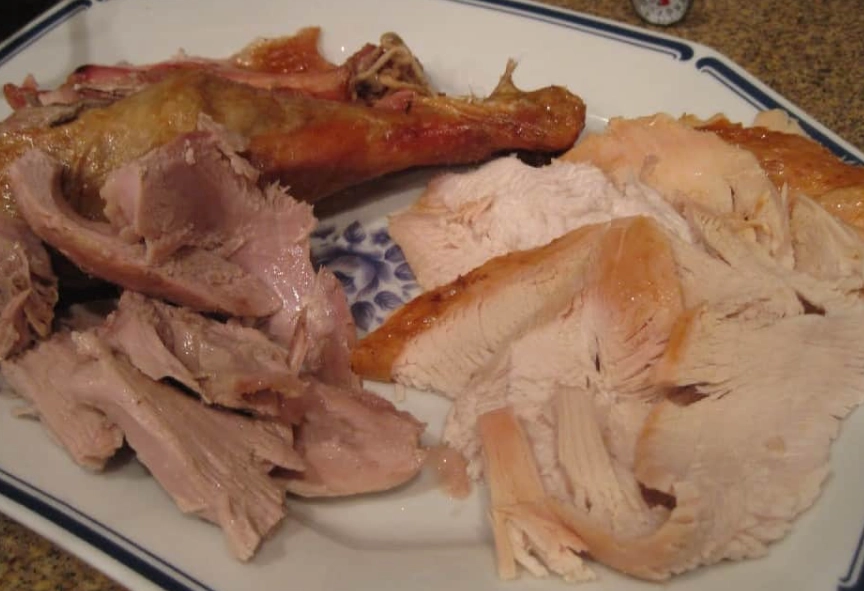
How to Cook Dark Meat Chicken Perfectly
This is where you unlock its magic. Dark meat is forgiving, but it has rules. Break them, and you get greasy, chewy results. Follow them, and you get restaurant-quality chicken at home.
The Golden Rule: Low & Slow, or Hot & Fast with a Finish
You have two winning strategies:
1. The Braise or Stew Method (Low & Slow): This is foolproof. Submerge thighs or legs in a flavorful liquid (broth, tomatoes, coconut milk) and simmer gently for 45-90 minutes. The collagen dissolves, making the meat incredibly tender and enriching the sauce. Think coq au vin, chicken curry, or a simple tomato braise.
2. The Roast, Bake, or Grill Method (Hot & Fast with a Finish): For crispy skin and juicy interiors. Start with high heat (425°F / 220°C) to render fat and crisp the skin, then lower the heat (to around 375°F / 190°C) or move to indirect heat to cook through gently. Always use a meat thermometer. Pull it at 175-185°F.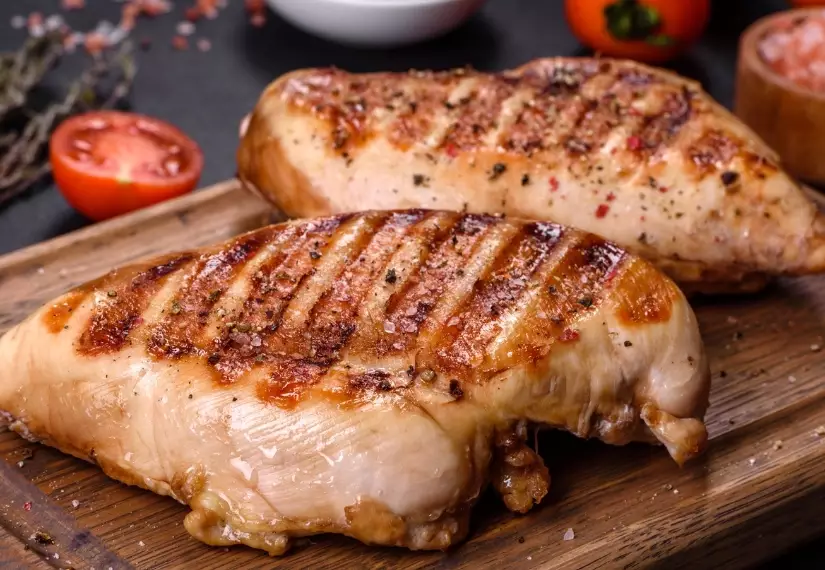
Avoid This Common Mistake: Crowding the Pan
If you're pan-searing, give the pieces space. Crowding creates steam, which prevents browning and makes the skin soggy. You want that Maillard reaction—the chemical process that creates deep, savory flavor and a beautiful crust. Work in batches if you have to. It's worth the extra five minutes.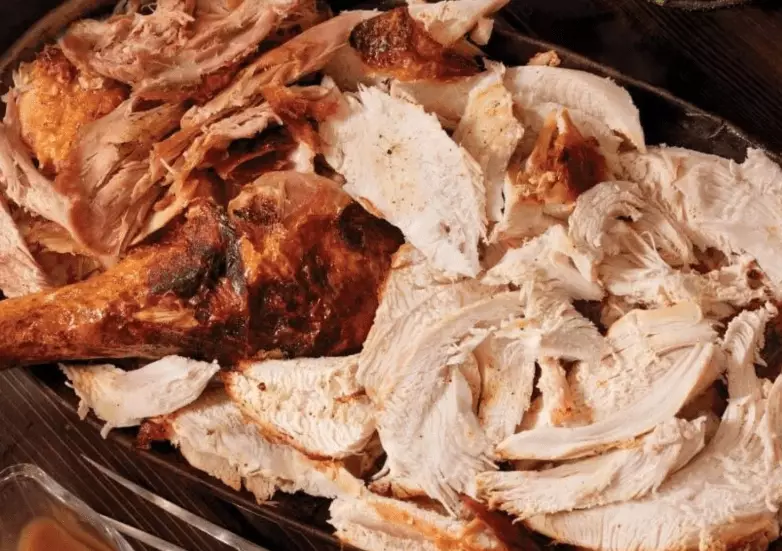
Your Dark Meat Questions, Answered
So, what's dark meat chicken? It's not a mystery cut or a second-choice ingredient. It's the flavorful, nutritious, forgiving part of the bird that home cooks and chefs rely on for consistent, delicious results. It's often cheaper, always juicier, and packed with nutrients we need.
Next time you're at the store, grab a pack of bone-in, skin-on thighs. Crank your oven, ignore the old fear about fat, and cook them to the right temperature. That first bite—savory, rich, impossibly moist—will tell you everything you need to know.
Related Articles