How Long to Cook a Whole Chicken: The Ultimate Time & Temperature Guide
What You’ll Find Inside
Let's be honest. You search "time to cook whole chicken" because you're staring at a raw bird, hungry family members are starting to hover, and you just want a straight answer. 20 minutes per pound? 350 degrees? Is that it? Well, sort of. But if you've ever followed those generic rules and ended up with dry breast meat or rubbery skin, you know there's more to it.
The truth is, giving a single time to cook a whole chicken is like giving driving directions without knowing the starting point, the car, or the road conditions. It might get you close, but you could also end up lost. I've been there. I've served chicken so undercooked near the bone it was frankly embarrassing, and I've also created poultry jerky by being too cautious. Not my finest moments.
So, let's ditch the one-size-fits-all approach. This guide is about understanding the why behind the clock. We'll talk oven roasting (the classic), but also diving into the hands-off magic of a slow cooker, the speed of a pressure cooker, and even the simple poach. By the end, you'll know exactly how to calculate the time to cook your specific whole chicken, for your specific method, to get your specific perfect result.
Why Cooking Time is a Moving Target
Before we get to the numbers, let's understand the variables. If you just memorize a chart without knowing this, you'll be confused when things don't go as planned.
The Big Four Factors
1. The Bird's Size and Shape: This is the big one. A petite 3-pounder and a hefty 7-pounder live in different culinary universes. But it's not just weight. A compact, plump bird will cook differently than a long, lean one. Generally, you calculate time to cook whole chicken based on weight, but shape tweaks it.
2. Your Cooking Temperature: Crank the oven to 450°F and you'll get crispy skin fast, but you risk the outside burning before the inside is done. Roast at 325°F and it'll take longer, but the heat penetrates more evenly. The method you choose sets the stage for the time.
3. Starting Temperature of the Chicken: Are you putting a fridge-cold bird straight in the oven? That's going to add significant time to cook the whole chicken. Letting it sit out for 30-60 minutes to take the chill off (food safety pros call this "tempering") leads to more even cooking and can shave off some oven time. The USDA advises that perishable food should not be left out at room temperature for more than 2 hours (or 1 hour if over 90°F), so keep that in mind.
4. Your Oven's Personality (and Your Pan): Is your oven running hot or cold? An oven thermometer is cheap and tells the truth. Also, a heavy-duty roasting pan or a cast-iron skillet holds heat better than a flimsy baking sheet, affecting how heat swirls around the bird.
See? It's not just a timer.
The Definitive Time Guide: Method by Method
Okay, here's what you came for. Let's break down the most common ways to cook a whole chicken, with realistic times. Remember, these assume a refrigerated (not frozen) bird, placed in a preheated oven/appliance.
Oven Roasting: The King of Methods
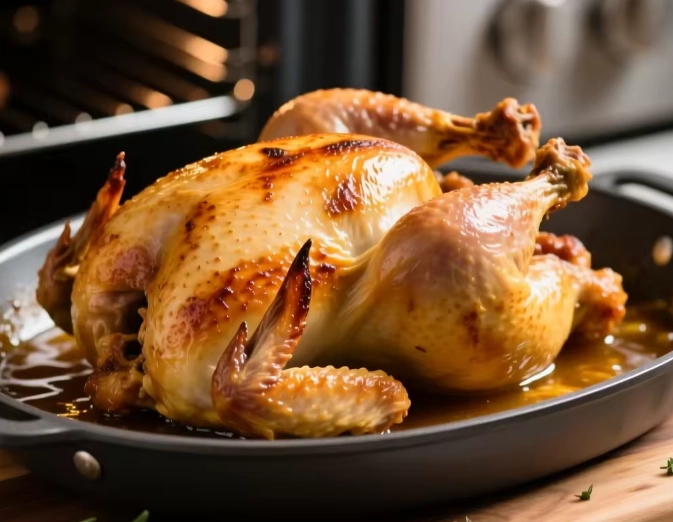
This is where most of the questions about time to cook whole chicken come from. For a standard roast at 350°F (175°C), here's a reliable baseline:
| Chicken Weight | Approximate Total Cook Time | Internal Temp Target (Breast) | Key Notes |
|---|---|---|---|
| 3 lbs (1.4 kg) | 1 hour - 1 hour 15 mins | 165°F (74°C) | Cook quickly. Watch closely to prevent drying. |
| 4 lbs (1.8 kg) | 1 hour 15 mins - 1 hour 30 mins | 165°F (74°C) | The sweet spot for many families. |
| 5 lbs (2.3 kg) | 1 hour 30 mins - 1 hour 45 mins | 165°F (74°C) | May need foil tent over breast halfway through. |
| 6 lbs (2.7 kg) | 1 hour 45 mins - 2 hours | 165°F (74°C) | Consider spatchcocking to reduce time. |
| 7 lbs (3.2 kg) | 2 hours - 2 hours 15 mins | 165°F (74°C) | Long cook. Definitely spatchcock or part. |
High-Temp Roasting (425°F - 450°F): This is my personal favorite for weeknights. You get incredible, crackling skin in less time. The trade-off? You need to be more vigilant. For a 4-5 lb bird, start checking at 50 minutes. The high heat pushes the internal temp up fast at the end.
Low & Slow Roasting (275°F - 300°F): This takes patience—plan on 3+ hours for a 5-pounder. The result is unbelievably tender, almost fall-off-the-bone meat, but the skin will be pale and flabby unless you blast it under the broiler at the end. It's a different texture experience.
Spatchcocking: The Time-Saver Hack
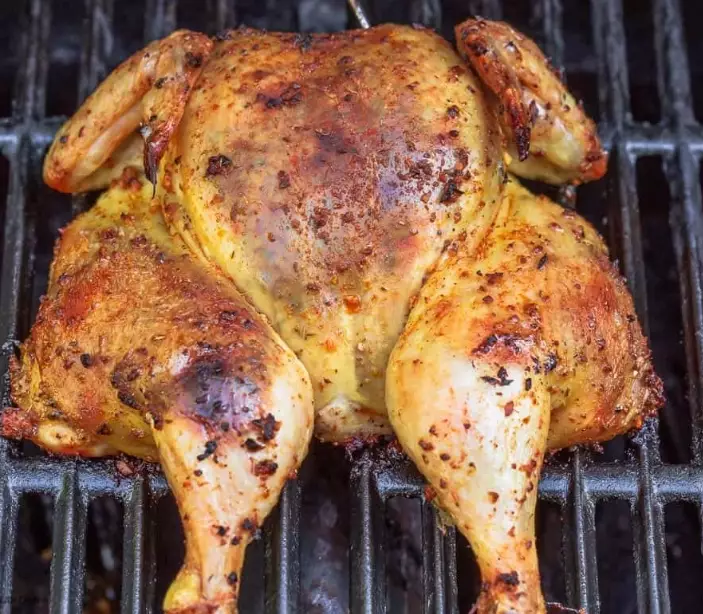
Don't let the funny name put you off. Spatchcocking (butterflying) involves removing the backbone and pressing the chicken flat. It radically reduces the time to cook a whole chicken because the heat hits all parts evenly. A spatchcocked 5-pound chicken at 425°F can be done in 45-55 minutes. It's faster, the skin crisps all over, and it carves like a dream. It's a bit of extra prep work, but it shaves off a solid 30-40% of your cooking time.
Slow Cooker/Crock-Pot Whole Chicken
This is the ultimate "set it and forget it" method. The time to cook whole chicken here is long, but it's all unattended. You won't get crispy skin (it'll be soft), but the meat will be incredibly juicy and perfect for shredding.
- Time: 4-5 hours on HIGH, or 6-8 hours on LOW for a 3-4 lb bird. A larger 5-6 lb bird may need 5-6 hours on HIGH or 7-9 on LOW.
- Pro Tip: Place onion or lemon slices under the bird to keep it out of its juices. For color and texture, pop it under the broiler for 5 minutes after cooking.
Pressure Cooker / Instant Pot Whole Chicken
Need a whole chicken in under an hour from fridge to table? This is your magic. The active time to cook a whole chicken under pressure is shockingly short.
- Time: 6 minutes per pound on HIGH pressure for a 4-6 lb bird. So, a 5-pounder = about 30 minutes under pressure.
- Critical: You must add natural pressure release for at least 15 minutes afterward. The total process (preheat, cook, release) takes about 60-75 minutes.
- My Take: The meat is fall-apart tender, almost too tender for neat slicing—it's more of a shredding chicken. The skin is uselessly soft. I use this method when I need pulled chicken for tacos, soups, or salads fast. For a Sunday roast presentation, I still prefer the oven.
Boiling or Poaching a Whole Chicken
This isn't for a roast dinner, but for when you want supremely tender meat and a bonus of flavorful broth.
- Time: Simmer a 3-4 lb chicken for about 1 hour. A larger bird may need 1 hour 15 minutes to 1 hour 30 minutes. The meat should easily pull away from the bone.
- Best For: Chicken salad, pot pies, or any application where you want moist, shreddable meat and a quart of homemade broth as a byproduct.
The Non-Negotiables: How to KNOW It's Done (Beyond Time)
Timers beep. But how do you really know? Relying on these old methods alone is risky.
The Only Way to Be Sure: The Thermometer.
Insert a good digital instant-read thermometer into the thickest part of the breast (avoiding the bone) and the innermost part of the thigh. The USDA Food Safety and Inspection Service states poultry should reach a safe minimum internal temperature of 165°F (74°C).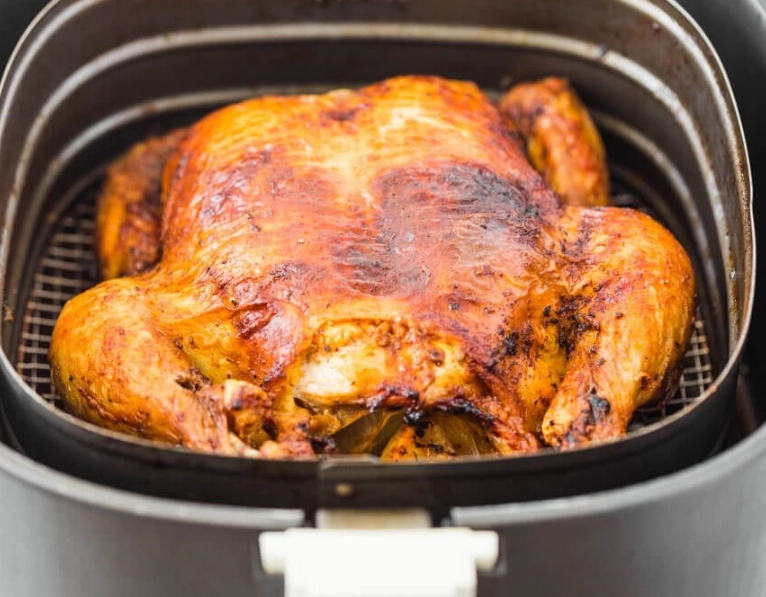
Here's a chef's secret, backed by food science from sources like Serious Eats: You can actually pull the chicken at 155-160°F in the breast. The temperature will continue to rise 5-10 degrees while it rests (called carryover cooking), bringing it safely to 165°F+. This results in much juicier white meat. The thigh should be around 175°F for optimal tenderness.
The Most Important Step Everyone Skips: Resting
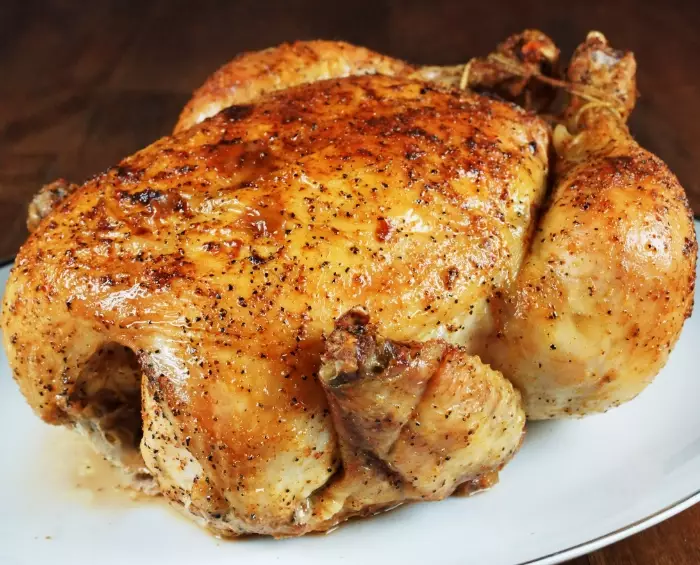
You spent all that time cooking the chicken. Now, you must give it time to relax. Resting allows the frantic juices, which have been driven to the center by the heat, to redistribute throughout the meat.
- How Long: Tent loosely with foil and let it sit for at least 15-20 minutes for a standard roast. A larger bird can rest for 25-30 minutes.
- What Happens if You Skip It: You'll cut in, and all the flavorful juices will flood onto the cutting board, leaving the meat drier. The resting time is part of the cooking process. Don't cheat it.
Your Top Questions, Answered
A Simple Roadmap for Perfect Chicken Every Time
- Plan. Decide on your method based on time and desired outcome (crispy skin? set-and-forget? super fast?).
- Prep. Pat the skin VERY dry with paper towels. This is the secret to crispiness. Season well, under the skin too if you can. Let it sit out for 30-60 minutes if possible.
- Preheat. Get your oven or appliance fully hot before the chicken goes in.
- Cook. Use the time charts here as your initial guide. Start checking the temperature about 15-20 minutes before the estimated finish.
- Check. Thermometer in breast (160°F) and thigh (~175°F). If it's not there, give it more time in 5-minute increments.
- Rest. Once at temp, transfer to a cutting board, tent, and walk away for 20 minutes. Seriously, set a timer.
- Carve and enjoy. The reward for your patience is juicy, flavorful meat.
So, the next time you wonder about the time to cook whole chicken, remember you're not just setting a timer. You're managing heat, mass, and moisture. Start with the guidelines, but let a trusty thermometer be your final guide. It takes the guesswork out and puts perfect, juicy chicken on your table, no matter the size of the bird or the quirks of your oven.
Happy cooking!
Related Articles