Frozen Chicken Thawing Guide: Safe Methods & Times
You just got home, ready to make that chicken recipe you've been thinking about all day. You pull a rock-solid package from the freezer. Now what? Guessing the thawing time wrong can derail dinner plans faster than you can say "food poisoning." The answer to "how long does it take frozen chicken to thaw" isn't a single number. It depends entirely on your method, the size of the chicken, and a few tricks most guides don't mention.
I've cooked with frozen chicken for years, from rushed weeknights to big weekend meals. I've also made every mistake in the book—thawing in warm water (don't do it), microwaving into a rubbery mess, and forgetting it in the fridge for a day too long. Let's cut through the noise and get you predictable, safe results every time.
What's in This Guide?
Thawing Methods Compared: Times & Best Uses
Think of thawing methods on a spectrum: safest but slowest on one end, fastest but riskiest on the other. Your choice depends on your timeline and what you're planning to cook.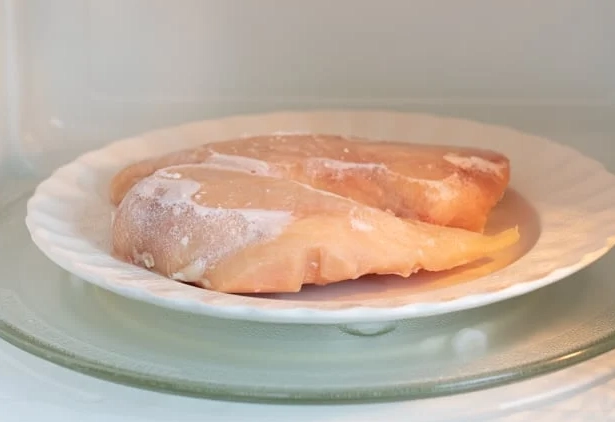
| Method | Estimated Time (for 1 lb/450g) | Best For | Key Consideration |
|---|---|---|---|
| Refrigerator | 24 hours | Meal planning, best texture & safety | Requires advance planning |
| Cold Water | 1-2 hours | Same-day cooking, faster than fridge | Requires active monitoring & water changes |
| Microwave | 5-10 minutes per pound | Extreme emergencies only | Risks partial cooking & texture damage |
Notice there's no "room temperature" or "hot water" column. That's intentional. Leaving chicken on the counter is an open invitation for bacteria like Salmonella and Campylobacter to multiply in the "danger zone" between 40°F and 140°F. The USDA is very clear on this point: never thaw food at room temperature.
Critical Rule: Chicken thawed in cold water or the microwave must be cooked immediately. Do not refreeze or refrigerate it for later use unless it's cooked first. Only chicken thawed in the refrigerator can be safely refrozen (though quality may suffer).
The Gold Standard: Refrigerator Thawing
This is the method recommended by every food safety authority, including the USDA Food Safety and Inspection Service. The chicken stays at a safe, constant temperature (below 40°F/4°C) throughout the process.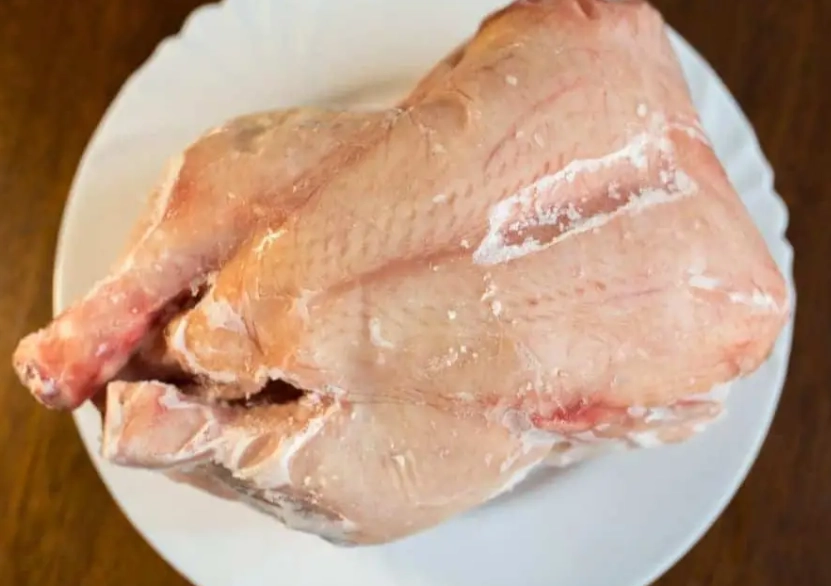
How Long Does It Really Take?
Forget the generic "24 hours" rule. It's a starting point, but cut and packaging matter.
- Boneless, Skinless Chicken Breasts (1-inch thick): 12-24 hours. A single breast in a vacuum-sealed pack might be ready in 12. A clump of breasts frozen together will take the full 24.
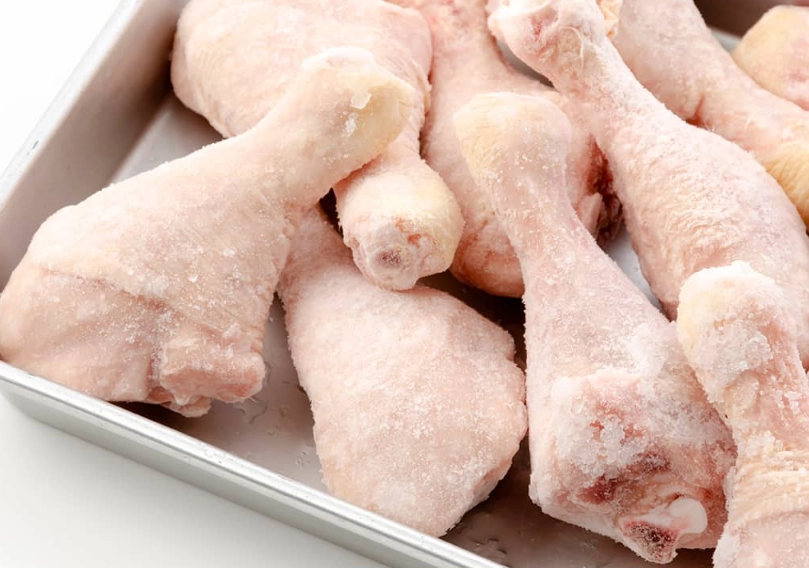
- Chicken Thighs or Drumsticks: 24-36 hours. The bone acts as an ice core, slowing the process.
- A Whole Chicken (4-5 lbs): Plan for 2-3 full days. Sometimes even 4 days for a larger bird. This is where most people underestimate.
My personal hack? Place the frozen package on a rimmed plate or in a shallow container on the bottom shelf of your fridge. This catches any potential drips and prevents cross-contamination. No one wants chicken juice near their fresh lettuce.
The Texture Advantage
Here's the non-consensus benefit nobody talks about: slow refrigerator thawing actually helps the chicken retain its natural juices better than any quick method. The muscle fibers rehydrate gradually. Chicken thawed this way almost always cooks up more tender and juicy.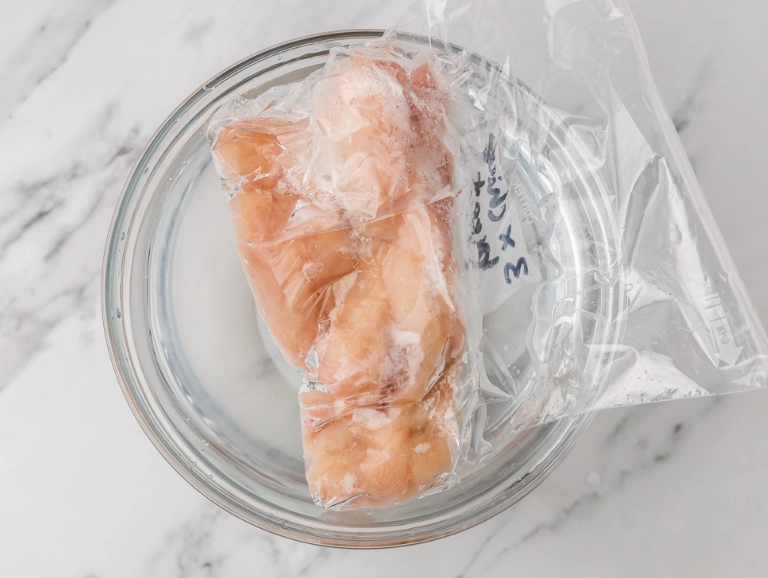
The Fast Track: Cold Water Thawing
This is your best bet when you need chicken for dinner but forgot to take it out yesterday. The key word is cold. Not cool, not lukewarm. Cold tap water.
Here’s the exact process:
- Ensure the chicken is in a leak-proof plastic bag. If the original packaging is thin or torn, double-bag it.
- Submerge the bag in a large bowl, pot, or clean sink filled with cold water.
- Change the water every 30 minutes. This is non-negotiable. The water warms up, slowing thawing and edging into the danger zone. Fresh cold water keeps the process moving.
- Estimate about 30 minutes per pound. A one-pound pack of breasts is usually ready in an hour. A 3-pound whole chicken will take 3 hours.
Pro Tip: If you have a sous vide circulator, set it to 40°F (4°C) and let it circulate the water. This maintains a perfectly safe, constant temperature and can cut the time by about 25%. No more guessing if the water is too warm.
The biggest mistake I see? People think they can just leave it for two hours and walk away. You can't. The water changes are critical for both speed and safety.
The Last Resort: Microwave Thawing
Let's be honest, the microwave is a gamble. It's for when you have 45 minutes until dinner and no other option.
Most microwaves have a "defrost" or "thaw" setting based on weight. Use it. It uses lower power in cycles to (theoretically) thaw evenly. Even then, expect the edges to start cooking while the center is still icy. The texture often becomes rubbery and dry in spots.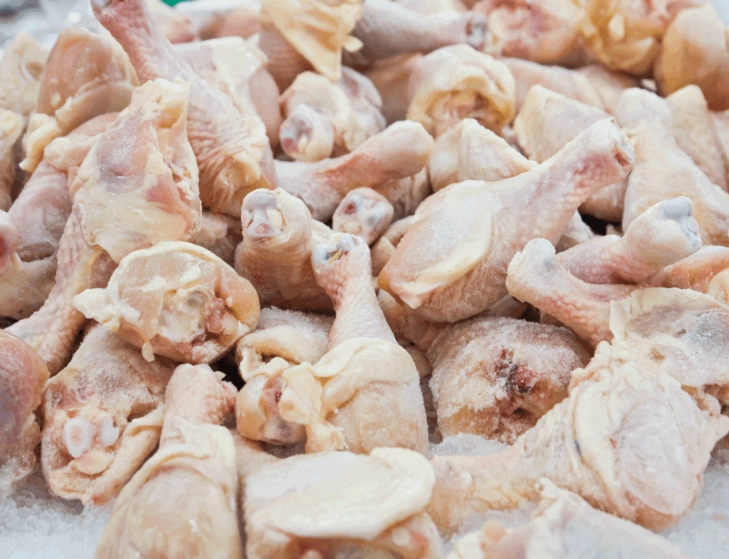
If you must use this method:
- Remove any metal ties or outer packaging, but keep the chicken in its microwave-safe tray or wrap.
- Use the defrost function. If you must use power levels, use 30% or 50% power.
- Stop and check, flip, or separate pieces every 2-3 minutes.
- Cook it immediately after thawing. Parts of it have begun to cook, creating a perfect warm breeding ground for bacteria if you wait.
I only recommend this for chicken destined for a shredded application (like tacos or chicken salad) where the final texture is less critical.
Safety Non-Negotiables You Can't Ignore
Thawing isn't just about time; it's about temperature control.
The 40°F Rule: Keep chicken below 40°F (4°C) until you're ready to cook. The refrigerator is always below this. For cold water, the constant changes keep it close.
The 2-Hour Rule (1-Hour in Heat): Never let thawed or raw chicken sit at room temperature for more than 2 hours. In a hot kitchen (above 90°F/32°C), that drops to just 1 hour. This includes time spent marinating.
The Leak-Proof Container: Always thaw on a plate or in a container. Chicken juice is a major source of cross-contamination for other foods in your fridge or sink.
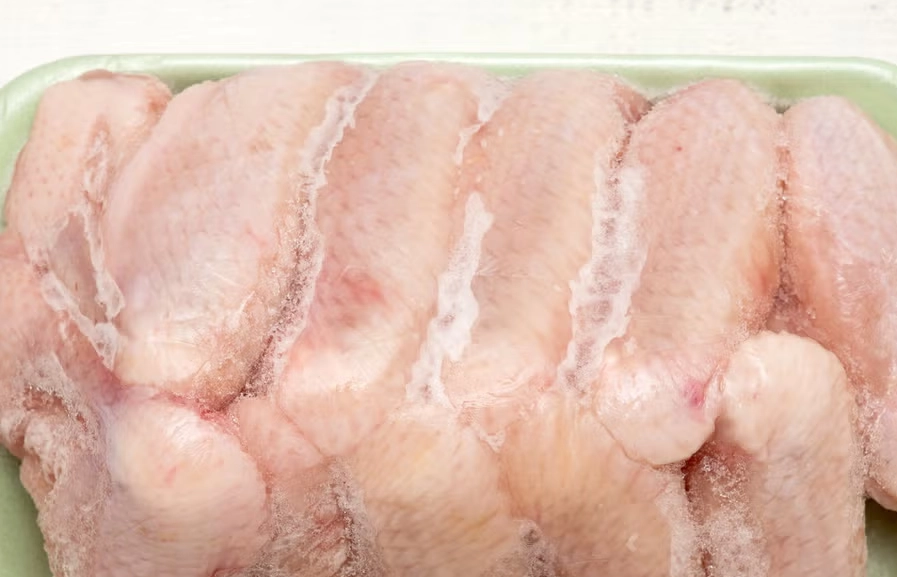
How do you know it's thawed? It should be cool to the touch, pliable with no ice crystals, and the joints on a whole bird should move freely. When in doubt, use a food thermometer in the thickest part—it should read below 40°F but not be 32°F (freezing).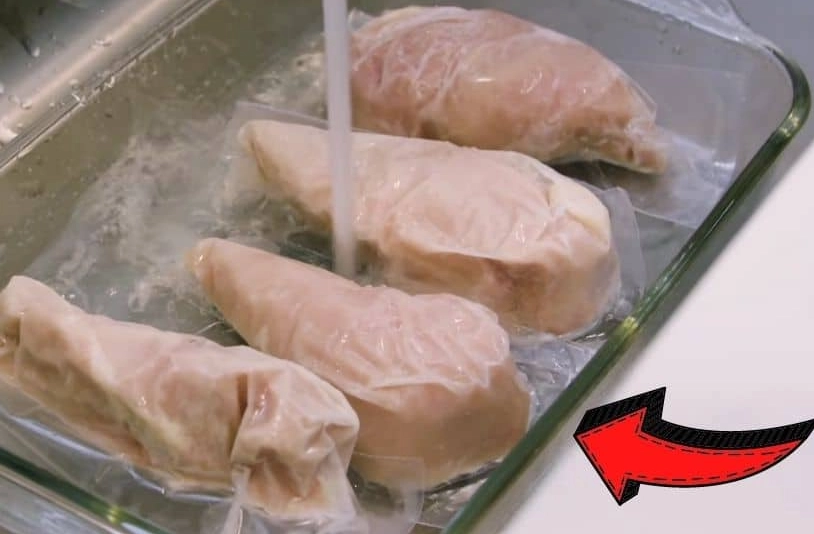
Common Thawing Mistakes (And How to Fix Them)
We've all been there. Here’s how to salvage common thawing situations.
Mistake 1: The chicken is mostly thawed but still has a frozen core.
This happens often with thick breasts or a whole chicken. Fix: If you have time, finish thawing in cold water, focusing on the icy part. If you need to cook now, you can cook it from this state. Just know the cooking time will increase by about 50%. Use a meat thermometer to ensure the once-frozen center reaches 165°F (74°C).
Mistake 2: You thawed too much chicken.
You only needed two breasts, but the whole bag is thawed. Fix: If it was thawed in the fridge and hasn't been there more than 2 days, you can cook it all and then refrigerate or freeze the cooked portions. Do not refreeze raw chicken thawed in water or microwave.
Mistake 3: The chicken has a slight odor after thawing.
A faint, metallic or "freezer" smell can be normal, especially with vacuum-sealed packs. Fix: Rinse the chicken under cold water, pat it very dry, and smell again. If the odor is strong, sour, or ammonia-like, toss it. Don't risk it.
The ultimate goal is getting safe, great-tasting chicken on the table. Planning for fridge thawing is always the winner. But with the cold water method as a reliable backup, you'll never be stuck waiting on a frozen block again.
Related Articles