Are Chicken Thighs Dark Meat? Your Complete Guide to Cuts, Cooking & Nutrition
Quick Guide to Chicken Thighs
- Why Chicken Thighs Are Dark Meat: It's All About the Muscle
- Dark Meat vs. White Meat: A Side-by-Side Showdown
- Wait, Are Chicken Thighs Actually Good For You?
- Your Guide to the Chicken Thigh Aisle: A Shopper's Checklist
- Cooking Chicken Thighs: How to Not Mess Up (It's Hard To)
- Clearing Up the Confusion: Your Top Chicken Thigh Questions, Answered
- Wrapping It Up: Embracing the Dark Side
You know, I was just at the grocery store the other day, staring at the poultry section. Boneless skinless breasts were piled high, all neat and uniform. And then there were the chicken thighs. Some with skin, some without, some bone-in, some not. And a question popped into my head that I'm sure has crossed yours too: are chicken thighs dark meat? It seems simple, right? But then you start thinking about flavor, about juiciness, about what to cook for dinner. It's not just a yes or no answer. It's a whole story about the chicken itself. Let's walk through it together, like we're just chatting in the kitchen.
The Short Answer: Yes, absolutely. Chicken thighs are classified as dark meat. But the "why" behind it is where things get interesting, and honestly, where the real cooking magic happens.
Why Chicken Thighs Are Dark Meat: It's All About the Muscle
This isn't some random labeling. The color difference between white meat (like the breast) and dark meat (like the thighs and drumsticks) comes down to basic chicken biology. Think about what a chicken does all day. It stands. It walks. It flaps a bit, but it's not flying across oceans.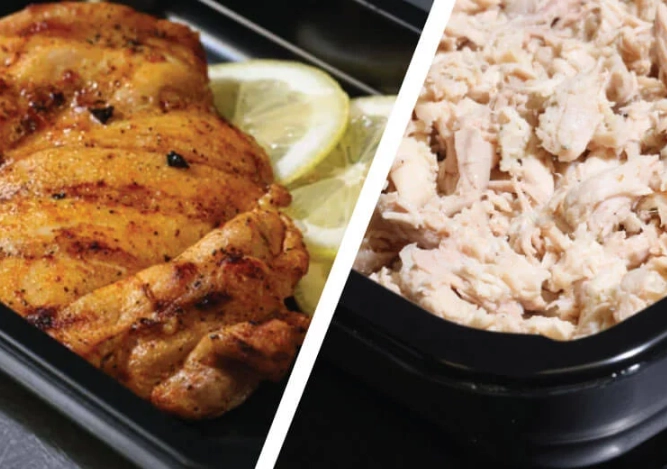
The legs and thighs are the workhorse muscles. They're constantly active, supporting the bird's weight. This sustained activity requires a steady, reliable supply of oxygen. To deliver that oxygen, these muscles are packed with a protein called myoglobin. Myoglobin is red. More myoglobin equals darker, redder meat. It's that simple.
The breast meat, on the other hand, is for short, intense bursts of activity (like flapping away from a perceived threat). Those muscles rely on a different energy system and have much less myoglobin, hence the pale color.
So when you ask, "are chicken thighs considered dark meat?", you're really asking about the chicken's lifestyle. And the answer is a definitive yes because of their myoglobin-rich, constantly-working muscles. This fundamental difference is the root cause of everything else we love (or sometimes debate) about thighs.
Dark Meat vs. White Meat: A Side-by-Side Showdown
Okay, so they're different colors and come from different parts of the bird. Big deal? Actually, yeah. This biological difference translates into major practical differences in your kitchen. It's not that one is universally "better" than the other—it's about choosing the right tool for the job. Let's break it down.
| Characteristic | Chicken Thighs (Dark Meat) | Chicken Breast (White Meat) |
|---|---|---|
| Flavor | Richer, deeper, more savory. Often described as "chickenier." | Milder, cleaner, more subtle. |
| Texture & Juiciness | More tender and moist. Higher fat and collagen content keeps them juicy even if slightly overcooked. | Leaner. Can become dry and stringy if overcooked due to low fat content. |
| Fat Content | Higher. This is the source of much of the flavor and moisture. A skin-on, bone-in thigh has significantly more fat. | Very low. This is why it's a staple for strict macro-counting diets. |
| Cooking Friendliness | Very forgiving. Hard to dry out. Ideal for braising, roasting, grilling, and slow-cooking. | Less forgiving. Requires precise cooking (often with a thermometer) to avoid dryness. Best for quick-cooking methods. |
| Price | Generally more affordable. Often a better value per pound. | Generally more expensive, reflecting its popularity in diet culture. |
See what I mean? It's a trade-off. I love a perfectly cooked chicken breast in a salad. But when I'm making a cozy Sunday dinner or meal-prepping something I know will reheat well, my money (and my taste buds) are on team thigh almost every time. That forgiving nature is a lifesaver on busy weeknights.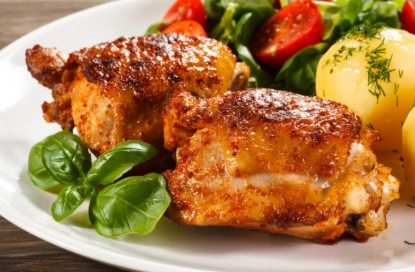
Wait, Are Chicken Thighs Actually Good For You?
Here's where a lot of people get tripped up. For decades, the message was simple: fat is bad, white meat is good, dark meat is bad. Nutrition science isn't that black and white (or light and dark, I guess).
Yes, a skinless chicken breast is lower in calories and saturated fat. That's a fact. But declaring thighs "unhealthy" misses the bigger picture. Let's look at what dark meat chicken thighs bring to the table, nutritionally speaking.
Dark meat is a significantly better source of iron and zinc than white meat. We're talking about double or more. Iron is crucial for carrying oxygen in your blood (hey, just like myoglobin does for the chicken!), and zinc is a key player in immune function and metabolism. If you're someone who doesn't eat red meat, chicken thighs can be an important source of these minerals.
It also contains more B vitamins, particularly B2 (riboflavin), B6, and B12, which are essential for energy production and nervous system health.
Now, the fat. This is the big sticking point. The fat in chicken thighs is a mix. Removing the skin removes a huge amount of the saturated fat. The fat within the meat itself includes monounsaturated fats—the same type found in olive oil, often considered heart-healthy. As the Harvard T.H. Chan School of Public Health notes, the focus in modern nutrition is more on the *type* of fat and the overall dietary pattern, rather than vilifying all fat.
The Bottom Line: Chicken thighs are a nutrient-dense food. Choosing skinless or removing the skin after cooking dramatically improves their fat profile. For most people, as part of a balanced diet, they are a perfectly healthy and delicious choice. It's about portion awareness, not avoidance.
I used to avoid them, thinking I was making the "healthier" choice. But then I'd be hungry an hour later. A satisfying meal with a good thigh keeps me full longer, which for me, is its own kind of health benefit.
Your Guide to the Chicken Thigh Aisle: A Shopper's Checklist
Alright, you're convinced. You want to try them. You walk up to the case and... there are options. So many options. Which one do you grab? This confused me for ages. Here’s how I break it down now.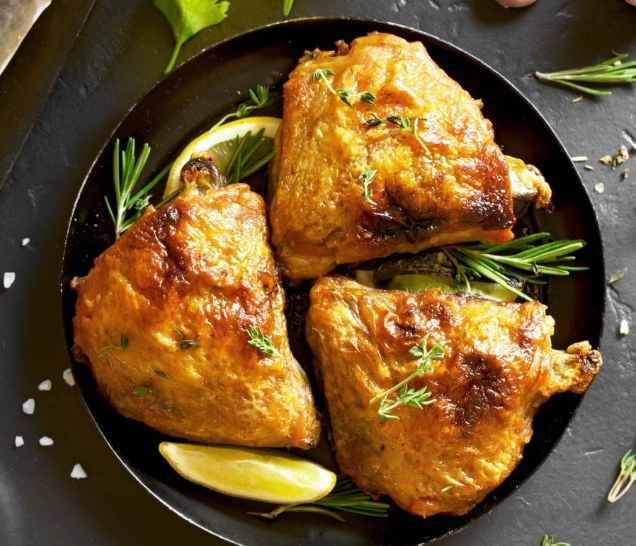
Bone-In, Skin-On Thighs
The Flavor Kings. This is the full, traditional package. The bone acts as a heat conductor, helping the meat cook evenly from the inside out, and many chefs believe it adds depth of flavor. The skin? That's your built-in protection against drying out, and when cooked properly (think crispy, salty, golden), it's the best part. Perfect for: Roasting, grilling, braising. Any method where you have time to render the skin crispy.
Bone-In, Skinless Thighs
A Happy Medium. You get the even cooking and flavor benefits of the bone without dealing with the skin. A great choice if you want the juiciness of dark meat but are closely managing fat intake. They can dry out a bit faster than their skin-on siblings, so don't overcook them. Perfect for: Stews, curries, soups, or any saucy dish where the skin would just get soggy anyway.
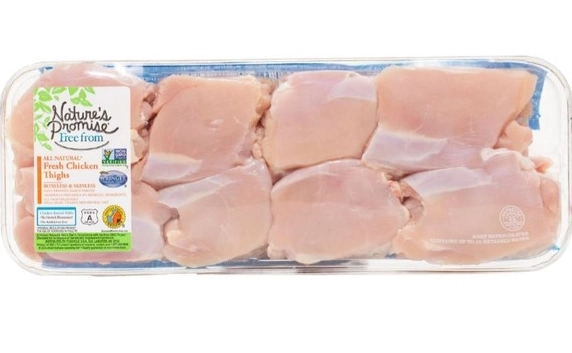
Boneless, Skinless Thighs
The Weeknight MVP. Ultimate convenience. They cook quickly and evenly, and are a dream for stir-fries, quick sautés, kebabs, and salads. They are the most versatile. The trade-off? They can be slightly less flavorful than bone-in versions and are the most expensive per pound because of the processing involved. But for speed, you can't beat them. I always have a pack in my freezer.
My personal rule of thumb? For a special weekend roast, bone-in skin-on, no question. For a Tuesday night curry, bone-in skinless. For a 15-minute stir-fry after work, boneless skinless. Match the cut to your recipe and your timeline.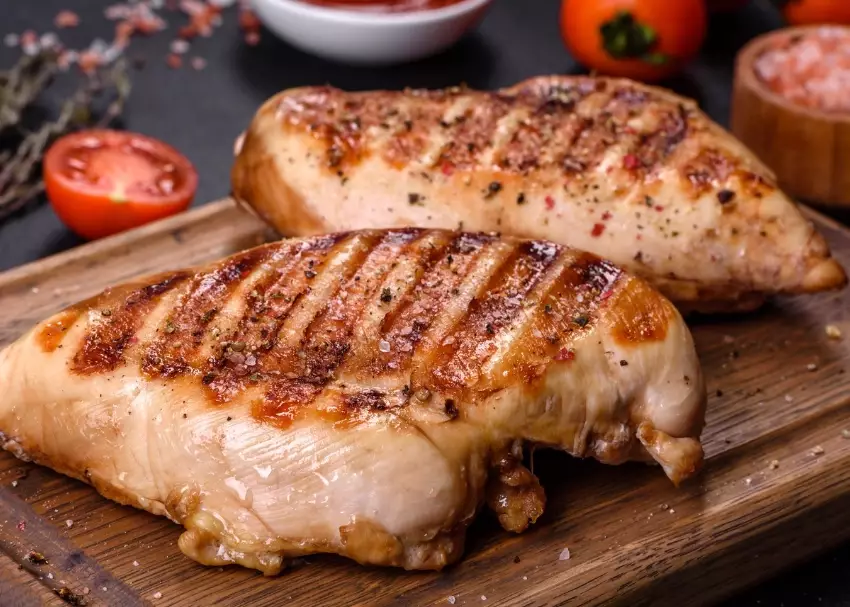
Cooking Chicken Thighs: How to Not Mess Up (It's Hard To)
This is the best part about dark meat chicken thighs. They are incredibly forgiving. But "forgiving" doesn't mean you can ignore them completely. A few simple tips will take them from good to "when are you making this again?"
1. Don't Be Afraid of High Heat (Especially for Skin-On). To get that skin crispy, you need high, direct heat to start. Pat the skin bone-dry with a paper towel. Season it well. Then put it in a hot pan or a hot oven, skin-side down, and don't touch it! Let it render and crisp up for a good 5-8 minutes before you even think about moving it.
2. Season Aggressively. Dark meat can handle bolder flavors. Don't just use salt and pepper. Think paprika, garlic powder, cumin, herbs de provence, lemon zest. Get under the skin if you can. The fat will carry those flavors beautifully throughout the meat.
3. Use a Thermometer, But Don't Stress. The USDA recommends cooking all poultry to an internal temperature of 165°F (74°C). With thighs, because of the fat, you can take them to 175°F (79°C) or even a bit higher, and they'll still be juicy. The collagen breaks down further, making them even more tender. For breast meat, 165°F is a strict stop sign. For thighs, it's more of a guideline. I pull mine around 170-175°F.
4. Let Them Rest. I know, I know. Everyone says this about every meat. But it's true. Letting the thighs rest for 5-10 minutes after cooking allows the juices, which have been driven to the center by the heat, to redistribute. If you cut right in, all that flavorful juice ends up on your cutting board, not in your mouth.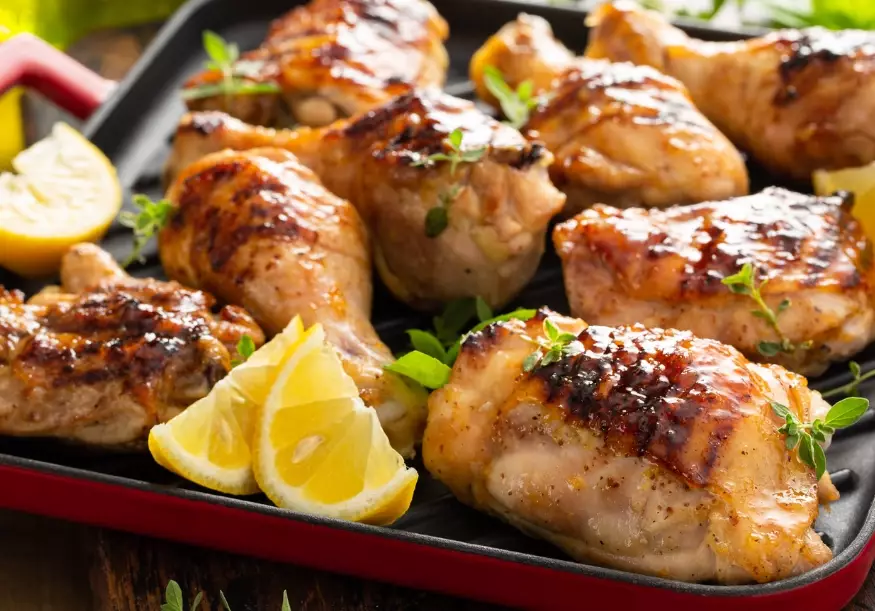
“The high fat content in dark meat acts like a built-in safety net against overcooking. It's why thighs are a home cook's secret weapon for consistently juicy results.”
Clearing Up the Confusion: Your Top Chicken Thigh Questions, Answered
I get questions from friends all the time. Here are the most common ones, straight from my text messages.
Are chicken thighs and drumsticks the same thing?
Nope! They are both dark meat, but they're different cuts. The thigh is the upper part of the leg, connected to the body. It's a single, larger muscle. The drumstick is the lower part. Thighs are generally meatier, more uniform, and have a slightly higher fat content. Drumsticks are all about that fun, handheld eating experience.
Can I substitute chicken thighs for chicken breast in a recipe?
You can, but you often need to adjust. Thighs take slightly longer to cook because they are thicker and have more fat. If a breast recipe calls for 20 minutes of baking, add 5-10 minutes for thighs. Also, consider that the richer flavor might change the dish's profile. In a creamy pasta, it'll be amazing. In a very delicate lemon-butter sauce, it might overpower it. For soups and stews, it's almost always a great swap—they hold up better to long cooking.
Why are chicken thighs sometimes cheaper?
Simple supply and demand. For years, the health push favored white meat, making breasts more popular and therefore more expensive. Thighs were less in demand. Thankfully, as people rediscover their flavor and versatility, the price gap is narrowing, but thighs often remain the better value. It's one of my favorite kitchen hacks.
Is the dark meat vs. white meat thing true for all poultry?
Mostly, yes. The activity principle applies. However, in birds that fly extensively (like ducks and geese), the breast meat is also dark because those flight muscles are constantly used. So a duck breast is dark meat, while a chicken breast is white. It all comes back to myoglobin and muscle use.
Wrapping It Up: Embracing the Dark Side
So, after all this, are chicken thighs dark meat? Unequivocally, yes. But I hope you see now that answering "are chicken thighs dark meat?" is just the starting point. It's the key that unlocks why they taste so rich, why they stay so juicy, and why they might deserve a more prominent spot in your meal rotation.
They're affordable, hard to ruin, packed with useful nutrients, and deliver a flavor punch that white meat often struggles to match. The next time you're planning a meal, ask yourself not just "what protein?" but "what experience do I want?" If the answer is something deeply savory, satisfying, and stress-free to cook, then the dark meat aisle—specifically the chicken thigh section—is where you should be heading.
Don't just take my word for it. Grab a pack of bone-in, skin-on thighs this weekend. Salt them, roast them hot until the skin crackles, and taste the difference for yourself. You might just find yourself converted.
Related Articles