Ultimate Chicken Broccoli Casserole Recipe: Creamy, Easy & Family-Friendly
What You'll Find in This Guide
Let's be honest. Most chicken broccoli casserole recipes promise comfort but deliver a soggy, bland mess. I've been there—standing over a watery dish wondering where I went wrong. After testing dozens of versions over the years, I've nailed a formula that's creamy, packed with flavor, and foolproof for weeknight dinners. This isn't just another recipe; it's a solution to the common pitfalls that plague home cooks.
The key? Treating each component with respect. Chicken shouldn't be dry, broccoli shouldn't be mushy, and the sauce needs to hold up without being gloppy. I'll walk you through every detail, from selecting the right cheese to a simple trick for preventing that dreaded wateriness. We'll dive into the specifics that make this dish a keeper.
Why This Chicken Broccoli Casserole Actually Works
Most recipes skip the why and just list steps. But understanding the science—or at least the practical logic—behind this casserole transforms your results. The foundation here is balance: protein, veg, sauce, and topping. Too much sauce drowns the ingredients; too little leaves it dry. I use a roux-based sauce (butter, flour, milk) because it's stable and doesn't separate like some cream-of-soup shortcuts. That's a non-negotiable for me.
Another thing nobody tells you: broccoli releases water when baked. If you toss it in raw, you'll end up with a pool at the bottom of your dish. I blanch it first—just a quick boil—to lock in color and reduce moisture. It takes an extra five minutes but saves the texture. Trust me, I learned this the hard way after a few disappointing dinners.
Ingredients Breakdown: What You Need and Why
Here's the full list. Don't just grab what's in your fridge; quality matters, especially for the dairy. I prefer whole milk for richness, but 2% works in a pinch. For cheese, sharp cheddar gives a tang that cuts through the creaminess, while a bit of Parmesan adds depth.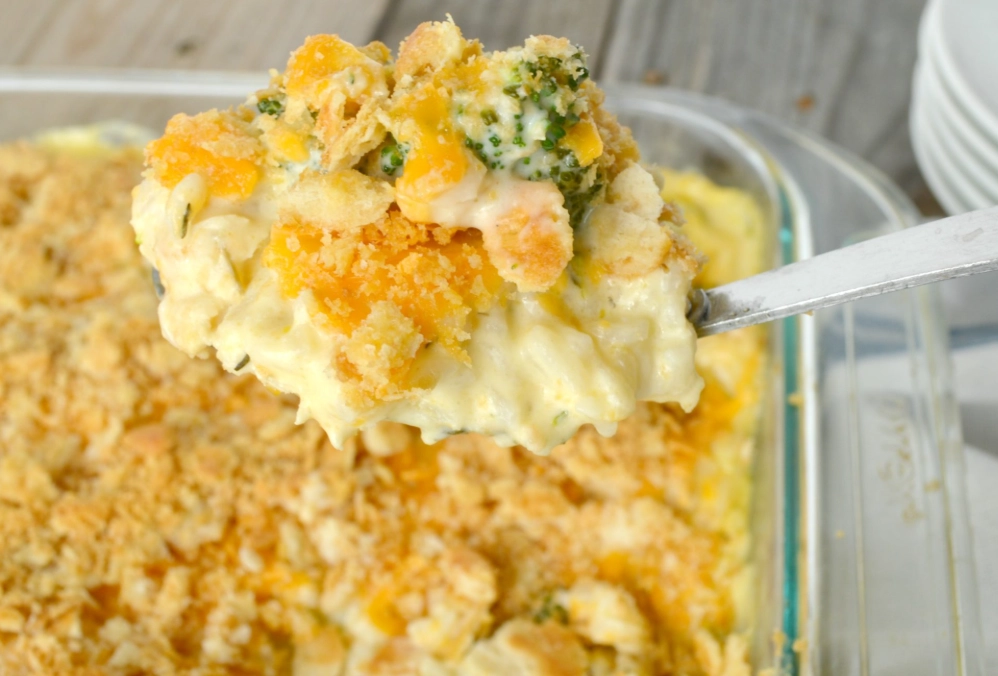
| Ingredient | Quantity | Notes & Why It's Important |
|---|---|---|
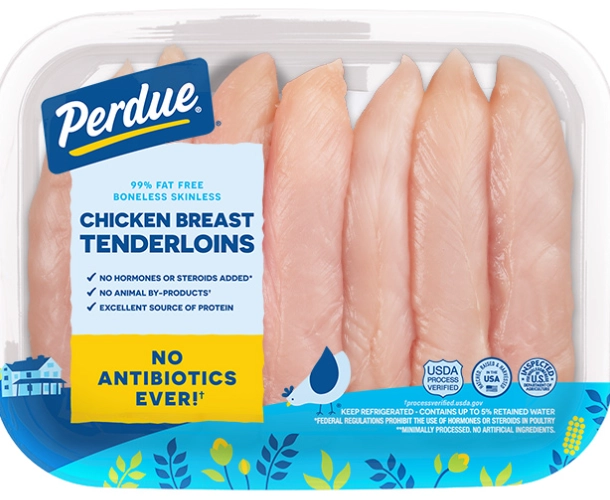
| Boneless, skinless chicken breasts | 1.5 lbs (about 680g) | Cut into bite-sized pieces. Thighs work too for more flavor, but breasts keep it lean. |
| Fresh broccoli florets | 4 cups (about 1 head) | Fresh is best; frozen can make it watery unless thawed and pressed dry. |
| Unsalted butter | 4 tablespoons | For the roux. Salted butter can throw off seasoning. |
| All-purpose flour | 1/4 cup | Thickens the sauce smoothly. Don't skip or substitute with cornstarch here—it changes the texture. |
| Whole milk | 2 cups | Warm it slightly to prevent lumps in the sauce. Low-fat milk can make the sauce thin. |
| Sharp cheddar cheese, shredded | 2 cups | Shred it yourself; pre-shredded has anti-caking agents that don't melt well. |
| Grated Parmesan cheese | 1/2 cup | Adds a salty, nutty flavor. Use the real stuff, not the powdered kind. |
| Chicken broth | 1/2 cup | Enhances the savory notes. Low-sodium lets you control salt. |
| Breadcrumbs (optional) | 1/2 cup | For topping. Panko gives a crispier crunch than regular breadcrumbs. |
| Seasonings: salt, black pepper, garlic powder, paprika | To taste | I use about 1 tsp salt, 1/2 tsp each of the others. Adjust based on your palate. |
You'll also need a 9x13 inch baking dish. Glass or ceramic works better than metal for even heating. Preheat your oven to 375°F (190°C)—that's the sweet spot for browning without burning.
Step-by-Step Cooking Instructions
Follow these steps in order. Rushing leads to mistakes, like adding cold milk to a hot roux (hello, lumps!). I've broken it down to keep it simple.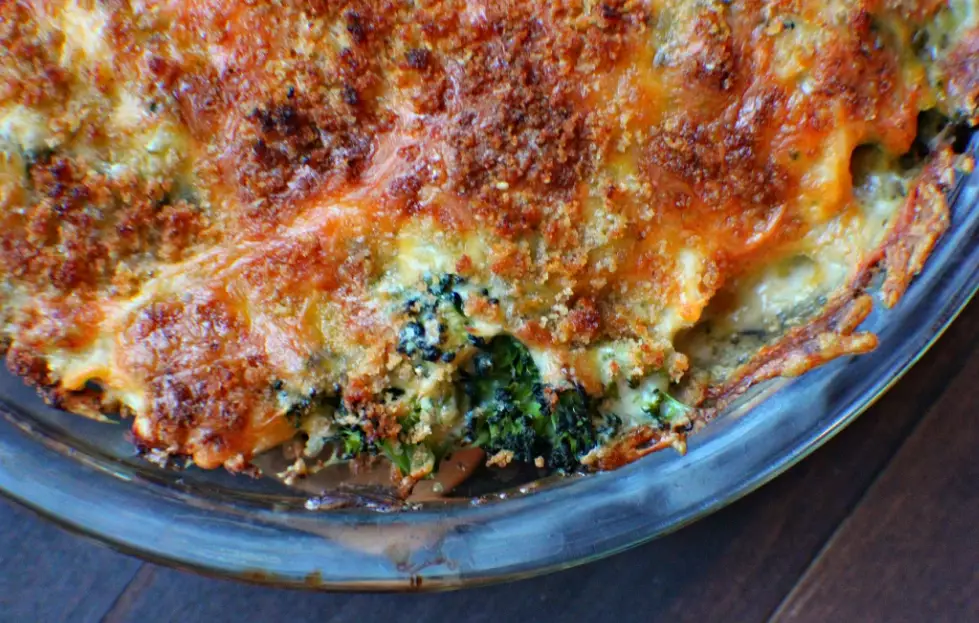
Prep the Chicken and Broccoli
Start by cutting the chicken into 1-inch pieces. Season lightly with salt and pepper. In a large skillet over medium heat, cook the chicken in a bit of oil until no longer pink, about 6-8 minutes. Don't overcrowd the pan—do it in batches if needed. Overcooking here makes it dry later. Set aside.
While that's happening, bring a pot of salted water to boil. Add the broccoli florets and cook for 2 minutes exactly. Then drain and rinse under cold water to stop the cooking. This blanching step is crucial. It keeps the broccoli bright green and firm, not mushy after baking. Pat it dry with paper towels to remove excess moisture.
Make the Creamy Sauce
In the same skillet (don't wash it—those browned bits add flavor), melt the butter over medium heat. Whisk in the flour and cook for 1-2 minutes until it smells nutty. This cooks out the raw flour taste. Slowly pour in the warm milk, whisking constantly to avoid lumps. It'll thicken as it heats. Stir in the chicken broth, then reduce heat to low.
Add 1.5 cups of the cheddar cheese and all the Parmesan. Stir until melted. Season with garlic powder and paprika. Taste it! If it's bland, add more salt. The sauce should coat the back of a spoon. Remove from heat.
Assemble and Bake
In a greased baking dish, combine the cooked chicken and broccoli. Pour the sauce over and mix gently to coat everything evenly. Top with the remaining 1/2 cup cheddar cheese and breadcrumbs if using. Bake uncovered for 25-30 minutes, until bubbly and golden on top. Let it rest for 5 minutes before serving—this allows the sauce to set slightly.
Total hands-on time is about 30 minutes, with another 30 for baking. Serves 6-8 people comfortably. Leftovers keep in the fridge for up to 3 days; reheat in the oven to maintain texture.
Expert Tips and Common Mistakes to Avoid
Here's where my experience pays off. I've seen too many casseroles fail due to small oversights.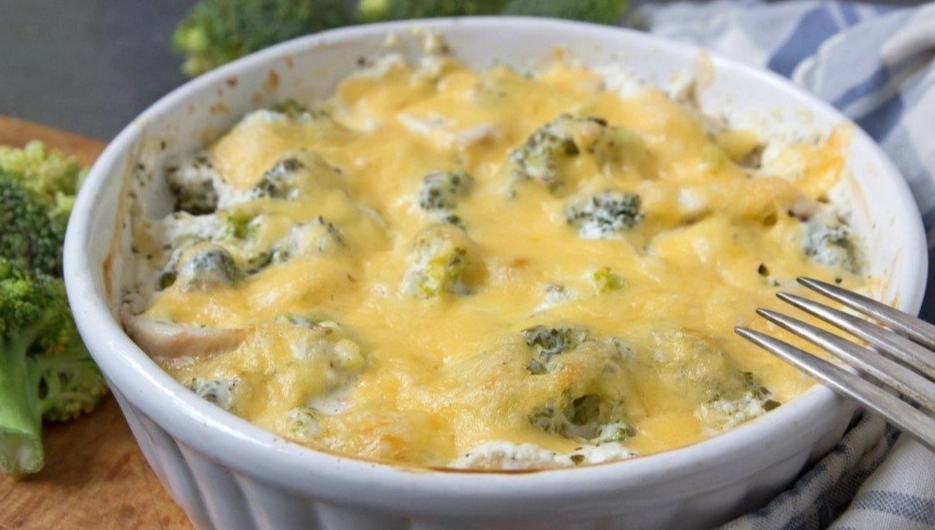
Mistake #1: Using frozen broccoli without thawing. It releases ice crystals that turn into water. If you must use frozen, thaw it completely and squeeze out excess liquid with a clean towel. Fresh is always better for texture.
Mistake #2: Skipping the roux. Some recipes rely on canned cream soups. They're convenient but often high in sodium and can taste artificial. A homemade roux gives you control and a richer flavor. According to the USDA, using fresh ingredients reduces processed food intake, which aligns with healthier eating habits—though I'm not a nutritionist, I've noticed the difference in taste.
Mistake #3: Overbaking. Set a timer. At 375°F, anything beyond 30 minutes can dry out the chicken. The casserole is done when the edges are bubbling and the top is lightly browned. Use an oven thermometer if your oven runs hot; mine does, so I often reduce the temperature by 25 degrees.
One non-consensus tip: I add a splash of white wine to the sauce sometimes. It deglazes the pan and adds acidity that balances the richness. Not traditional, but it elevates the dish. Try it if you're feeling adventurous.
Variations and Substitutions for Dietary Needs
This recipe is flexible. Here are some tweaks based on common dietary needs:
For a gluten-free version: Use a gluten-free flour blend for the roux, like King Arthur's. Check that your broth is gluten-free too. Skip breadcrumbs or use gluten-free panko.
For a lighter option: Swap whole milk for 2% or a milk alternative like unsweetened almond milk. Use reduced-fat cheese, but note it might not melt as smoothly. Increase the broccoli ratio for more veggie bulk.
For extra flavor: Add sautéed mushrooms or diced onions to the chicken. A teaspoon of Dijon mustard in the sauce gives a nice tang. Some folks love adding cooked bacon on top—it's indulgent but delicious.
If you're meal-prepping, assemble the casserole without baking, cover tightly, and refrigerate for up to a day. Add 5-10 minutes to the baking time since it'll be cold. You can also freeze it unbaked for up to a month; thaw overnight in the fridge before baking.
Your Top Questions Answered (FAQ)
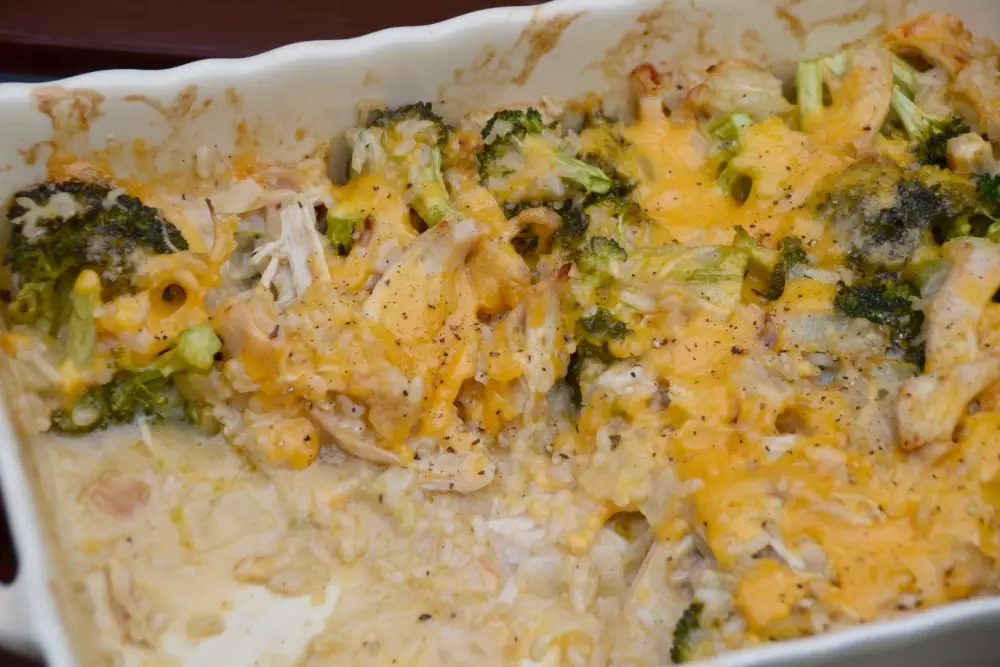 This chicken broccoli casserole recipe is more than a dish—it's a reliable tool for busy cooks. By focusing on details like blanching broccoli and making a proper roux, you'll avoid the common traps and end up with something truly comforting. Give it a try this week, and let me know how it turns out. Happy cooking!
Related Articles