How to Cook a Whole Chicken Perfectly Every Time: A Foolproof Guide
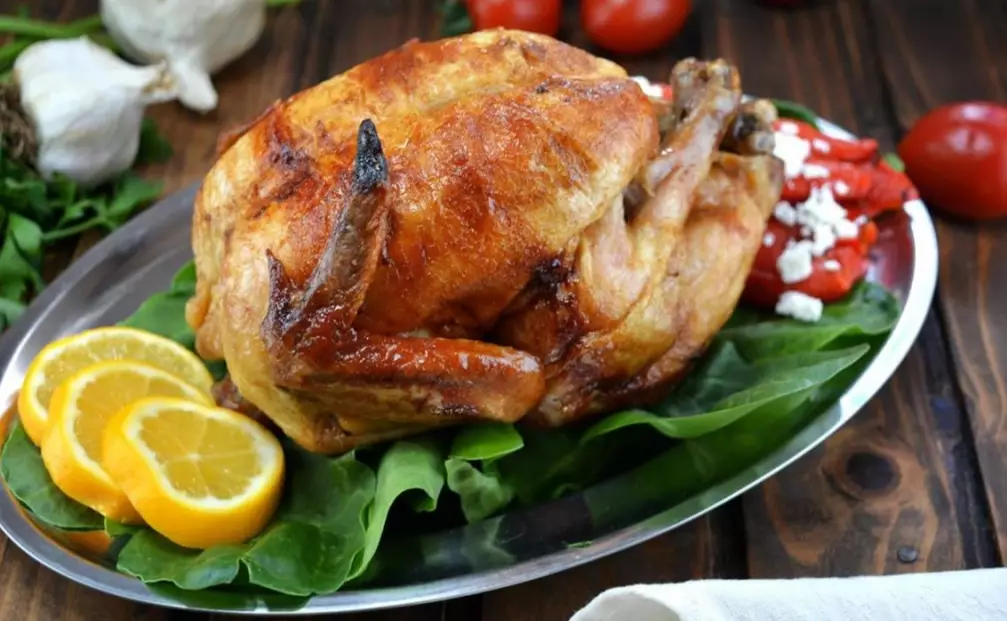
Cooking a whole chicken shouldn't feel like a high-stakes exam. Yet, for many home cooks, it does. You picture a golden, crispy-skinned bird, juicy and fragrant, landing on the table to applause. What you often get is pale skin, dry breast meat, and a lingering fear of undercooked thighs. I've been there. My first attempt years ago was a sad, steamy affair—the skin was rubbery, the meat bland. It took a few disappointing dinners and some stubborn research to crack the code.
The good news? It's simpler than you think. Mastering how to cook a whole chicken, specifically roasting, is about nailing a few non-negotiable steps, not about fancy techniques. Forget the complicated brine recipes you see everywhere. I'm going to show you a more straightforward, arguably better way.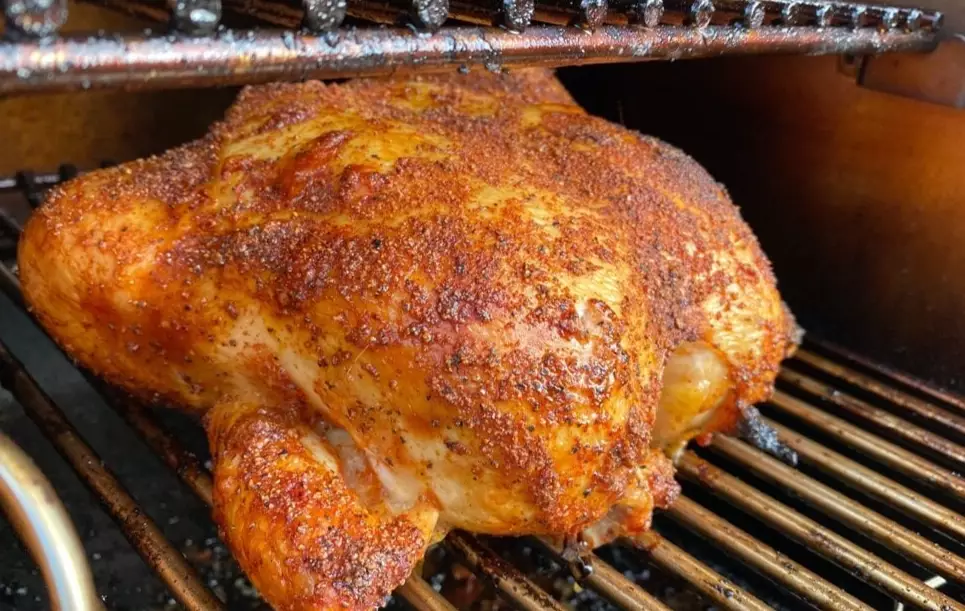
Your Quick Guide to Roast Chicken Success
Why Roasting is the Best Method for Cooking a Whole Chicken
You could poach, steam, or slow-cook a whole chicken. But roasting in a hot, dry oven delivers what most of us crave: contrast. The intense, direct heat renders fat, crisps the skin to a shattering finish, and creates incredible flavor through the Maillard reaction (that's the fancy term for browning). The interior stays moist because the outer layer protects it.
Compared to spatchcocking (butterflying the chicken), which is great for speed, traditional roasting gives you those classic pan juices—liquid gold for gravy. It's also a more forgiving method for beginners. The bird's structure helps the heat circulate naturally.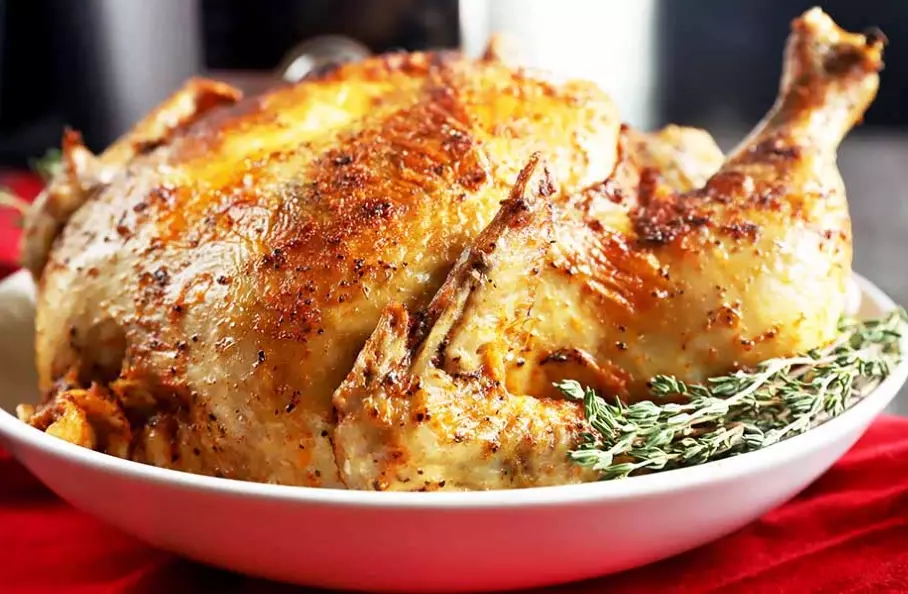
How to Prep Your Chicken: The Two Critical Steps Everyone Misses
This is where the magic—or the misery—happens. Most recipes jump straight to seasoning, but they skip the foundation.
Step 1: Dry It Out (Really, Really Dry)
Wet skin is the enemy of crisp skin. It steams instead of browns. The moment you take your chicken out of its packaging, pat it completely dry inside and out with a mountain of paper towels. I'm talking bone-dry. Then, for the pro move: place the dried chicken on a plate or rack, uncovered, in your fridge for at least 4 hours, or better yet, overnight. This air-drying further dehydrates the skin surface. It's a game-changer. Your chicken will look a bit puckered and pale going into the oven—that's perfect.
Expert Non-Consensus: Forget wet brining (soaking in salt water) for a standard chicken. It adds water weight, which can waterlog the skin and make it harder to crisp. For guaranteed juiciness and seasoned meat throughout, use a dry brine. This is just a fancy term for salting in advance.
Step 2: Season Liberally and Early (The Dry Brine)
After drying, season the chicken generously with kosher salt (about 1 teaspoon per pound) and freshly ground black pepper. Get it under the skin on the breasts, inside the cavity, everywhere. Do this right after the drying step, before it goes back in the fridge. The salt has time to penetrate deep into the meat, seasoning it from the inside and helping it retain juices during cooking. This simple dry brine is more effective and less messy than a wet brine.
At this stage, you can also tuck herbs (thyme, rosemary) and aromatics (garlic cloves, lemon halves) into the cavity. Don't stuff it tightly—just let them sit in there to perfume the meat from the inside.
The Cooking Process: Time, Temp, and a Simple Trick
Preheat your oven to 425°F (220°C). High heat is crucial for that initial skin blast. Place the chicken breast-side up in a roasting pan or skillet. Some people swear by a V-rack, but a simple pan works fine if the chicken isn't sitting in its juices.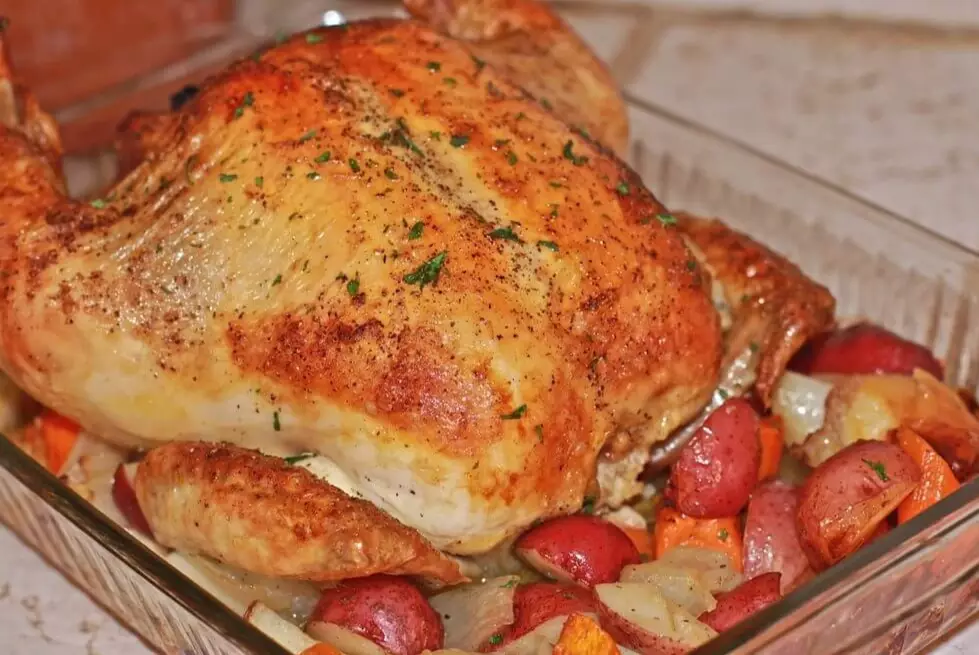
Here's the basic rule: roast for about 15 minutes per pound. But time is a liar. The only way to know if your chicken is done is with an instant-read thermometer. Insert it into the thickest part of the thigh (avoiding the bone) and the thickest part of the breast. You're aiming for 165°F (74°C) in the breast and 175°F (79°C) in the thigh.
Now, the trick to prevent dry breasts: about halfway through the estimated cooking time, when the skin is starting to get some color, flip the chicken breast-side DOWN. This lets the fattier, juicier dark meat face the direct heat while protecting the leaner white meat. For the last 10-15 minutes, flip it back breast-side up to re-crisp the skin. This single maneuver solves the dry breast problem.
Don't Baste. I know it's tempting. Opening the oven door lets heat escape, slowing down cooking and making the skin soggy. The fat will render and keep things moist on its own. Trust the process.
The Final Act: Resting and Carving
When the thermometer hits the right numbers, take the chicken out. Now, let it rest on a cutting board for 15-20 minutes, loosely tented with foil. This is non-negotiable. The juices, which have rushed to the surface during cooking, need time to redistribute back throughout the meat. If you cut in immediately, all that flavor and moisture will end up on the board.
Carving seems intimidating, but it's just a few cuts. Remove the legs (thigh and drumstick together) by cutting through the skin and joint where they meet the body. Separate the thigh from the drumstick if you like. For the breasts, make a long cut along the breastbone, then gently slice downward, following the ribcage to remove each breast whole. You can slice them crosswise. Don't forget to flip the bird over and get the "oysters"—two succulent pieces of dark meat on the back.
Pro Tips for Next-Level Flavor and Juiciness
Once you've mastered the basics, play with these ideas.
Herb Butter Under the Skin: Mix softened butter with chopped herbs, garlic, and a pinch of salt. Gently loosen the skin over the breasts with your fingers and spread the butter mixture directly on the meat. This bastes the breast from within as it cooks.
Use a Vegetable Trivet: Chop onions, carrots, and celery into large chunks and scatter them in the pan. Place the chicken on top. The veggies elevate the chicken, prevent the bottom from stewing, and flavor the drippings for an incredible gravy base.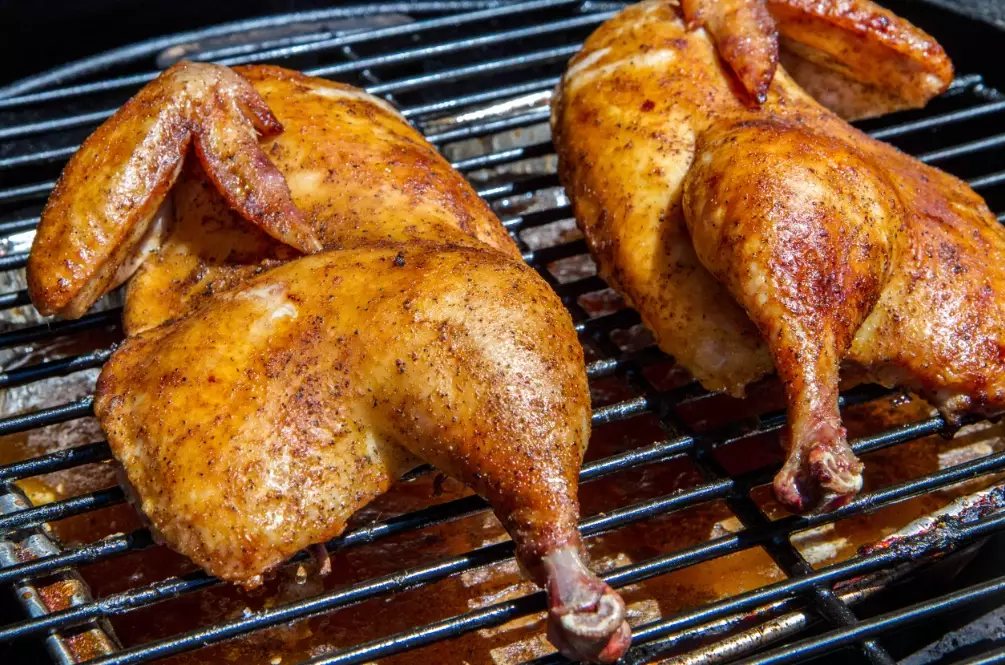
Flavor Variations: Change the aromatics in the cavity to change the vibe.
| Flavor Profile | Aromatics for Cavity | Herbs for Butter/Rub |
|---|---|---|
| Classic Lemon-Herb | Lemon halves, whole garlic head (halved), thyme | Parsley, thyme, lemon zest |
| Mediterranean | Lemon slices, Kalamata olives, oregano sprigs | Oregano, rosemary, garlic |
| Smoky Paprika | Onion wedges, bay leaves | Smoked paprika, garlic powder, onion powder |
Your Roast Chicken Questions, Answered
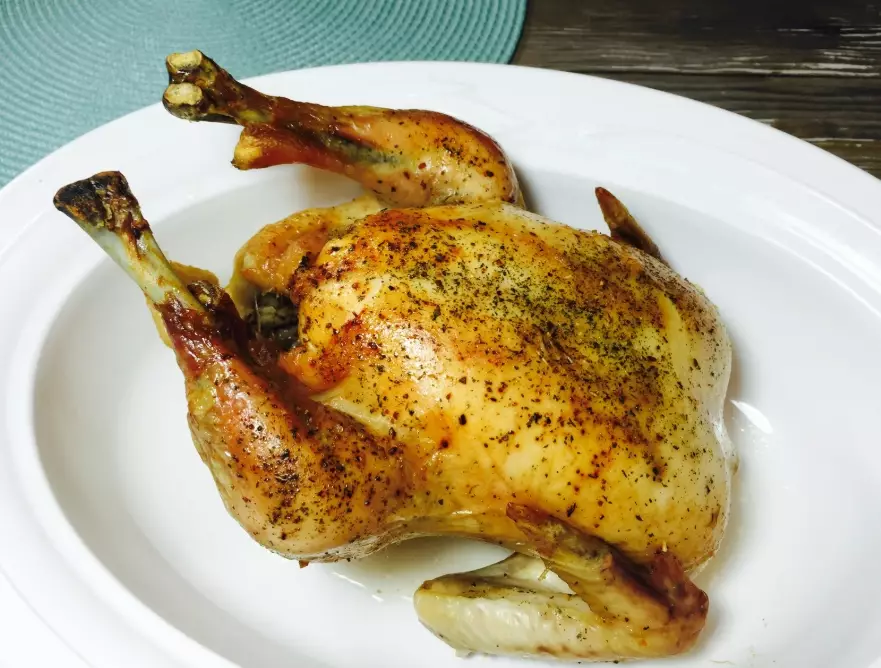 So there you have it. Cooking a perfect whole chicken isn't about a secret ingredient; it's about patience in the prep (drying, salting early) and a smart technique during cooking (high heat, the flip). Follow this, and that dream of a consistently juicy, crispy-skinned roast chicken becomes your weeknight reality. Now, go preheat that oven.
Related Articles