Is Chicken Thigh Dark Meat? The Ultimate Guide to Nutrition & Cooking
Jump Straight to What Matters
Yes, chicken thigh is dark meat. I learned this the hard way after ruining a batch by treating it like white meat—dry, tough, and disappointing. But once I understood why, my cooking transformed. Let's cut to the chase: dark meat comes from muscles chickens use frequently, like legs and thighs, packed with myoglobin for endurance. This isn't just trivia; it affects flavor, nutrition, and how you should cook it.
If you've ever wondered why thighs stay juicy when breasts dry out, or if they're actually unhealthy, you're in the right place. I've spent years experimenting, from grilling failures to slow-cooker successes, and I'll share what most guides miss.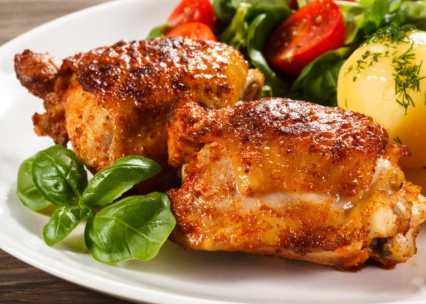
What Makes Chicken Thigh Dark Meat?
It all boils down to biology. Chickens aren't marathon runners, but they walk and scratch a lot, using their leg muscles constantly. Those muscles need oxygen, and myoglobin—a protein that stores oxygen—gives them a darker color. Thighs are loaded with it, while breasts, used for short bursts like flying, have less.
The Science of Meat Color: Myoglobin Explained
Myoglobin is like a tiny oxygen tank in muscle cells. More activity means more myoglobin, hence darker meat. According to the USDA, dark meat can have up to three times the myoglobin of white meat. That's why thighs look reddish-pink raw and turn deeper brown when cooked. I once assumed color indicated doneness, but that's a rookie mistake—thighs stay darker even at safe temperatures.
Chicken Anatomy: Why Thighs Are Different
Think of a chicken's thigh as the workhorse. It's connected to the drumstick, with more connective tissue and fat marbling. This isn't bad; it's what makes thighs forgiving for cooks. When I grill, thighs handle heat fluctuations better than breasts, which can go from perfect to rubbery in minutes.
Here's a quick analogy: white meat is a sprinter, dark meat is a long-distance walker. One tires quickly, the other endures. That endurance translates to cooking—thighs thrive with low and slow methods.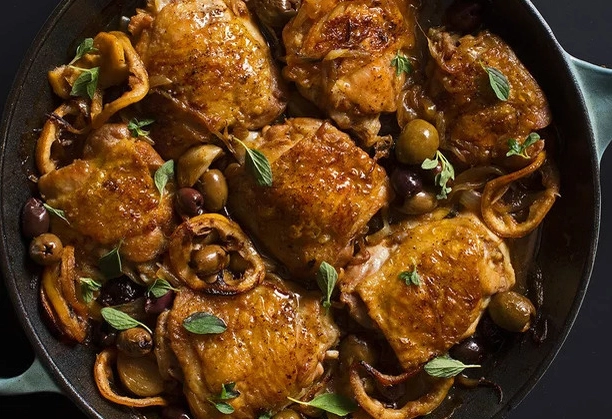
Nutritional Showdown: Dark Meat vs. White Meat
Everyone says chicken breast is healthier, but that's oversimplified. Dark meat brings unique benefits. Let's compare per 100g cooked serving, based on data from the U.S. Department of Agriculture's FoodData Central.
| Nutrient | Chicken Thigh (Dark Meat) | Chicken Breast (White Meat) |
|---|---|---|
| Calories | 209 kcal | 165 kcal |
| Protein | 26g | 31g |
| Total Fat | 10g | 3.6g |
| Iron | 1.3mg (15% DV) | 0.9mg (10% DV) |
| Zinc | 2.4mg (22% DV) | 1.0mg (9% DV) |
Thighs have more iron and zinc—key for immunity and energy. The extra fat? It's mostly unsaturated, the heart-healthy kind. I used to avoid thighs on diets, but now I include them for variety. The fat adds flavor, so you might use less salt or sauce, cutting sodium intake.
For a family meal, thighs offer more satisfaction. My kids gobble them up because they're juicier, meaning less food waste. If you're calorie-conscious, remove the skin; that slashes fat by half without sacrificing tenderness.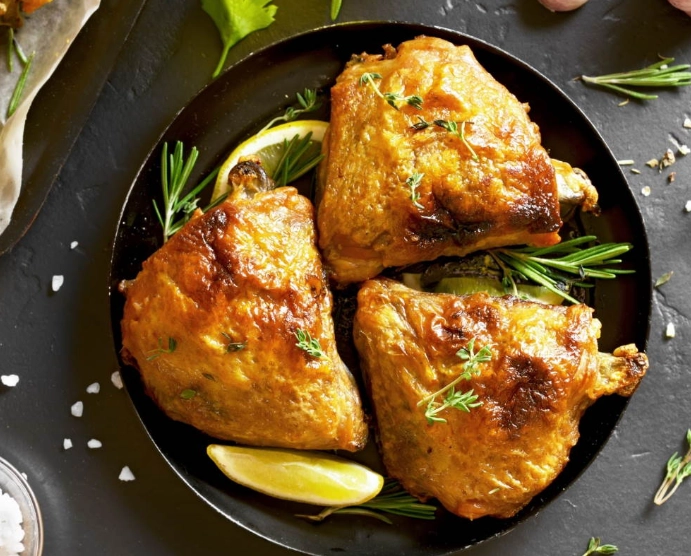
How to Cook Chicken Thighs Perfectly Every Time
Cooking dark meat isn't harder, just different. The goal is to render fat and break down connective tissue. Here's my foolproof method, honed from trial and error.
Common Mistakes That Ruin Chicken Thighs
First, avoid high heat from start to finish. Thighs have collagen that needs time to melt into gelatin. Rushing leads to tough outsides and raw insides. Another pitfall: not patting them dry. Moisture steams instead of sears, robbing you of that crispy skin. I learned this hosting a barbecue—soggy thighs are a letdown.
Also, don't overcrowd the pan. Give them space to brown. Crowding drops the temperature, and they end up boiling in their own juice.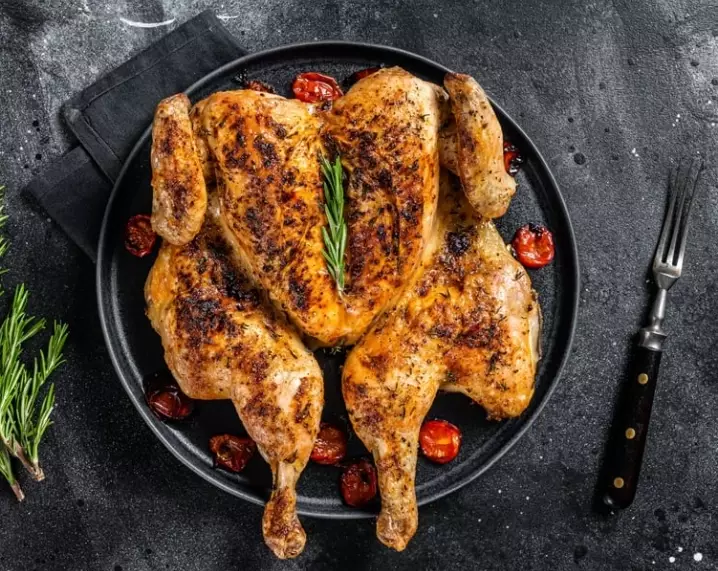
My Favorite Chicken Thigh Recipe: A Step-by-Step Guide
This is a weeknight staple at my home. It leverages the thighs' richness without fuss.
Ingredients: 4 bone-in, skin-on chicken thighs, 1 tbsp olive oil, salt, pepper, 2 garlic cloves (minced), 1 tsp paprika, ½ cup chicken broth.
Steps:
- Pat thighs dry with paper towels. This is non-negotiable—it ensures a crisp skin.
- Season generously with salt, pepper, and paprika. Don't be shy; dark meat can handle bold flavors.
- Heat oil in an oven-safe skillet over medium-high. Add thighs skin-side down. Cook 5-7 minutes until golden. No peeking! Let them sear.
- Flip, add garlic, and cook 2 minutes. Pour in broth, then transfer skillet to a preheated oven at 375°F (190°C). Bake 25 minutes.
- Check with a thermometer: 165°F (74°C) at the thickest part. Rest 5 minutes before serving.
The broth keeps them moist, and the oven finish ensures even cooking. I've served this to friends who claimed they hated dark meat—they asked for seconds.
For a healthier twist, try air-frying. At 400°F (200°C) for 18-20 minutes, skin gets crispy without extra oil. It's my go-to for meal prep.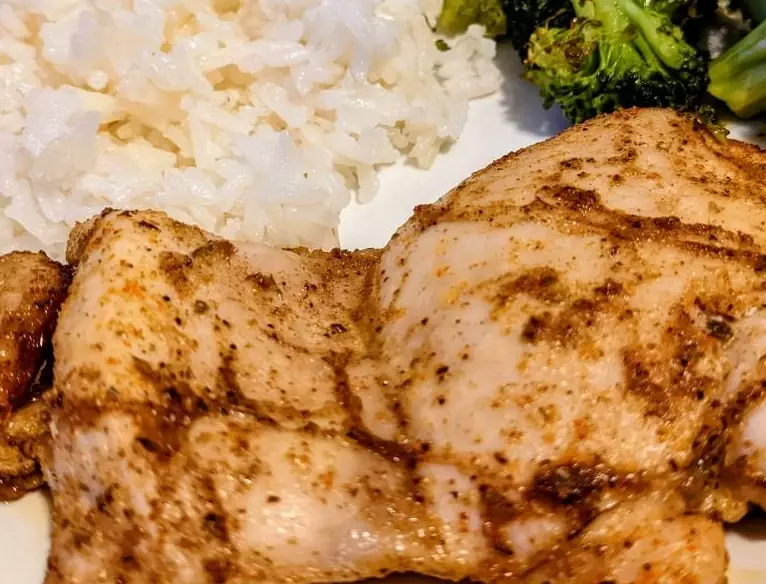
Debunking Myths About Dark Meat Chicken
Myth 1: Dark meat is unhealthy. Not true—it's nutrient-dense. The fat content is modest, and it provides essential minerals. In moderation, thighs fit any diet.
Myth 2: It's always greasy. Only if you cook it wrong. Proper rendering removes excess fat. I trim visible fat if I want it leaner, but leaving some adds flavor.
Myth 3: You can't use it in salads or light dishes. Baloney. Chopped cooked thighs add richness to grain bowls. I toss them with quinoa, veggies, and a lemon vinaigrette—it beats dry breast any day.
I once believed these myths, opting for bland breasts to be "healthy." Now, I balance both. Variety is key to sustainable eating.
Your Burning Questions Answered
Wrapping up, chicken thigh is dark meat, and that's a good thing. It's flavorful, nutritious, and versatile. Next time you're at the store, grab a pack of thighs and try my recipe. You might just ditch those dry breasts for good.
I still remember the first time I got it right—crispy skin, juicy interior, and no fuss. It felt like a win. Cooking should be enjoyable, not a science experiment. So embrace the dark side; your taste buds will thank you.
Related Articles