Raw Chicken Wings: From Market to Masterpiece (Recipes & Safety)
You're standing in the grocery store, staring at a tray of raw chicken wings. They look... potential. They could be the star of game day, a hit at your next barbecue, or a disappointing, soggy mess. I've been there. After years of trial and error (mostly error in the beginning), I've learned that the journey from that raw package to crispy, flavorful perfection is all about nailing a few non-negotiable steps. This isn't just another list of recipes. It's a blueprint for wing mastery, covering the stuff most recipes gloss over: how to buy them, handle them safely, and avoid the pitfalls that lead to mediocre results.
Quick Navigation: Your Wing Success Map
- Smart Shopping: Picking the Best Raw Wings
- The Non-Negotiable: Safe Handling of Raw Chicken
- The Prep Step Everyone Skips (Don't You Dare)
- 3 World-Class Recipes for Raw Chicken Wings
- Bake, Fry, or Air Fry? The Method Showdown
- Why Your Wings Fail: 3 Critical Mistakes
- Your Burning Wing Questions, Answered
Smart Shopping: Picking the Best Raw Wings
Not all raw chicken wings are created equal. The choice you make here sets the stage.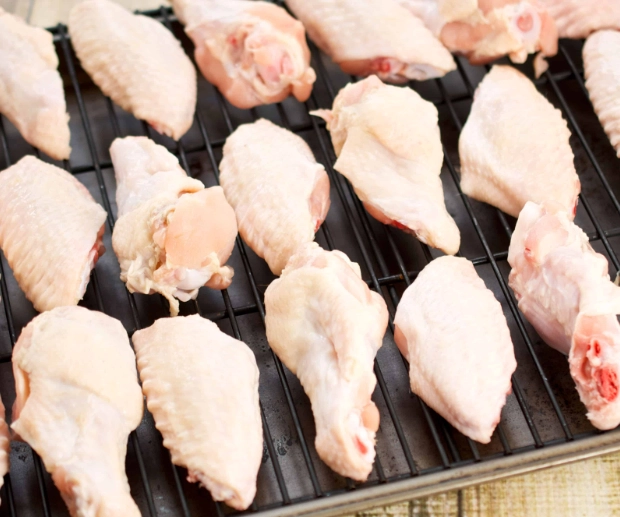
Fresh vs. Frozen: Fresh is great if you're cooking them that day. But don't dismiss frozen. High-quality frozen wings are often flash-frozen at peak freshness and can be more economical. Just ensure the package is intact with no signs of freezer burn (those white, icy patches).
Label Lingo:
• "Air-Chilled": This is a premium keyword. It means the chicken was cooled with air, not dunked in a cold water bath. Result? The meat absorbs less water, leading to crispier skin and more concentrated flavor. Worth the extra dollar if you see it.
• "Natural" or "No Hormones Added": By USDA law, poultry is never given hormones, so this is mostly marketing. Focus on the air-chilled note instead.
• Size Matters: "Party wings" or "drums/flats separated" save you prep work. Whole wings are cheaper but require you to disjoint them.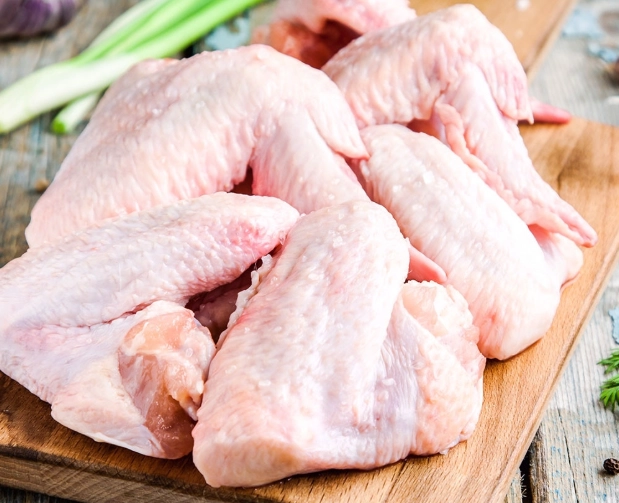
Pro Tip: Check the "packed on" or "sell by" date. Choose the package farthest out. Give the wings a gentle press through the plastic—they should feel firm, not slimy or sticky.
The Non-Negotiable: Safe Handling of Raw Chicken
Let's get serious for a second. Raw poultry can carry bacteria like Salmonella. The rules are simple but critical.
I keep a dedicated cutting board just for raw meat. Plastic is easier to sanitize than wood. The moment you get home, if you're not cooking within a day or two, freeze them. Otherwise, store them on the bottom shelf of your fridge in a sealed container or their original tray to prevent juices from dripping.
The Golden Rule: Never, ever rinse raw chicken wings under the tap. This doesn't clean them; it just aerosolizes bacteria around your sink, spreading it to counters and utensils. Cooking to the proper temperature (165°F/74°C) is what kills bacteria, not washing. The USDA is very clear on this point.
The Prep Step Everyone Skips (Don't You Dare)
Here's the single biggest mistake home cooks make, and it's the reason wings turn out steamed and flabby instead of crispy.
You must pat the raw chicken wings completely dry with paper towels. I mean, really get in there. Moisture is the enemy of crisp skin. After drying, let them sit on a rack for 10-15 minutes uncovered in the fridge. This air-dries the skin further.
Now, for a trick most won't tell you: a light dusting of baking powder (not baking soda!). Mix about 1 tablespoon of aluminum-free baking powder with 2 teaspoons of salt and sprinkle it over the dried wings. The baking powder raises the skin's pH, helping it brown and crisp spectacularly in the oven. It's a game-changer for baked wings.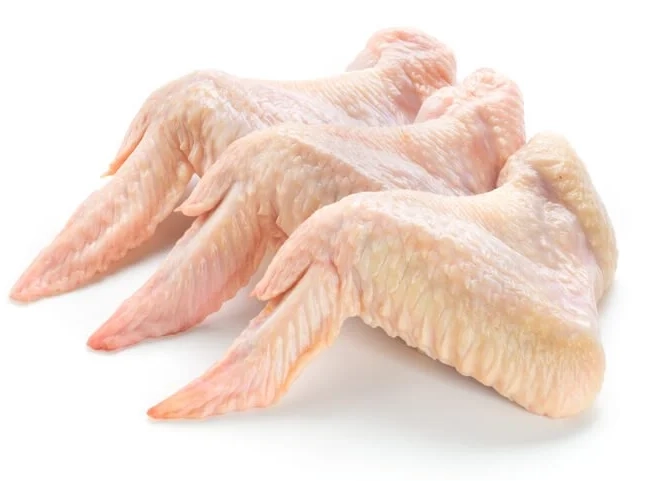
3 World-Class Recipes for Raw Chicken Wings
Once your wings are dry, the world is your oyster sauce. Here are three flavor-packed starting points.
1. The Classic Buffalo
This is about balance, not just heat. For about 2 lbs of raw wings.
Dry Rub: 1 tsp garlic powder, 1 tsp paprika, 1 tsp salt, ½ tsp black pepper. Toss with dried wings.
Cook: Bake at 400°F (205°C) for 45-50 mins until crispy, or air fry at 380°F (193°C) for 22-25 mins, shaking halfway.
Sauce: While hot, toss in a bowl with a mix of ½ cup Frank's RedHot sauce and ⅓ cup melted unsalted butter. The butter tames the heat and helps the sauce cling. Serve with celery and blue cheese dressing.
2. Sticky-Sweet & Garlicky Asian Glaze
This one gets requests every time. For 2 lbs wings.
Marinade/Glaze: Whisk together ⅓ cup soy sauce, ¼ cup honey, 2 tbsp rice vinegar, 1 tbsp minced ginger, 4 cloves minced garlic, 1 tbsp sesame oil, and 1 tsp sriracha.
Method: Reserve half the sauce. Toss raw, dried wings in the other half and marinate for 30 mins (not longer, or the soy sauce can make the skin rubbery). Cook as desired. In the last 5 minutes of cooking, brush with reserved glaze to caramelize.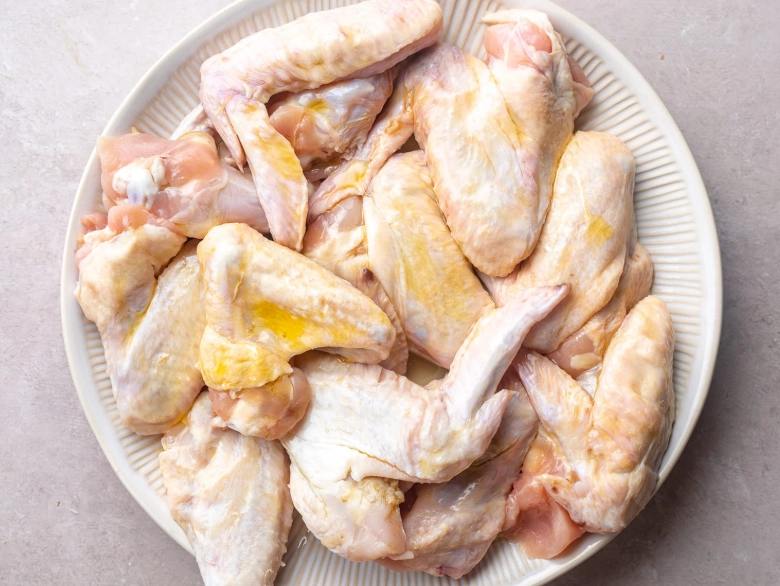
3. Simple Lemon-Pepper Dry Rub
For when you want maximum crunch. No sauce needed.
The Rub: Zest of 2 lemons, 2 tbsp coarsely ground black pepper, 1 tbsp salt, 2 tsp garlic powder, 1 tsp onion powder, 1 tsp dried thyme.
Key Step: After cooking your wings until golden and crispy, toss them in a bowl with the lemon-pepper rub while they're piping hot. The heat "toasts" the pepper and releases the lemon oils. Finish with a squeeze of fresh lemon juice.
Bake, Fry, or Air Fry? The Method Showdown
Your tool changes the texture. Here’s the breakdown.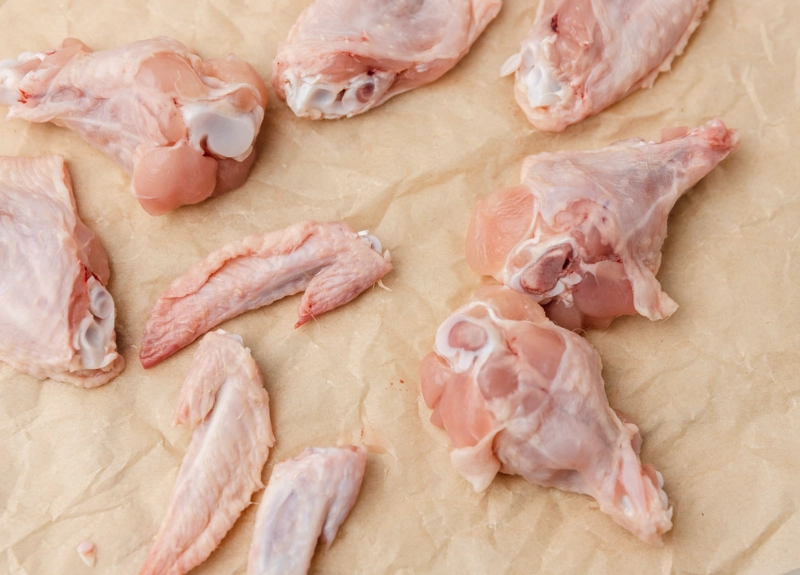
| Method | Texture Result | Effort & Time | Best For |
|---|---|---|---|
| Oven Baking | Very Crispy (with baking powder trick) | Low effort, ~50 mins | Large batches, hands-off cooking, healthier option. |
| Deep Frying | Ultra-Crispy, Classic | High effort, messy, ~10-12 mins | Authentic restaurant-style texture, speed. |
| Air Frying | Excellent Crisp, Less Greasy | Medium effort, ~25 mins | Small batches, quick weeknight meals, minimal oil. |
| Grilling | Smoky & Charred | Medium effort, ~25-30 mins | Summer BBQs, smoky flavor infusion. |
My personal go-to? The air fryer for speed and clean-up, or the oven when I'm feeding a crowd. Deep frying is a rare, special-event treat.
Why Your Wings Fail: 3 Critical Mistakes
Let's diagnose common failures.
1. Soggy Skin
Cause: Not drying the raw wings, overcrowding the pan (they steam each other), or saucing too early. Sauce only after they are fully cooked and crispy.
2. Bland Meat
Cause: Just seasoning the outside. For deeper flavor, use a dry brine: salt the raw wings heavily and leave them uncovered in the fridge for 4-24 hours before cooking. The salt penetrates deeply.
3. Burnt Sauce
Cause: Adding a sugary sauce (like BBQ or honey glaze) at the start of cooking. Sugar burns. Always apply sweet sauces in the last 5-10 minutes of cooking.
Your Burning Wing Questions, Answered
How long can I marinate raw chicken wings in the fridge?
Why are my baked chicken wings soggy and not crispy?
What's the safest internal temperature for cooked chicken wings?
Can I refreeze raw chicken wings that have thawed?
So, next time you face that tray of raw chicken wings, you won't see a mystery. You'll see a blank canvas. You know how to pick them, dry them, season them, and cook them to crispy, juicy perfection. The only question left is: which flavor are you trying first?
Related Articles