Perdue Chicken Fresh Cuts: The Ultimate Guide to Convenient & Healthy Chicken
In This Article
- What Exactly Are Perdue Chicken Fresh Cuts?
- The Quality Question: Is Perdue Chicken Good?
- The Perdue Fresh Cuts Product Lineup: A Quick Guide
- Cooking with Perdue Fresh Cuts: Tips & Tricks
- Cost Analysis: Are They Worth the Money?
- Common Questions (The Stuff You Actually Google)
- Final Verdict: Who Should Buy Perdue Chicken Fresh Cuts?
Let's be honest. Most of us want to eat healthier, cook more at home, and maybe even impress our friends with a decent meal. But then reality hits. You get home from work, you're tired, the fridge is a mystery land of half-used ingredients, and the thought of wrestling with a whole chicken, a knife, and a cutting board feels like a chore you just can't face. Sound familiar?
That's where products like Perdue Chicken Fresh Cuts come in. They promise to take the fuss out of cooking chicken. No more mess, no more waste, just open the package and get cooking. But are they worth it? Is the quality good? Are they a smart buy for your health and your wallet? I've been buying and cooking with these for a while now, and I've got some thoughts—the good, the bad, and the juicy.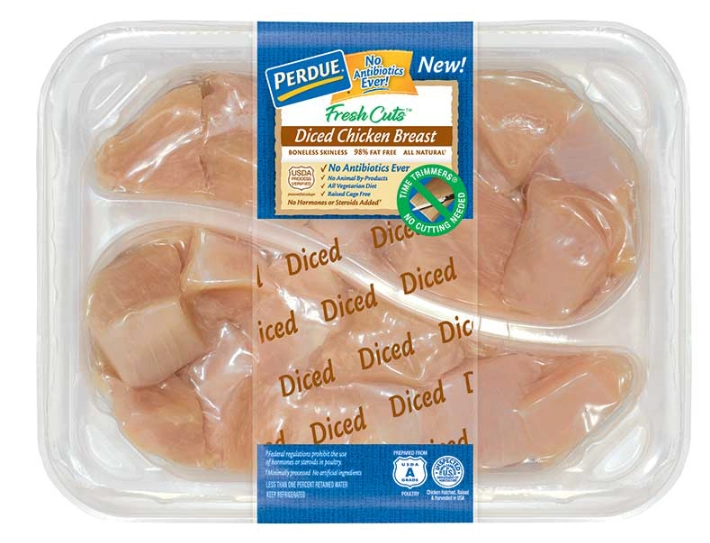
What Exactly Are Perdue Chicken Fresh Cuts?
In a nutshell, Perdue Chicken Fresh Cuts are exactly what they sound like: chicken parts (like breast, thigh, or a mix) that have been pre-cut into uniform, ready-to-cook pieces. They come in sealed trays, usually refrigerated, not frozen. The idea is brilliant in its simplicity. Instead of buying a whole breast and spending 10 minutes trimming fat, removing tendons, and cubing it yourself, you get a tray of neat, bite-sized pieces ready for the skillet, stir-fry, or salad.
Perdue offers a few different lines under this umbrella. You've got the classic Perdue Fresh Cuts, which are just the plain chicken. Then there's the Perdue Fresh Cuts with Seasonings—these come pre-marinated in flavors like Italian Herb, Lemon Garlic, or Fajita. They're aiming for maximum convenience.
Key Takeaway: The core value proposition is time-saving convenience. It's for the busy parent, the novice cook, or anyone who just wants to get dinner on the table with minimal prep and cleanup.
The Quality Question: Is Perdue Chicken Good?
This is the million-dollar question, right? You can have all the convenience in the world, but if the chicken tastes bland, is tough, or has a weird texture, it's a no-go. Here's my experience.
Perdue, as a brand, has been around forever. They've built a reputation on being a major poultry producer. Their marketing heavily emphasizes no antibiotics ever and humane animal care standards. For the specifics on their animal welfare commitments, you can check their official Animal Care page. It's a good resource if that's important to your buying decision.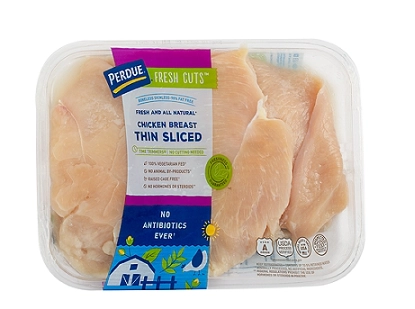
Taste and Texture
The plain, unseasoned Perdue Fresh Cuts chicken breast has been consistently... fine. It's not going to win a taste award against a locally sourced, air-chilled heritage breed chicken. But for a mass-market, convenient product, it's perfectly acceptable. The texture is tender enough, especially if you don't overcook it. I've found the key is to cook them hot and fast—a quick sear in a pan or a fast bake. They can dry out if you forget about them (but hey, that's true of all chicken breast).
My take: The texture is better than I expected. I was worried it would be mushy or have that "pumped" feel, but it doesn't. It's not quite as firm as a chicken breast I'd cut myself from a whole piece, but the difference is minor for weeknight cooking.
The seasoned varieties are a mixed bag. The Lemon Garlic is pretty good—actually has a nice zing. The Italian Herb is decent. But sometimes the seasoning can be a bit one-note or salty. It's convenient, but you sacrifice control over the flavor profile. If you're a confident cook, you might prefer to season the plain cuts yourself.
Nutrition and Ingredients
This is crucial. Let's look at the plain chicken breast cuts first. The ingredient list should be short: Chicken Breast. And for the most part, it is. However, I've noticed some packages list a solution containing water, salt, and sometimes natural flavors. This is a common industry practice to help retain moisture. It's not a deal-breber, but it's something to be aware of if you're watching your sodium intake closely.
The seasoned versions, obviously, have more ingredients. They include the marinade or seasoning blend. Always check the label if you have specific dietary needs or are avoiding certain ingredients like added sugars or certain oils.
Watch out for: The sodium content in the seasoned versions can be significantly higher than the plain cuts. If you're cooking for someone with hypertension or just trying to reduce salt, the plain Perdue chicken fresh cuts are the safer bet, and you can control the salt yourself.
The Perdue Fresh Cuts Product Lineup: A Quick Guide
Navigating the cooler aisle can be confusing. Here’s a breakdown of what you're likely to find, based on what's commonly available in major grocery stores.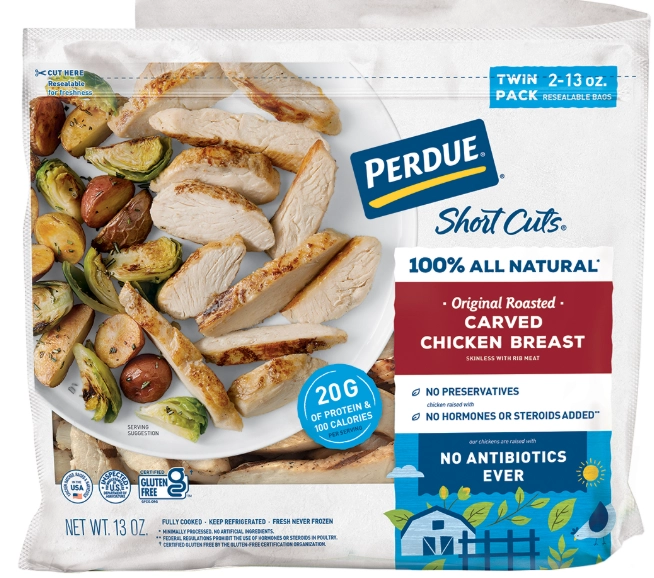
| Product Type | Best For | My Personal Rating (1-5) | Price Point Note |
|---|---|---|---|
| Plain Diced Chicken Breast | Stir-fries, salads, soups, chicken tacos, meal prep | 4/5 (Versatile and reliable) | Mid-range, more than whole breast |
| Plain Chicken Thigh Bites | Curries, stews, braises (holds up better to longer cooking) | 4.5/5 (More flavor, stays juicy) | Similar to breast, sometimes a bit less |
| Seasoned Cuts (e.g., Lemon Garlic) | Quick skillet meals, pasta toss-ins, easy protein | 3.5/5 (Convenient, flavor can vary) | Premium price for seasoning |
| Strips or Fajita Cuts | Fajitas, Philly cheesesteak sandwiches, stir-fry strips | 4/5 (Right shape for the job) | Similar to diced |
My go-to is almost always the plain diced chicken breast or the thigh bites. They give me the most flexibility. The seasoned ones are for those "I literally have zero mental energy" nights.
Cooking with Perdue Fresh Cuts: Tips & Tricks
Okay, so you've bought a pack. Now what? Cooking these is different from cooking a whole breast or thigh.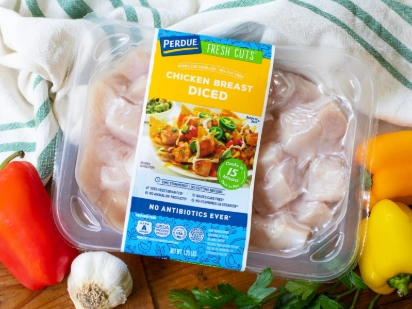
1. Don't Overcook Them!
This is rule number one. Because the pieces are small, they cook incredibly fast. I mean, fast. Like 3-5 minutes in a hot pan fast. If you cook them for 10 minutes, you're going to have chicken jerky. Use a thermometer if you're unsure—aim for 165°F (74°C) at the thickest part of a piece. The USDA's safe temperature chart is the final word on food safety.
2. Pat Them Dry
Even the plain cuts can release some moisture in the package. Take a paper towel and just pat the pieces dry before you cook them. This is the secret to getting a nice, golden-brown sear on your Perdue chicken fresh cuts instead of steaming them. It makes a world of difference in flavor and texture.
3. Season Generously (if using plain cuts)
Since they're pre-cut, you have more surface area to season. Don't be shy with your spices, herbs, and a little salt and pepper. Toss them in a bowl with the seasoning before they hit the pan.
4. Best Cooking Methods
- Sautéing/Searing: The #1 method. Hot pan, a little oil, single layer of chicken. Don't crowd the pan! Cook in batches if you have to.
- Stir-frying: Perfect for the diced or strip cuts. Again, high heat is key.
- Baking/Roasting: Works well. Spread on a baking sheet, drizzle with oil, roast at 400°F (200°C) for 10-15 minutes. Toss halfway.
- Slow Cooking/Stewing: Ideal for the thigh bites. They'll stay tender even after hours.
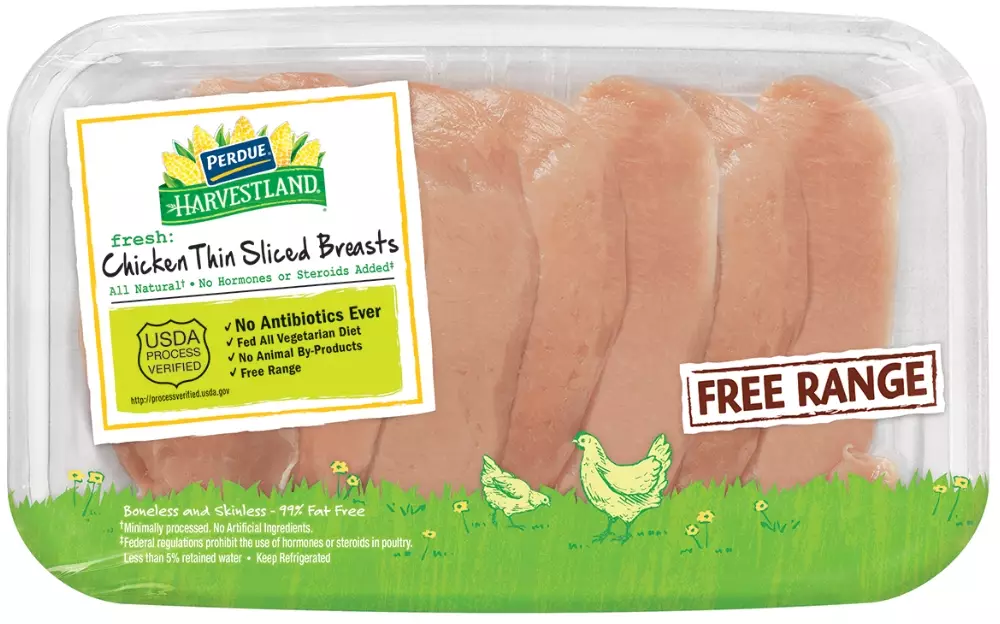
I learned the hard way that crowding the pan is the enemy of good browning. Now I cook my Perdue Fresh Cuts in two batches. It takes an extra two minutes but the flavor upgrade is huge.
Cost Analysis: Are They Worth the Money?
Let's talk dollars and cents. This is often the biggest sticking point for people.
Yes, a package of Perdue chicken fresh cuts costs more per pound than buying a whole chicken breast. You're paying for the labor of cutting, the packaging, and the convenience. It's a premium.
But here's how I justify it sometimes:
- Reduced Waste: When I cut a whole breast, I inevitably trim off bits of fat and sinew that get thrown away. With the pre-cut version, I use every last piece in the package. So the net cost-per-serving might be closer than it seems.
- Time is Money: On a busy night, saving 10-15 minutes of prep and cleanup has real value. It might mean the difference between ordering a $25 pizza and cooking a $12 meal at home.
- Portion Control: The packages are typically 1 to 1.5 pounds, which is a manageable amount for 2-4 people. No temptation to cook too much and then have leftovers go to waste.
That said, if you're on a very tight budget or you genuinely enjoy the process of butchering your own chicken (some people find it therapeutic!), then these are probably not for you. The value is subjective and depends heavily on your personal circumstances.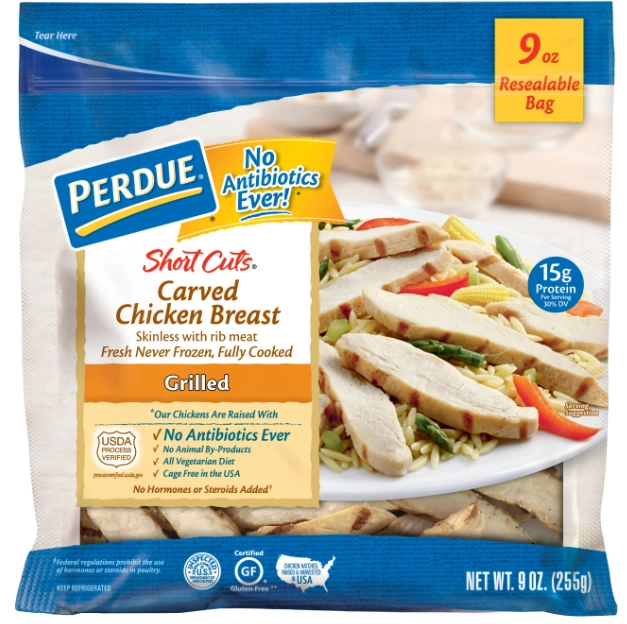
Pro-Tip: Look for sales and coupons! Perdue often runs promotions. Stocking up when they're on sale can make the price point much more attractive.
Common Questions (The Stuff You Actually Google)
Final Verdict: Who Should Buy Perdue Chicken Fresh Cuts?
Let's wrap this up.
You'll probably love these if:
- You're short on time during the week.
- You hate the mess and hassle of raw chicken prep.
- You're a beginner cook intimidated by cutting raw meat.
- You want to reduce food waste and have perfectly portioned protein.
- You're doing meal prep and want uniform pieces for easy cooking.
You might want to skip them if:
- Your grocery budget is extremely tight and every penny counts.
- You are a purist about food and prefer to process everything from scratch.
- You need very specific, large, or unusual cuts of chicken.
- You are highly sensitive to sodium and avoid any added solutions.
At the end of the day, Perdue Chicken Fresh Cuts are a tool. They won't magically make you a chef, but they can remove a significant barrier to cooking a healthy, home-cooked meal. And sometimes, that's exactly what you need. Give them a try on a busy night and see if the convenience outweighs the cost for your lifestyle. You might just find yourself reaching for them more often than you think.
Happy (and easier) cooking!
Related Articles