The Ultimate Guide to Boneless Chicken Thigh: Recipes, Tips & More
Let's cut to the chase. If you're tired of chicken breasts that turn into shoe leather the second you glance away from the pan, it's time to switch teams. The boneless, skinless chicken thigh is the forgiving, flavor-packed, budget-friendly hero your weeknight dinners have been begging for. I'm not just talking about a different cut of meat; I'm talking about a completely different cooking experience—one where success is almost guaranteed.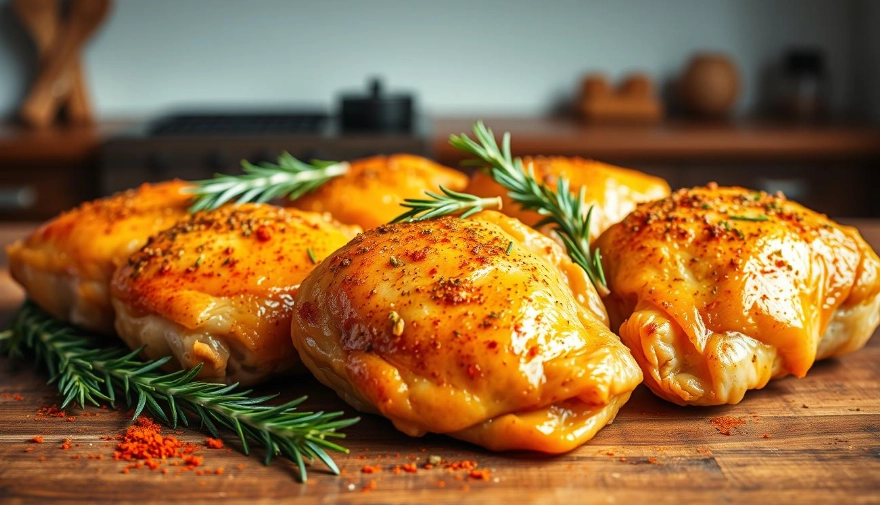
What's Inside This Guide?
Why Boneless Chicken Thighs Beat Breast Every Time
It all comes down to fat. A boneless, skinless chicken thigh has about 7-9 grams of fat, according to USDA data, while a breast has 1-2 grams. That extra fat isn't a bad thing—it's flavor insurance. It bastes the meat from the inside as it cooks, leading to juicier results even if you accidentally overcook it by a few minutes.
Here’s what that means for you in the kitchen:
- Forgiving Texture: Thighs stay tender across a wider range of internal temperatures (160°F to 180°F/71°C to 82°C is still juicy). Breasts get dry past 165°F (74°C).
- Deep, Rich Flavor: The fat carries spices and marinades better. Thighs taste like chicken, not just a protein vehicle.
- Better Value: They're often cheaper per pound than breasts. You get more flavor for less money.
I learned this the hard way early in my cooking journey. I'd meticulously follow a breast recipe, pull it at 165°F, and it'd still be dry. Switching to thighs was a revelation—suddenly, my stir-fries, curries, and sheet-pan dinners were consistently good.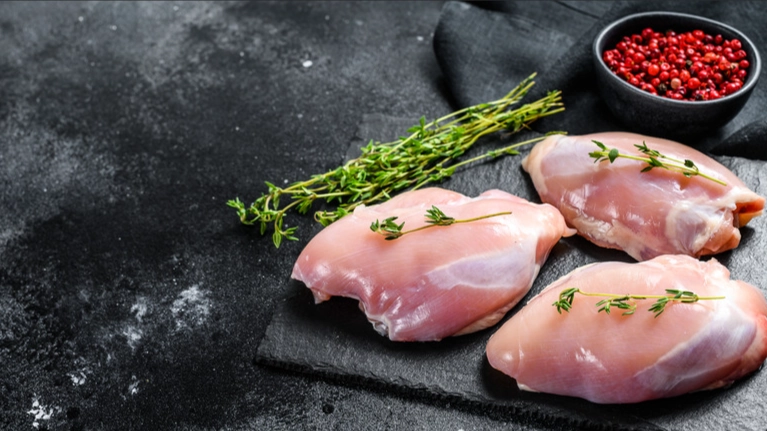
How to Cook Boneless Chicken Thigh Perfectly (3 Methods)
The beauty of this cut is its versatility. But each method has a trick to unlock its best self.
1. The Golden Rule: Pat Them Dry
This is the single most overlooked step. No matter your cooking method, take two minutes to pat the thighs completely dry with paper towels. Wet meat steams instead of sears. You'll never get a good crust if you skip this. I lay them out on a tray, give them a good press, and even leave them uncovered in the fridge for 30 minutes if I have time. It makes a world of difference.
2. Pan-Searing for Maximum Flavor
This is my go-to for a quick, restaurant-quality result. You need a heavy skillet (cast iron or stainless steel) and medium-high heat.
Season well. Get your pan hot, add a thin layer of high-smoke-point oil (avocado, grapeseed). Lay the thighs in, presentation side down. Don't touch them for 5-6 minutes. That's how you build the crust. Flip, cook for another 4-5 minutes until cooked through. Let them rest for 5 minutes before slicing—this lets the juices redistribute. If you slice immediately, all the good stuff runs out onto the cutting board.
3. Oven-Roasting for Hands-Off Ease
Perfect for meal prep or feeding a crowd. Toss thighs with oil, salt, pepper, and any dried herbs. Spread on a parchment-lined sheet pan. Roast at 425°F (220°C) for 18-22 minutes. The high heat gives a nice exterior while keeping the inside moist.
4. Slow Cooking or Braising for Fall-Apart Tenderness
Thighs are kings of the slow cooker. They hold up to long, moist cooking without disintegrating. For a simple braise, sear them first (that fond is flavor gold), then add liquid (broth, tomatoes, coconut milk) and simmer gently on the stovetop or in a 325°F (160°C) oven for 45-60 minutes. The connective tissue melts, making them incredibly tender.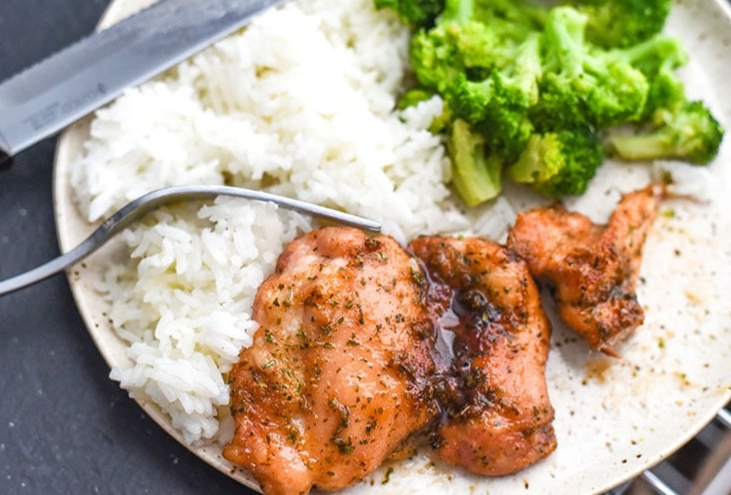
3 Can't-Miss Boneless Chicken Thigh Recipes
Let's move from theory to practice. Here are three foundational recipes that showcase the thigh's range.
Recipe 1: The Weeknight Pan-Seared Thigh with Garlic & Herbs
What you'll get: A juicy, crispy-skinned (if you keep the skin on) thigh with a simple pan sauce in under 30 minutes.
Ingredients (for 4): 1.5 lbs boneless chicken thighs, 2 tbsp olive oil, 4 cloves garlic (sliced), 1 tsp dried thyme or rosemary, 1/2 cup chicken broth, 2 tbsp butter, salt & pepper.
The Process: Pat thighs dry, season. Sear in hot oil as described above. Remove thighs. Lower heat, add garlic and herbs to the pan, cook for 30 seconds until fragrant. Pour in broth, scrape up the browned bits. Let it simmer and reduce by half. Off heat, swirl in butter until creamy. Pour sauce over rested thighs. Serve with mashed potatoes or crusty bread.
Recipe 2: "Set It and Forget It" Honey Soy Sheet Pan Thighs
What you'll get: A complete, glazy meal with minimal cleanup.
Ingredients: 1.5 lbs boneless chicken thighs, 2 bell peppers (sliced), 1 red onion (sliced), 1 broccoli crown (cut into florets). For the glaze: 1/4 cup soy sauce, 2 tbsp honey, 1 tbsp rice vinegar, 1 tsp grated ginger, 2 cloves minced garlic.
The Process: Whisk glaze ingredients. In a large bowl, toss thighs and veggies with most of the glaze. Spread everything on a sheet pan. Roast at 425°F (220°C) for 20 minutes. Brush with remaining glaze, roast for another 5-7 minutes until chicken is cooked and veggies are tender. That's it.
Recipe 3: The Ultimate Meal Prep: Slow Cooker Chipotle Chicken Thighs
What you'll get: Shredded chicken packed with smoky heat, perfect for tacos, bowls, salads, or sandwiches all week.
Ingredients: 2 lbs boneless chicken thighs, 1 can (7 oz) chipotle peppers in adobo sauce (use 2-3 peppers + 2 tbsp sauce for medium heat, adjust to taste), 1 cup chicken broth, 1 diced onion, 4 cloves garlic, 1 tbsp cumin, juice of 1 lime.
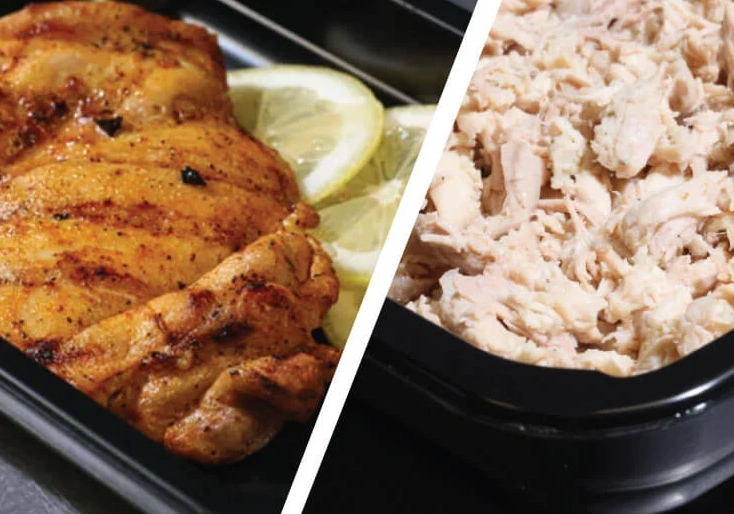
The Process: Blend chipotles, adobo sauce, broth, onion, garlic, and cumin until smooth. Place thighs in slow cooker, pour sauce over. Cook on LOW for 6 hours or HIGH for 3 hours. Shred chicken with two forks directly in the pot, stir in lime juice. The thighs will absorb all that incredible flavor without drying out.
Boneless Chicken Thigh vs. Breast: The Real Deal
It's not that one is universally "better"—it's about choosing the right tool for the job. Here’s a quick breakdown to help you decide.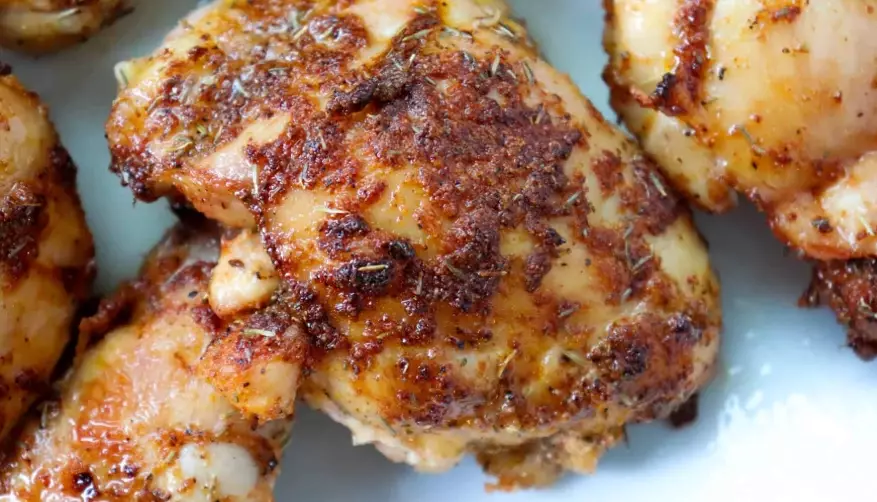
| Factor | Boneless, Skinless Chicken Thigh | Boneless, Skinless Chicken Breast |
|---|---|---|
| Flavor & Juiciness | Winner. Higher fat content means more inherent flavor and a much more forgiving, juicy texture. | Leaner, milder flavor. Prone to drying out if overcooked even slightly. |
| Best Cooking Methods | Pan-searing, grilling, roasting, braising, slow-cooking. Excels in high-heat and slow, moist cooking. | Quick pan-searing, baking at precise temperatures, poaching. Best for dishes where a lean, clean taste is desired. |
| Nutrition (per 3oz cooked) | ~180 calories, 22g protein, 9g fat. More iron and zinc. | ~165 calories, 31g protein, 3.5g fat. More niacin and vitamin B6. |
| Price & Value | Generally less expensive. More flavor per dollar. | Often more expensive. You pay a premium for leanness. |
| My Personal Pick For... | Weeknight dinners, meal prep, saucy dishes (curries, stews), grilling, anything where juicy flavor is key. | Salads where chicken is a cold component, very light sautés, or specific dietary needs requiring ultra-lean protein. |
For 90% of home cooking scenarios, the thigh is the more reliable, satisfying choice.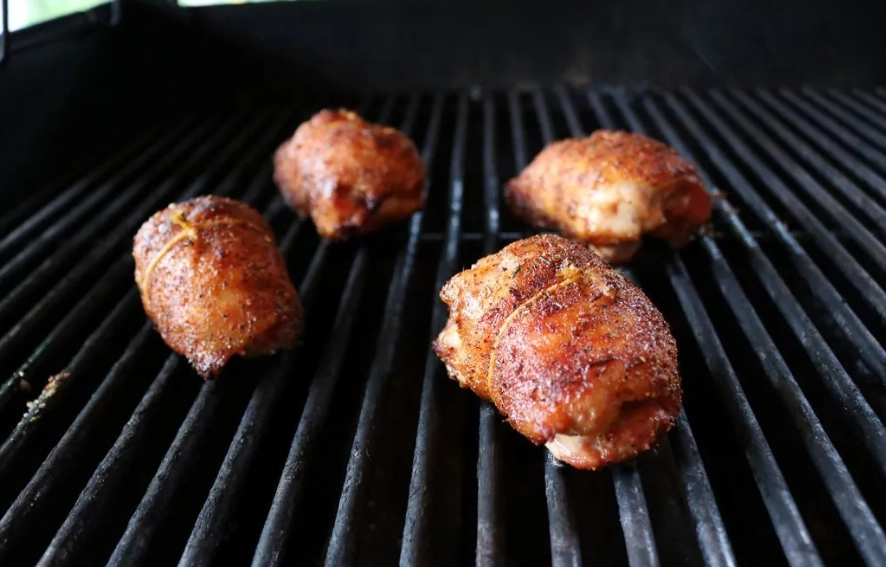
Your Boneless Chicken Thigh Questions, Answered
Why do my boneless chicken thighs always turn out dry and tough, even though they're supposed to be juicy?
You're almost certainly overcooking them. While thighs are forgiving, they have limits. The biggest culprit is using high heat for too long in a dry cooking method (like baking at 400°F for 30 minutes). Aim for an internal temperature of 175°F (79°C) for shredding or 165°F (74°C) for serving whole, and always let them rest. Also, check your source—some pre-packaged thighs are pumped with water and salt ("enhanced"), which can affect texture. Look for packages that say "all natural" or check the ingredients list.
Can I substitute boneless chicken thigh for breast in any recipe?
In most savory recipes, yes, and it will likely improve the dish. The one exception is recipes where cooking time is extremely short and precise, like a quick stir-fry with thinly sliced breast. Thighs are a bit thicker and may need an extra minute or two. For soups, casseroles, bakes, and braises, it's a straight swap. Just be mindful that thighs release more fat, so you might want to skim a bit off the top of a soup or stew.
What's the best way to store and reheat cooked boneless chicken thigh so it doesn't get rubbery?
Store in an airtight container in the fridge for up to 4 days. For reheating, avoid the microwave on high power—it zaps moisture. Instead, reheat gently: chop and stir into a simmering sauce, slice and warm in a covered skillet with a splash of broth or water, or use the oven at 325°F (160°C) wrapped in foil until just warmed through. The goal is to add moisture back, not cook it further.
Is there a trick to getting a really good sear or crispy skin on a boneless thigh?
Three things: dryness, heat, and patience. I've said it before, but pat them bone-dry. Make sure your pan is properly preheated—a drop of water should skitter and evaporate instantly. Don't move the chicken for the first 5 minutes. If you want crispy skin, you need skin-on thighs. Start them skin-side down in a cold pan with no oil (the fat will render). Turn the heat to medium and cook until the skin is deep golden and crisp, 10-12 minutes, before flipping.
How do I know when boneless chicken thighs are fully cooked without a thermometer?
While a thermometer is best (165°F/74°C), the visual/touch test works. Press the thickest part with tongs or a finger. It should feel firm and spring back readily, not soft or squishy. Pierce it with a knife or fork; the juices should run completely clear, not pink. The meat should no longer look glossy and raw in the center. With practice, you'll get a feel for it, but for absolute safety and consistency, a $10 instant-read thermometer is the best investment you can make in your kitchen.
Related Articles