Unlock the Secrets of Frozen Chicken Breasts: Your Ultimate Guide
Let's be honest. The bag of frozen chicken breasts in your freezer is either a lifesaver or a source of constant disappointment. You bought it with the best intentions—meal prep, quick dinners, a healthy protein staple. But too often, the result is a sad, dry, flavorless slab that makes you question your life choices. I've been there. I've served hockey pucks disguised as dinner.
But here's the truth I learned after years of cooking professionally and at home: Frozen chicken breast isn't the problem. The problem is almost always in the how. How we thaw it. How we cook it. How we think about it.
This isn't just another list of tips. This is a deep dive into transforming that humble, economical freezer staple into the most reliable, juicy, and versatile ingredient in your kitchen. We're going beyond "cook to 165°F." We're talking texture, flavor infusion, and techniques that work every single time.
Your Quick Navigation Guide
Understanding Frozen Chicken Breasts: Beyond the Basics
First, a mindset shift. That frozen chicken breast was probably processed and flash-frozen within hours of processing. According to the USDA, freezing effectively pauses the clock on freshness. In many cases, the frozen chicken you buy is "fresher" than the "fresh" chicken sitting in a supermarket display case for days.
The real advantage? Consistency and cost. You get a uniform product, available year-round, at a price that doesn't fluctuate wildly. It's the ultimate blank canvas for meal preppers, budget-conscious families, and anyone who wants to avoid last-minute grocery runs.
But there's a catch most people miss. The freezing process forms ice crystals within the muscle fibers. If you thaw it poorly (looking at you, microwave on high), those crystals rupture the cell walls, and all the moisture—the juice—leaks out before you even start cooking. That's the root cause of dryness. Your goal is to minimize that cellular damage during thawing and then cook it in a way that retains the remaining moisture.
The Critical First Step: Thawing Without Tears
This is where 80% of the battle is won or lost. Rushing this step guarantees a subpar result.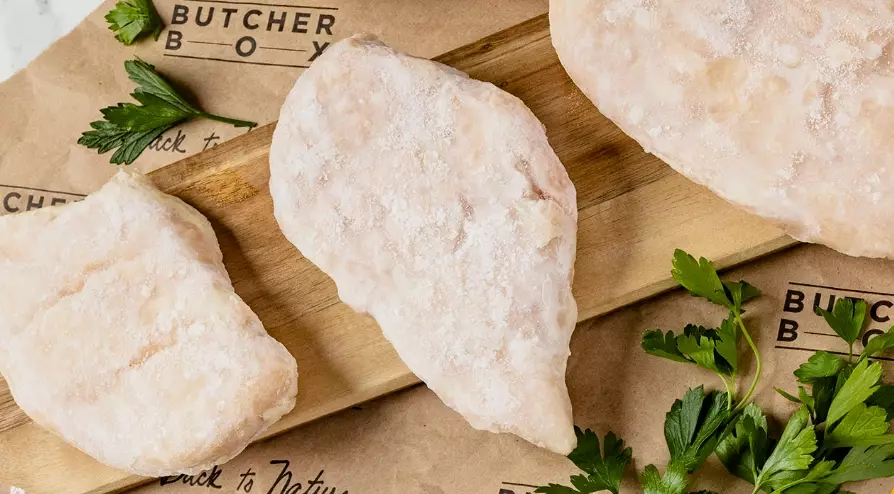
The Gold Standard: Refrigerator Thawing
Plan ahead. Move the chicken from the freezer to a plate or container on the bottom shelf of your fridge. It takes time—usually 12-24 hours for a standard pack. This slow, cold thaw gives the ice crystals time to re-absorb slowly, causing minimal damage. It's the safest and best method for texture. The chicken stays cold, inhibiting bacterial growth.
The Quick Fix: Cold Water Thaw
Forgot to plan? No drama. Keep the chicken in its sealed, leak-proof plastic bag. Submerge it in a large bowl of cold tap water. Change the water every 30 minutes. This method is surprisingly fast, thawing a couple of breasts in about an hour. Never use warm water. It thaws the outside too quickly, bringing it into the bacterial "danger zone" while the inside is still frozen.
The Last Resort: The Microwave
I avoid this if I can. The microwave thaws unevenly and starts cooking parts of the chicken, leading to that weird, rubbery texture. If you must, use the "defrost" setting based on weight, and be prepared to cook the chicken immediately after, as parts will have begun to cook.
Cooking Techniques That Guarantee Juicy Results
Now for the fun part. A perfectly thawed chicken breast is your ticket to a great meal. Here’s how to not waste that ticket.
1. The Pan-Seared & Oven-Finished Method (My Go-To)
This method gives you a gorgeous golden crust and a perfectly cooked interior. Pat the thawed breasts extremely dry with paper towels. Moisture is the enemy of browning. Season generously. Heat a tablespoon of oil in an oven-safe skillet over medium-high heat. Sear the breasts for 3-4 minutes until deeply golden. Flip, then immediately transfer the entire skillet to a preheated 400°F (200°C) oven. Bake for 10-15 minutes, or until a digital thermometer reads 160-162°F (71-72°C). Carryover cooking will bring it to the safe 165°F as it rests.
Resting is not optional. Let it sit on a cutting board, loosely tented with foil, for 5-10 minutes. This allows the tense muscle fibers to relax and re-absorb the juices. Cut into it immediately, and all those juices end up on the board, not in your mouth.
2. The Poaching Method for Meal Prep
For chicken destined for salads, sandwiches, or shredding, gentle poaching is king. It's almost foolproof. Place thawed breasts in a pot or deep pan. Cover with cold water or a light broth by about an inch. Add aromatics—a slice of onion, a smashed garlic clove, a few peppercorns, a bay leaf. Bring to a bare simmer (tiny bubbles, not a rolling boil), then reduce heat to maintain that simmer. Cook for 10-15 minutes. Remove from heat, cover, and let them sit in the hot liquid for another 10-15 minutes. The result is incredibly tender, moist chicken perfect for shredding.
3. The Grilling Method
Grilling frozen chicken breasts requires extra care to avoid charred outside/raw inside. Pound the thawed breasts to an even thickness (about ¾ inch). This is critical. Brush with oil, season, and grill over medium, indirect heat first. Don't put it over roaring flames. Cook for 6-8 minutes per side with the lid closed, moving to direct heat for the last minute for marks. Again, thermometer and rest.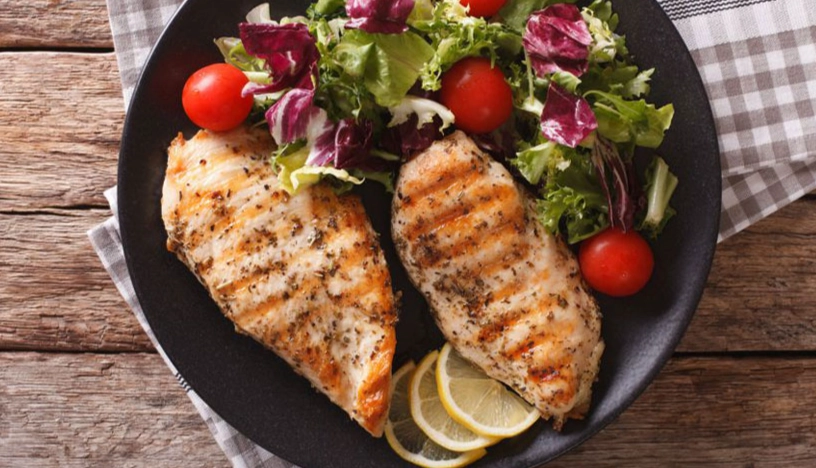
| Cooking Method | Best For | Key to Success | Internal Temp (Before Rest) |
|---|---|---|---|
| Pan-Seared & Oven | Weeknight dinners, impressive presentation | Pat dry, hot pan, finish in oven | 160-162°F (71-72°C) |
| Poaching | Meal prep, salads, shredding | Bare simmer, steep off-heat | 165°F (74°C) |
| Grilling | Summer BBQs, smoky flavor | Even thickness, indirect heat first | 160°F (71°C) |
| Baking | Hands-off cooking, large batches | Brine or marinade, cover with parchment | 165°F (74°C) |
From Bland to Grand: Flavor & Recipe Ideas
Chicken breast is mild. That's its strength. You can take it anywhere. Here are two frameworks to build endless meals.
The Global Marinade Quick-Start: Don't just drizzle soy sauce. Build a profile.
- Asian-Inspired: Soy sauce, grated ginger, minced garlic, a touch of honey or maple syrup, and rice vinegar.
- Mediterranean: Lemon juice, olive oil, dried oregano, garlic, and a spoonful of Greek yogurt for tenderness.
- Tex-Mex: Lime juice, cumin, chili powder, smoked paprika, and a bit of olive oil.
Marinate thawed, dried breasts for at least 30 minutes, up to 4 hours in the fridge.
The "No-Marinate-Needed" Sauce Finish: Cook your chicken plainly using one of the methods above. While it rests, make a quick pan sauce in the same skillet. Sauté a shallot, deglaze with wine or broth, stir in a dollop of mustard and some cream or butter. Pour over the sliced chicken. Instant restaurant-quality dish.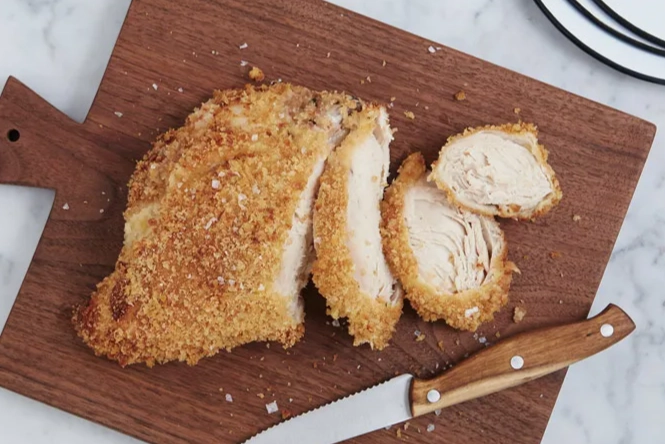
How to Store and Reheat Without Sacrificing Quality
Cooked frozen chicken breast leftovers are a treasure, but reheating turns them into cardboard if done wrong.
Storage: Let cooked chicken cool completely before storing. Slice or shred it for easier use later. Store in airtight containers in the fridge for up to 4 days.
Reheating Champion Method: The microwave is the worst offender. Use your oven or toaster oven. Place the chicken in an oven-safe dish, sprinkle with a teaspoon of water or broth, and cover tightly with foil. Heat at 325°F (160°C) until just warmed through, usually 10-15 minutes. This gentle heat re-warms without continuing to cook and dry it out.
For soups or stews, just add the cold, cooked chicken at the very end, letting it warm in the hot liquid.
Your Frozen Chicken Breast Questions, Answered
 Why do my frozen chicken breasts always turn out dry and rubbery?
Related Articles