Chicken Tenderloin Calories: A Complete Guide to Nutrition & Cooking
Your Quick Guide
- The Basic Nutrition Facts: What's in a Chicken Tenderloin?
- How Cooking DRAMATICALLY Changes the Calorie Count
- Chicken Tenderloin vs. Other Cuts: A Calorie Showdown
- Your Action Plan: How to Keep Chicken Tenderloin Calories in Check
- Answering Your Burning Questions (FAQs)
- Putting It All Together: A Sample Day of Eating
- The Final Word on Chicken Tenderloin Calories
Let's talk about chicken tenderloin calories. It seems like a simple question, right? But if you've ever tried to look it up, you might have found a bunch of different numbers floating around. Is it 100 calories? 110? Does it change if you bake it versus grill it? What if you throw on some marinade?
I remember when I first started paying attention to my diet, I was completely confused. I'd buy a pack of chicken tenderloins, log it into my app, and just pick whatever entry looked vaguely correct. Not the best strategy, honestly. It turns out, getting a solid handle on the calories in chicken tenderloin is one of the best things you can do if you're trying to eat healthier, lose weight, or just fuel your body with clean protein.
So, I decided to dig deep. I looked at official sources, compared cooking methods, and even messed up a few meals in my own kitchen to see what really happens. This isn't just a quick Google answer. This is the full breakdown.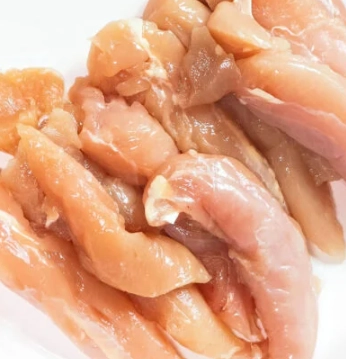
The Basic Nutrition Facts: What's in a Chicken Tenderloin?
First things first, what even is a chicken tenderloin? It's that little strip of meat you find attached to the underside of the chicken breast. It's super tender (hence the name), lean, and cooks really fast. Because it's so lean, the calorie profile is fantastic for anyone watching their intake.
The most reliable place to get baseline nutritional data is from the USDA's FoodData Central database. It's the gold standard. According to their data for raw, skinless, boneless chicken breast (which the tenderloin is a part of), the macros per 100 grams are pretty straightforward.
But let's make it practical. Nobody measures their chicken in 100-gram increments at dinner. Let's talk about a typical serving.
| Nutrient | Amount per 4oz (113g) Raw Tenderloin | Why It Matters |
|---|---|---|
| Calories | ~120 calories | The main number you're here for. Surprisingly low for the amount of food. |
| Protein | ~26 grams | This is the superstar. Keeps you full, builds muscle, and is great for metabolism. |
| Fat | ~1.5 grams | Very low, mostly unsaturated. This is why the calories stay down. |
| Carbohydrates | 0 grams | Naturally zero. Carbs only come from what you add later. |
| Sodium | ~60-70 mg | Naturally low, but this can skyrocket with seasoning or brining. |
See? When you look at chicken tenderloin calories, you're really looking at a protein powerhouse. The calorie-to-protein ratio is hard to beat. For about 120 calories, you get a quarter of the protein many adults need in a day. That's efficiency.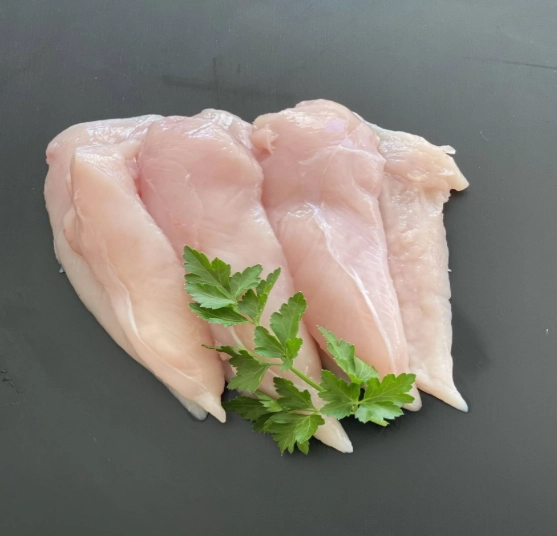
I think a lot of diet advice overcomplicates things. Sometimes, you just need a simple, reliable source of lean protein that doesn't require a math degree to log. Chicken tenderloins fit that bill.
How Cooking DRAMATICALLY Changes the Calorie Count
This is the most important part of the whole conversation, and it's where most quick-answer articles fail. The calories in your raw chicken tenderloin are not the calories on your plate. Cooking changes everything—mostly through water loss.
When you cook chicken, it loses water. A lot of it. This means the meat becomes more concentrated. So, a 4-ounce raw tenderloin might weigh only 3 ounces after cooking. But it still contains all the same protein and fat (unless fat renders out). So, the calorie density goes up.
Let's break down the most common methods and how they affect your final chicken tenderloin calories.
Baking/Roasting
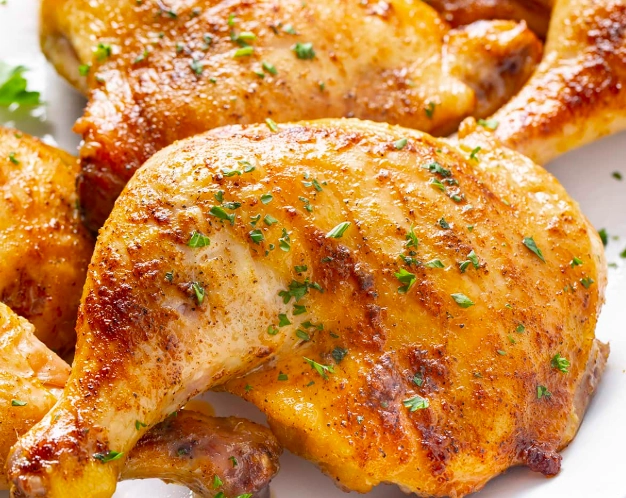
This is my go-to method for consistency. You pop them in the oven at 400°F (200°C) for 15-20 minutes. It's hands-off, and you can cook a big batch for the week. The calorie count stays very close to the raw estimate because little to no extra fat is added, especially if you use a rack to let drippings fall away. A cooked 3-ounce serving from a baked tenderloin will have roughly the same 120-130 calories as its raw 4-ounce predecessor.
Grilling
Similar to baking. High heat, good flavor from charring, and any fat that does render out drips through the grates. Grilled chicken tenderloin calories are essentially identical to baked. The main variable here is sugary marinades or sauces that can burn and add carbs/calories.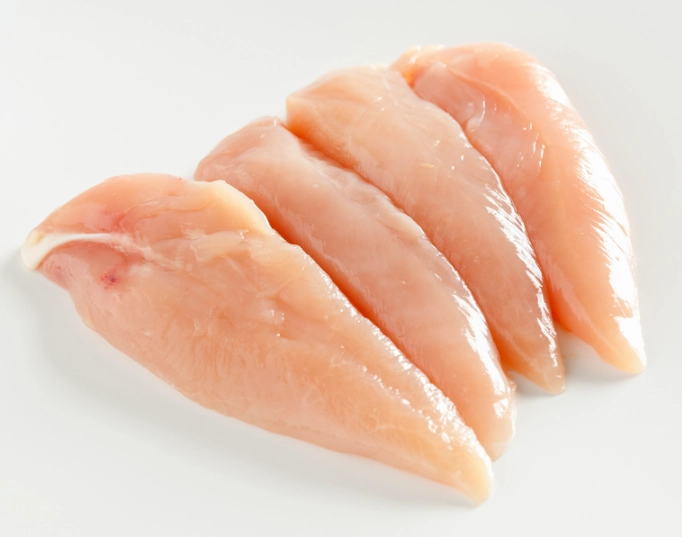
Pan-Frying or Sautéing
Ah, now we're adding variables. This is where the calorie count can start to climb. Are you using a non-stick spray (maybe adding 5-10 calories)? A teaspoon of olive oil (adds 40 calories)? A tablespoon of butter (adds 100 calories)? The chicken itself might also absorb some of that fat. Suddenly, your 120-calorie tenderloin is pushing 160-220 calories. Still not terrible, but it's a significant jump if you're counting closely.
Deep Frying (The Game Changer)
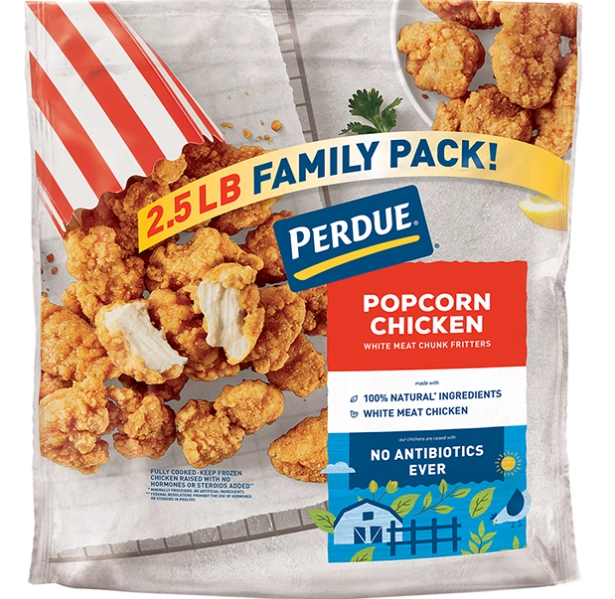
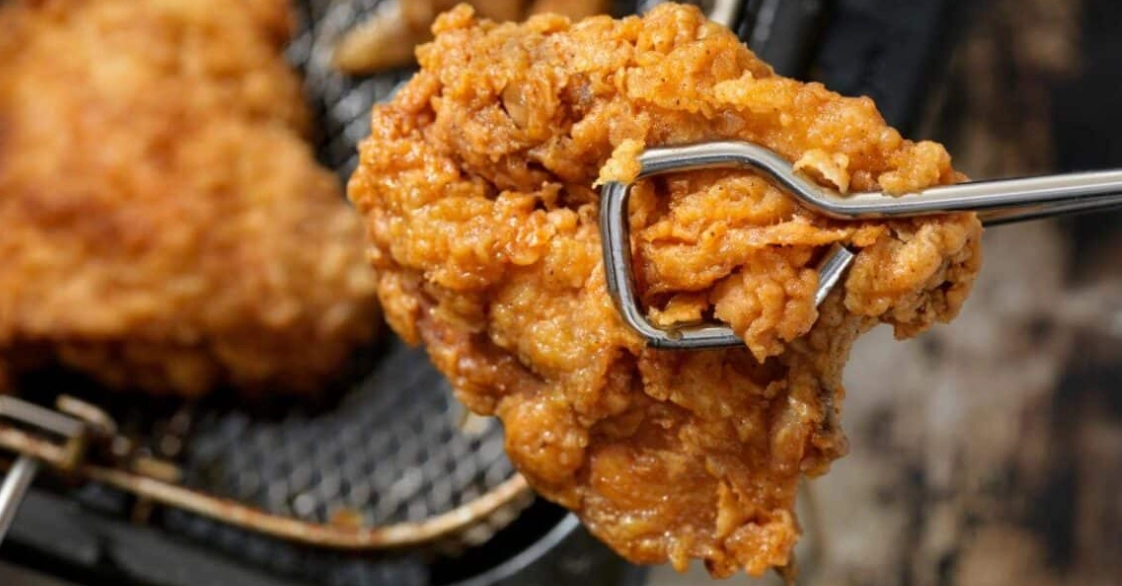
This is the big one. When you deep fry a chicken tenderloin, you're essentially breading it (adding carbs and calories) and then submerging it in oil, which it absorbs. A single deep-fried chicken tender from a restaurant or frozen pack can easily contain 200 to 300 calories or more. It's a completely different food from a nutritional standpoint. The term "chicken tender" in a restaurant context usually means this breaded and fried version, which is why calorie confusion is so common.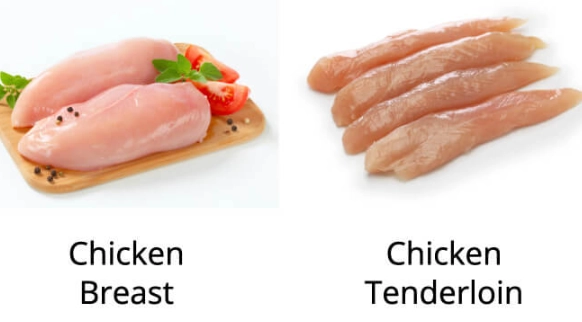
Calorie Comparison: Cooking Methods for One Tenderloin (~1.5 oz raw)
Raw/Steamed: ~45-50 calories. The baseline.
Baked/Grilled (plain): ~45-55 calories. Minimal change.
Sautéed (1 tsp oil): ~85-90 calories. The oil adds up.
Breaded & Baked: ~100-120 calories. The breading adds carbs.
Deep-Fried (typical): ~150-200+ calories. A calorie bomb in comparison.
The takeaway? The cooking method isn't just about flavor; it's the primary dictator of your final chicken tenderloin calorie count. Controlling what you add during cooking is the #1 way to keep it lean.
Chicken Tenderloin vs. Other Cuts: A Calorie Showdown
People often ask, "Is it really that much better than other parts?" Let's put it side-by-side with other common chicken cuts, all for a 3-ounce cooked, skinless portion. This data is synthesized from the Harvard T.H. Chan School of Public Health nutrition source and USDA data.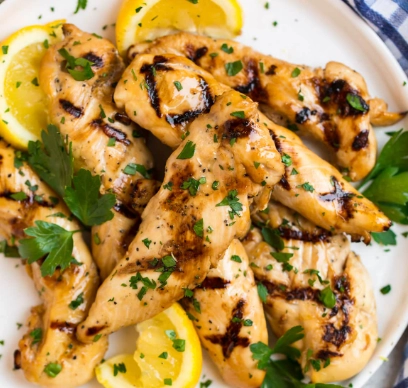
| Chicken Cut (3oz cooked, skinless) | Approximate Calories | Protein (g) | Fat (g) | Best For... |
|---|---|---|---|---|
| Chicken Tenderloin | ~110 | 26 | 1.5 | Ultimate leanness, quick cooking |
| Chicken Breast | ~128 | 26 | 2.7 | Standard lean protein, widely available |
| Chicken Thigh (boneless, skinless) | ~150 | 19 | 8 | More flavor, juiciness, budget-friendly |
| Chicken Drumstick (skinless) | ~125 | 22 | 4 | Portion control, affordable |
| Ground Chicken (93% lean) | ~140 | 17 | 8 | Versatility in recipes like burgers |
So, is the chicken tenderloin the absolute lowest calorie option? Essentially, yes, it ties with the breast for leanness, but often comes out a tiny bit ahead because it's an even purer muscle with less connective tissue. The real win is the convenience. They cook in half the time of a full breast, which means you're less likely to get impatient and order takeout.
Thighs have their place—they're much harder to overcook and are more forgiving for beginner cooks. But if your primary goal is minimizing calories and maximizing protein, the tenderloin (and breast) are your champions.
Your Action Plan: How to Keep Chicken Tenderloin Calories in Check
Knowing the numbers is one thing. Applying them is another. Here’s a practical, no-nonsense guide to making chicken tenderloins work for your goals.
Choose Your Cooking Fat Wisely. You need some fat to prevent sticking and add flavor. Non-stick spray is the most calorie-efficient. If you use oil, measure it. One tablespoon of olive oil is 120 calories—that could double the calories of your meal if you're not careful. I use a Misto sprayer with my own oil for better control.
Flavor Without the Calories. This is the fun part. You can make incredibly tasty chicken without adding significant calories.
- Dry Rubs: Paprika, garlic powder, onion powder, cumin, chili powder, black pepper. Zero calories, tons of flavor.
- Acidic Marinades: Lemon juice, lime juice, vinegar (balsamic, apple cider). They add tang and help tenderize without oil.
- Herbs: Fresh or dried rosemary, thyme, oregano, basil. Chop them up and press them onto the chicken.
Beware of Sneaky Sauces. This is the biggest trap in healthy eating, in my opinion. A plain, perfectly grilled chicken tenderloin can be ruined (calorie-wise) by a glug of sugary BBQ sauce or honey mustard. A two-tablespoon serving of many commercial BBQ sauces has 60-70 calories, mostly from sugar. Opt for hot sauce, mustard, or salsa instead.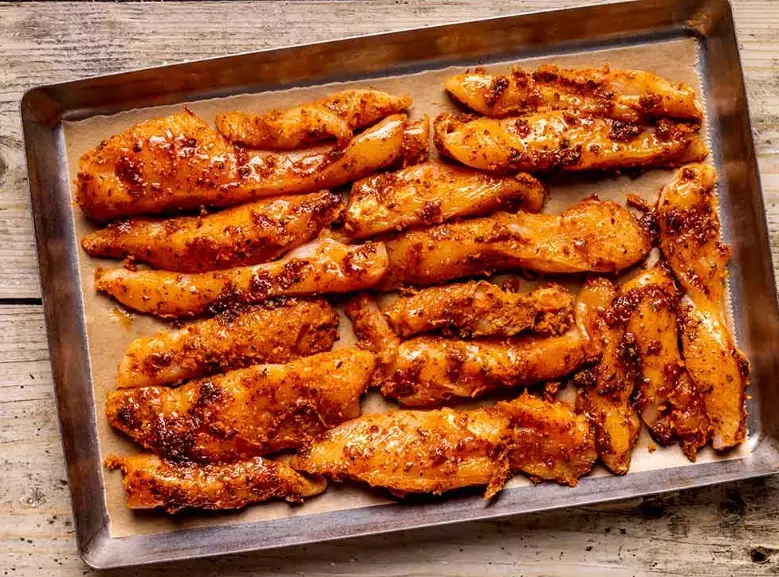
Answering Your Burning Questions (FAQs)
I've gotten a lot of questions from friends and readers about this topic. Here are the most common ones, answered plainly.
Are chicken tenderloins good for weight loss?
Absolutely, they're one of the best foods you can eat for weight loss. High protein keeps you full for hours (reducing snacking), and the low calorie count means you can eat a satisfying portion without blowing your daily budget. Just mind the cooking method and sauces.
How many chicken tenderloins equal a serving?
This depends on their size, which can vary. Typically, 2-3 pieces (totaling 3.5 to 4 ounces raw weight) is considered a standard protein serving. That'll give you roughly 25-30 grams of protein for about 120-150 calories, which is an excellent deal.
Is the protein in chicken tenderloin high quality?
Yes, it's a complete protein, meaning it contains all nine essential amino acids your body needs but can't make on its own. Animal proteins like chicken are considered the benchmark for protein quality and bioavailability, as noted by resources like the National Library of Medicine.
Do frozen chicken tenderloins have more calories?
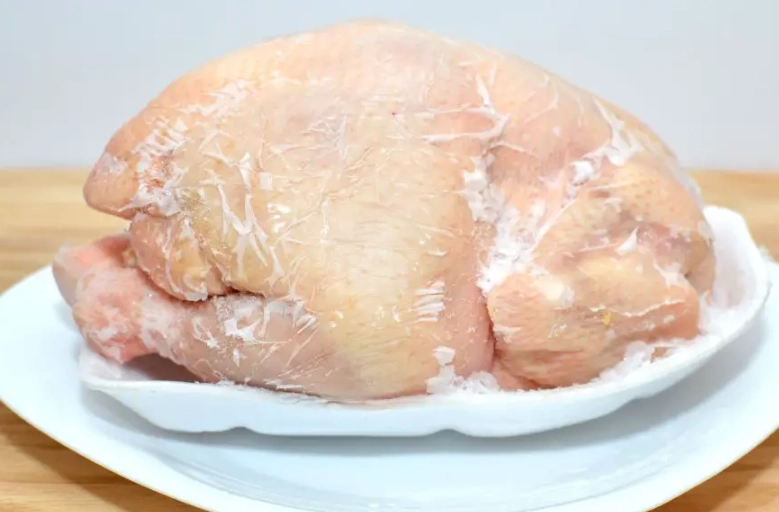
Not inherently. Plain, frozen chicken tenderloins with no additives have the same nutritional value as fresh. However, always check the ingredient list. Some frozen brands inject a sodium solution or broth to "enhance flavor" and prevent drying out. This adds water weight (so you pay for water) and can significantly increase sodium, but it doesn't add meaningful calories from fat or protein.
What about organic or free-range?
From a calorie and macro perspective, there's negligible difference. The reasons to choose organic or free-range are related to animal welfare, potential antibiotic use, and personal values regarding farming practices. The USDA Organic standards govern production methods, not the final nutritional composition of the meat.
Putting It All Together: A Sample Day of Eating
Let's make this real. How can you actually use chicken tenderloins throughout the day while managing your calorie intake?
Breakfast (Quick Scramble): Chop one cooked tenderloin into small pieces. Scramble with 2 eggs and a handful of spinach. Calories: ~300. Protein: ~35g. You're set until lunch.
Lunch (Big Salad): Slice 2-3 cold, grilled tenderloins over a massive bed of greens, cucumbers, bell peppers, and a light vinaigrette. Calories: ~350. Protein: ~30g. This is my personal lunch at least three days a week. It never gets old if you change up the veggies and dressing.
Dinner (Simple & Satisfying): Serve 3-4 baked tenderloins (seasoned with lemon pepper) with a large portion of roasted broccoli and a small sweet potato. Calories: ~450. Protein: ~40g. A complete, balanced, and filling meal with controlled chicken tenderloin calories.
Total for the day: ~1100 calories, ~105g protein. That leaves plenty of room for a snack or to adjust portions up for your personal needs. The point is, you're eating volumetrically large, satisfying meals centered around this lean protein.
The Final Word on Chicken Tenderloin Calories
So, what's the final answer to the question of chicken tenderloin calories? It's a range, not a single number. It starts at a beautifully low base of about 110-130 calories for a 4-ounce raw serving, packed with over 25 grams of protein.
But your kitchen is the control room. Baking, grilling, or air-frying with minimal added fat keeps it in that lean zone. Pan-frying adds some, and deep-frying transforms it into a different, high-calorie food altogether. The key is awareness.
I don't believe in "perfect" eating. Sometimes, a crispy, fried chicken tender is exactly what you want, and that's fine. But most days, when you're trying to feel good, fuel your body efficiently, and maybe lose a few pounds, the plain, simply cooked chicken tenderloin is a secret weapon. It's affordable, easy to cook, and incredibly versatile. Now that you know exactly what's in it, you can use it with confidence and stop guessing about those calories.
Go grab a pack, season it up, and don't overcook it. Trust me, I've been there—dry chicken is the real enemy, not the calories.
Related Articles