Perfect Roast Chicken: A Step-by-Step Guide for Crispy Skin & Juicy Meat
My first roast chicken was a disaster. The skin was pale and rubbery, the breast meat tasted like sawdust, and I spent more time scrubbing the pan than eating. I followed a recipe to the letter, but it felt like I missed a secret handshake. After years of trial, error, and talking to butchers, I figured it out. The secret isn't a complex brine or fancy equipment. It's about managing two simple things: moisture and heat. Get those right, and you'll have a golden, crackling-skinned bird with juicy, flavorful meat every single time. Let's skip the fluff and get right to it.
What You'll Learn in This Guide
The 24-Hour Game Changer: Prep Work That Actually Matters
Most recipes jump straight to seasoning and into the oven. That's the first mistake. Proper prep starts a day ahead and solves the biggest issue: soggy skin.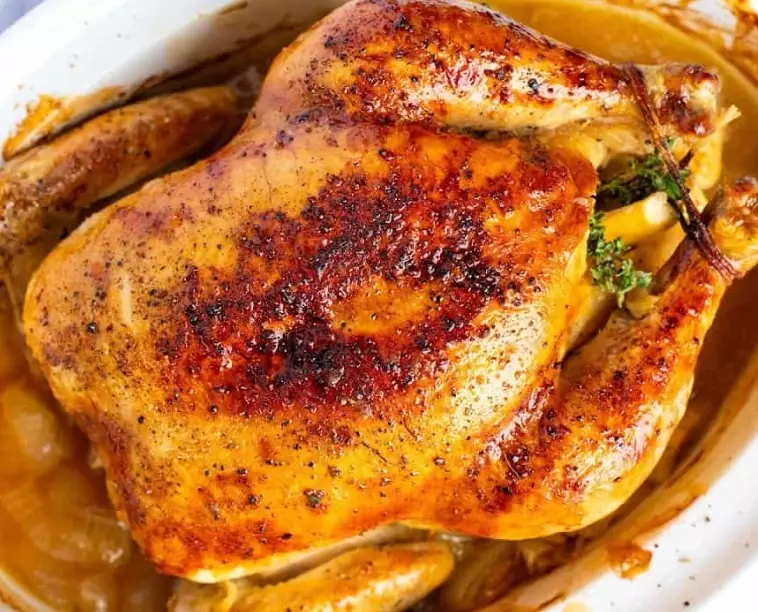
Choosing Your Bird
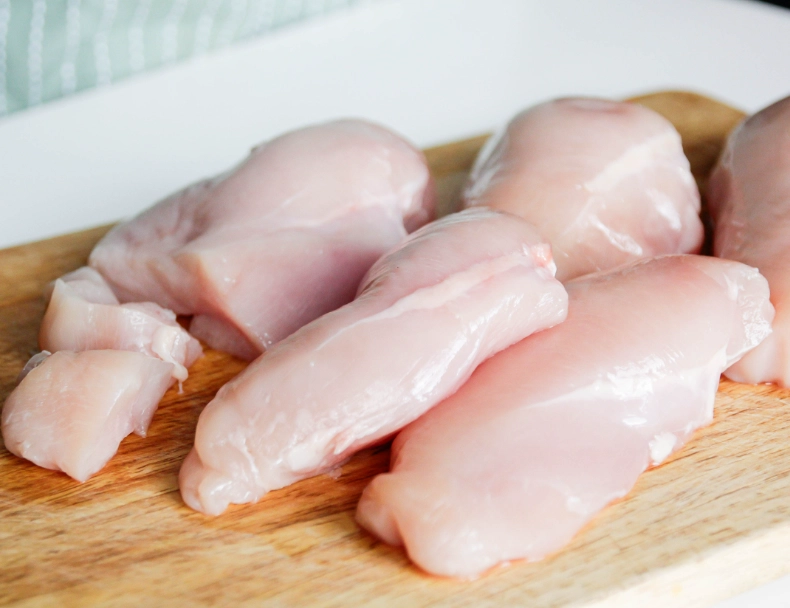
You don't need organic, but you should avoid water-chilled chickens if you can. They're injected with a saline solution, which makes them harder to dry out and can dilute flavor. Look for "air-chilled" or a standard 3.5 to 4.5 lb roaster. The size is perfect for even cooking.
The Dry-Brine (It's Not Just Salting)
Forget wet brines that waterlog the skin. A dry brine—liberally salting the bird inside and out—is the move. The salt draws out moisture, which then gets reabsorbed along with the seasoning, seasoning the meat from within and drying the skin surface. Do this the night before, place the chicken on a rack over a plate, and leave it uncovered in the fridge. The fridge's dry air works like a dehydrator on the skin. This step is non-negotiable for crackling.
Bringing It to Room Temperature
An hour before roasting, take the chicken out of the fridge. A cold bird going into a hot oven will cook unevenly—the outside overcooks before the inside is done. Letting it sit ensures more even roasting from edge to center.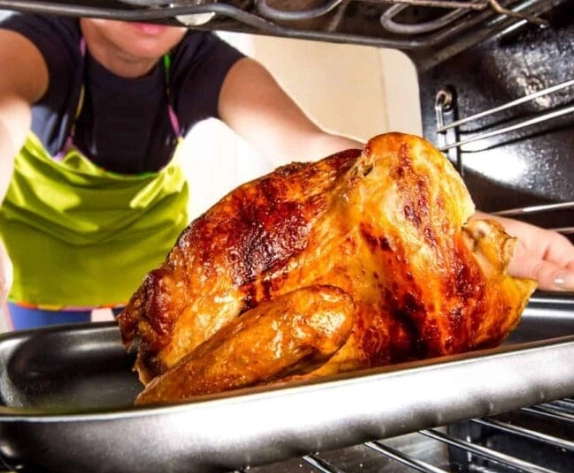
Oven Strategy: Your Heat Management Plan
Here's where most home ovens fail us. They have hot spots, and their thermostats are often lies. An oven thermometer is a $10 investment that will change your cooking life. Trust me, get one.
Rack Position and Pan
Place a rack in the middle of the oven. Put your chicken in a roasting pan, on a wire rack if you have one (elevating it promotes air circulation), or directly on the pan. I'm a fan of using a cast-iron skillet. It holds heat beautifully and helps crisp the bottom. Toss some chunked onions, carrots, and celery in the pan underneath. They'll flavor the drippings and prevent smoke from burning fat.
The Two-Temperature Method
The classic mistake is roasting at one steady, medium temperature. It often leads to dry breast meat by the time the thighs are cooked. Here's the better way:
- Start Hot (425°F / 220°C): This initial blast of heat renders fat quickly and starts the browning process on the skin, setting it up for crispiness.
- Finish Lower (375°F / 190°C): After 20-25 minutes, reduce the heat. This gentler heat allows the interior to cook through evenly without burning the exterior.
This method mimics how professional chefs use combi ovens, giving you the best of both worlds: color and tenderness.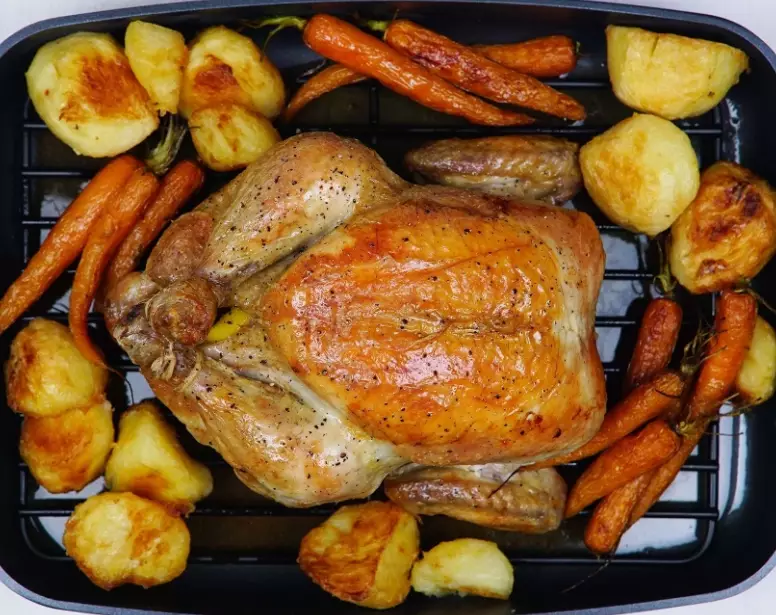
The Roast, The Check, and The Most Important Step
With the bird prepped and oven hot, you're ready. Tuck the wingtips behind the shoulders. You can truss the legs with kitchen twine if you want a neater shape, but I often don't bother—it doesn't affect juiciness much.
Into the hot oven it goes. Now, the waiting. A 4lb chicken will take about 70-90 minutes total. But never go by time alone.
How to Know It's Done (Spoiler: It's Not the Juices)
Forget the old "clear juices" advice. It's unreliable. The only way to know is with an instant-read thermometer. Insert it into the thickest part of the thigh, avoiding the bone. You're looking for 165°F (74°C). The breast should read about 155-160°F (68-71°C). Remember, carryover cooking will raise the temp another 5-10 degrees while it rests. Pulling it at the exact USDA safe temperature will lead to overcooked meat.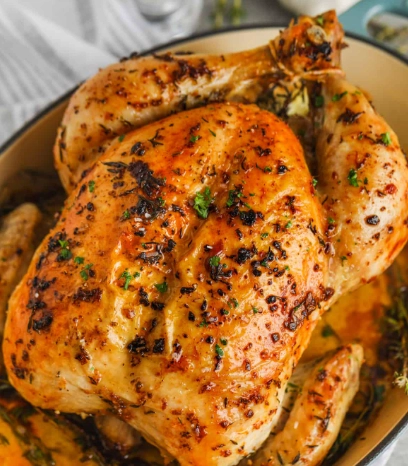
The Rest: Don't You Dare Cut Into It
This is the step everyone wants to skip. Don't. When the chicken comes out, transfer it to a cutting board and tent it loosely with foil. Let it rest for a full 20-30 minutes.
What's happening? The muscle fibers, which tightened during cooking, are relaxing. The juices, which were forced to the center, redistribute throughout the meat. If you cut immediately, all those precious juices will flood the board, leaving you with dry chicken. The resting time also makes carving infinitely easier.
Carving 101: Getting the Most Off the Bone
Use a sharp chef's knife and a sturdy fork or carving tongs.
- Let the chicken rest breast-side up. Remove any twine.
- Cut through the skin between the leg and the body. Pop the leg joint out of its socket and cut through to remove the entire leg (thigh and drumstick). You can separate the thigh from the drumstick at the joint if desired.
- For the wings, find the joint where they meet the body and cut through.
- For the breast: Make a long, horizontal cut just above the wing joint, along the length of the breastbone. Then, slice downward, following the contour of the rib cage, to remove the breast meat in one large piece. Slice it crosswise into portions.
Don't forget to flip the carcass over and pick off the tender "oysters" from the back—the cook's treat.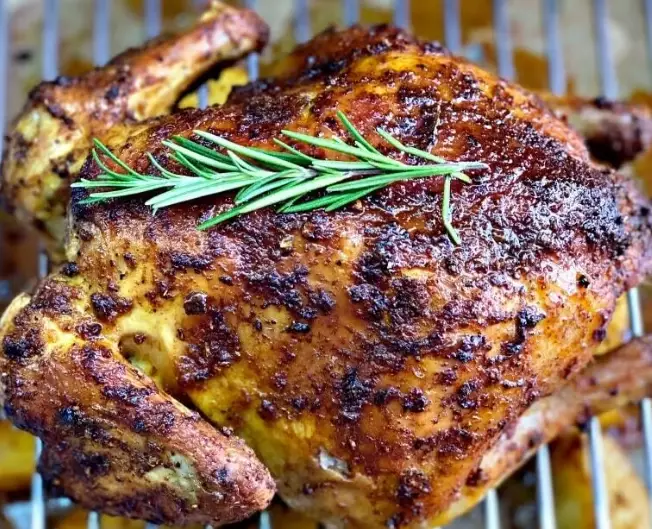
From Good to Great: Pro-Level Flavor Boosts
Once you've mastered the basic method, these tweaks can elevate your roast chicken.
- Compound Butter Under the Skin: Mix softened butter with minced herbs (thyme, rosemary), garlic, and lemon zest. Gently loosen the skin over the breasts and thighs with your fingers and smear the butter directly onto the meat. This bastes it from the inside as it cooks.
- The Lemon & Herb Cavity: Stuff the cavity with a halved lemon, a handful of herbs, and a few garlic cloves. This perfumes the meat from the inside out. It's flavor, not stuffing.
- Vertical Roasting (Beer Can Style): Sitting the chicken upright on a can or vertical roaster exposes all the skin to hot air, making it uniformly crispy. It's a gimmick that actually works for texture.
Your Roast Chicken Questions, Answered
Related Articles