Dark Meat Fried Chicken: The Ultimate Guide to Juicy, Flavorful Perfection
In This Guide
Let's be honest for a second. We've all been there. You order fried chicken, take a bite of a breast piece, and... it's fine. It's crispy. But is it juicy? Is it bursting with flavor the moment your teeth sink in? Often, not really. It can be a bit dry, a bit... earnest. Now, remember that time you had a piece of fried chicken thigh or drumstick? That's a different story entirely. The skin shatters, the fat renders, and the meat inside is so moist and savory it almost feels like a different food. That, my friends, is the magic of dark meat fried chicken. This isn't just a preference; it's a culinary hill I'm willing to die on. White meat has its place, but for fried chicken? Dark meat is king. And I'm here to tell you exactly why, and more importantly, how you can make the absolute best version of it at home.
I remember the first time I consciously made the switch. I was following a generic "best fried chicken" recipe that called for a whole cut-up bird. The breasts were okay, needed a lot of hot sauce. But the thighs? They were gone in seconds, fought over. That was the lightbulb moment. This guide is everything I've learned since, through triumphs and (many) greasy failures.
Why Dark Meat Wins the Fried Chicken Game Every Time
It's not an accident. There's solid science and simple cooking logic behind why dark meat fried chicken consistently delivers a superior eating experience. It boils down to two main things: fat and connective tissue.
Chicken thighs and drumsticks come from parts of the bird that work harder (legs and thighs). More work means more blood flow, which results in a higher concentration of a protein called myoglobin—that's what gives the meat its darker color. But the real secret is the fat marbling and the presence of collagen, a type of connective tissue.
Think of it like this: dark meat is forgiving. Even if you overcook it by a minute or two, that fat and gelatin network acts as a safety net. Overcook a breast by the same margin, and you're reaching for the gravy boat. For a home cook, that forgiveness is everything. It takes the stress out of hitting a perfect 165°F on the dot. With dark meat fried chicken, you're aiming for a range, not a cliff edge.
And flavor? Fat carries flavor. The richer taste of dark meat stands up to bold seasonings and creates a more satisfying, complex bite. It's the difference between a solo violin and a full orchestra.
The Best Cuts for Dark Meat Fried Chicken
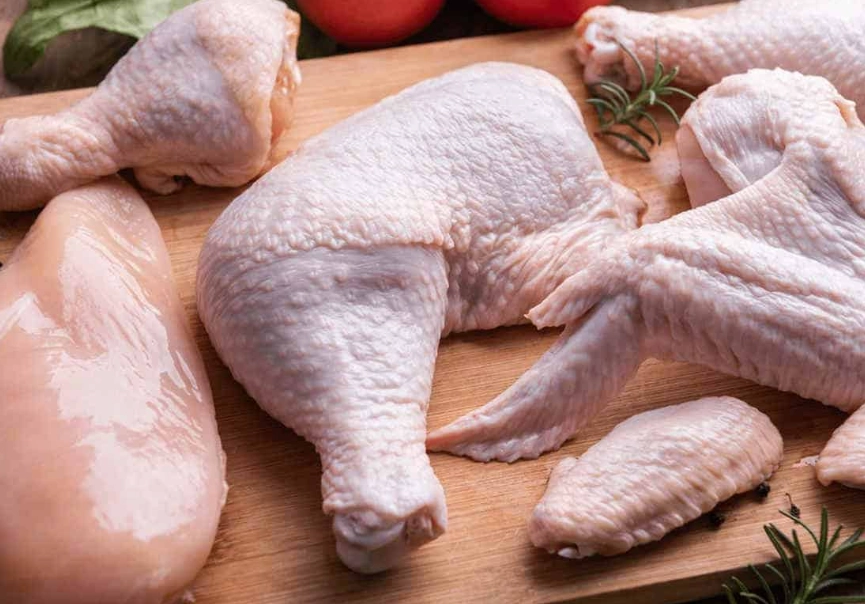
Not all dark meat is created equal for the fryer. Here’s a quick breakdown of your main players:
| Cut | Pros | Cons | Best For |
|---|---|---|---|
| Chicken Thighs (Bone-in, Skin-on) | Highest fat content, most forgiving, incredibly juicy, uniform shape for even cooking. | Can have a slightly longer cook time than drums. | The ultimate choice for guaranteed juiciness. My personal #1. |
| Chicken Drumsticks | Classic "drummie" shape, fun to eat, good meat-to-bone ratio. | The bone shape can sometimes lead to uneven cooking near the joint. | Great for parties, kids love them. A very close second. |
| Chicken Wings (Drums & Flats) | High skin-to-meat ratio = maximum crispiness. | Less meat per piece, can be fussy to eat as a main. | Appetizers or snack-focused meals. Fantastic flavor. |
You'll notice I specified bone-in, skin-on for thighs. This is non-negotiable for me. The bone acts as a heat conductor, helping the meat cook evenly from the inside out. The skin? That's your golden ticket to crunch-town. Removing it is like buying a sports car and never taking it out of the garage. Boneless, skinless thighs have their place (stir-fries, curries), but for authentic, soul-satisfying dark meat fried chicken, you need the whole package.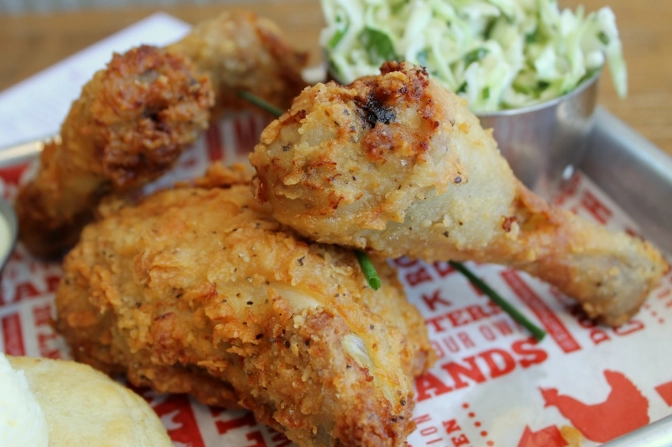
The Three Pillars of Perfect Dark Meat Fried Chicken
To master this, you need to nail three things: the crust, the juiciness, and the seasoning. They're all connected.
Pillar 1: The Crunch Heard 'Round the Kitchen
A soggy crust is the cardinal sin of fried chicken. For dark meat fried chicken, you need a coating that can stand up to the longer frying time and higher moisture content of the meat. The debate usually centers on batter vs. dredge. Batters (wet flour mixtures) can be amazing for Korean-style wings, but for classic Southern or buttermilk-style, a double-dredge is your best friend.
Here's my tried-and-true method: a seasoned flour dredge. But the secret weapon is often in the liquid soak. A buttermilk brine is legendary for a reason—the acidity tenderizes the meat, and the dairy proteins help the flour coating adhere and create craggy bits. For an even crispier crust, some people add a tablespoon of cornstarch or baking powder to their flour. The baking powder, in particular, creates tiny bubbles during frying that lead to a shatteringly crisp, almost lace-like texture. It works, but go easy. Too much and you'll taste it.
Pillar 2: Locking in the Juices
This is where dark meat shines, but you can still mess it up. The key is temperature control. You want the oil hot enough to seal the crust quickly (around 325°F - 350°F / 163°C - 177°C), but not so hot that the outside burns before the inside is cooked through.
Many home cooks make one big mistake: they overcrowd the pot. Adding too many cold chicken pieces at once causes the oil temperature to plummet. The chicken then sits in lukewarm oil, soaking it up like a sponge, leading to greasy chicken and a pale, soggy crust. Fry in batches. Be patient. It's worth it.
The other juiciness hack? Brining or dry-brining. Soaking your dark meat pieces in a saltwater brine (or just generously salting them and leaving them uncovered in the fridge for a few hours) seasons the meat all the way through and helps it retain moisture during the high-heat cooking process. It's a game-changer.
Pillar 3: Flavor That Goes All the Way Through
Seasoning just the flour isn't enough. You need to season the meat itself. This is the biggest gap I see in average recipes. They rely on the coating for all the flavor. For truly great dark meat fried chicken, you need a three-point seasoning attack:
- Season the meat. Salt and pepper under the skin, or as part of your brine/marinade.
- Season the soak. Add garlic powder, onion powder, paprika, cayenne—whatever you like—right into the buttermilk or brine.
- Season the flour. This is your final flavor layer and what creates the seasoned crust.
Paprika (smoked or sweet) not only adds flavor but gives that classic reddish-golden color. A little cayenne or black pepper adds warmth. Garlic and onion powder are foundational. Don't be shy. Dark meat can handle it.
My Go-To Dark Meat Fried Chicken Recipe (The One That Never Fails)
Okay, enough theory. Let's get cooking. This is my weekend recipe, the one I make when I want no-fail, spectacular results. It's a hybrid of techniques I've picked up over the years.
Ingredients:
- 8 pieces bone-in, skin-on chicken thighs and/or drumsticks
- 2 cups buttermilk
- 2 tablespoons hot sauce (like Frank's)
- 3 cups all-purpose flour
- 2 tablespoons cornstarch
- 1 tablespoon kosher salt (plus more for seasoning meat)
- 2 teaspoons black pepper
- 2 teaspoons garlic powder
- 2 teaspoons onion powder
- 2 teaspoons paprika (smoked if you have it)
- 1/2 teaspoon cayenne pepper (adjust to taste)
- Vegetable or peanut oil, for frying
The Process:
1. The Soak (The Night Before or 4+ Hours): Pat your chicken pieces very dry with paper towels. Season them liberally all over with salt and pepper. In a large bowl, whisk the buttermilk and hot sauce. Submerge the chicken, cover, and refrigerate. Overnight is ideal, but even 4 hours makes a huge difference.
2. The Dredge (1 Hour Before Frying): In another large bowl or a shallow dish, whisk together the flour, cornstarch, and all the dried spices (that 1 tbsp salt, pepper, garlic powder, etc.). Take one piece of chicken from the buttermilk, let the excess drip off, and dredge it thoroughly in the flour mixture. Press the flour on to get a good, solid coating. Shake off the excess and place it on a wire rack set over a baking sheet. Repeat with all pieces. This is crucial—let the coated chicken sit on that rack for at least 30 minutes, up to an hour, in the fridge. This "setting" step is what prevents a bald, patchy crust.
3. The Fry: In a large, heavy-bottomed pot (Dutch oven is perfect), heat about 2-3 inches of oil to 325°F. Use a thermometer. Guessing is how you get greasy chicken. When the oil is ready, carefully add 3-4 pieces of chicken. Don't crowd them. The oil should bubble vigorously but not violently. Fry for about 12-15 minutes for thighs, 10-12 for drumsticks, turning occasionally, until the crust is a deep, glorious golden brown and the internal temperature registers at least 175°F for thighs/drums. Yes, 175°F+.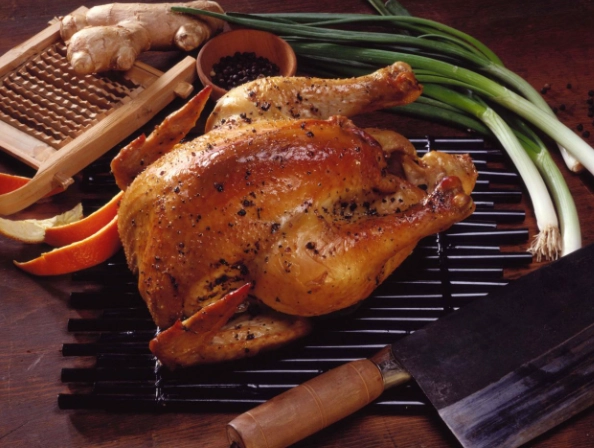
4. The Rest: Transfer the finished pieces to a clean wire rack set over a paper towel-lined sheet. Do not put them directly on paper towels, or the bottom crust will steam and get soggy. Let them rest for a good 5-10 minutes. This allows the juices to redistribute. Cutting in too early sends all those precious juices running onto the plate.
And that's it. The first bite will tell you everything. The crust should audibly crackle. The meat should steam and be juicy enough that you might need a napkin. That's the hallmark of perfect dark meat fried chicken.
Common Questions About Dark Meat Fried Chicken (Answered)
I get a lot of questions about this topic. Here are the ones that pop up most often.
Can I use an air fryer for dark meat fried chicken?
You can, and it makes a decent, healthier-ish version. But you have to manage expectations. It will not be the same as deep-frying. The crust will be drier and less shatteringly crisp because there's no oil immersion cooking the coating from all sides. My advice? If you're air-frying, use a generous amount of oil spray on the coated chicken and don't overcrowd the basket. It'll be tasty, but call it "crispy chicken," not fried chicken.
Is it better to fry dark meat chicken with the bone-in or boneless?
Bone-in, 100%. I've covered the science, but from a purely practical standpoint, the bone gives you a handle to hold onto! It's part of the fun, primal experience of eating fried chicken. Boneless pieces cook unevenly and lack the flavor depth the bone provides.
How do I keep the fried chicken crispy for later?
Leftover dark meat fried chicken is a blessing. To keep it crispy, store it uncovered (or very loosely covered) in the fridge. The fridge's dry air will keep the crust crispier than sealing it in a container where moisture gets trapped. To reheat, do not use the microwave. It turns the crust to rubber. Use a 375°F oven or toaster oven on a wire rack until hot throughout. It won't be *as* perfect as fresh, but it'll be miles better than microwaved.
What oil is best for frying dark meat chicken?
You want an oil with a high smoke point and neutral flavor. My top choices are peanut oil (great flavor, high smoke point) or vegetable/canola oil. Avoid olive oil (low smoke point, strong flavor) or butter (it burns).
The Final Verdict on Dark Meat Fried Chicken
It's just better.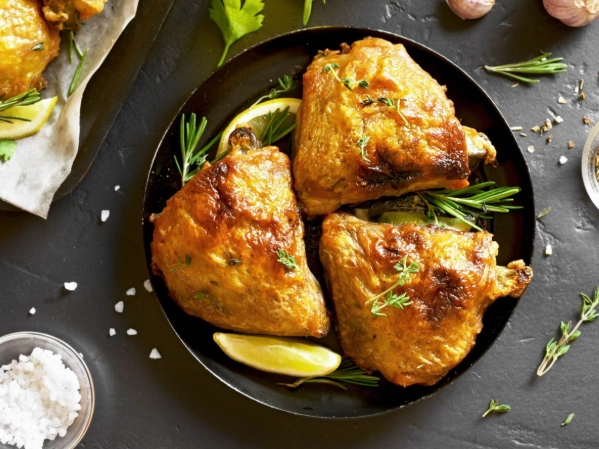
From its forgiving nature for home cooks to its inherently juicier, more flavorful bite, dark meat is the undisputed champion for the fryer. It turns a good dish into a memorable one. Whether you're a thigh devotee or a drumstick fanatic, focusing on these cuts will elevate your fried chicken game instantly.
It's not about fancy tricks. It's about understanding why dark meat works so well and applying a few key techniques: a good soak, a seasoned dredge, proper frying temperature, and patience. Skip the pre-mixed boxes. Grab some bone-in, skin-on thighs, and give it a shot. Your taste buds (and anyone you share it with) will thank you.
So, the next time that craving hits, you know what to do. Embrace the dark side. You won't look back.
Related Articles