Ultimate Guide to Baking a Whole Chicken: Juicy & Crispy
Let's be honest. The idea of baking a whole chicken can feel a bit intimidating. Is it dry? Is it bland? Do I need fancy tools? I used to think so too, until I realized it's one of the most forgiving and rewarding things you can make. A beautifully baked chicken, with crackling golden skin and juicy, flavorful meat, is a centerpiece meal that feels special but is surprisingly simple. It's cheaper than buying parts, it makes your house smell incredible, and the leftovers are pure gold for meals all week.
This guide skips the fluff and gets straight to the techniques that actually work. I've baked more chickens than I can count, learned from my mistakes (like the infamous "parched poultry" incident of 2018), and settled on a method that delivers every single time.
What You'll Find in This Guide
Why Baking a Whole Chicken is a Game Changer
Beyond the impressive presentation, there are solid practical reasons to bake whole.
Cost-Effective: Pound for pound, a whole chicken almost always costs less than buying the same weight in breasts, thighs, or drumsticks separately. You're paying for the butcher's labor when you buy parts.
Flavor & Juiciness: Baking the bird intact protects the delicate breast meat. As the dark meat (thighs, legs) cooks, its fat and juices render and flow, naturally basting the white meat. This synergy is lost when parts are cooked separately.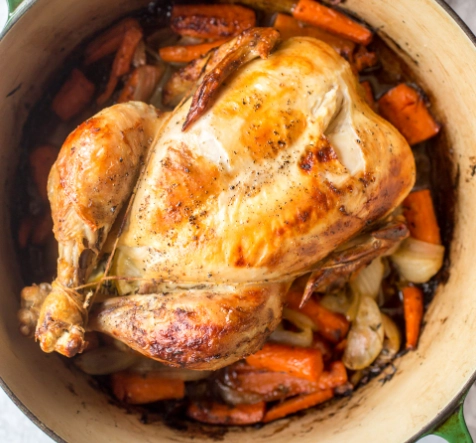
Meal Prep Hero: One hour of active effort yields multiple meals. The carcass makes incredible stock. It's the definition of efficient cooking.
My Personal Rule: I always buy two chickens. One for dinner tonight, one to bake tomorrow or freeze. Having a ready-to-go protein source midweek is a lifesaver.
Gathering Your Tools & Ingredients
You don't need much. Fancy equipment is optional; understanding the basics is mandatory.
Essential Gear
- A roasting pan or oven-safe skillet: Anything with a bit of a rim to catch drippings. A wire rack is helpful but not essential—just prop the bird on some chopped onions or carrots.
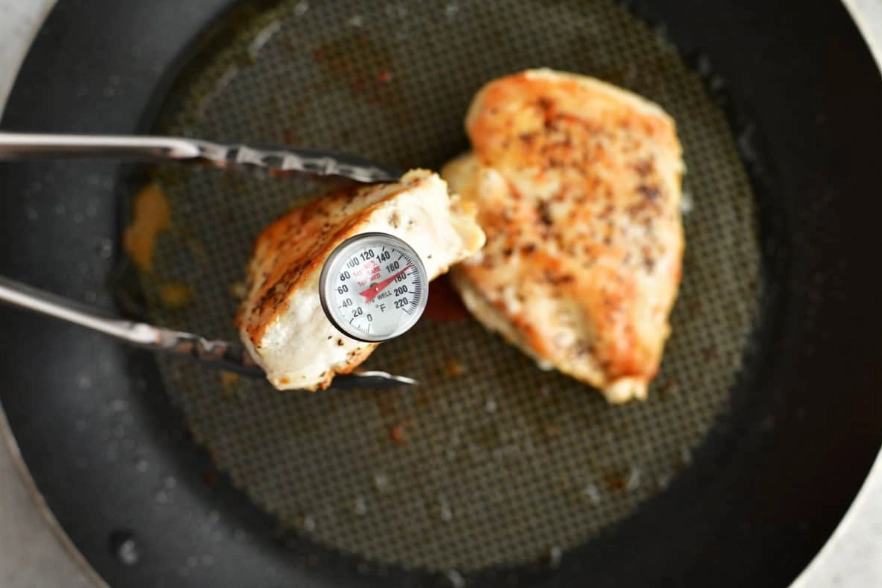
- A digital meat thermometer: This is non-negotiable. Guessing leads to disaster. A basic instant-read model is perfect. I rely on the guidelines from the USDA for safe internal temperatures.
- Kitchen twine (optional but helpful): For trussing—tying the legs together. It promotes even cooking and a nicer shape.
- Tongs and a sharp carving knife.
The Chicken & Flavor Builders
- A 3.5 to 4.5 lb whole chicken: This is the sweet spot for a standard home oven. Look for one labeled "natural" or without added saline if you can.
- Kosher salt and black pepper: The foundation.
- Fat: Olive oil, softened butter, or even mayonnaise. Yes, mayo. It's just oil and egg, and it makes phenomenally crisp skin.
- Aromatics: Onion, lemon, garlic, fresh herbs (thyme, rosemary, sage). These go inside the cavity to perfume the meat from the inside out.
The Step-by-Step Baking Process
Here's where we turn ingredients into dinner. Follow these steps in order.
1. Preparation is Everything (The Day Before or Morning Of)
Take the chicken out of its packaging. Remove any giblets (usually in a bag in the cavity). Pat the entire bird extremely dry with paper towels. This is the first secret to crispy skin—water is the enemy of crispness.
Now, season aggressively with kosher salt all over, including inside the cavity. If you have time, do this 12-24 hours in advance, place the chicken on a rack on a plate, and leave it uncovered in the fridge. This "dry brine" seasons the meat deeply and helps it retain moisture. If you're short on time, just season it right before cooking—it'll still be great.
2. Flavoring the Bird
Preheat your oven to 375°F (190°C). This is a good middle-ground temperature that cooks the meat through without over-browning the skin too early.
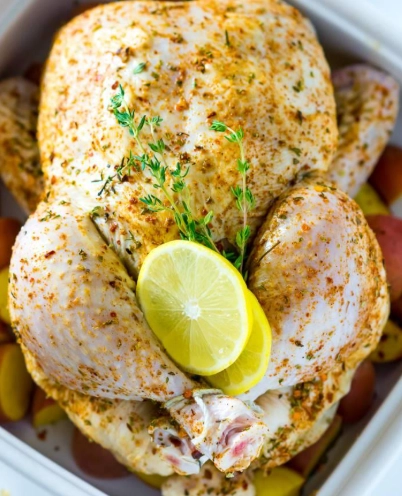
Chop a small onion and a lemon into quarters. Smash a few garlic cloves. Stuff this mixture into the chicken's cavity along with a few herb sprigs. This isn't just for show—it creates steam that flavors the meat from within.
If you want to truss it, tie the legs together with twine and tuck the wing tips under the body. It makes for a neater package.
Rub the entire outside of the chicken with your chosen fat—about 2 tablespoons. Make sure every bit of skin is coated. Season again with pepper and any other dried herbs you like (paprika, garlic powder).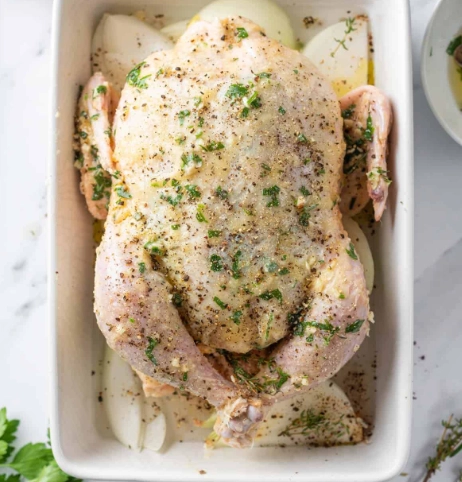
A Common Mistake I See: People rub butter only on the outside. Try this: Gently loosen the skin over the breast meat with your fingers and slide a few thin pats of butter and some fresh herbs directly underneath. It bastes the breast from the inside as it melts. Game changer.
3. The Baking Itself
Place the chicken breast-side up in your pan. If you're not using a rack, create a "nest" with some extra onion or carrot chunks to lift it slightly.
Put it in the preheated oven. And now… leave it alone.
Seriously. Resist the urge to baste. Every time you open that oven door, you lose heat and extend the cooking time, which can dry out the breast. The fat you rubbed on will do its job.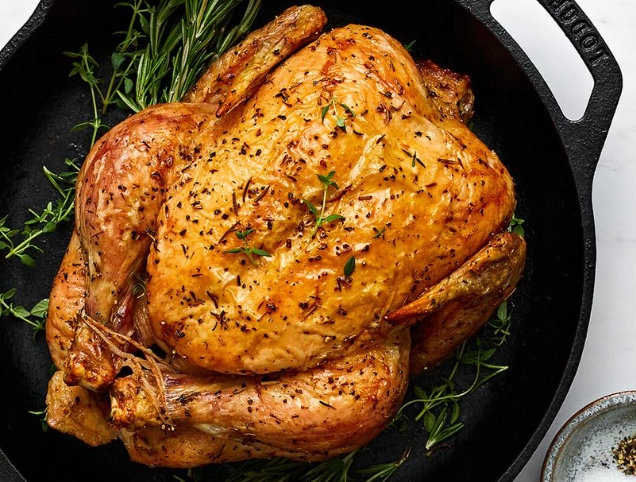
Here's a reliable guide for timing, but remember, the thermometer is your boss:
| Chicken Weight | Approximate Time at 375°F (190°C) |
|---|---|
| 3 lbs (1.4 kg) | 1 hour - 1 hour 10 mins |
| 4 lbs (1.8 kg) | 1 hour 20 mins - 1 hour 30 mins |
| 5 lbs (2.3 kg) | 1 hour 40 mins - 1 hour 50 mins |
About 45 minutes in, you can check the skin. If it's browning faster than you'd like, loosely tent the breast area with a piece of aluminum foil.
How to Know When It's Perfectly Done
Forget poking it and checking for clear juices. That's unreliable.
When the time is close, insert your meat thermometer into the thickest part of the thigh, avoiding the bone. It should read 165°F (74°C). Then, check the thickest part of the breast—it should be at least 160°F (71°C). The temperature will rise a few degrees as it rests.
Once it hits these temps, it's done. Take it out immediately. Overcooking is the primary cause of dry chicken.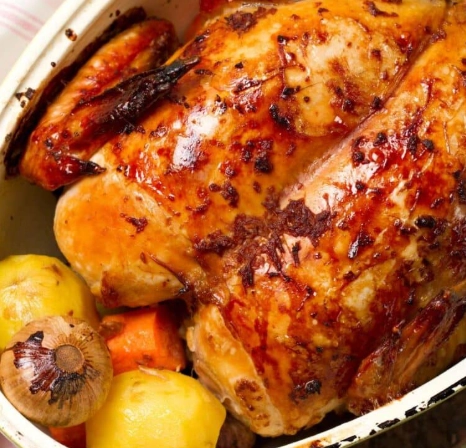
The Crucial Rest & How to Carve
This might be the most important step. Transfer the chicken to a cutting board and loosely tent it with foil. Let it rest for at least 15-20 minutes.
Why? The muscle fibers are tight from the heat. Resting allows them to relax and reabsorb the juices that have been pushed to the center. If you cut in right away, all that flavorful liquid will flood your cutting board, leaving the meat dry.
After resting, carve. Remove the twine. Cut through the skin between the leg and body, pop the thigh joint, and remove the leg quarter. Separate the thigh and drumstick if desired. Remove the wings. For the breast, make a long cut along the breastbone and slice the meat off in large pieces. It's easier than it sounds.
Serving Ideas & Leftover Magic
Serve with the classic trio: roasted potatoes (cooked in the chicken drippings!), a simple green vegetable, and a gravy made from the pan juices.
But the real fun starts the next day. Shred the leftover meat for:
- Chicken salad sandwiches
- Quick chicken tacos or quesadillas
- Pasta dishes and casseroles
- Hearty soups
Don't throw away the carcass! Simmer it with water, onion, carrot, and celery for a few hours to make the most flavorful homemade chicken stock you've ever tasted.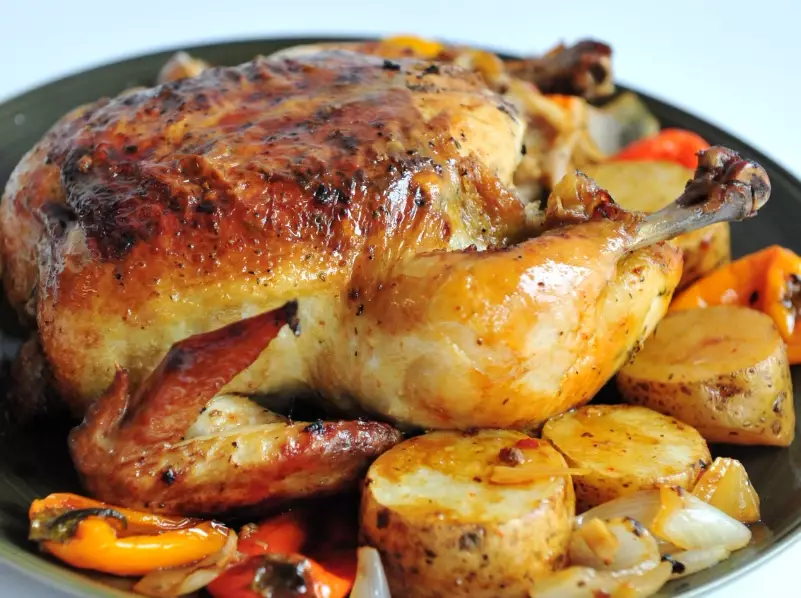
Your Baking Questions, Answered
Related Articles