Perdue Thin Cut Chicken Breast: Your Ultimate Guide to Buying, Cooking & Eating
In This Guide
Let's be honest for a second. How many times have you stood in front of the chicken breast at the grocery store, picked up a package, and immediately felt a wave of dinner-time dread? You know the feeling. It's thick, it's uneven, and you just know one part is going to be dry and chewy while another is somehow still pink in the middle. It's enough to make you order takeout.
I was right there with you. Then, on a particularly hectic Tuesday, I grabbed a package of Perdue thin cut chicken breast almost by accident. My thinking was simple: thinner cuts should cook faster. What I didn't expect was how much it would completely change my weeknight cooking game.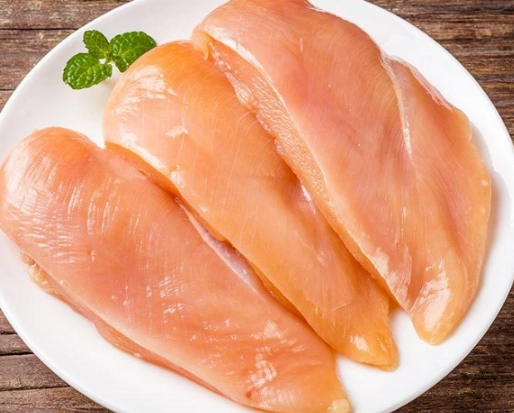
This isn't just about a product. It's about getting a decent, healthy meal on the table without the stress. If you've ever searched for "easy chicken recipes" or "fast dinner ideas," you've probably stumbled upon the concept of thin-cut chicken. And Perdue is one of the big names you'll see in the freezer aisle. But what's the real deal with it? Is it worth the (sometimes slightly higher) price? How do you cook it so it doesn't turn into shoe leather?
What Exactly Is Perdue Thin Cut Chicken Breast?
First things first, let's clear up what we're talking about. Perdue thin cut chicken breast isn't magic. It's regular chicken breast that has been… well, cut thin. But there's a bit more to it than that.
Perdue takes whole chicken breasts and slices them horizontally into cutlets that are typically about 1/4 to 1/2 inch thick. This is different from just buying a thin chicken breast from the butcher. The key here is uniformity. They're aiming for consistent thickness across the entire piece, which is the holy grail for even cooking. No more hockey-puck edges and raw centers.
You can usually find it in a few forms:
- Fresh, in the refrigerated section: Packaged on a styrofoam tray with plastic wrap. Best used within a day or two.
- Frozen, in a bag: Individually frozen pieces you can pull out as needed. A lifesaver for meal prep.
- Seasoned varieties: Sometimes you'll find them pre-marinated in flavors like Italian herb or lemon pepper. These are convenient but watch the sodium if that's a concern for you.
The biggest selling point, and it's a valid one, is time. A thin cut chicken breast can cook through in as little as 3-4 minutes per side in a hot pan. When you're racing against hungry kids or a long workday, those saved minutes matter.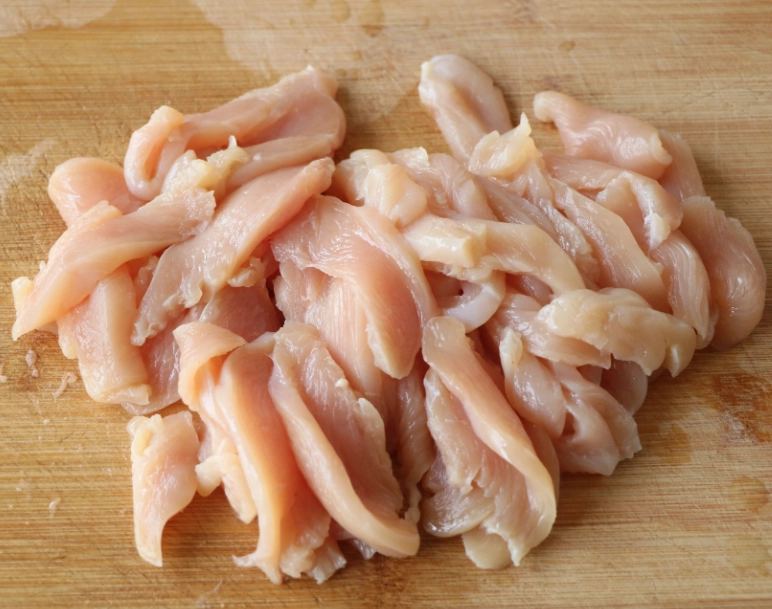
Why Bother? The Real Benefits Beyond Just Speed
Sure, fast cooking is great. But the advantages of using Perdue thin cut chicken breast go deeper than just saving a few minutes.
Even Cooking is Everything
This is the number one reason I keep buying them. An evenly thick piece of protein cooks evenly. It's simple physics. You get a consistent sear, a consistent internal temperature, and a consistent juicy texture from edge to edge. It eliminates the guesswork. No more cutting into the thickest part every 30 seconds, praying it's done.
Maximum Flavor, Minimum Effort
Thinner meat has more surface area relative to its volume. That means more room for your seasonings, marinades, or breading to adhere. A 30-minute marinade can penetrate a thin cutlet much more effectively than a thick breast. You get flavor in every bite, not just on the outside.
Versatility for Days
Because they cook so quickly and uniformly, these cutlets are incredibly versatile. They're the perfect blank canvas. One night they can be the star of a classic chicken piccata. The next, they can be sliced up for stir-fries, chopped for salads, stuffed into quesadillas, or layered on a sandwich. It's one protein that can genuinely wear many hats throughout the week.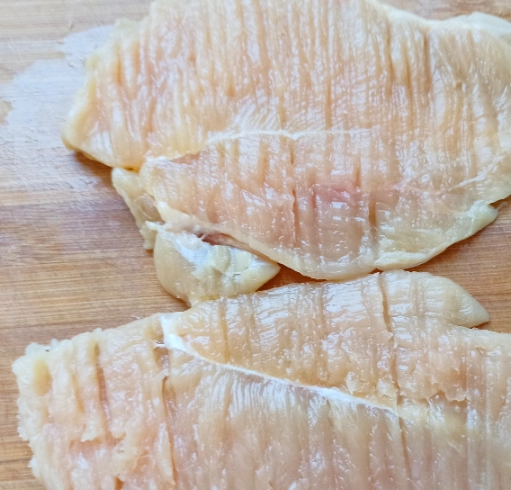
The Buying Guide: What to Look For (And Avoid)
Not all packages are created equal. Here’s what I’ve learned from scrutinizing countless packs in the store.
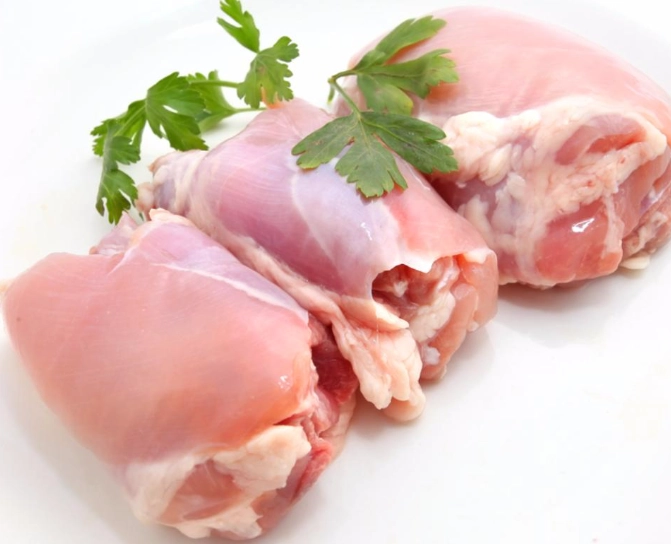
Check the Color: Whether fresh or frozen (look at the picture on the bag), the meat should be a pinkish, creamy color. Avoid any with grayish spots or areas that look dried out.
Look at the Liquid: For fresh packs, a little moisture in the tray is normal. A pool of liquid, however, can be a sign of excess water retention (sometimes used to plump weight) or that it's been sitting for a while. The less "juice," the better.
Read the Label Carefully: This is crucial. Check the ingredients list. Ideally, it should say: Chicken Breast. That's it. Some packages, especially seasoned ones or value packs, might include additives like "up to 15% solution of water, salt, and natural flavors." This is a personal preference. The added solution can help keep it moist during cooking, but it also adds sodium and you're paying for that added water weight. I prefer the no-solution-added options for more pure chicken flavor.
Frozen vs. Fresh: Don't be snobby about frozen. Individually quick frozen (IQF) Perdue thin cut chicken breast is often frozen at peak freshness. It's incredibly convenient for portion control and often cheaper per pound. Just make sure the bag isn't torn or covered in frost crystals (a sign of freezer burn or temperature fluctuations).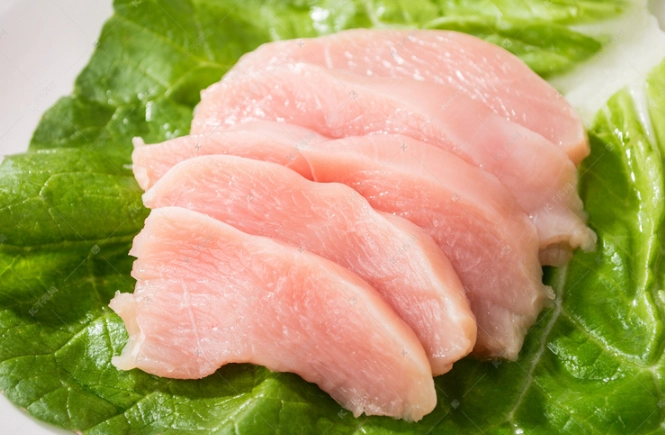
The Ultimate Cooking Guide: Methods Ranked
Okay, you've bought it. Now, how do you not ruin it? The good news is, it's hard to mess up. But some methods are better than others. Here’s my personal ranking, from most-used to special occasion.
| Cooking Method | Best For... | Time & Temp Guide | Key to Success |
|---|---|---|---|
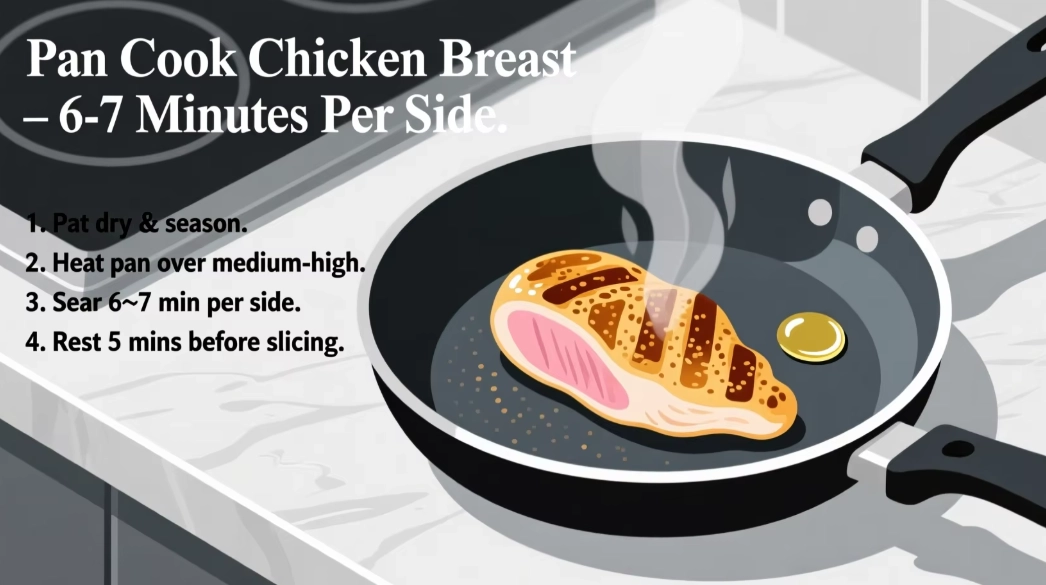
| Pan-Searing/Sautéing | Weeknight dinners, getting a fast crust. | 3-4 mins per side over med-high heat. | HOT pan, don't crowd it, don't move it until it releases easily. |
| Grilling | Summer cookouts, smoky flavor. | 2-3 mins per side over direct high heat. | Oil the grates well. They cook fast, so stay nearby! |
| Baking/Roasting | Hands-off cooking, cooking large batches. | 12-15 mins at 400°F (200°C). | Use a rack on a baking sheet for air circulation. |
| Air Frying | "Fried" texture without the oil mess. | 8-10 mins at 375°F (190°C), flip halfway. | Lightly spray or brush with oil for crispness. |
| Shallow Frying | Chicken sandwiches, schnitzel. | 2-3 mins per side in 1/2" oil at 350°F (175°C). | Perfect for breaded cutlets. Drain on a rack, not paper towels. |
The Non-Negotiable Rule: Temperature
Regardless of method, the single most important thing is to use a meat thermometer. It takes the anxiety out of cooking chicken. The USDA recommends cooking all poultry to a safe minimum internal temperature of 165°F (74°C). You can find their detailed guidelines on safe cooking temperatures on their official food safety website.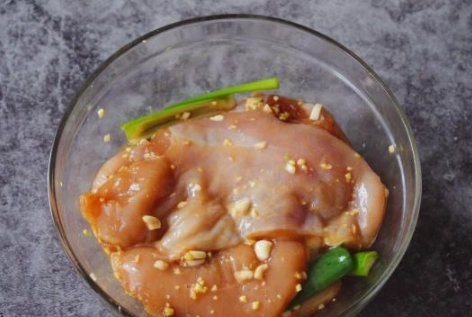
Here's a chef's trick, though: Because the carryover heat (the heat that continues to cook the meat after it's off the flame) is less on a thin cutlet, I pull my Perdue thin cut chicken breast off the heat at about 160°F (71°C). By the time it rests for 5 minutes, it'll have reached that safe 165°F and be incredibly juicy. If you cook it to 165°F in the pan, it might creep up to 170°F+ while resting and start to dry out.
Three Go-To Recipes That Never Fail
You don't need a cookbook. Here are three simple frameworks I use 90% of the time. Think of them as templates you can adapt.
1. The 10-Minute Lemon Garlic Sauté
My absolute weeknight savior. It feels fancy but takes no time.
- Pat dry and season 2 Perdue thin cut chicken breasts with salt and pepper.
- Heat 1 tbsp olive oil in a skillet over medium-high. Cook chicken 3 mins per side until golden and cooked through. Remove to a plate.
- In the same pan, add 2 minced garlic cloves and a pinch of red pepper flakes. Cook for 30 seconds until fragrant.
- Pour in 1/4 cup chicken broth and the juice of half a lemon. Scrape up the browned bits. Let it simmer for a minute until slightly reduced.
- Turn off heat, stir in a tablespoon of butter and some fresh parsley. Pour the sauce over the chicken. Done.
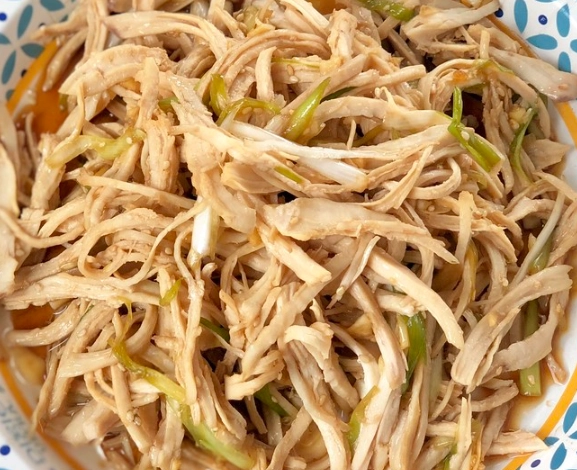
2. The "Faux-Fried" Air Fryer Cutlet
For when you want that crispy satisfaction without deep frying.
- Set up three shallow dishes: one with flour, one with a beaten egg, one with seasoned panko breadcrumbs.
- Dredge each Perdue thin cut chicken breast in flour, then egg, then panko, pressing to adhere.
- Lightly spray with cooking oil. Air fry at 375°F (190°C) for 8-10 minutes, flipping halfway, until golden and crispy.
- Serve on a bun with slaw, or slice over a salad.
3. The Big-Batch Sheet Pan Fajitas
Minimal cleanup, maximum flavor.
- Preheat oven to 400°F (200°C). On a large sheet pan, toss sliced bell peppers and onions with olive oil, chili powder, cumin, and salt.
- Push veggies to the sides. Place seasoned Perdue thin cut chicken breasts in the center of the pan.
- Roast for 12-15 minutes, until chicken is cooked and veggies are charred at the edges.
- Let chicken rest for 5 minutes, then slice against the grain. Serve with warm tortillas, salsa, and avocado.
Answering Your Burning Questions (FAQ)
The Final Verdict: Is It Worth It?
Look, if you're on an extremely tight budget and have the time and knife skills to prep your own, buying whole breasts is the cheaper route. There's no arguing that.
But for everyone else—the busy parents, the after-work warriors, the cooking novices who want a win—Perdue thin cut chicken breast is a genuinely useful product. It removes a major barrier to cooking at home: the intimidation and time-suck of prepping and cooking chicken properly.
It's a shortcut that doesn't sacrifice quality. In fact, when cooked right, it often delivers a better, more consistent result than a haphazardly butchered whole breast.
So next time you're in the meat aisle, feeling that familiar dread, give the thin cuts a try. Grab a bag of the frozen plain ones, a lemon, and some garlic. You might just find your new favorite weeknight cheat code.
Related Articles