Can You Bake Frozen Chicken? A Complete Guide to Safe and Easy Baking
Yes, you can bake frozen chicken—I’ve done it dozens of times when I forget to thaw dinner. But here’s the catch: if you just toss a frozen block into the oven, you’ll end up with dry, unevenly cooked meat that’s a food safety nightmare. After ruining a few batches myself, I figured out the right way. This guide walks you through everything, from why it works to step-by-step methods that deliver juicy, safe results every time.
What You'll Learn
The Safety of Baking Frozen Chicken
Let’s cut to the chase: baking frozen chicken is safe if you follow proper guidelines. According to the USDA Food Safety and Inspection Service, you can cook frozen meat without thawing, but you must increase the cooking time by about 50%. The key is hitting an internal temperature of 165°F (74°C) throughout the thickest part. I learned this the hard way when I served undercooked chicken to friends—never again.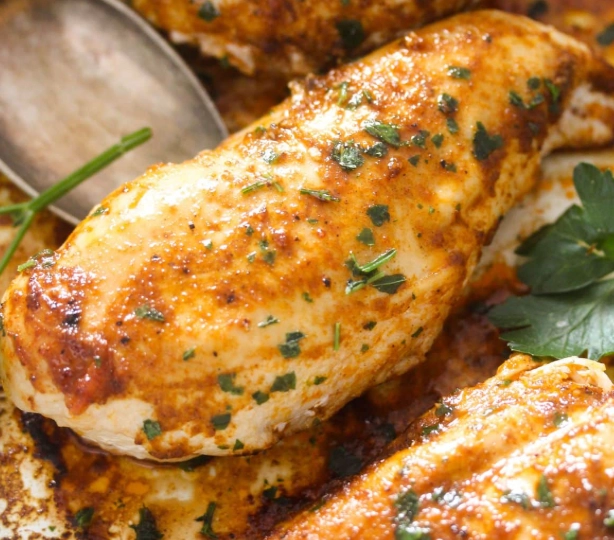
Most people worry about bacteria like Salmonella. Frozen chicken slows bacterial growth, but it doesn’t kill them. That’s why temperature control is non-negotiable. Use a meat thermometer; guessing doesn’t cut it.
Why Thawing Isn't Always Necessary
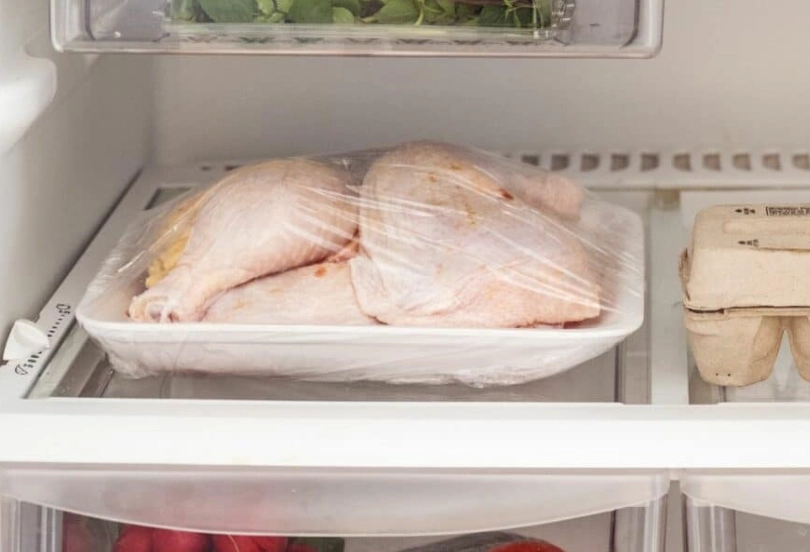
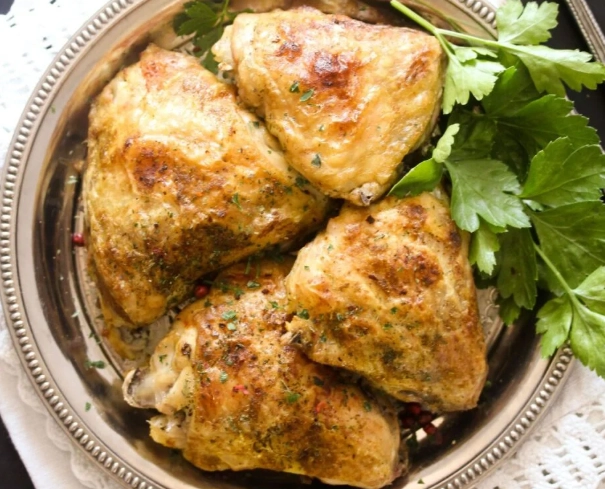
Thawing can be a hassle. It takes hours in the fridge or risks uneven thawing in water. Baking frozen chicken skips that step, saving time for busy weeknights. But there’s a nuance: thicker cuts like whole chickens need careful monitoring, while thinner pieces like breasts are more forgiving. I prefer baking frozen chicken thighs—they stay moist even if I overcook them a bit.
Step-by-Step Baking Method
Here’s my go-to method, refined after trial and error. It works for most cuts: breasts, thighs, drumsticks, even wings.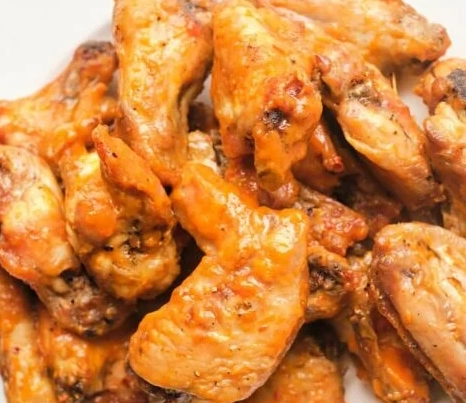
Pro tip: Pat the frozen chicken dry with paper towels before seasoning. It helps the seasoning stick and promotes browning.
Temperature and Time Settings
Preheat your oven to 375°F (190°C). That’s the sweet spot—hot enough to cook through without burning the outside. For time, add 50% to the usual baking time. For example, if thawed chicken breasts take 25 minutes, frozen ones need around 38 minutes. But it varies by size and cut.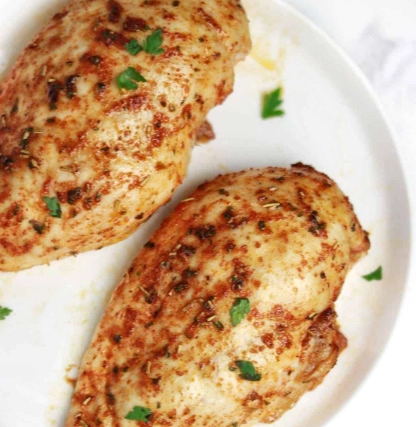
| Chicken Cut | Approximate Baking Time (Frozen) | Internal Temp to Check |
|---|---|---|
| Breasts (6 oz each) | 35-45 minutes | 165°F |
| Thighs (bone-in) | 40-50 minutes | 165°F |
| Drumsticks | 45-55 minutes | 165°F |
| Wings | 30-40 minutes | 165°F |
I once baked frozen chicken breasts at 400°F for 30 minutes, thinking it would speed things up. The outside charred, but the center was icy. Lesson learned: lower and slower wins.
How to Check for Doneness
Don’t rely on color or time alone. Insert a meat thermometer into the thickest part, avoiding bones. If it reads 165°F, you’re good. Let the chicken rest for 5 minutes after baking—this lets juices redistribute, preventing dryness. I skip this sometimes when I’m hungry, and the meat turns out tougher.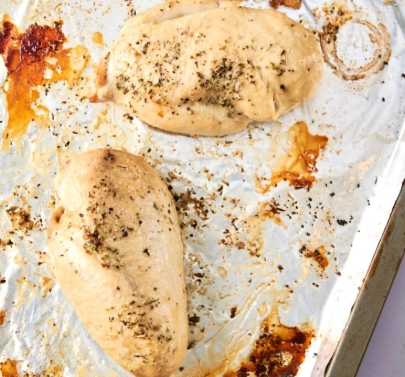
Simple Frozen Chicken Recipes
Baking frozen chicken doesn’t mean bland food. Here are two recipes I use regularly. They’re foolproof and require minimal prep.
Herb-Crusted Frozen Chicken Breasts
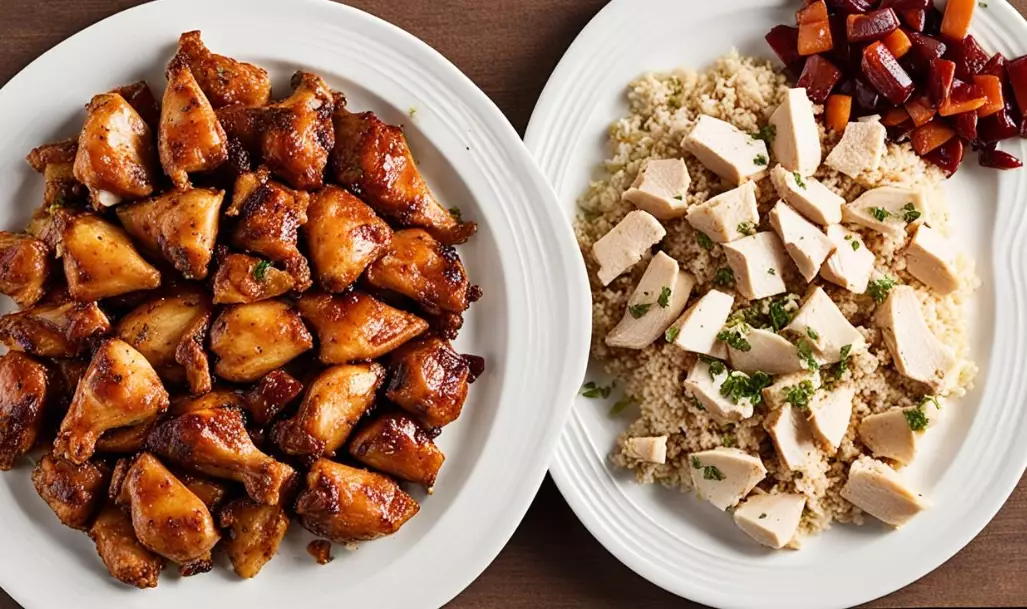
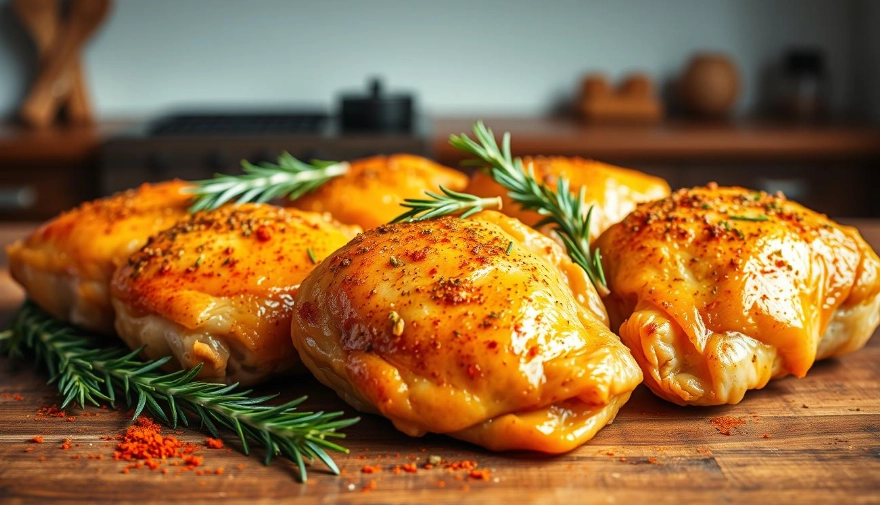
This is my weeknight savior. Take frozen chicken breasts, drizzle with olive oil, and rub with a mix of dried thyme, garlic powder, salt, and pepper. Bake at 375°F for 40 minutes, checking the temp at 35. The herbs form a crust that locks in moisture. Serve with roasted veggies—it’s done in under an hour.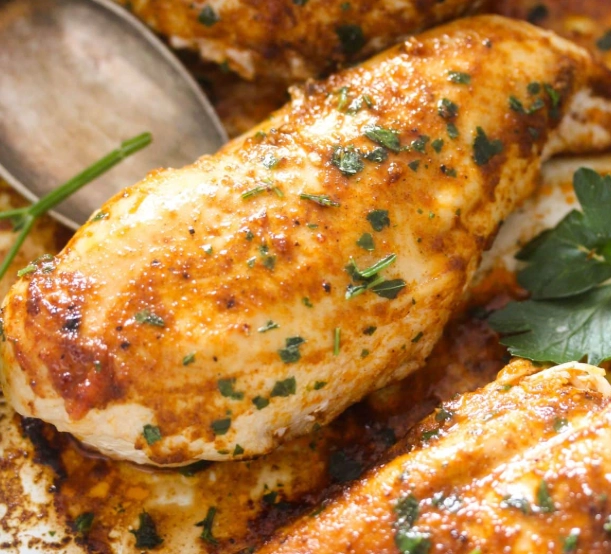
Easy Frozen Chicken Thighs with Vegetables
For a one-pan meal, place frozen chicken thighs in a baking dish. Surround with chopped potatoes, carrots, and onions. Drizzle with oil and sprinkle with paprika. Bake at 375°F for 50 minutes. The veggies soak up the chicken juices, making everything flavorful. I love this for meal prep—it reheats well.
Some folks add sauce halfway through baking to prevent burning. I tried BBQ sauce on frozen wings; it worked, but brush it on after 20 minutes to avoid a sticky mess.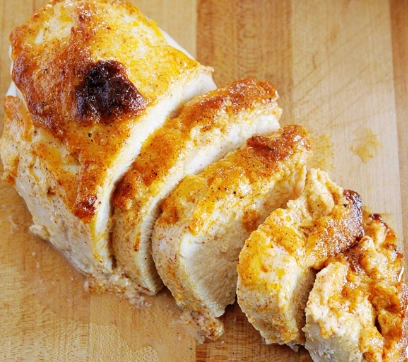
Common Questions Answered
Baking frozen chicken is a time-saver, but it demands attention to detail. Start with simple recipes, use a thermometer, and don’t rush the process. Once you get the hang of it, you’ll wonder why you ever bothered thawing. Got more questions? Drop a comment—I’ve probably messed it up before and found a fix.
Related Articles