The Perfect Roast Chicken: Your Ultimate Guide to Temperature & Timing
Quick Navigation
Let's be honest. We've all been there. You follow a recipe to the letter, pull a beautifully golden bird out of the oven, full of hope and the smell of promise. You carve into it, and... it's dry. The breast is like sawdust, the thigh somehow still a bit rubbery near the bone. It's a kitchen heartbreak that happens more often than it should. After ruining my fair share of chickens (and dinners) early on, I became obsessed with figuring out why. And you know what? Nine times out of ten, the culprit is a misunderstanding about one simple thing: what temperature to roast a whole chicken.
It's not just about setting your oven dial. It's about the internal temperature of the meat, the type of heat you use, and how you manage the time. Get this right, and you unlock a world of juicy, flavorful, consistently perfect roast chicken. Forget the guesswork. This guide is going to walk you through every single step, bust some common myths, and give you the confidence to nail it every single time.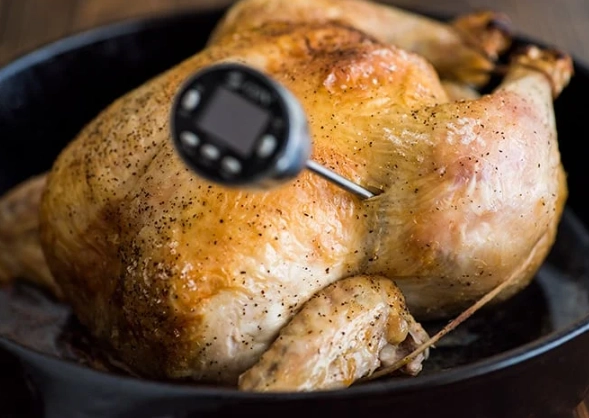
The Core Answer (Before We Dive Deep): For a standard 4 to 5-pound chicken, most reliable sources, from classic cookbooks to modern food science hubs, recommend roasting at an oven temperature of 425°F (220°C). You roast it until the thickest part of the breast registers 155-160°F (68-71°C) and the deepest part of the thigh hits 175°F (79°C). Then, you let it rest. This method gives you crispy skin and juicy meat. But... that's just one way. And why those numbers? Let's unpack it.
Why Internal Temperature is Your New Best Friend
Relying on cooking time alone is a recipe for disaster. Is your chicken 3.5 pounds or 4.5? Was it cold from the fridge or did it sit out? Is your oven running hot or cool? These variables make "roast for 20 minutes per pound" a shaky promise. An instant-read thermometer is the single most important tool for roasting poultry. It takes the guesswork out and tells you the truth about what's happening inside the bird.
The magic number for safety, according to the USDA Food Safety and Inspection Service, is 165°F (74°C) for poultry. However, in the world of great cooking, we often pull the chicken out *before* it hits that mark. Why? Because of something called carryover cooking. The hot outer layers of meat continue to transfer heat inward even after you take the chicken out of the oven. A breast that reads 160°F when pulled will easily coast up to a safe 165°F+ during a proper rest. This prevents overcooking.
Thighs and legs, on the other hand, are full of connective tissue (collagen) that needs to render and break down to become tender. That happens at a higher temperature, around 175°F. This is why we aim for two different internal temps.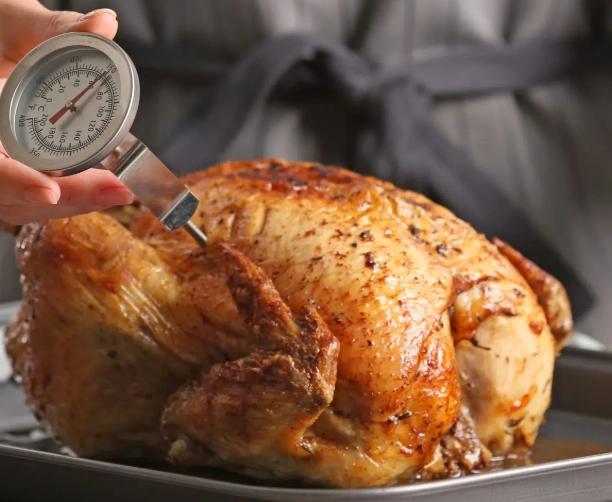
A Quick Safety Note: Always insert the thermometer into the thickest parts without touching bone, which conducts heat differently and can give a false reading. If you're unsure, check multiple spots. Following the USDA guideline of 165°F is always the safest bet, especially if serving vulnerable populations.
The Great Temperature Debate: High Heat vs. Low & Slow
Here's where it gets interesting. Asking what temperature to roast a whole chicken opens up a philosophical debate in the kitchen. There are two main schools of thought, and each has its passionate followers (myself included, depending on the day!).
The High-Heat Blitz (425°F - 450°F / 220°C - 230°C)
This is the classic, weeknight-friendly method. Crank the oven hot. The benefits are major:
- Crispy, Blistered Skin: High heat rapidly renders subcutaneous fat and dries out the skin surface, leading to that irresistible crackle.
- Faster Cooking: You can get a chicken on the table in about an hour.
- Beautiful Browning: The Maillard reaction (that lovely browning) happens quickly, creating deep flavor.
The potential downside? The window between "perfectly juicy breast" and "dry breast" is smaller. You have to watch it more closely. But with a thermometer, it's foolproof. This is my go-to for a standard roast with veggies.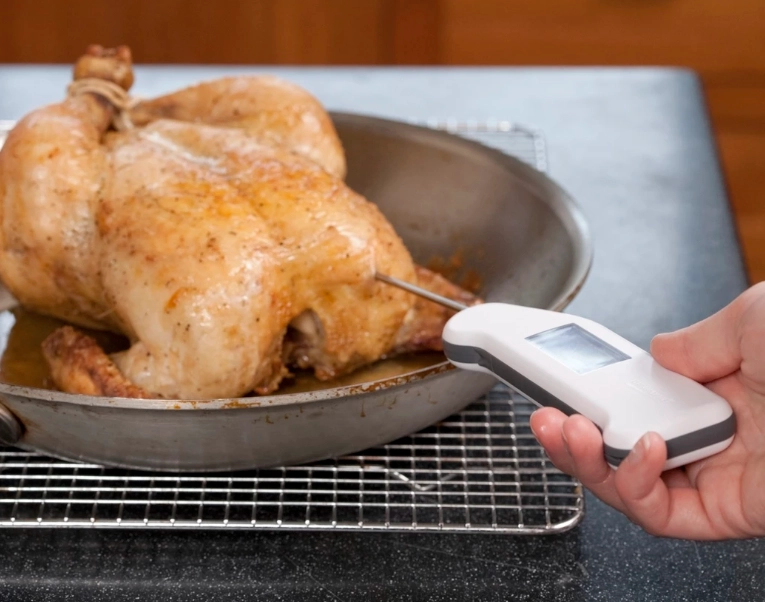
The Low & Slow Path (300°F - 350°F / 150°C - 175°C)
Pioneered by chefs and popularized by food science writers like J. Kenji López-Alt at Serious Eats, this method is a game-changer for juiciness.
- Unbelievable Juiciness: Cooking at a lower temperature minimizes the temperature gradient between the outer and inner meat. The breast and thigh cook more evenly, resulting in incredibly succulent meat from edge to edge.
- Forgiving: The chicken sits in the "done" window for much longer, reducing stress.
The trade-off? Pale, flabby skin. The solution? A finishing blast under the broiler or a very high heat oven for the last 5-10 minutes to crisp it up. This method takes longer (maybe 1.5 to 2 hours), but the texture of the meat is often superior.
So which is better?
Honestly, it depends on what you value most. Craving that classic, crispy-skinned Sunday roast quickly? High heat. Want the most impossibly juicy meat possible and don't mind an extra step for the skin? Low and slow.
Your Action Plan: A Step-by-Step Roadmap
Let's translate this into a recipe you can follow. I'll give you the high-heat method, as it's the most universal.
Step 1: Preparation is Everything (Don't Skip This!)
- Dry the Bird: This is non-negotiable. Pat the chicken extremely dry inside and out with paper towels. Wet skin steams; dry skin roasts and crisps.
- Season Liberally: Salt and pepper the cavity and under the skin as well as all over the outside. Do this at least an hour before, or even the night before, and leave it uncovered in the fridge. This "dry-brine" seasons the meat deeply and helps dry the skin further.
- Truss or Not? Trussing (tying the legs) makes a prettier package but can slow down thigh cooking. I prefer spatchcocking (removing the backbone and flattening the chicken) for even cooking, but for a traditional look, a simple truss is fine.
- Bring to Room Temp: Take the chicken out of the fridge 30-45 minutes before roasting. A cold chicken going into a hot oven will cook unevenly.
Step 2: The Roasting Itself
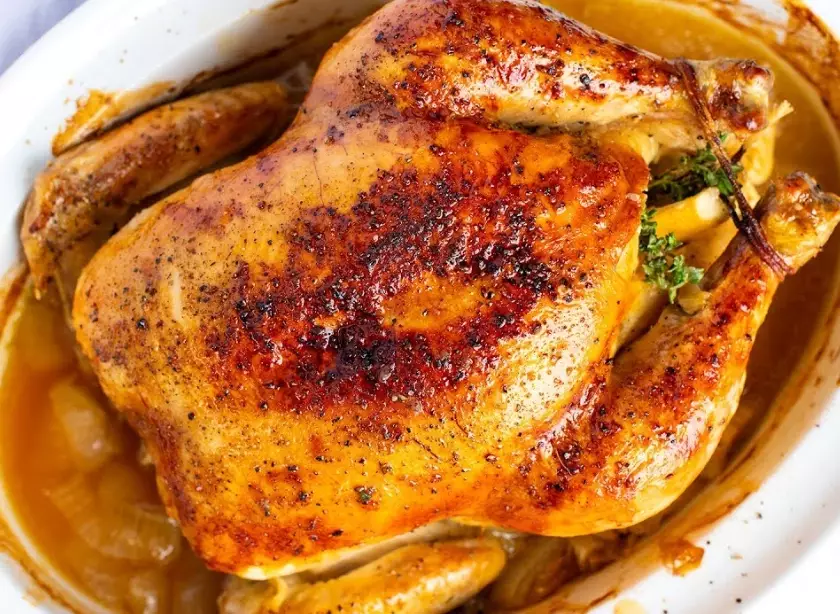
Preheat your oven to 425°F (220°C). Place the chicken on a rack in a roasting pan (the rack promotes air circulation). You can toss some chunked potatoes, carrots, and onions in the bottom of the pan—they'll cook in the drippings.
Roast, undisturbed, for about 45 minutes. Then, start checking the temperature.
Step 3: The Temperature Check & The Rest
Insert your thermometer into the thickest part of a breast, then into a thigh. You're looking for 155-160°F in the breast and 170-175°F in the thigh. If the thighs aren't ready but the breast is, you can shield the breast with a small piece of foil to prevent overcooking while the legs finish.
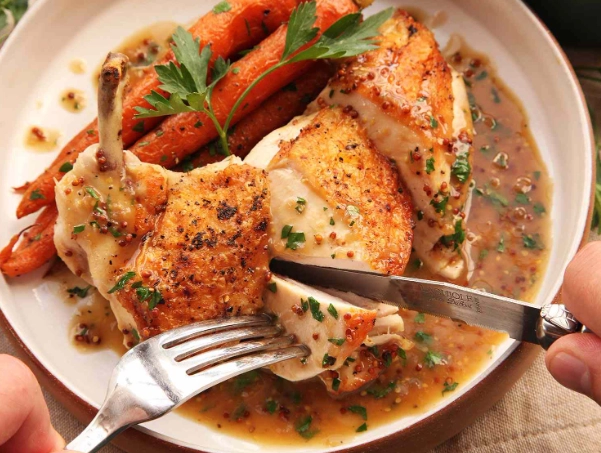
Once it hits temp, take it out. This is crucial. Transfer the chicken to a cutting board or platter and let it rest for at least 15-20 minutes. This allows the juices, which have been driven to the center by the heat, to redistribute throughout the meat. If you cut immediately, all those juices will just run out onto the board.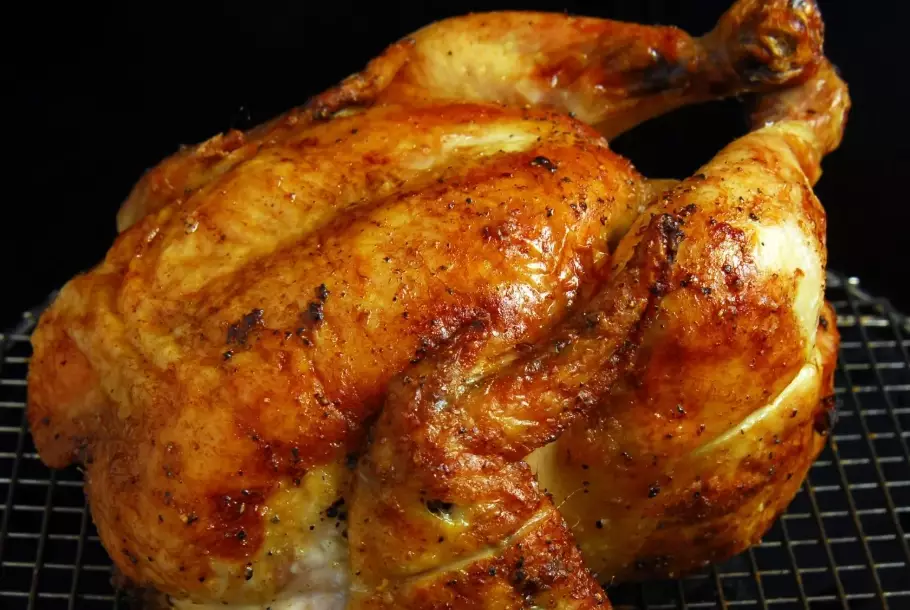
Pro-Tip: While it rests, make a quick pan sauce with the drippings. Pour off most of the fat, place the roasting pan on the stove over medium heat, add a splash of white wine or chicken stock, and scrape up all the browned bits (fond). Reduce slightly. Stir in a knob of cold butter off the heat for a silky, flavorful sauce. It takes 5 minutes and elevates the whole meal.
Roast Chicken Time & Temperature Chart
This chart is your quick-reference guide for a high-heat (425°F/220°C) method. Remember, these are estimates—always use a thermometer!
| Chicken Weight | Approx. Total Roast Time | Target Breast Temp (Pull from Oven) | Target Thigh Temp (Pull from Oven) |
|---|---|---|---|
| 3 - 3.5 lbs (1.4 - 1.6 kg) | 50 - 65 minutes | 155°F - 160°F (68°C - 71°C) | 170°F - 175°F (77°C - 79°C) |
| 4 - 4.5 lbs (1.8 - 2 kg) | 65 - 80 minutes | 155°F - 160°F (68°C - 71°C) | 170°F - 175°F (77°C - 79°C) |
| 5 - 5.5 lbs (2.3 - 2.5 kg) | 80 - 95 minutes | 155°F - 160°F (68°C - 71°C) | 170°F - 175°F (77°C - 79°C) |
| 6 lbs+ (2.7 kg+) | Consider spatchcocking or lower heat | 155°F - 160°F (68°C - 71°C) | 170°F - 175°F (77°C - 79°C) |
Answering Your Burning Questions (FAQ)
I've gotten a ton of questions from friends and readers over the years. Here are the ones that come up constantly.
Should I roast the chicken breast-up or breast-down?
Starting breast-down for the first 30-40 minutes lets the fat and juices from the back and thighs baste the lean breast meat. Then, flip it breast-up for the remainder to crisp the skin. It's a great technique for extra juiciness, but it's a bit fussy. If you're not comfortable flipping a hot chicken, just roast it breast-up the whole time—it'll still be great if you monitor the temperature.
Do I need to baste?
In my experience, no. In fact, basting can hinder crisping because you're adding moisture to the skin. The constant opening of the oven door also causes temperature fluctuations. The best "basting" is the chicken's own internal juices, which are preserved by proper resting.
Can I stuff the chicken?
You can, but I don't recommend it for a beginner trying to nail a juicy chicken. Stuffing acts as an insulator, slowing down the cooking of the cavity meat and often leading to an overcooked exterior before the stuffing (which must also reach 165°F) is safe. If you want stuffing, bake it separately in a dish.
My skin isn't crispy. What went wrong?
Almost certainly, the skin wasn't dry enough before going in the oven. Or, you basted it too much. Or, your oven isn't running hot enough—an inexpensive oven thermometer can tell you if your dial is lying to you.
What about convection roast?
If your oven has a convection (fan) setting, use it! It circulates hot air, leading to more even cooking and often crispier skin. The general rule is to reduce the temperature by 25°F (about 15°C) from the recipe's suggestion, or cook for slightly less time. So, for our 425°F method, you'd use 400°F convection. Still, trust your thermometer over the clock.
Can I use a frozen chicken?
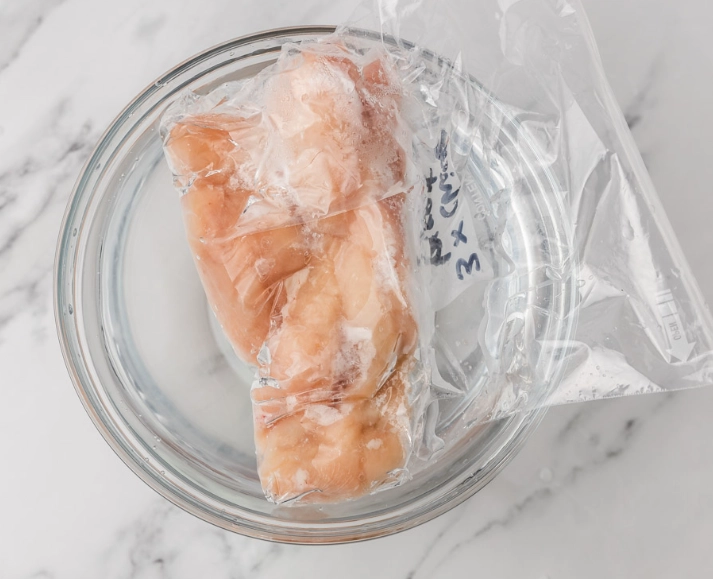
Please, for the love of good chicken, thaw it completely first. Roasting a frozen chicken is a surefire path to unsafe, uneven cooking—the outside will be dry and overcooked while the inside remains frozen or dangerously undercooked. Thaw in the fridge for 1-2 days.
Troubleshooting Common Roast Chicken Problems
- Dry Breast, Undercooked Thighs: The chicken was likely not trussed/spatchcocked for even cooking, or it was roasted at too high a temperature for its size. Next time, try starting breast-down or spatchcocking. A lower oven temp (like 375°F) can also help legs catch up.
- Pale, Rubbery Skin: The oven wasn't hot enough, or the skin was wet. Crank the heat for the last 10-15 minutes, or finish under the broiler (watch it like a hawk!).
- Burnt Skin, Raw Inside: Oven temperature is way too high. Calibrate your oven or use an oven thermometer. Always start with a preheated oven.
The Ultimate Takeaway: Stop searching for a single, magic number for what temperature to roast a whole chicken. Instead, understand the principles: dry the skin, season well, use high heat for crispiness or low heat for juiciness, and—I cannot stress this enough—use a meat thermometer to track the internal temperature. Let it rest. That's the whole game right there.
Once you master the basic technique, it becomes a canvas. Rub it with smoked paprika and garlic. Stuff herbs and lemon inside. Glaze it with honey and mustard in the last 10 minutes. The world is your oyster... or your roast chicken.
The best part? Even the "failures" are usually still pretty tasty. And now, you have the knowledge to make sure your next one isn't a failure at all, but a triumph. Go preheat that oven.
Related Articles