Dark Meat Chicken: Cuts, Cooking & Why It’s Juicier
You grab a pack of chicken at the store. You see breasts, thighs, wings, drumsticks. You know some are "white meat" and some are "dark meat," but beyond the color, what's the real deal? If you've ever bitten into a dry, bland chicken breast and wished for more flavor, you're in the right place. The secret often lies in choosing the right cut. Let's cut through the confusion and talk about what part of the chicken is dark meat, why it's different, and why it might just become your go-to for weeknight dinners and special occasions alike.
What's Inside This Guide?
What Parts of the Chicken Are Dark Meat?
It's simpler than you think. Dark meat comes from the parts of the chicken that get the most exercise—the legs and thighs. These muscles are used constantly for standing, walking, and scratching. That activity changes everything about the meat.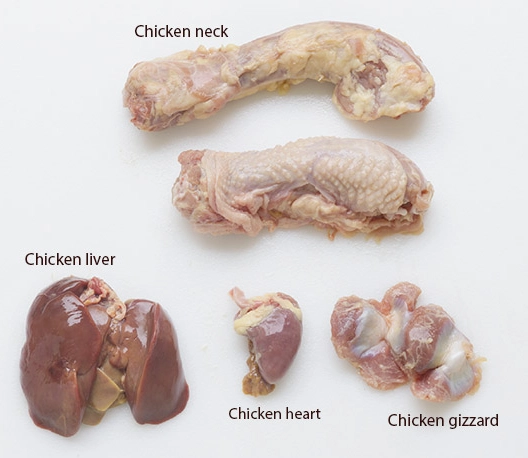
Here’s the definitive list:
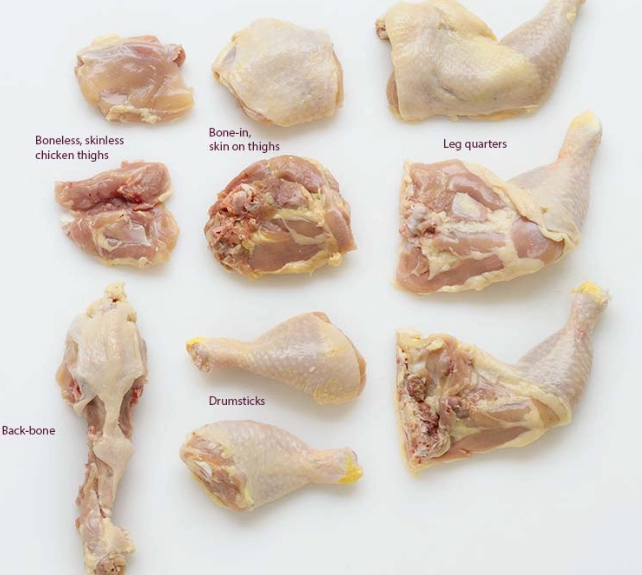
- Thighs: The top part of the leg. This is the king of dark meat. You can buy them bone-in, skin-on (my personal favorite for maximum flavor), boneless, or skinless. They're incredibly versatile.
- Drumsticks: The lower part of the leg. They're fun to eat, often more affordable, and a hit with kids. The bone helps conduct heat evenly, making them forgiving to cook.
Now, here's where it gets interesting, and where most online guides gloss over the details.
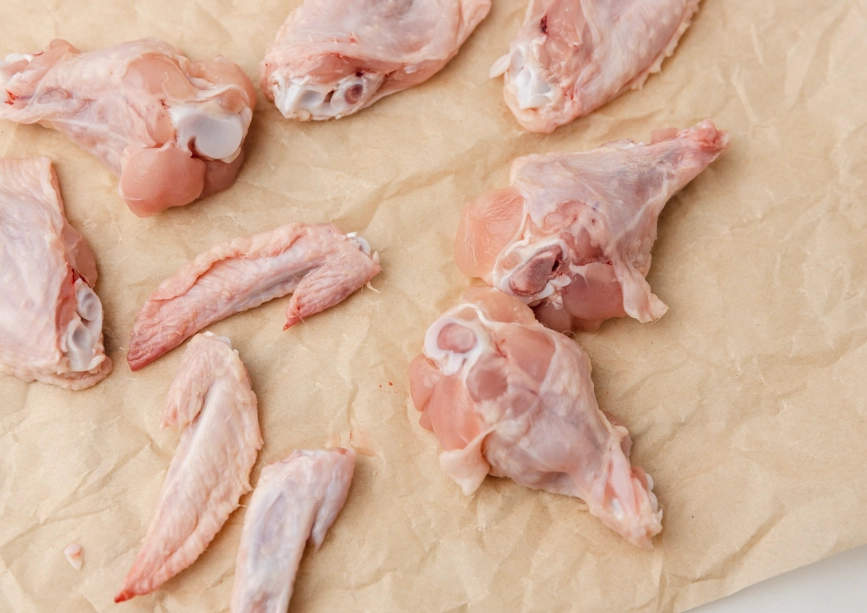
The wings are a hybrid. The meatier parts—the drumette and the wingette (or flat)—are technically white meat because they come from the breast muscle. However, they have a higher skin-to-meat ratio and more connective tissue than a breast, which gives them a richer flavor and different texture when cooked. The very tip is mostly skin, bone, and cartilage.
Two other parts are dark meat but rarely sold solo:
- The Back: Sometimes used for stock. Not much meat, but lots of flavor.
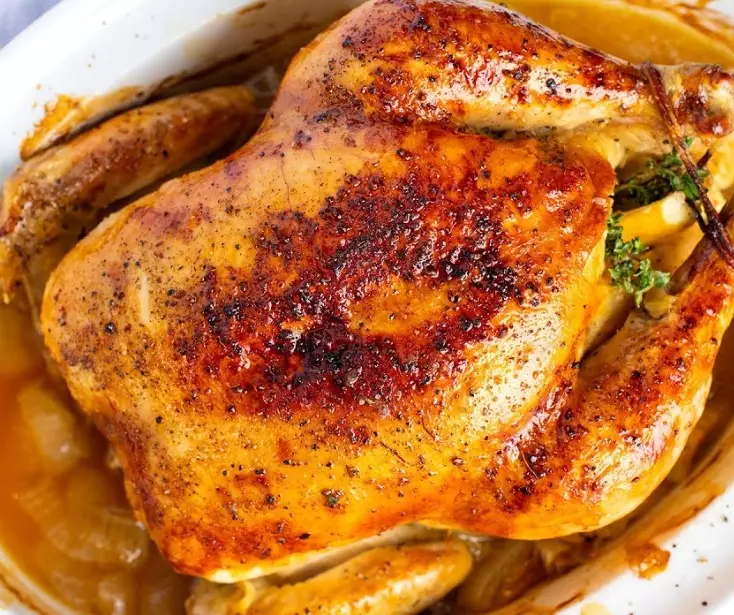
- The Oyster: A small, oval-shaped, supremely tender piece of dark meat nestled in the back, near the thigh. It's a chef's secret. When you carve a whole chicken, find it and eat it immediately as a cook's treat.
Quick Reference: If you're looking at a whole chicken, draw an imaginary line across the bird's waist. Everything below (legs, thighs) is dark meat. Everything above (breasts, wings attached to the breast) is primarily white meat.
Why Is Dark Meat Darker and More Flavorful?
It's not magic; it's science and fat. Let me break it down.
The dark color comes from a protein called myoglobin. Think of it as oxygen storage for muscles. A chicken's leg and thigh muscles are always working, so they need a ready supply of oxygen. More myoglobin equals a darker, redder meat. Breast muscles, used for short bursts of flight, need less, hence the pale color.
But the real game-changer is fat and connective tissue.
Dark meat has a higher amount of intramuscular fat and collagen. When you cook it, especially with slow, moist heat, something wonderful happens. That collagen slowly melts into gelatin. This gelatin bastes the muscle fibers from the inside out. The result? Meat that's inherently juicy, rich, and almost impossible to dry out compared to a lean breast.
That's why a chicken thigh can survive a few extra minutes on the grill or in the oven and still be delicious, while a breast turns into sawdust.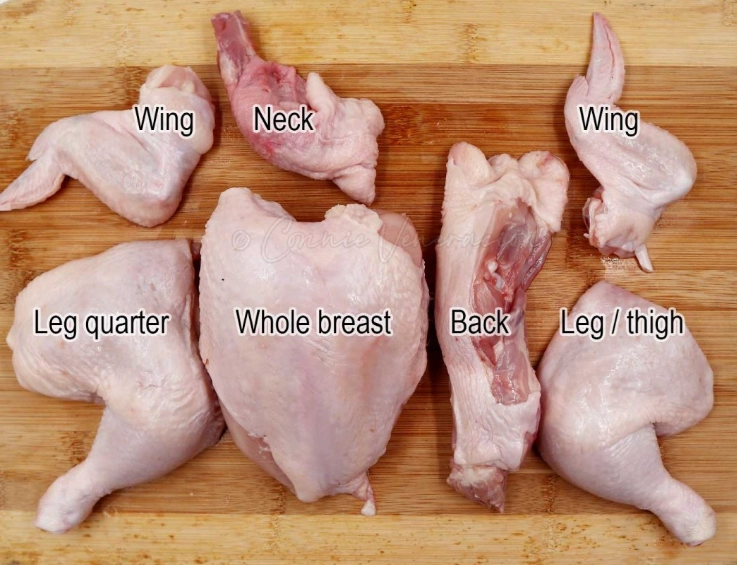
The Flavor Profile: It's Not Just "Chickenier"
People say dark meat tastes more "chickeny." What they're really tasting is that combination of fat and the compounds created when fat and protein cook together (the Maillard reaction). It has a deeper, more savory, almost mineral-rich flavor compared to the mild, sometimes bland taste of white meat.
Nutrition & Health: Busting the "Unhealthy" Myth
This is a hill I'll die on. The blanket statement that "white meat is healthier" is outdated and misses the bigger nutritional picture.
Yes, a 3-ounce serving of skinless chicken breast has about 165 calories and 3.5 grams of fat. The same serving of skinless thigh meat has about 185 calories and 9 grams of fat (data from the USDA). That's the comparison everyone makes.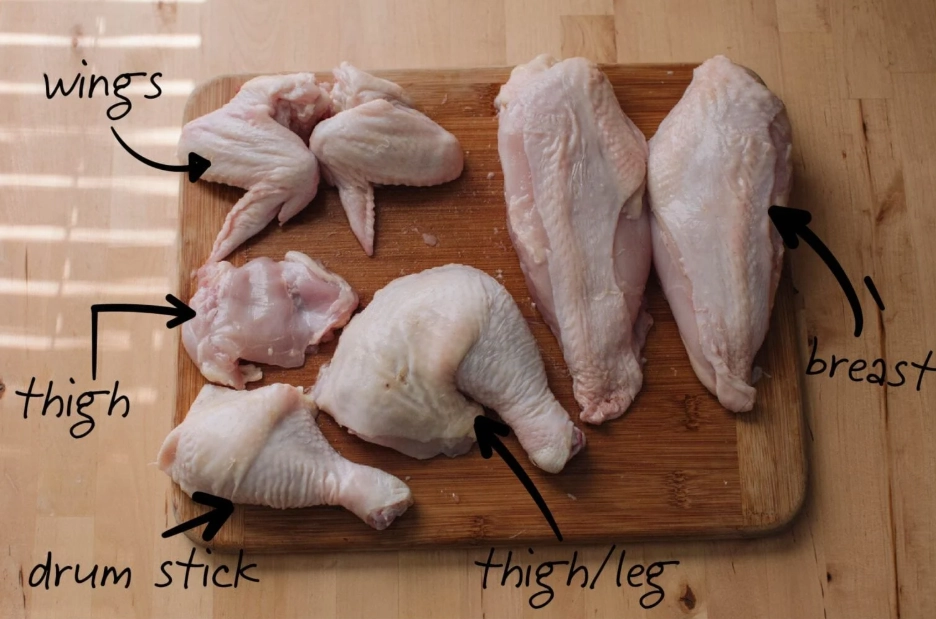
But look at what you gain with dark meat:
| Nutrient | Skinless Chicken Thigh (3oz) | Skinless Chicken Breast (3oz) | Why It Matters |
|---|---|---|---|
| Iron | ~1.1 mg | ~0.5 mg | Critical for energy and oxygen transport in blood. Dark meat has over twice as much. |
| Zinc | ~2.5 mg | ~0.8 mg | Essential for immune function and metabolism. |
| Vitamin B12 | ~0.4 mcg | ~0.3 mcg | Vital for nerve function and creating DNA. |
| Riboflavin (B2) | ~0.2 mg | ~0.1 mg | Helps convert food into energy. |
The extra fat is also what carries flavor and provides satiety, helping you feel fuller longer. For a balanced diet, choosing skinless dark meat is a nutritionally dense choice. The "healthiness" of your meal has more to do with your overall portion size and cooking method than this small fat difference. Baking, grilling, or braising thighs is a world apart from deep-frying them.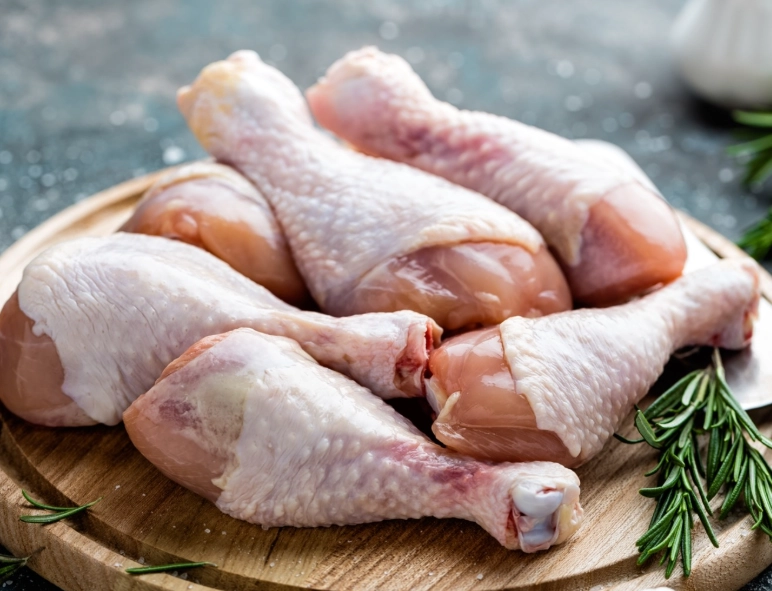
How to Cook Dark Meat Chicken Perfectly (Every Time)
Here's the expert tip most home cooks miss: Dark meat benefits from being cooked to a higher internal temperature than white meat.
We're trained to cook chicken breast to 165°F (74°C) to be safe. For thighs and drumsticks, aim for 175-185°F (79-85°C). Why? At that higher temperature, the tough collagen and connective tissue we talked about have fully broken down into silky gelatin. Pull a thigh at 165°F, and it might still be slightly rubbery. Take it to 180°F, and it becomes fall-off-the-bone tender.
The fat content protects it from drying out, so you have a much larger window of doneness.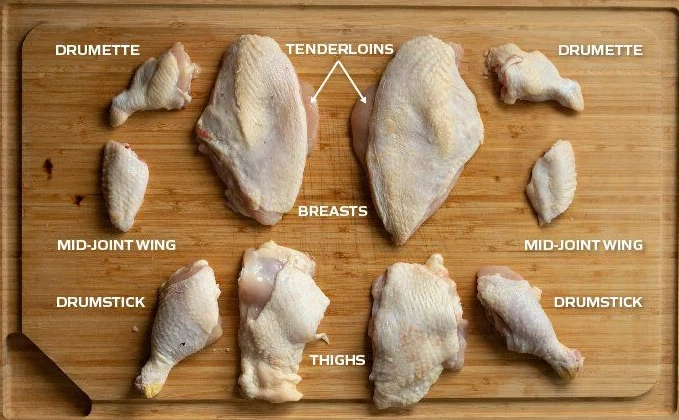
My Go-To Methods:
Braising & Slow-Cooking: This is where dark meat shines. Brown the thighs first, then let them simmer in a liquid (wine, stock, tomatoes) in the oven or a slow cooker for 1-2 hours. The result is incredible. Try a simple coq au vin or chicken cacciatore.
Roasting: Toss bone-in, skin-on thighs with oil, salt, and herbs. Roast at 425°F (220°C) for 35-45 minutes. The skin gets crispy, the meat stays juicy. It's foolproof.
Grilling: Don't be shy. The higher fat content means they won't flare up as badly as you think. Use medium-high indirect heat after a quick sear. Brush with sauce in the last 10 minutes to avoid burning.
For Meal Prep: Boneless, skinless thighs are a meal-prep superstar. Their forgiving nature means you can batch-cook them on Sunday and they'll still be moist when reheated on Wednesday—something breast meat struggles with.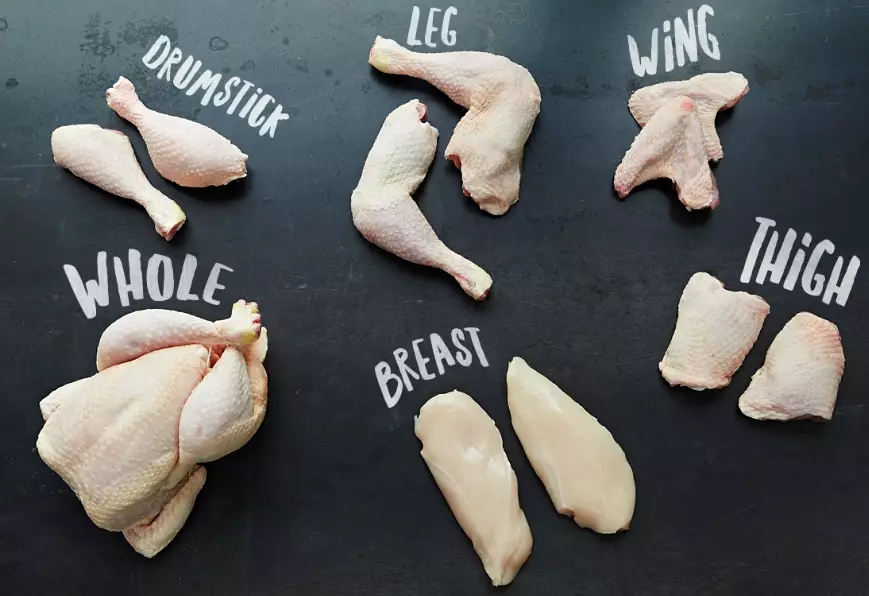
Your Dark Meat Questions Answered
So, next time you're at the meat counter, don't just default to the breasts. Grab a pack of thighs or drumsticks. They're more affordable, more forgiving to cook, and packed with the kind of flavor that turns a simple dinner into something memorable. Understanding what part of the chicken is dark meat is the first step to unlocking a world of juicier, more satisfying meals.
Related Articles