What Is Dark Chicken Meat? Your Ultimate Guide to Flavor & Nutrition
Quick Navigation
- Why Is It Dark? The Simple Science Behind the Color
- Dark Meat vs. White Meat: A Head-to-Head Breakdown
- The Nutritional Profile of Dark Chicken Meat: It's Not What You Think
- How to Cook Dark Chicken Meat: Unleashing the Flavor
- Your Dark Chicken Meat Questions, Answered
- Final Thoughts: Give Dark Meat a Chance
Let's talk about dark chicken meat. You know, the parts that sometimes get a bad rap. The thighs, the legs, the wings (well, parts of them). If you've ever found yourself poking at a chicken thigh wondering why it's a different color than the breast, or if you've been told it's the "less healthy" option, you're in the right place. I used to avoid it myself, thinking white meat was the only way to go for a healthy meal. But boy, was I wrong.
Understanding what is dark chicken meat isn't just about color. It's about flavor, texture, nutrition, and unlocking a whole world of cooking possibilities that can save you from another dry, boring chicken breast. Seriously, once you get the hang of cooking dark meat, it's hard to go back.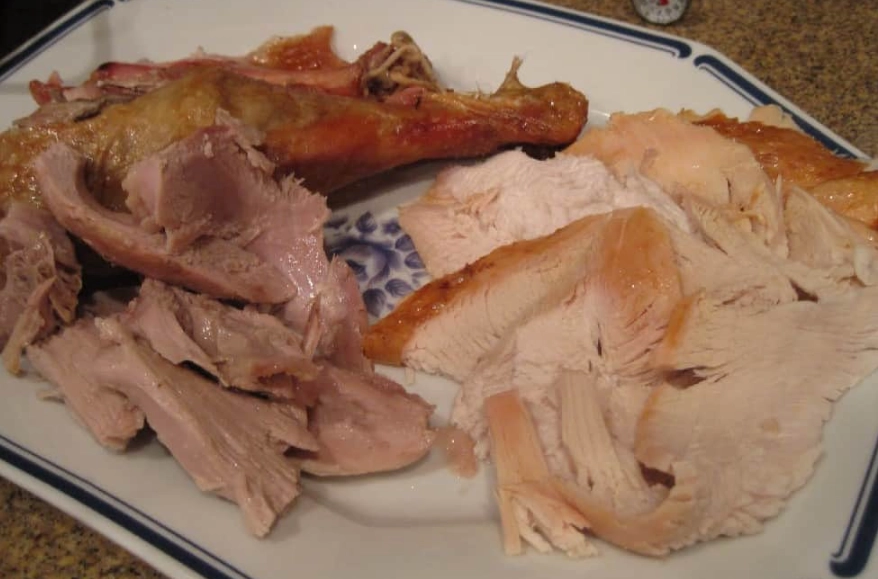
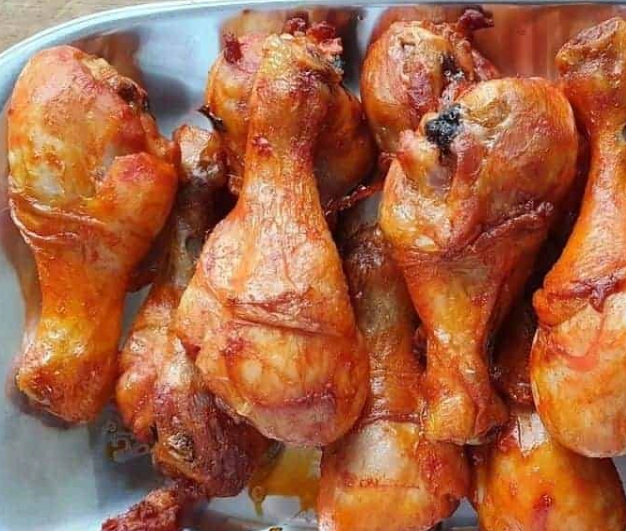
Here's the core of it: Dark chicken meat refers to the muscles from a chicken's legs and thighs (the drumsticks and the thighs). It's darker in color—a deep, reddish-brown—compared to the pale white meat of the breast. This isn't a sign of being undercooked or lower quality. It's biology in action.
Why Is It Dark? The Simple Science Behind the Color
So, what's the deal? Why is one part of the same bird a different color? It all comes down to one word: myoglobin.
Myoglobin is a protein that stores oxygen in muscle cells. Muscles that are used more frequently and for longer periods need a steady, on-demand supply of oxygen to keep working. Think about what a chicken does all day. It stands. It walks. It scratches around. Its leg and thigh muscles are constantly active, slow-twitch muscles built for endurance.
Those hard-working leg muscles are packed with myoglobin to fuel that activity. And myoglobin just happens to be red. More myoglobin equals a darker, redder muscle. The breast muscles, on the other hand, are for short, explosive movements like flapping. They're fast-twitch muscles that don't require the same constant oxygen supply, so they have much less myoglobin and stay pale.
It's the same reason why a duck has mostly dark meat—it flies long distances, using its breast muscles for endurance, filling them with myoglobin. Chicken breast meat is pale because, let's be honest, most chickens aren't doing marathon flying sessions.
This fundamental difference in muscle function is the answer to the question what is dark chicken meat at its most basic biological level. It's not a different type of meat; it's the same animal protein, just adapted for a different job. You can find a deeper dive into the science of myoglobin in meat from resources like McGill University's Office for Science and Society, which explains these biochemical concepts for everyday cooks.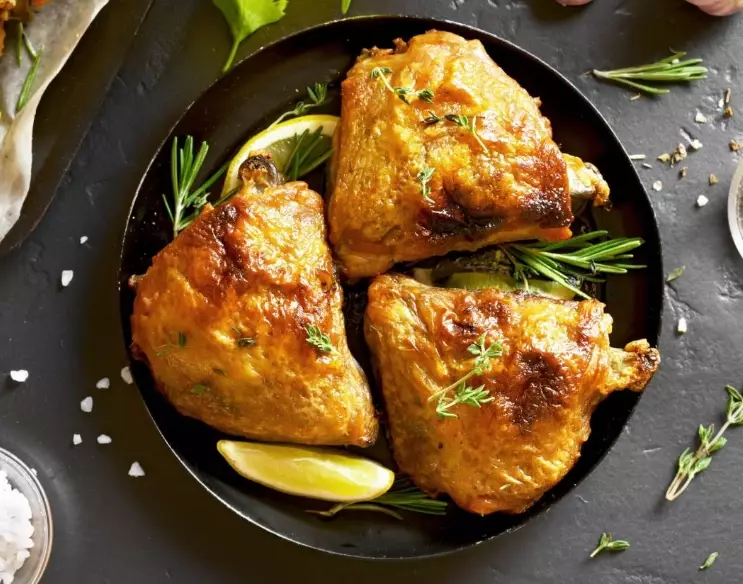
Dark Meat vs. White Meat: A Head-to-Head Breakdown
This is where things get interesting. It's not just about color. The difference in muscle fibers and fat content creates a completely different eating experience. Let's break it down side-by-side. This table should make it crystal clear.
| Characteristic | Dark Chicken Meat (Thigh/Leg) | White Chicken Meat (Breast) |
|---|---|---|
| Flavor | Rich, deeply chicken-y, savory. Often described as more "meaty." | Milder, cleaner, sometimes blander. |
| Texture | Juicy, tender, moist. Stays succulent even if slightly overcooked. | Lean, can be firm. Dries out quickly and becomes stringy if overcooked. |
| Fat Content | Higher (about 10-13g total fat per 100g cooked, skinless). | Lower (about 3-4g total fat per 100g cooked, skinless). |
| Primary Muscles | Slow-twitch (for endurance). | Fast-twitch (for quick bursts). |
| Best Cooking Methods | Braising, stewing, roasting, grilling, frying. Forgiving. | Quick roasting, pan-searing, poaching. Requires precision. |
| Price | Generally more affordable. | Generally more expensive. |
See that fat content difference? That's the magic key. Fat is a carrier of flavor. It also lubricates the muscle fibers during cooking, which is why dark meat stays so moist. That higher fat content is the main reason some people historically shied away from it, but as we'll see in the nutrition section, the story isn't so simple.
I can't tell you how many times I've overcooked chicken breasts and ended up with something that tastes like cardboard. With thighs? You have a much bigger margin for error. They're forgiving. That alone makes them a winner for weeknight cooking.
The Nutritional Profile of Dark Chicken Meat: It's Not What You Think
Alright, let's tackle the big one. Is dark chicken meat unhealthy? This is the biggest misconception out there.
Yes, it has more fat and calories than white meat. But context is everything. We're not talking about the same type of fat you find in a processed sausage. Most of the extra fat in dark meat is unsaturated fat, including monounsaturated fat—the same heart-healthy fat found in olive oil and avocados.
Let's look at the numbers for a 100-gram (about 3.5 oz) serving of cooked, skinless meat, based on data from the USDA FoodData Central, a reliable public database:
- Calories: Dark meat has about 180-200, compared to white meat's 165. It's a difference, but not a staggering one.
- Protein: They're almost identical. Both provide about 25-28 grams of high-quality, complete protein. So you're not sacrificing protein by choosing dark meat.
- Fat: Here's the gap. Dark meat has ~10-13g total fat (with ~4g saturated). White meat has ~3-4g total fat (~1g saturated).
- Vitamins & Minerals: This is where dark meat often wins. It's significantly higher in iron, zinc, and B vitamins (especially B12 and riboflavin). Your body absorbs the iron from meat (heme iron) much more easily than from plants. If you're prone to low iron, dark meat poultry is a fantastic source.
The Skinny on Skin: The real nutritional game-changer is the skin. Removing the skin from dark meat cuts the fat and calorie count nearly in half. Love crispy skin? Cook it with the skin on for flavor, then remove it before eating. You still get all the flavor infused into the meat without all the extra fat.
Calling dark meat "unhealthy" is a major oversimplification. For most people, as part of a balanced diet, the nutritional benefits (more minerals, more flavor leading to greater satisfaction) far outweigh the slightly higher fat content. It's about overall dietary patterns, not demonizing one wholesome food.
If your primary goal is absolute minimum fat and calories, white meat is your pick. But if you want more flavor, more nutrients, and a more satisfying meal that might keep you fuller longer, dark meat is a stellar choice. It's a nutrient-dense food.
How to Cook Dark Chicken Meat: Unleashing the Flavor
This is the fun part. Cooking dark meat is where you can really play. Its forgiving nature and rich flavor profile make it incredibly versatile.
Mastering the Chicken Thigh
Thighs are my absolute favorite cut. They're the perfect package—great meat-to-bone ratio, tons of flavor, and hard to ruin. You can buy them bone-in, skin-on (my preference for maximum flavor), boneless, or skinless.
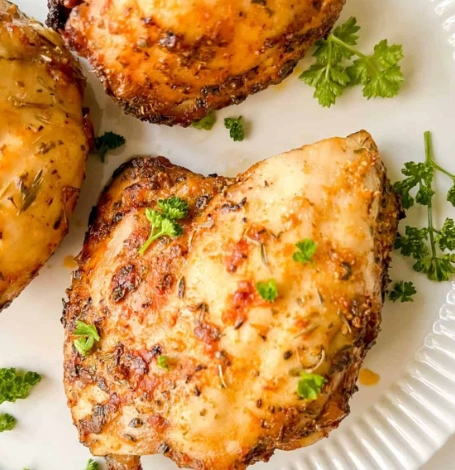
- For Crispy Skin: Pat the skin bone-dry. Season generously. Start them in a cold oven-safe skillet, skin-side down. Turn the heat to medium. Cook without moving for 10-15 minutes until the skin is golden and crispy and the fat has rendered. Flip, then transfer the whole skillet to a 400°F (200°C) oven for another 10-15 minutes to finish cooking through. Perfect every time.
- For Braising: This is where dark meat shines. Brown the thighs first, then add liquid (wine, stock, tomatoes), cover, and simmer low and slow. The connective tissue breaks down into gelatin, making the meat fall-off-the-bone tender and creating a luxurious sauce. Think coq au vin, chicken cacciatore.
- For the Grill: Boneless, skinless thighs are grill champions. Their fat prevents them from drying out over the high, direct heat. Marinate them in something with a little acid (yogurt, lemon juice) and grill over medium-high heat for 4-5 minutes per side.
Conquering the Drumstick
Drumsticks are fun, economical, and great for feeding a crowd. They're essentially a single, meaty muscle wrapped around a bone.
- Roasting: Toss with oil and spices, roast at 425°F (220°C) for 35-45 minutes. The high heat crisps the skin.
- Simmering: Excellent in soups and stews. The long cook time extracts flavor from the bone into the broth.
The Truth About Wings
Ah, the wing. A point of confusion. The wing has two meaty parts: the drumette (which looks like a mini drumstick) and the flat. The meat in both of these parts is technically dark meat. It's darker than breast meat and has a similar fat content and texture to thigh meat. So when you're eating buffalo wings, you're eating dark meat. That's why they stay so juicy even when fried or baked to a crisp.
Food science guru J. Kenji López-Alt over at Serious Eats has written extensively about the best ways to get crispy baked or fried wings, often emphasizing how the dark meat's composition is key to their success.
A Personal Rant: I think the fear of dark meat comes from the old "fat is bad" dogma of the 80s and 90s. We were told to eat skinless, boneless chicken breasts and dry toast. It led to a generation of bland, unsatisfying diet food. Thank goodness we've moved towards a more nuanced understanding of nutrition that includes healthy fats and the importance of enjoying what you eat.
Your Dark Chicken Meat Questions, Answered
Is dark chicken meat tougher?
Quite the opposite. When cooked properly, it's more tender and juicy because of the fat and connective tissue. However, because it has more connective tissue (collagen), if you cook it with a fast, dry method to a very low temperature, that collagen won't have time to break down and can be chewy. That's why slow, moist methods or cooking it to a higher internal temperature (like 175-185°F / 79-85°C for thighs) works so well—it melts the collagen into gelatin.
Can I substitute dark meat for white meat in recipes?
Most of the time, yes, but you need to adjust. Dark meat takes slightly longer to cook. If a recipe calls for diced white meat to be stir-fried for 5 minutes, diced dark meat might need 7-8 minutes. For soups and stews, it's a straight swap and often an improvement. For a quick pan-sear, just give it a few extra minutes. Always use a meat thermometer to be sure.
Why is my dark meat sometimes rubbery?
Two likely culprits. First, undercooking. The collagen hasn't broken down. Cook it longer, preferably with some moisture. Second, the bird itself. Very old stewing hens or roosters have much tougher muscles overall. The chicken you buy at the supermarket (usually young broilers) shouldn't have this issue.
Is it safe to eat dark meat that looks pink?
This is crucial. The myoglobin that makes dark meat dark can cause it to retain a pinkish hue even when it's fully cooked and safe to eat. Do not rely on color alone. The only way to know if chicken is safe is to use a digital meat thermometer. Poultry is safe when it reaches an internal temperature of 165°F (74°C) as measured by the USDA. Insert the thermometer into the thickest part, avoiding bone. Once it hits 165°, you're good, even if it's still a little pink near the bone.
How should I store and reheat it?
Store cooked dark meat in the fridge for 3-4 days. Its higher fat content means it reheats better than white meat, which tends to dry out. Reheat gently in a covered skillet with a splash of water or broth, or in the microwave at a reduced power with a damp paper towel over it. The goal is to warm it without driving out all the moisture.
Final Thoughts: Give Dark Meat a Chance
So, what is dark chicken meat? It's not a second-class citizen of the poultry world. It's a flavorful, nutritious, forgiving, and often more affordable cut that deserves a permanent spot in your kitchen rotation.
It's the secret to juicier weeknight dinners, more flavorful meal prep, and dishes that actually satisfy. Next time you're at the store, grab a pack of chicken thighs instead of breasts. Try that crispy-skin method. Make a braise. You might just discover your new favorite way to eat chicken.
I switched years ago and rarely buy breasts anymore unless I'm making something very specific. The flavor payoff is just too good, and I never have to worry about serving dry chicken again. And honestly, isn't that what we all want? Food that tastes good and makes us feel good, without the stress.
It's time to see dark meat in a new light. A delicious, flavorful, reddish-brown light.
Related Articles