Perdue Frozen Chicken Breast: Your Ultimate Guide to Buying, Cooking, and Storing
In This Guide
- Why Perdue? Cutting Through the Brand Noise
- Navigating the Aisle: Which Perdue Frozen Chicken Breast is Right for You?
- The Art of the Thaw: Don't Ruin It Before You Cook It
- Cooking It Right: From Soggy to Succulent
- Nutrition, Storage, and Safety: The Nitty-Gritty
- Putting It All Together: A Week of Perdue Frozen Chicken Breast
Let's talk about the unsung hero of my freezer – and probably yours too if you're anything like me. Perdue frozen chicken breast. It's one of those things you buy thinking, "Yeah, this'll be handy," and then it sits there until you're in a pinch. But after years of trial, error, and more than a few dry chicken dinners, I've figured out how to make this staple ingredient sing. This isn't a corporate puff piece; it's a straight-shooting guide from someone who cooks for a family and values both time and quality.
You might be wondering, what's the big deal about frozen chicken anyway? Isn't fresh always better? Honestly, not always. The freezing process has come a long way. Brands like Perdue use individual quick freezing (IQF) that locks in moisture and flavor at the peak of freshness. Think about it – that "fresh" chicken at the store? It might have been transported for days. A Perdue frozen chicken breast is often processed and frozen within hours. It's a game-changer for consistency.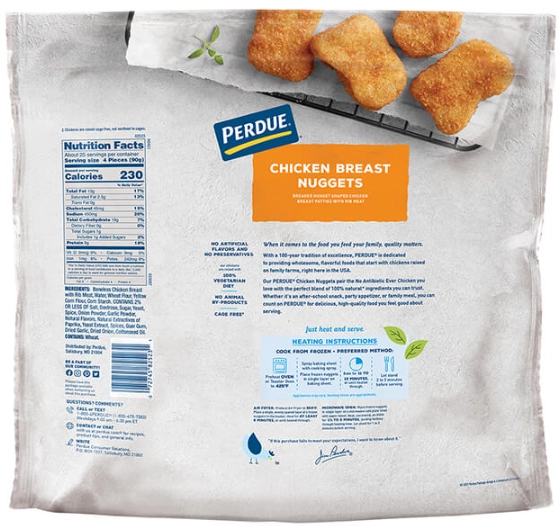
The bottom line upfront: Perdue frozen chicken breast is a reliable, versatile, and surprisingly high-quality protein source. It won't magically turn you into a gourmet chef, but with the right know-how, it can be the foundation for countless healthy, delicious, and stress-free meals. This guide is about giving you that know-how.
Why Perdue? Cutting Through the Brand Noise
Walk down the frozen aisle, and you're bombarded with options. Tyson, Pilgrim's, store brands... why focus on Perdue? For me, it started with their animal welfare claims. They were one of the first major brands to talk about "no antibiotics ever" and raising chickens without animal by-products. Now, I'm not naive – I know big agriculture has its issues. But in the world of widely available frozen poultry, Perdue often feels like a step in a better direction.
Their commitment isn't just marketing fluff. You can actually verify some of it. For instance, their "No Antibiotics Ever" claim means the chickens are raised without antibiotics from hatch to harvest, a standard verified by the U.S. Department of Agriculture (USDA). Is it perfect? No. But it addresses a real consumer concern about what's in our food.
And then there's the texture. I've tried the bargain bags of frozen chicken, and the texture can be... mushy. Spongy, even. Perdue's frozen chicken breast tends to hold up better after thawing. It firms up nicely and doesn't have that weird, processed water-logged feel. Is it as good as a fresh, air-chilled, organic chicken breast from a local farm? Probably not. But at a fraction of the price and with 100 times the convenience, it's a compromise I'm willing to make most weeks.
A quick confession: I once bought a giant bag of a generic store brand because it was $2 cheaper. The chicken cooked up tough and bland, no matter what I did. I ended up using it all in heavily sauced casseroles just to mask it. Never again. The slight premium for Perdue is worth it for predictable results.
Navigating the Aisle: Which Perdue Frozen Chicken Breast is Right for You?
This is where it gets interesting. Perdue isn't just one product. They have a whole lineup, and picking the right bag can make or defeat your dinner plans.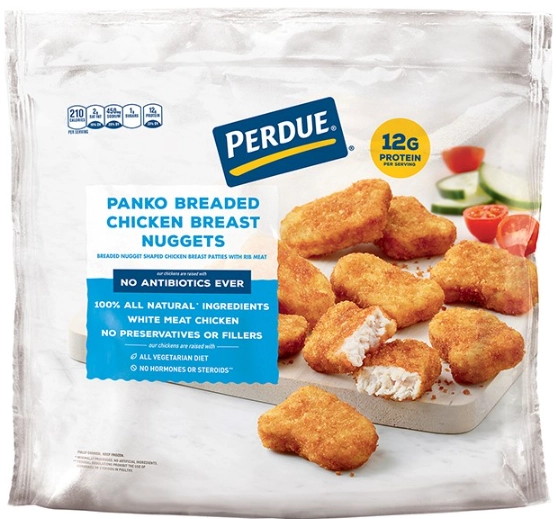
| Product Type | What It Is | Best For | My Take |
|---|---|---|---|
| Perdue Harvestland Frozen Chicken Breast | Air-chilled, No Antibiotics Ever, USDA Organic. Often considered their premium line. | Grilling, pan-searing, dishes where the chicken flavor is front and center. | The texture is excellent. Less water release during cooking. Tastes cleaner. The price jump is noticeable, but for a special weeknight meal, it's my go-to. |
| Perdue Simply Smart Organics Frozen Chicken Breast | Pre-portioned, gluten-free, no artificial ingredients. Often comes in ready-to-cook formats. | Portion control, quick family meals, avoiding prep work. | Super convenient. The pieces are uniform, which is great for even cooking. Sometimes the pre-seasoning can be a bit salty for my taste, so I check the label. |
| Perdue Freshness Guaranteed Frozen Chicken Breast | Their classic, widely available line. No Antibiotics Ever. | Everyday cooking, soups, stews, shredding for tacos/salads, meal prep. | The workhorse. Reliable, affordable, and versatile. This is the bag I always have on hand for my big Sunday meal prep session. |
| Perdue Frozen Chicken Breast Tenders | Smaller, thinner cuts from the tenderloin. Cook very quickly. | Stir-fries, quick sautés, kids' meals, salads. | A time-saver. They thaw in minutes and cook in a flash. Watch the cooking time closely – they go from perfect to overcooked in what feels like seconds. |
See what I mean? Your choice depends entirely on what you're making. Grabbing a bag of Perdue Harvestland for a chicken curry that simmers for an hour is overkill. But using the basic Freshness Guaranteed breasts for a simple lemon-herb grilled chicken might leave you wanting more flavor.
Reading the Fine Print: Labels and What They Actually Mean
"Natural." "Hormone-Free." "Raised Cage-Free." It's a minefield. Let's decode this quickly, because it matters for Perdue frozen chicken breast.
- No Antibiotics Ever: This is Perdue's big one. It means no antibiotics were used in raising the chicken. This is verified by the USDA. It's a meaningful label if you're concerned about antibiotic resistance.
- Hormone-Free: This is a bit of a marketing gimmick. By law, no chickens raised in the U.S. can be given hormones. So while it's true, it's true for every brand. The USDA Food Safety and Inspection Service (FSIS) is clear on this.
- Air-Chilled: This is a processing method. Instead of being dunked in cold water (which can cause the chicken to absorb water), the chickens are cooled with cold air. Result? Less water in the bag, more concentrated chicken flavor, and better browning when you cook. You'll notice this in the Harvestland line.
- USDA Organic: The chickens were fed 100% organic feed and had access to the outdoors (specifics defined by the USDA). This is a strictly regulated label.
So, which should you care about? For me, "No Antibiotics Ever" and "Air-Chilled" are the practical ones that impact taste and texture. "Organic" is a personal choice based on your values and budget.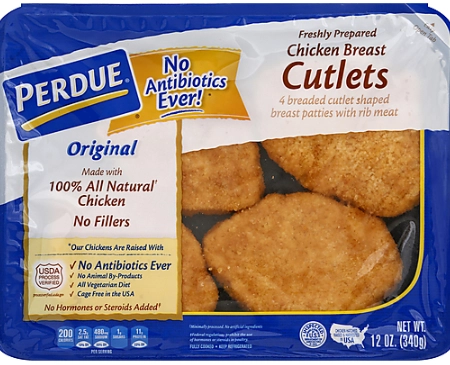
The Art of the Thaw: Don't Ruin It Before You Cook It
This is the single most common mistake people make with frozen chicken. Rush the thaw, ruin the texture. I've been guilty of running a bag under hot water in desperation. The result? The outside gets cooked and gross while the inside stays a frozen rock. Or, you get that mushy, water-logged feel.
Here's the hierarchy of thawing methods, from best to "only-in-a-true-emergency."
The Gold Standard (Plan Ahead): Transfer the frozen chicken breast from the freezer to the refrigerator. Place it on a plate or in a container to catch any drips. Let it sit for 12-24 hours. This slow, cold thaw keeps the chicken at a safe temperature and preserves the texture perfectly. This is non-negotiable for me when I'm planning a nice meal.
The Quick & Safe Method (Got a Few Hours): The cold-water bath. Keep the chicken in its sealed bag (or a leak-proof Ziploc). Submerge it in a bowl of cold water. Change the water every 30 minutes. A standard Perdue frozen chicken breast will thaw in 1-3 hours depending on size. It's faster than the fridge and safer than hot water.
The "I Forgot to Thaw!" Last Resort: Cooking from frozen. Yes, you can do it. But you must adjust your method. Baking or simmering in a sauce works. Pan-frying from frozen is a disaster waiting to happen – the outside will burn before the inside is safe. If you must cook a Perdue frozen chicken breast from frozen, lower the oven temp by 25°F and increase the cooking time by at least 50%. Always, always use a meat thermometer.
Never, ever thaw at room temperature on the counter. The outside enters the "danger zone" (40°F - 140°F) where bacteria multiply rapidly, long before the inside thaws. It's a food safety gamble not worth taking. The FoodSafety.gov website is adamant about this.
Cooking It Right: From Soggy to Succulent
Okay, chicken is thawed. Now what? The goal is juicy, flavorful meat, not a dry, tough hockey puck. The secret weapon? A simple digital meat thermometer. Stop guessing. Chicken breast is done at 165°F (74°C) in the thickest part. Pull it off the heat at 160°F – the temperature will carry over to 165°F as it rests.
Top Cooking Methods for Perdue Frozen Chicken Breast (Once Thawed)
Pan-Searing & Oven-Finishing (My Weeknight Favorite): This gives you a gorgeous golden crust and ensures even cooking. Pat the breast very dry with paper towels. Season generously. Heat oil in an oven-safe skillet over medium-high heat. Sear for 3-4 minutes per side until golden. Then, pop the whole skillet into a 400°F (200°C) oven for 8-12 minutes, until the thermometer reads 160°F. Let rest for 5 minutes. Perfect every time.
Poaching for Meal Prep: Sounds boring, but it's genius for chicken you plan to shred for salads, wraps, or soups. Bring a pot of broth (or water with aromatics like onion, garlic, peppercorns) to a bare simmer—little bubbles, not a rolling boil. Add the chicken. Keep it at that low simmer for 10-15 minutes until 165°F. The result is incredibly moist, shreddable meat. This is how I prep my Perdue frozen chicken breast for lunches.
Grilling: The high heat of the grill is fantastic. To prevent drying, I brine the breasts for 30 minutes first (just dissolve 1/4 cup salt and 1/4 cup sugar in 4 cups of water). Pat dry, oil, and season. Grill over direct medium-high heat for 5-7 minutes per side. Let rest. The brine makes a world of difference.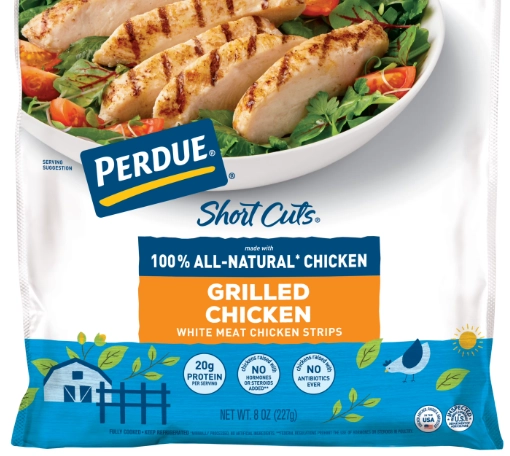
Nutrition, Storage, and Safety: The Nitty-Gritty
Let's talk numbers and facts, because that's what helps you make informed choices.
A typical 4-ounce (112g) serving of cooked, skinless, boneless Perdue frozen chicken breast (the plain kind) provides roughly:
- Calories: 120-140
- Protein: 26-28g (A powerhouse! That's over half the daily value for most people.)
- Fat: 1.5-3g (Very low in saturated fat)
- Carbohydrates: 0g
- It's also a good source of essential nutrients like niacin, vitamin B6, selenium, and phosphorus.
This nutritional profile makes it a cornerstone of high-protein, low-carb, and generally healthy diets. It's a blank canvas that takes on any flavor profile you throw at it.
Freezer Life and Refreezing: The Rules
How long will a bag of Perdue frozen chicken breast last in your freezer? Perdue's official guidance is for optimal quality, but from a safety standpoint, frozen food stored at 0°F (-18°C) or lower is safe indefinitely. However, quality degrades over time. For best taste and texture:
- Unopened Package: 9-12 months.
- Opened Package (re-sealed well): 3-6 months.
- Cooked Chicken (stored in airtight container): 2-3 months.
Can you refreeze thawed chicken? The official answer from the USDA FSIS is: yes, if it was thawed safely in the refrigerator. The quality may suffer slightly (more moisture loss), but it is safe. If it was thawed in cold water or the microwave, you should cook it before refreezing. My personal rule? I try to avoid refreezing if I can help it. The texture gets a bit compromised. I thaw what I plan to cook.
Your Perdue Frozen Chicken Breast Questions, Answered
Q: Is there a difference between "fresh" and "never frozen" chicken at the store vs. Perdue frozen?
A: Often, the "fresh" chicken was frozen during transport and then thawed for display. So you're buying previously frozen chicken. With Perdue frozen chicken breast, you control the thaw, which can sometimes mean better quality. The "never frozen" label is different and usually denotes a premium, locally-sourced product.
Q: Why is there sometimes so much ice or liquid in the bag?
A: This is "purge" or "drip loss" – water and protein that leaches out during freezing and storage. Air-chilled chicken (like Perdue Harvestland) has significantly less. It's normal, but you should always pat the chicken very dry before cooking to ensure proper browning.
Q: Can I cook a Perdue frozen chicken breast in an Instant Pot or air fryer?
A: Absolutely. For the Instant Pot, use the "Pressure Cook" function with at least 1 cup of liquid (broth/water). Cook for 10-12 minutes for a 6-8 oz breast, then do a quick release. For the air fryer, you MUST thaw first for even cooking. Then cook at 375°F for 15-18 minutes, flipping halfway.
Q: The chicken sometimes has a woody texture. What's that about?
A: "Woody breast" is a quality issue in the poultry industry where the muscle fibers are hard and chewy. It's not a safety issue, and it's not specific to Perdue or frozen chicken—it can happen with any brand, fresh or frozen. It's thought to be related to fast-growing bird breeds. If you get one, it's just bad luck. You can try tenderizing it with a mallet or using it in a ground application like chicken burgers.
Putting It All Together: A Week of Perdue Frozen Chicken Breast
Let's get practical. Here’s how a single bag of Perdue frozen chicken breast can fuel a week of diverse, non-boring meals.
Sunday (Prep Day): Thaw 4-5 breasts in the fridge. Poach 2 of them. Shred the meat and divide into containers for lunches. For the remaining 2-3 breasts, use the pan-sear/oven-finish method. Slice them and store them whole for quick additions to meals.
Monday (Taco Night): Take some of the shredded poached chicken. Heat it in a skillet with taco seasoning and a splash of chicken broth. Serve in tortillas with all the fixings.
Tuesday (Stir-Fry): If you have tenders, perfect. If not, slice a cooked breast. Toss into a hot wok or skillet with veggies and a simple stir-fry sauce (soy, garlic, ginger, a little honey). Done in 10 minutes.
Wednesday (Pasta Night): Cube a cooked breast. Toss it into a simmering marinara or Alfredo sauce just to heat through. Serve over pasta. Effortless.
Thursday (Big Salad): Slice or cube a cooked breast over a big bed of greens. Add nuts, cheese, fruit (like apples or berries), and a vinaigrette. A healthy, filling dinner in 5 minutes.
Friday (Soup): Use the last of the shredded chicken, any remaining broth from poaching, some frozen veggies, and noodles or rice. Simmer for 20 minutes. Homemade soup with zero fuss.
See? It's not about one fancy recipe. It's about mastering the basic techniques—thawing, cooking to temp, resting—and then using that cooked protein as a building block for anything you crave.
The biggest lesson I've learned? Don't fear the frozen aisle. A bag of Perdue frozen chicken breast is a tool, not a compromise. It gives you flexibility, reduces food waste (it won't spoil in a few days), and delivers consistent quality. Is it the most exciting ingredient in the world? No. But it's one of the most reliable. And in a busy life, reliability in the kitchen is worth its weight in gold.
So next time you're at the store, grab that bag with confidence. You've got the knowledge to transform it from a frozen block into the star of your dinner table. Happy cooking!
Related Articles