How Long to Bake a Whole Chicken: The Ultimate Time & Temp Guide
You've got the chicken. The oven is preheated. You're ready to go. But then the doubt creeps in: how long does this actually need to bake? Search for an answer and you'll get a dozen different times, from 60 minutes to over two hours. It's confusing.
Here's the straight answer right up front: for a standard 4 to 5-pound whole chicken baked at 375°F (190°C), you're looking at about 1 hour and 20 minutes to 1 hour and 45 minutes. But if you stop there, you're missing the whole story. That time is a product of two far more important variables: oven temperature and the chicken's weight. Get those two things right, and the clock becomes a guide, not a guess.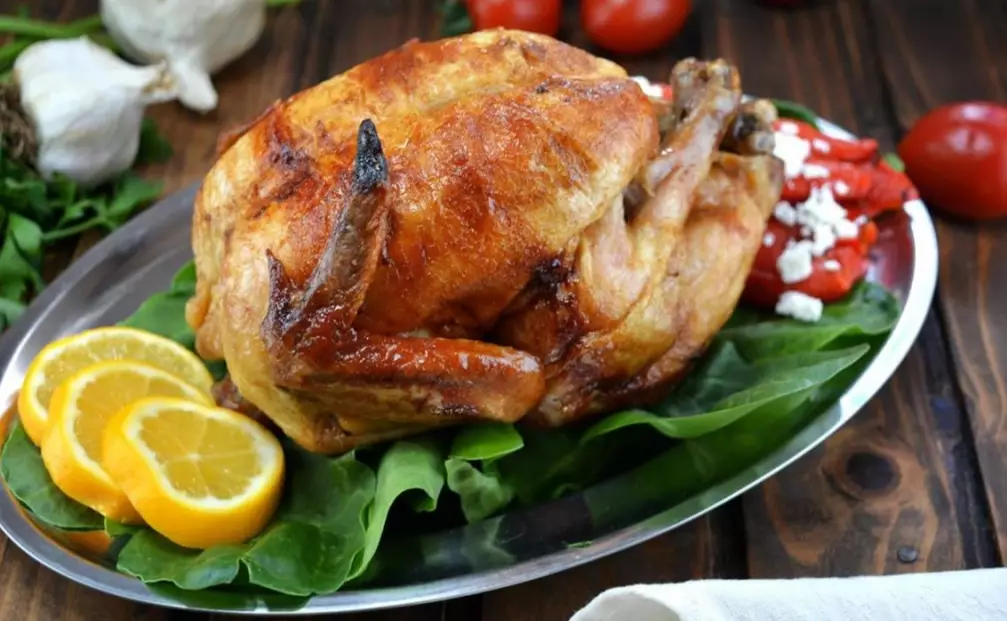
I've roasted more chickens than I can count – for lazy Sunday dinners, for meal prep Mondays, for times when I needed to impress but didn't have the energy to fuss. I've also had my share of disappointments: dry breast meat, rubbery skin, undercooked thighs. Through all that, I learned that most online guides skip the nuanced details that separate a good roast chicken from a great one.
What's in This Guide?
The Core Principle: It's Not About Time, It's About Temperature
Forget memorizing a single number. The only way to know for sure if your chicken is done is to measure its internal temperature with a good meat thermometer. This isn't a nice-to-have; it's non-negotiable. The USDA recommends cooking all poultry to a safe minimum internal temperature of 165°F (74°C).
But here's a pro tip most recipes won't tell you: you should actually pull the chicken from the oven at 160°F (71°C). Why? Carryover cooking. The bird continues to cook from residual heat after it comes out of the oven, and the temperature will rise another 5 to 10 degrees while it rests. This prevents the breast meat from overcooking and turning into sawdust while you wait for the thighs to be done.
Where to measure? Insert the thermometer into the thickest part of the thigh, avoiding the bone. Also check the thickest part of the breast. The thigh is the last part to cook through, so if it's done, the rest is done.
The Definitive Roasting Time Chart
Based on a consistent 375°F (190°C) oven temperature, here’s your reliable guide. Remember, these are estimates to get you in the ballpark. Your thermometer is the final judge.
| Chicken Weight (lbs) | Approximate Bake Time | Key Checkpoint |
|---|---|---|
| 3 – 3.5 lbs | 1 hour 10 mins – 1 hour 25 mins | Start checking at 1 hour. |
| 4 – 4.5 lbs | 1 hour 20 mins – 1 hour 45 mins | The sweet spot for most chickens. |
| 5 – 5.5 lbs | 1 hour 45 mins – 2 hours 5 mins | Larger bird, more patience needed. |
| 6 – 7 lbs (Roaster) | 2 hours – 2 hours 30 mins | Consider spatchcocking to cut time. |
What about stuffing? If you put stuffing inside the cavity, add at least 15-30 minutes to the total bake time. Honestly? I don't recommend it. The stuffing acts as an insulator, slowing the cooking of the inner thigh meat, and it's hard to get it to a safe temperature (165°F) without overcooking the breast. Bake your stuffing in a separate dish. It's safer and you get more crispy bits.
Step-by-Step: Prepping Your Chicken for the Oven
What you do before the chicken hits the heat is 80% of the battle for flavor and texture.
1. The Dry-Brine (The Secret Weapon)
Skip the wet brine. The day before (or even just a few hours before), pat your chicken extremely dry with paper towels. Rub about 1 teaspoon of kosher salt per pound all over the skin and inside the cavity. Place it on a rack over a plate, uncovered, in the fridge. This draws moisture out of the skin, which then re-absorbs the seasoned juices. The result? Incredibly seasoned meat and skin that crisps up like nobody's business.
2. To Truss or Not to Truss?
Trussing (tying the legs and wings close to the body) gives a picturesque, compact bird. But it also creates nooks where heat doesn't circulate well, leading to uneven cooking. For the most even roast, I go minimal: just tuck the wing tips behind the shoulders. Let the legs be free. They'll cook faster and more evenly.
3. Fat and Flavor
Before baking, rub the skin with a little oil or softened butter. This promotes browning. For flavor, slide thin slices of lemon, a few garlic cloves, and herbs like thyme or rosemary into the cavity. They'll perfume the meat from the inside out.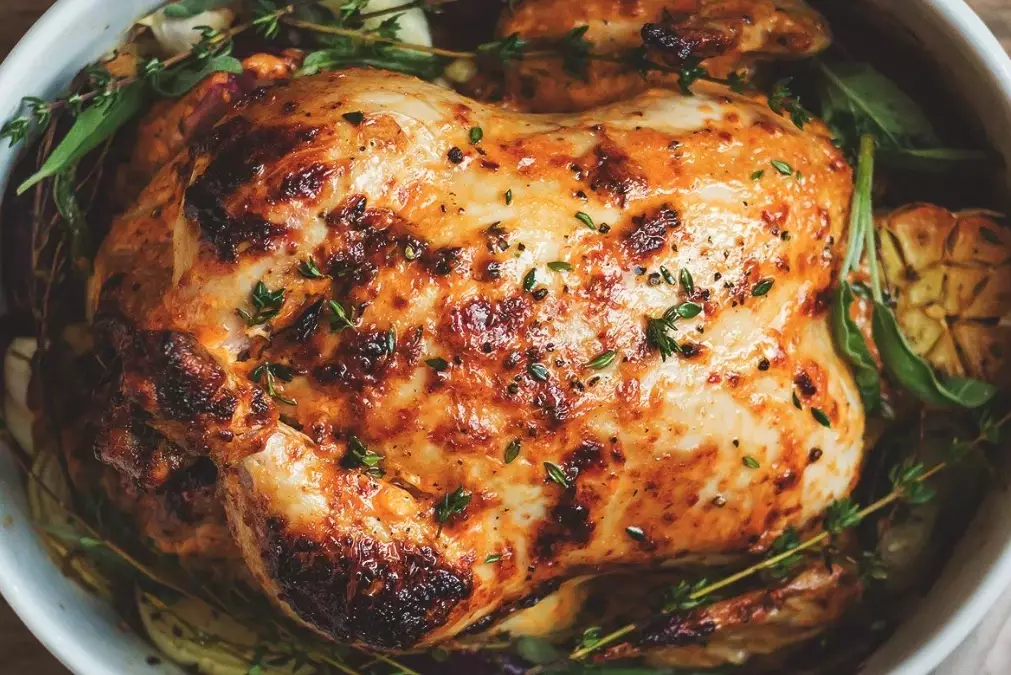
The Baking Process: From Oven to Table
Now for the main event.
Position and Pan
Place the chicken, breast-side up, on a rack set inside a roasting pan or rimmed baking sheet. The rack is crucial—it allows hot air to circulate around the entire bird, so the bottom doesn't steam in its own juices. If you don't have a rack, create a "rack" with a bed of roughly chopped onions, carrots, and celery. They'll flavor the drippings for gravy, too.
Put it in the center of a fully preheated 375°F oven. Don't crowd the oven—leave space for air flow.
The Waiting Game and Basting
Resist the urge to open the oven door frequently. Every peek drops the temperature significantly. I check once at the chart's earliest estimated time to see how the browning is going.
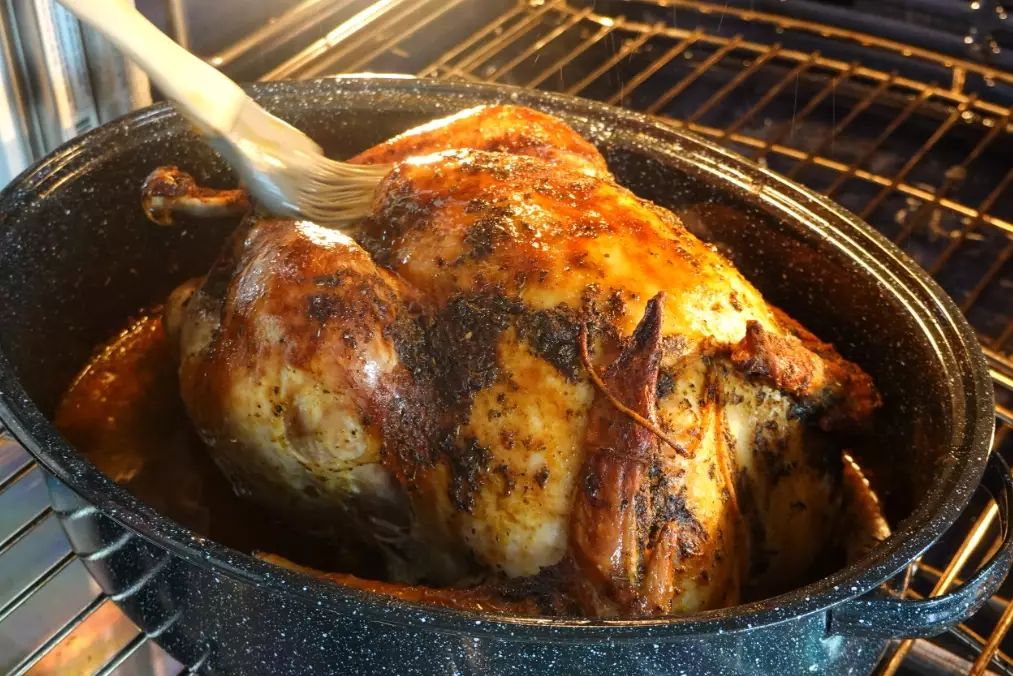
Basting? It's mostly for show. The liquid just rolls off the oily skin. It doesn't penetrate. If you want to baste for color, do it in the last 20-30 minutes with the pan juices.
The Final Test and The Critical Rest
When the timer gets close, take out your thermometer. Insert it. If it reads 160°F in the thigh, you're done. The juices should run clear, not pink.
Here's the step you cannot skip: Let it rest. Transfer the chicken to a cutting board and tent it loosely with foil. Let it sit for 15-20 minutes. This allows the juices, which have been driven to the center by the heat, to redistribute throughout the meat. If you cut it immediately, all those precious juices will flood the cutting board, leaving you with a dry chicken.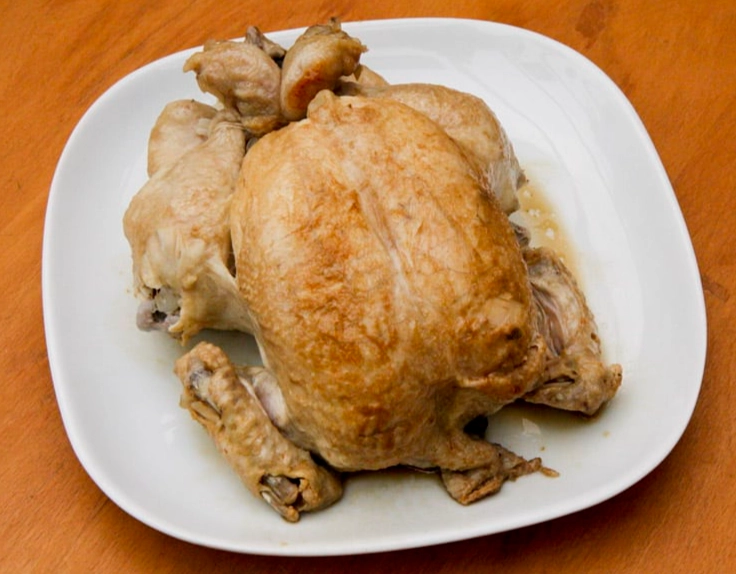
Carve, serve, and enjoy the perfectly juicy, flavorful results of your patience.
Your Roasting Questions, Answered
 Can I bake a frozen whole chicken?
Related Articles