The Ultimate Guide to Chicken White Meat: Nutrition & Cooking Tips
Let's be honest. Chicken white meat, especially the breast, has a reputation. For every person praising its lean protein, there's another complaining it's bland, dry, and boring. I've been there. I've served up more than my share of chalky, overcooked chicken breasts that felt like a chore to eat. But after years of trial, error, and talking to butchers and chefs, I've learned the problem isn't the ingredient—it's how we handle it. This guide isn't about convincing you to eat more chicken breast; it's about transforming it from a diet food into a genuinely delicious, versatile staple you'll look forward to cooking.
What You'll Find Inside
What Exactly Is Chicken White Meat?
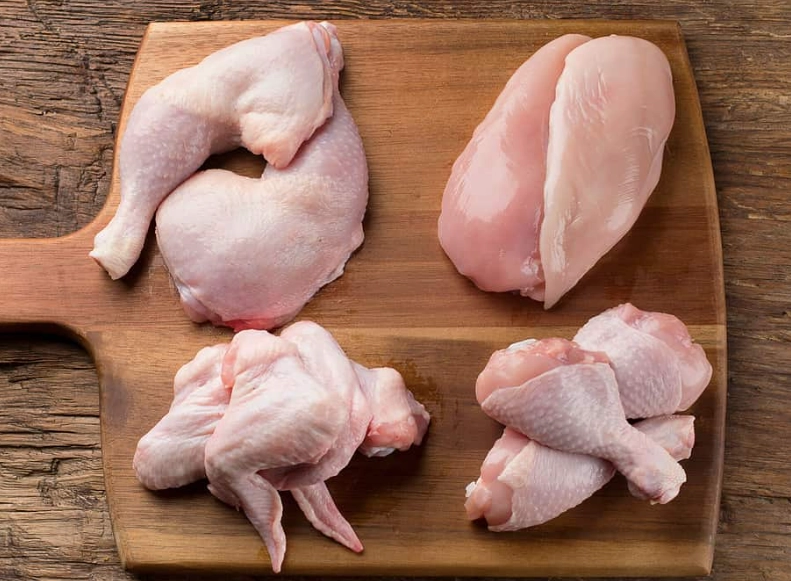
When we say "chicken white meat," we're specifically talking about the breast and wing muscles. The breast is the big one—the large pectoral muscles a chicken uses for, well, not much in modern farming. Because these muscles aren't used for sustained activity, they have fewer blood vessels and less myoglobin (an oxygen-storing protein) than legs and thighs. That's what gives them their pale color and leaner texture. Dark meat, from the legs and thighs, works harder, has more fat and connective tissue, and is inherently more forgiving and flavorful.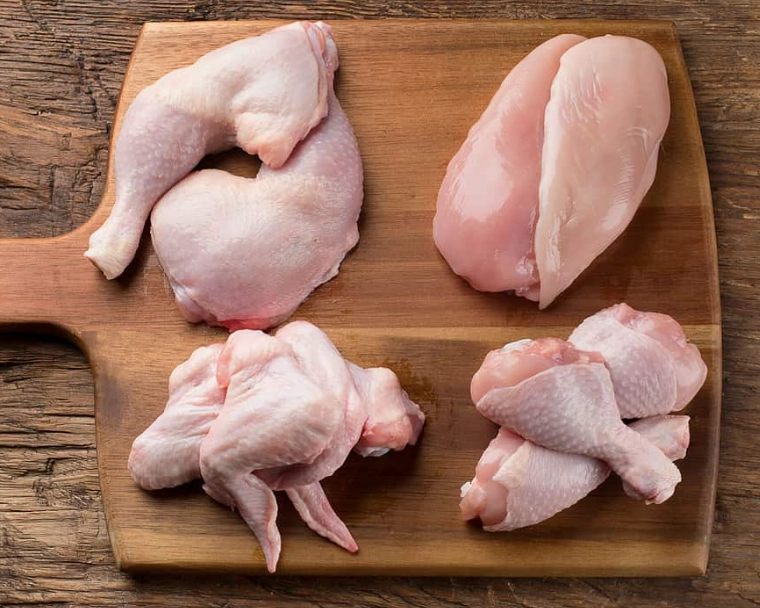
That's the crucial point most recipes gloss over. White meat's leanness is its superpower and its Achilles' heel. It has less built-in insurance against overcooking. Understanding this biological fact is the first step to cooking it well.
The Nutritional Powerhouse: Why It's So Good for You
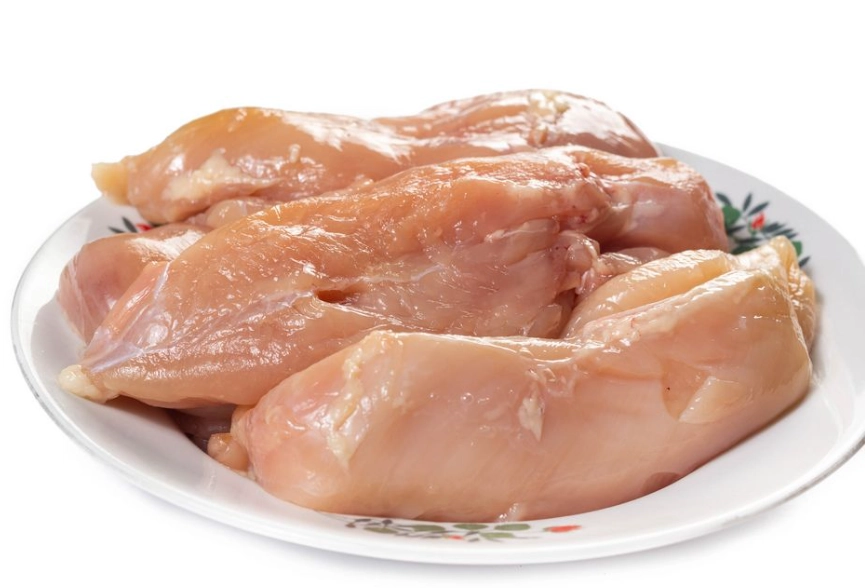
The health angle is real, but let's move past the vague "high in protein" line. Here's what a 3-ounce (85g) cooked, skinless chicken breast actually delivers, based on data from the USDA FoodData Central:
- ~26 grams of protein: That's over half the daily recommended intake for an average adult. It's a complete protein, meaning it has all nine essential amino acids your body can't make.
- ~2-3 grams of fat: Almost entirely unsaturated, the "good" kind.
- Zero carbs.
- Significant amounts of Niacin (Vitamin B3) for energy metabolism, Vitamin B6, Selenium (a powerful antioxidant), and Phosphorus.
Why This Matters for Real Life: This nutrient profile makes it a cornerstone for muscle repair after exercise, weight management (protein is highly satiating), and maintaining metabolic health. A study from the Harvard School of Public Health often highlights poultry as part of a healthy dietary pattern associated with lower risk of heart disease. The key is preparation—smothering it in creamy sauce changes the equation.
The One Rule That Changes Everything: Mastering Temperature
If you remember one thing from this guide, let it be this: 165°F (74°C) is a finish line, not a destination you drive through. The USDA recommends cooking poultry to this internal temperature to ensure food safety, killing harmful bacteria like Salmonella.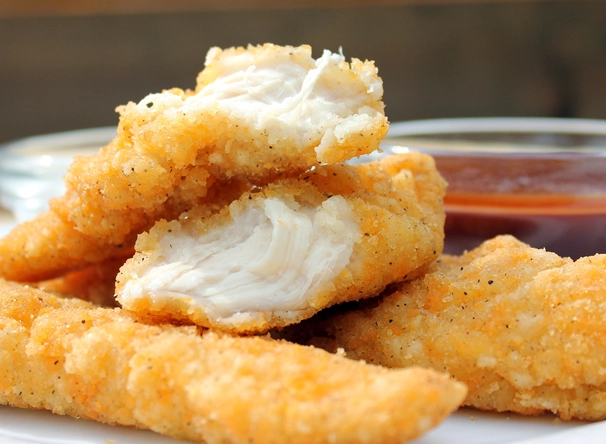
The rookie mistake? Cooking it to 165°F in the pan or oven, then serving it. By then, it's already overdone. The muscle fibers have tightened like a clenched fist, squeezing all the juices onto your cutting board.
The pro move? Carryover cooking. Heat continues to travel into the center of the meat after you remove it from the heat source.
Here’s my non-negotiable routine: I pull my chicken breast off the heat at 160°F (71°C). I immediately tent it loosely with foil and let it rest on a plate for 5-10 minutes. During this rest, the temperature will gently rise to the safe 165°F, and, more importantly, the juices redistributing back throughout the meat. The difference is night and day—juicy versus sawdust.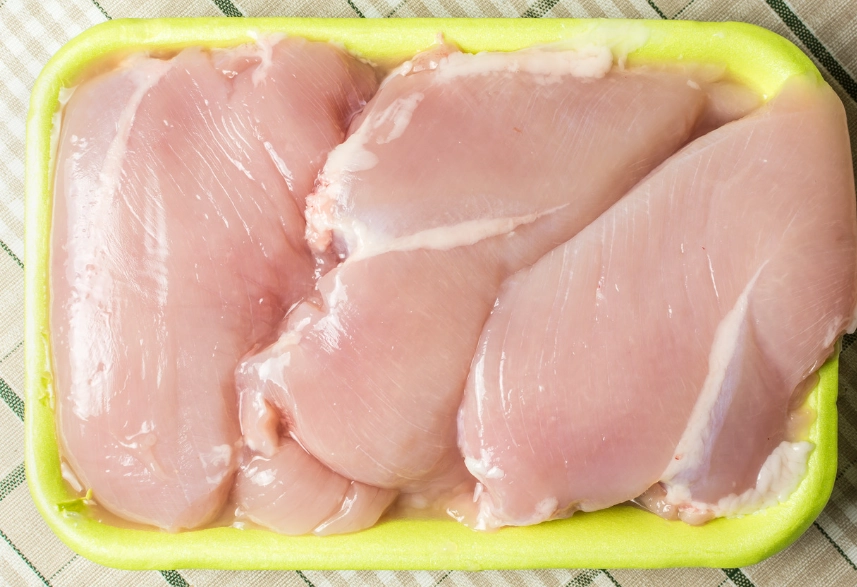
Tool You Absolutely Need: A digital instant-read meat thermometer. Guessing doneness by poking or cutting into it releases juices and is wildly inaccurate. This $20 tool is the single best investment for cooking any meat, especially lean white meat. I use a ThermoPop, but any reliable brand works.
Your Cooking Method Cheat Sheet
Not all methods are created equal for white meat. This table breaks down the best approaches, the common pitfalls, and the ideal cuts for each.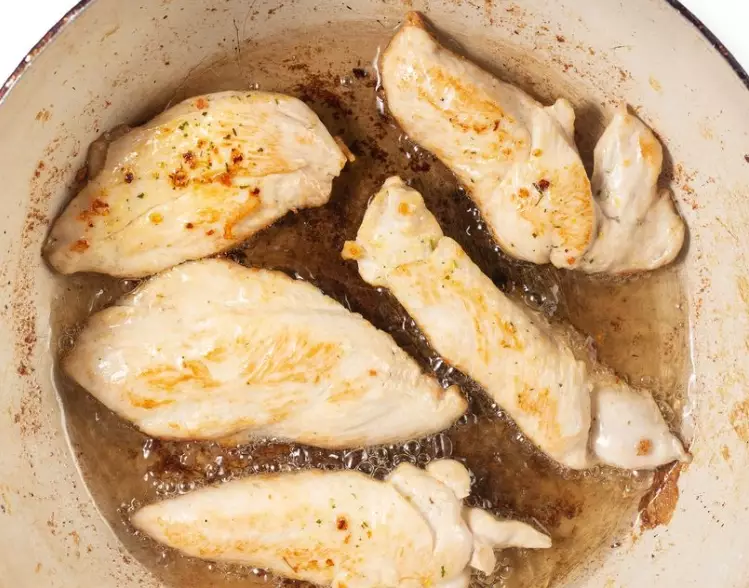
| Method | Best For | Key to Success | Common Pitfall |
|---|---|---|---|
| Pan-Searing/Sautéing | Boneless, skin-on or skinless breasts or cutlets. | High heat to get a golden crust, then lower heat to finish cooking through. Let the pan get hot before adding oil and chicken. | Overcrowding the pan. This steams the chicken instead of searing it. Cook in batches if needed. |
| Baking/Roasting | Bone-in or boneless breasts (even thickness is key). | Brining or dry-brining (salting) 1 hour ahead. Roast on a rack for even air circulation. Use the temperature/rest method above. | Roasting uneven, thick breasts. Pound them to an even thickness or butterfly them first. |
| Grilling | Boneless, skinless breasts or kebabs. | Medium-high, clean, oiled grates. Marinate for flavor/moisture. Use a two-zone fire: sear over direct heat, then move to indirect to finish gently. | Flipping constantly. Let it develop grill marks before turning, usually once. |
| Poaching & Simmering | Shredded chicken for salads, soups, tacos. | Gentle heat. Bring flavorful liquid (broth, water with aromatics) to a simmer, add chicken, reduce heat to low, cover, and cook until just done. | Boiling rapidly. This makes the meat tough and stringy. |
| Slow Cooking | Shredded applications only. | Use bone-in pieces for more flavor. Add breasts in the last 1-2 hours of cooking to prevent them from turning to mush. | Cooking boneless breasts on low for 8 hours. They will be overcooked and dry. |
3 Recipes That Actually Work
Forget the abstract. Here are three concrete starting points that leverage the techniques above.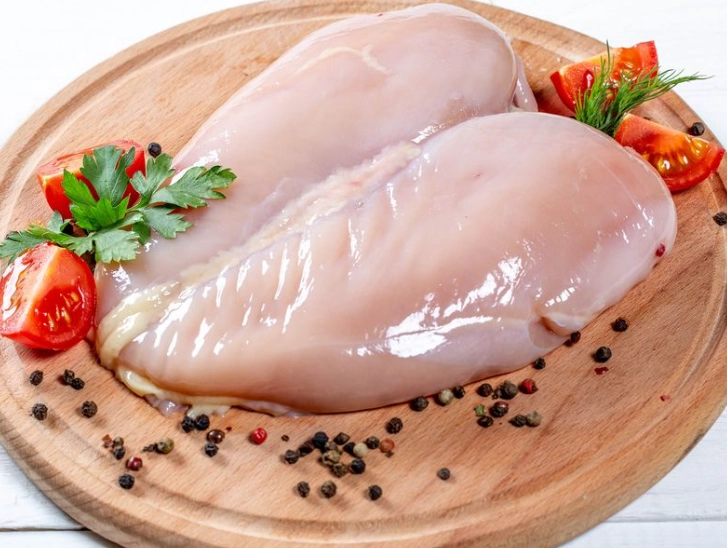
1. The Weeknight Pan-Seared Cutlet
Take a boneless breast. Place it between two sheets of plastic wrap and pound it to an even ½-inch thickness with a rolling pin or pan. Season aggressively with salt and pepper. Heat a tablespoon of neutral oil in a skillet over medium-high until it shimmers. Cook the cutlet for 3-4 minutes per side until golden and it registers 160°F. Rest. Deglaze the pan with a splash of lemon juice or white wine, swirl in a pat of butter and some herbs (parsley, thyme), and pour over the chicken. Done in 15 minutes, juicy every time.
2. The "Never Dry" Roasted Breast
The day before, or at least an hour before cooking, generously salt your boneless breasts and place them on a plate in the fridge uncovered (this is dry-brining). When ready, preheat oven to 425°F (220°C). Pat breasts dry, drizzle with a tiny bit of oil, add any other spices (paprika, garlic powder). Place on a baking sheet with a rack. Roast for 15-18 minutes until 160°F. Rest. The salt will have seasoned it deeply and improved moisture retention.
3. The Meal Prep Poached Shredded Chicken
In a pot, combine 4 cups of low-sodium chicken broth, a quartered onion, two smashed garlic cloves, a bay leaf, and a teaspoon of peppercorns. Bring to a bare simmer. Add 1 lb of boneless breasts. Ensure the liquid just covers them. Reduce heat to low, cover, and cook for 12-15 minutes until just done (160°F). Remove, let cool, and shred with two forks. The broth becomes a flavorful stock for soup. Use the chicken in salads, wraps, or grain bowls all week.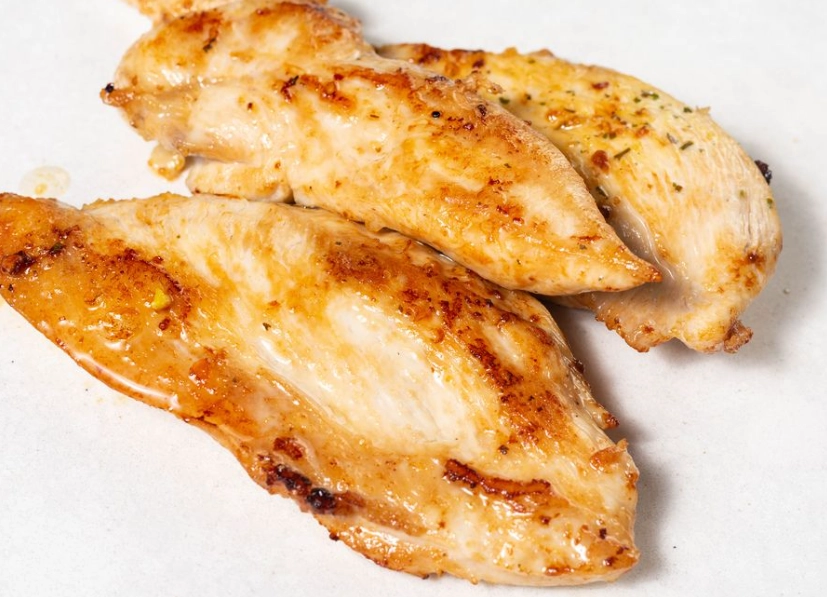
Your Top Chicken White Meat Questions, Answered
Chicken white meat doesn't have to be a bland, health-food penalty. It's a blank canvas. When you respect its nature—lean, quick-cooking, protein-dense—and apply a few fundamental techniques (thermometer, rest, even cooking), it transforms. Start with the pan-seared cutlet. Master that. Then try the dry-brine roast. You might just find yourself reaching for the breast instead of the thigh, not out of obligation, but because you've finally cracked the code.
Related Articles