Dark Meat in Chicken: The Ultimate Guide to Flavor, Nutrition & Cooking
Let's be honest. For years, chicken breasts got all the glory. They were the "healthy" choice, the lean protein poster child, plastered on every diet plan. Meanwhile, dark meat—the thighs, drumsticks, and wings—lurked in the background, often cheaper, sometimes misunderstood, and labeled as "greasy" or "unhealthy." What a mistake that was.
I spent a decade in professional kitchens watching line cooks fight over who got to work the station that handled the dark meat specials. They knew the secret. Dark meat is where the flavor lives. It's forgiving, economical, and when cooked right, delivers a eating experience white meat can only dream of. This isn't about settling for the cheaper cut. It's about upgrading your entire approach to cooking chicken.
What You'll Discover in This Guide
What Exactly Is Dark Meat in Chicken?
It's not a different animal. It's all about muscle function and biology. Dark meat comes from the chicken's legs and thighs—the parts that do the most work. A chicken walks and stands all day, so these muscles are constantly engaged.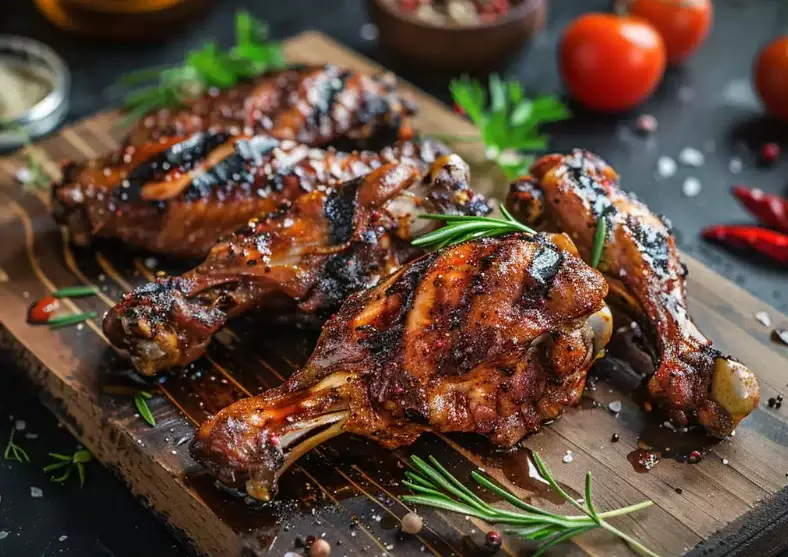
This constant use requires a steady supply of oxygen, which is delivered by a protein called myoglobin. More myoglobin equals darker muscle fibers. It's the same reason a duck breast is dark or why your well-exercised leg muscles are different from your less-used arm muscles.
White meat (breast, tenderloin) comes from muscles used for short bursts, like flapping. Less myoglobin, lighter color.
The real game-changer is the connective tissue and slightly higher fat content in dark meat. That's not a flaw; it's your built-in insurance policy against dry, chalky chicken. That collagen and fat melt during cooking, basting the muscle from the inside out, creating that legendary juiciness.
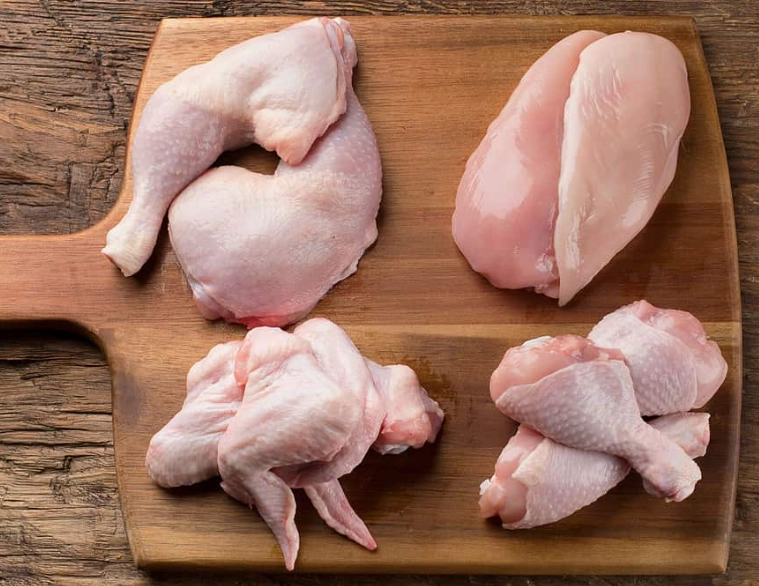
Quick Anatomy: When we talk "dark meat," we primarily mean the thigh (bone-in or boneless, skin-on or skinless) and the drumstick. The wing is often considered a mix—the meatier parts near the body (the "drumette") are darker, while the wingtip is not. For cooking purposes, wings benefit from many of the same principles as thighs and drums.
Why Dark Meat Deserves Your Attention
Beyond just tasting better, there are concrete reasons to make dark meat a staple in your kitchen.
The Flavor & Texture Advantage
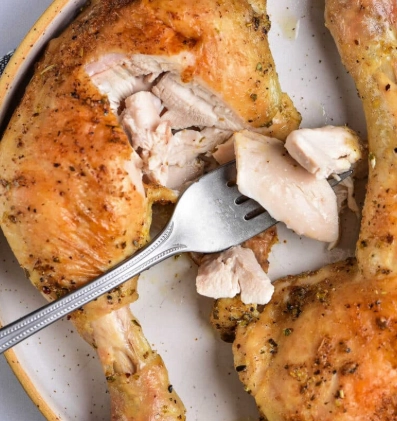
This is non-negotiable. Dark meat has a richer, more savory, almost umami-like flavor compared to the milder breast. The texture is inherently more tender and moist. It's the difference between a satisfying bite and something you have to slather in sauce to enjoy.
I've seen it a hundred times: serve someone a perfectly cooked chicken thigh and a perfectly cooked chicken breast side-by-side. Nine times out of ten, they go for the thigh. It just feels more substantial and rewarding to eat.
Nutrition: It's Not What You Think
The "dark meat is unhealthy" myth is one of the most persistent in home cooking. Let's look at data from the USDA.
| Nutrient (per 100g, skinless) | Chicken Thigh | Chicken Breast | Why It Matters |
|---|---|---|---|
| Calories | ~209 kcal | ~165 kcal | The difference is modest, about the same as a small apple. |
| Total Fat | ~10.9g | ~3.6g | More healthy unsaturated fats. Fat carries flavor and vitamins. |
| Protein | ~20.8g | ~31.0g | Breast wins on pure protein density, but thighs are still excellent. |
| Iron | ~1.1mg | ~0.5mg | Thighs have over twice the iron, crucial for energy. |
| Zinc | ~2.4mg | ~0.7mg | Significantly more zinc, vital for immune function. |
The takeaway? Dark meat packs more micronutrients. For most people eating a balanced diet, the slightly higher fat and calorie content is irrelevant compared to the nutritional benefits and satiety it provides. Removing the skin cuts fat and calories dramatically if that's a primary concern.
The Economic & Practical Superpower
Here's a real-world scenario. You're meal prepping for the week. Chicken breasts are $5.99/lb. Bone-in, skin-on chicken thighs are $2.49/lb. You buy three pounds of each.
With the breasts, you get three pounds of meat. With the thighs, after removing bones and skin (which you can save for stock!), you still have about two pounds of cooked meat for nearly half the cost. That's smart cooking.
And the practical part? Dark meat is forgiving. Overcook a breast by five minutes and it's sawdust. Overcook a thigh by five minutes and it's still juicy. This makes it perfect for weeknight dinners, slow cookers, and beginner cooks.
How to Cook Dark Meat Chicken Perfectly Every Time
The rule of thumb: Low, Slow, and Moist Heat is your friend. High, fast heat is for searing the skin, not cooking it through.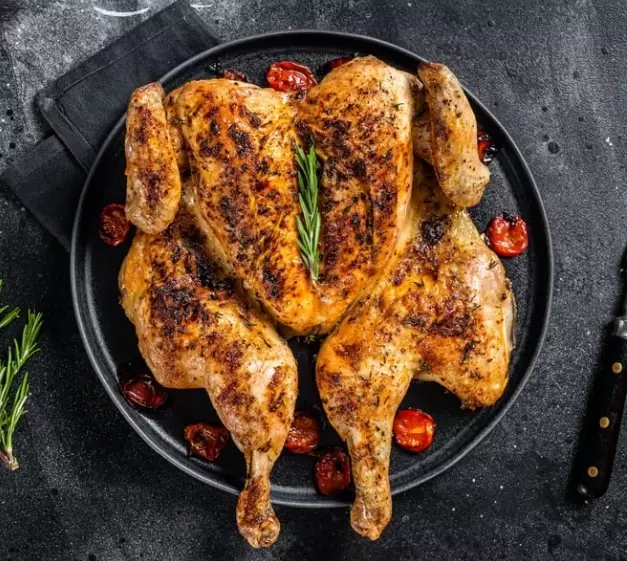
The Golden Rule: Render the Fat
If you're using skin-on thighs, the single best technique is starting in a cold pan. Place the thighs skin-side down in a dry, cold skillet. Turn the heat to medium. As the pan heats up, it slowly renders the fat from under the skin, frying the skin in its own fat to a crackling crisp. It takes 10-12 minutes. Don't touch it. Flip it only when the skin releases easily and is golden brown. Finish in the oven at 375°F (190°C) for 10-15 minutes to cook through.
Pro Tip: Always pat your chicken extremely dry with paper towels before cooking, especially the skin. Moisture is the enemy of crispiness.
Mastering Internal Temperature
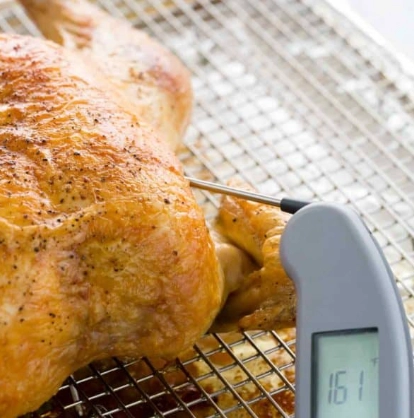
Forget the old "cook until juices run clear." Use a digital thermometer. The USDA safe temperature for all poultry is 165°F (74°C). However, because of dark meat's fat content, you can take it to 175-185°F (79-85°C) and it will become even more tender as the connective tissue fully breaks down. This is a major advantage over breast meat, which turns to rubber past 165°F.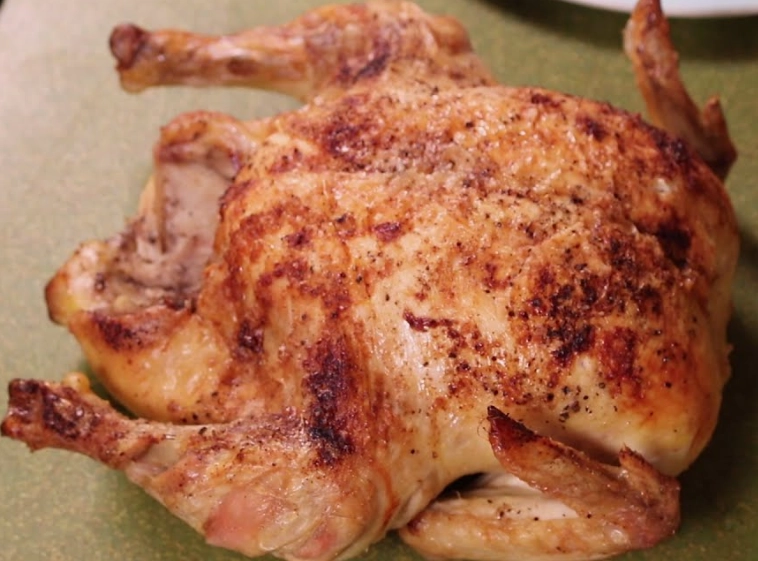
Target Temps:
- Safe Minimum: 165°F (74°C)
- Optimal for Tenderness: 175-185°F (79-85°C)
Go-To Recipes & Advanced Techniques
Let's move beyond basic roasting. Here are frameworks you can adapt endlessly.
1. The Ultimate Braise (The "No-Fail" Method)
Braising is dark meat's best friend. Sear thighs, remove. Sauté onions, garlic. Add a liquid (wine, stock, tomatoes), return chicken, cover, and simmer low on the stovetop or in a 325°F (160°C) oven for 45-60 minutes. The result? Fall-off-the-bone meat and a built-in sauce. Try it with mushrooms and white wine, or with olives and lemon.
2. Sheet Pan Mastery
Toss bone-in thighs with olive oil, salt, pepper, and hearty vegetables like chopped potatoes, carrots, and Brussels sprouts. Roast at 425°F (220°C) for 35-45 minutes. The chicken fat renders and roasts the vegetables in pure flavor. One pan, minimal cleanup.
3. The Sous Vide Secret
This is where you achieve god-level texture. Seal thighs with herbs in a bag. Cook in a water bath at 165°F (74°C) for 2-4 hours. Every bite is uniformly, impossibly juicy. Then, pat dry and give the skin a 60-second sear in a blazing hot pan for crispness. It's a revelation.
4. Global Flavor Boosts
Dark meat stands up to bold flavors.
- Korean: Marinate in gochujang, soy, sesame oil, garlic.
- Indian: Yogurt marinade with garam masala, turmeric, ginger.
- Caribbean: Jerk seasoning with allspice, Scotch bonnet, thyme.
- Mediterranean: Olive oil, lemon, oregano, garlic.
Marinate for at least 30 minutes, or up to overnight.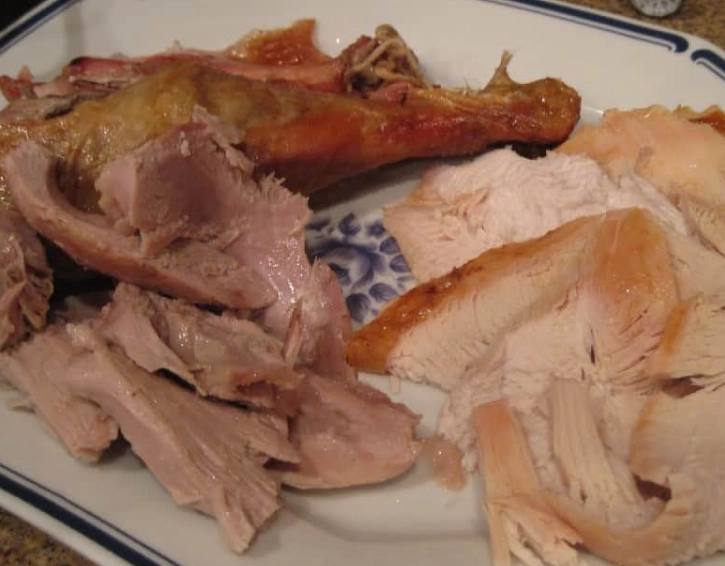
Your Dark Meat Questions, Answered
How can I make chicken thighs less greasy when pan-searing?
Is dark meat chicken healthy for weight loss diets?
What's the biggest mistake people make when cooking dark meat?
Can I substitute chicken thighs for breasts in any recipe?
So, next time you're at the store, walk past those overpriced, anemic-looking breasts and head straight for the darker, more interesting part of the poultry case. Grab a pack of thighs. Try the cold-pan method. Taste the difference.
You're not just saving money. You're signing up for meals that are consistently more flavorful, more satisfying, and frankly, more fun to cook. Dark meat isn't the alternative. It's the destination.
Related Articles