How Long Does Chicken Take to Thaw? Safe Methods & Timelines
Your Thawing Roadmap
You know the feeling. You pull a rock-solid package of chicken breasts from the freezer, dinner plans flashing before your eyes. The big question hits you: how long does chicken take to thaw? If you’re like me, you’ve probably guessed wrong before—ended up with a frosty center at 6 PM or, worse, left it out too long and got that uneasy feeling about food safety.
Let’s cut through the guesswork. The answer isn't just one number. It depends entirely on how you choose to thaw it. Getting this right matters more than just saving time. It’s the difference between a juicy, safe meal and a disappointing (or risky) one. I learned this the hard way years ago with a particularly sad, dried-out batch of chicken thighs that spent way too long in a lukewarm water bath. Never again.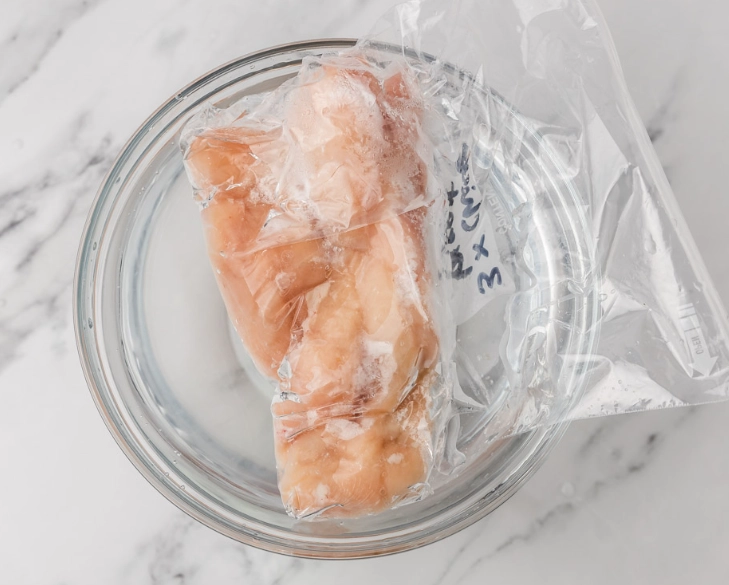
Why Bother with Proper Thawing Anyway?
It's tempting to just run it under hot water or leave it on the counter, right? I get it. But here’s the thing: how you handle the thawing process directly impacts two crucial factors—your health and your meal's quality.
On the safety front, chicken is a prime breeding ground for bacteria like Salmonella and Campylobacter. These nasties love the "danger zone"—temperatures between 40°F and 140°F (4°C and 60°C). When you leave chicken on the counter, the outer layers warm up into this zone long before the inside is thawed, giving bacteria a head start. The U.S. Department of Agriculture (USDA) is crystal clear on this: never thaw food at room temperature. It’s one of their cardinal rules for safe food handling, and for good reason.
Then there's quality. A slow, controlled thaw in the fridge helps the chicken cells reabsorb moisture gradually. This means less drip (that pink liquid is mostly water and protein, not just blood, by the way) and a firmer, more tender result. Quick-thaw methods, especially the microwave, can start cooking the edges while the middle is still icy, leading to a tough, rubbery texture and uneven cooking later. So if you care about ending up with a succulent piece of chicken and not a chewy disappointment, the thawing stage is where the battle is won or lost.
The Three Approved Methods: Timelines, Steps & Trade-Offs
Okay, let's get into the meat of it (pun intended). Food safety experts, including the USDA and the Centers for Disease Control and Prevention (CDC), endorse only three safe methods for thawing chicken. Each has its own clock, its own procedure, and its own best-use case.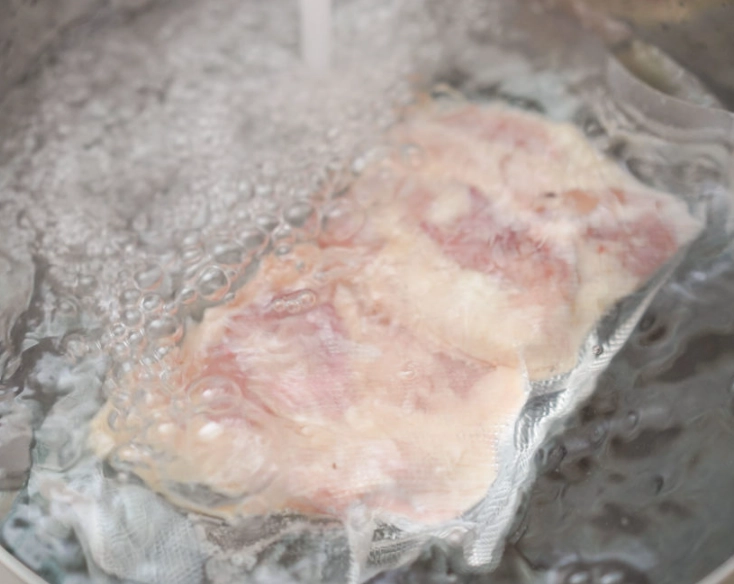
Method 1: Thawing in the Refrigerator (The Gold Standard)
This is the hands-down best method. It’s the safest, it preserves quality the best, and it gives you the largest window of time to cook it after it's thawed. The downside? It requires foresight. You can't use this method if you decided on chicken for dinner at 4 PM.
How long does chicken take to thaw in the fridge? The general rule is 24 hours for every 4-5 pounds of meat. But let's be more specific:
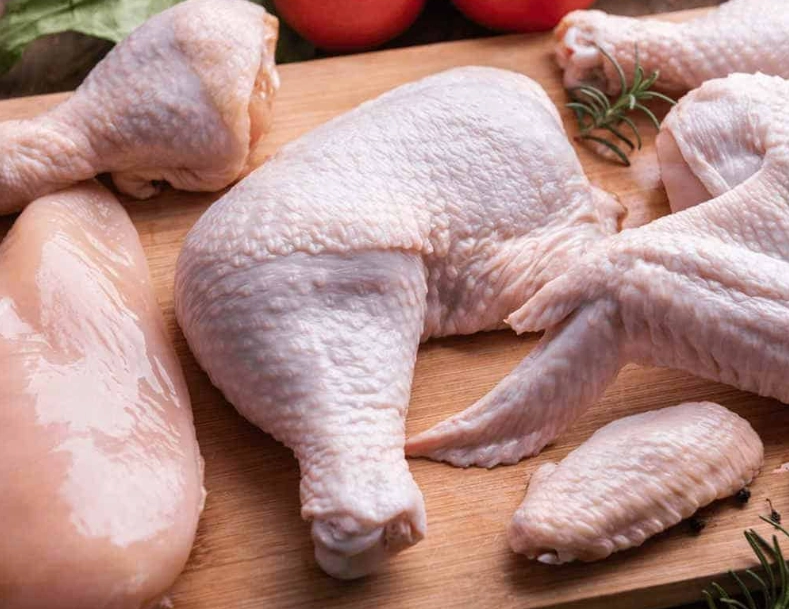
- Small cuts (breasts, thighs, tenders): Plan for 12 to 24 hours. A single pound of boneless pieces might be ready in 12, but a thicker cut or a slightly larger package will need the full day.
- Whole chicken or large roasts: Allow 24 hours for the first 5 pounds, plus 12-24 hours for each additional 5 pounds. A 5-pound whole bird needs a full day. A 10-pounder? Give it 2 to 3 days, honestly. It's slower than you think.
- Ground chicken: Thaws a bit faster due to its shape. Usually ready in 8 to 12 hours.
My personal trick? I place the sealed package on a plate or in a shallow dish on the bottom shelf of the fridge. This catches any drips and prevents cross-contamination. Once thawed, chicken can safely live in the fridge for an additional 1-2 days before cooking. That flexibility is a huge perk.
Method 2: Thawing in Cold Water (The Fast, Safe Compromise)
This is my go-to when I forget to plan ahead. It's much faster than the fridge and, if done correctly, is still a safe method. The key is the word cold. You must keep the water cold to keep the chicken out of the bacterial danger zone.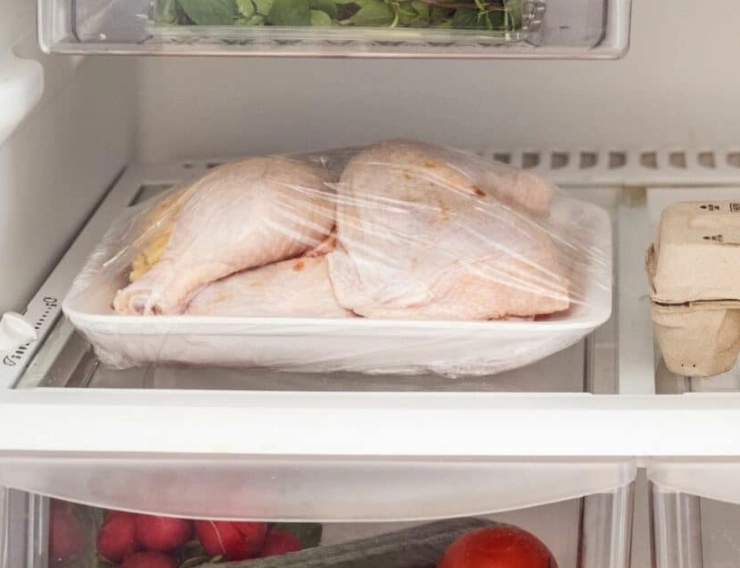
So, how long does chicken take to thaw in cold water? Roughly 30 minutes per pound. Here’s the exact drill:
- Keep the chicken in its original leak-proof packaging or place it in a sealed zip-top bag. Squeeze out as much air as possible. This is non-negotiable to prevent water-logging and contamination.
- Submerge the bag in a large bowl or clean sink full of cold tap water.
- This is the critical step: Change the water every 30 minutes. As the cold water absorbs heat from the chicken, it warms up. Swapping it out ensures the environment stays cold enough to inhibit bacterial growth.
Using this method, a 1-pound pack of breasts will thaw in about an hour. A 3-pound whole chicken will take 1.5 to 3 hours. The moment it's thawed, you need to cook it immediately. Don't refreeze it raw, and don't stick it back in the fridge for later.
Method 3: Thawing in the Microwave (The Last-Resort Sprint)
Speed is the only advantage here. It's undeniably fast. But I have a love-hate relationship with this method. It's incredibly easy to overdo it and start cooking parts of the chicken, which gives it that weird, partially cooked texture I can't stand. It also forces your hand—you must cook it immediately after thawing because parts of it have entered the danger zone.
Most microwaves have a dedicated "defrost" or "thaw" setting based on weight. If yours doesn't, use the low power setting (30% power is a good benchmark).
How long does chicken take to thaw in the microwave? It varies wildly by wattage, but as a rough guide: 3-5 minutes per pound on the defrost setting, followed by standing time. You'll need to pause, flip, and separate pieces halfway through. The edges will often feel slightly warm or even look a bit opaque, while the center may still be icy. That's your cue to stop and start cooking.
Thawing Timelines at a Glance
Here’s a quick-reference table to put all these numbers in one spot. This is based on a standard 1-pound package of boneless, skinless chicken breasts, but the principles scale up.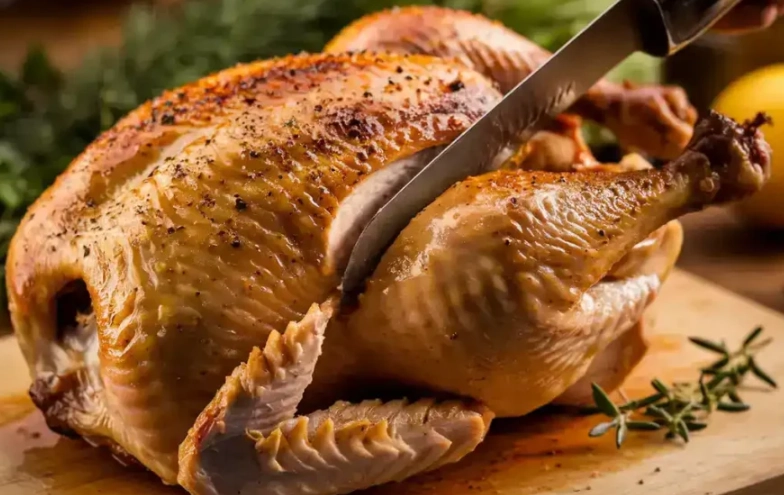
| Thawing Method | Estimated Time (for 1 lb) | Safety Level | Best For / Notes |
|---|---|---|---|
| Refrigerator (40°F or below) | 12 - 24 hours | Excellent | Best for quality & safety. Requires planning. Thawed chicken can be kept 1-2 more days in fridge. |
| Cold Water (changed every 30 min) | 1 - 2 hours | Good (if done correctly) | The best "forgotten to plan" method. Cook immediately after thawing. |
| Microwave (on defrost setting) | 3 - 8 minutes (plus standing time) | Fair (requires immediate cooking) | Emergency use only. Can compromise texture. Cook immediately. |
See the trade-offs? The fridge is a marathon—slow, steady, and reliable. Cold water is a brisk walk. The microwave is an all-out sprint that leaves you breathless and forces you to act right away.
What About Cooking From Frozen?
Yes, it's a thing! Sometimes, you just don't have time to wait for an answer to "how long does chicken take to thaw." The good news is you can often skip the thawing step entirely. This isn't a thawing method per se, but it's a vital alternative that solves the time problem.
You can safely cook chicken from frozen. The key is to adjust your cooking time, usually adding about 50% more time than you would for thawed chicken. Use a meat thermometer to be absolutely sure. The USDA confirms that it's safe to cook frozen meat, as long as it reaches the proper internal temperature (165°F / 74°C for all poultry).
This works best for smaller, thinner cuts (like cutlets or strips) or for recipes where the chicken simmers in a sauce or soup for a long time. A frozen whole chicken or thick roast is trickier, as the outside can overcook before the inside is done.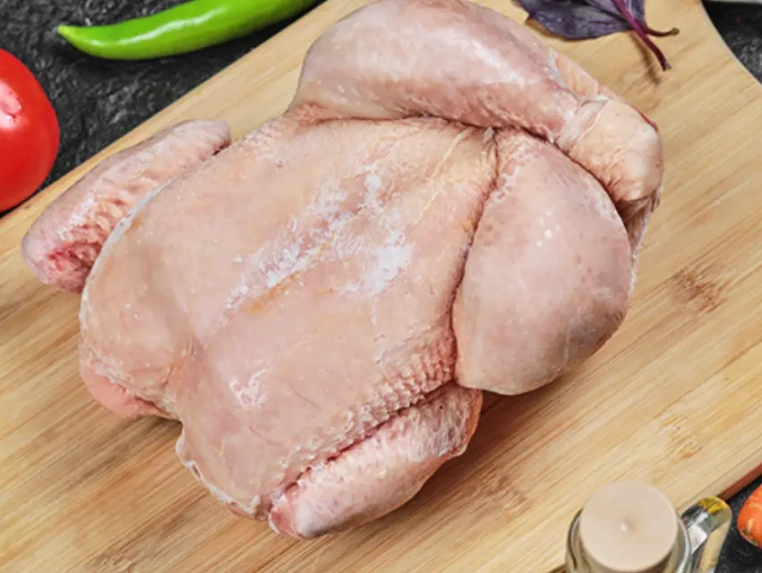
Your Thawing Safety Checklist: Non-Negotiables
Let's boil down the safety rules into a simple list. Treat these as kitchen commandments.
- Never, ever thaw on the counter or in hot water. This is public enemy number one for food safety.
- Contain the drips. Always thaw in a container, on a plate, or in a sealed bag to prevent raw juices from contaminating other foods, especially ready-to-eat items.
- The "Cook Immediately" Rule: Any chicken thawed using the cold water or microwave method must be cooked as soon as it's thawed.
- The Refrigeration Window: Chicken thawed in the fridge should be cooked within 1-2 days.
- When in doubt, use a thermometer. This is your ultimate truth-teller. Chicken is safe to eat when all parts reach 165°F (74°C).
- Refreezing? It's generally safe to refreeze chicken that was thawed in the refrigerator, though there may be some quality loss. Do NOT refreeze chicken thawed via cold water or microwave unless it has been cooked first.
I keep a digital thermometer in a drawer right next to the stove. It's the single most useful tool for ending the "is it done?" anxiety.
Answering Your Top Thawing Questions (FAQs)
Can I thaw chicken in hot water to speed it up?
No. Just don't. It's a major food safety risk. Hot water pushes the outer layers of the chicken into the bacterial danger zone while the inside is still frozen. It's an invitation to foodborne illness. The cold water method, with frequent water changes, is the fastest safe method.
My chicken is thawed but feels slimy and smells funky. Is it bad?
Trust your senses. Fresh, thawed chicken should be moist but not slimy, and it should have a very mild, almost neutral smell. A strong, sour, or ammonia-like odor and a slick, sticky texture are classic signs of spoilage. When in doubt, throw it out. It's not worth the risk.
How can I tell if my chicken is fully thawed?
The best test is a gentle press with a finger (through the packaging or with clean hands). There should be no hard, icy spots in the center. The texture should be uniformly soft and pliable. For a whole chicken, gently separate the cavity—you shouldn't feel any ice crystals inside.
Does the packaging affect how long chicken takes to thaw?
A little bit. A vacuum-sealed pack thaws slightly slower in water because less surface area is exposed to the water. In the fridge, the difference is minimal. The material (plastic vs. foam tray) matters less than the thickness and shape of the meat inside.
It's a small factor, but it's there.
I thawed too much chicken. Can I refreeze it?
If you thawed it in the refrigerator and it's still cold (40°F or below), yes, you can safely refreeze it. The texture might suffer a bit—it can become a bit drier or tougher after a second freeze-thaw cycle—but it's safe. If you used the cold water or microwave method, you should cook it first, then you can freeze the cooked chicken.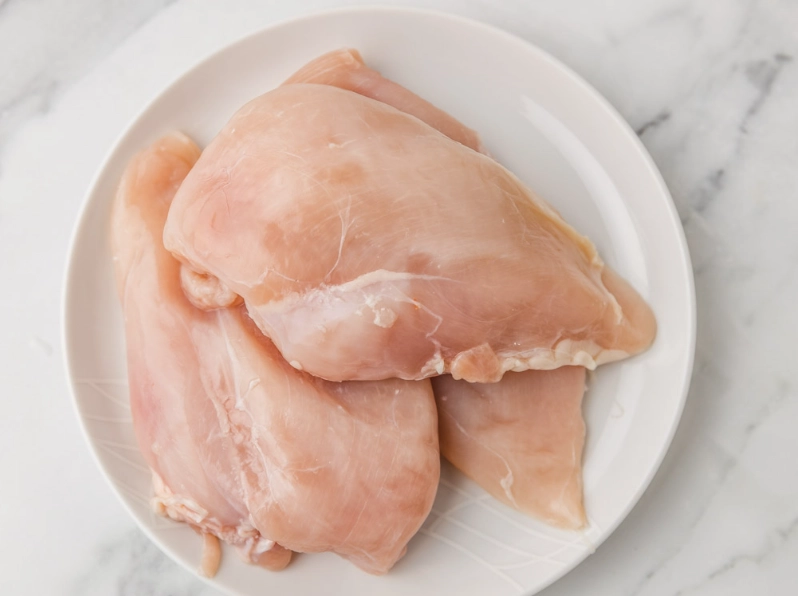
Wrapping It Up: A Simple Thawing Strategy
So, after all this, what's the takeaway? How long does chicken take to thaw? It's not a mystery anymore.
If you have the time—and I mean even just before you go to bed—tuck it in the fridge. It's the set-it-and-forget-it champion. If you're in a moderate rush, the cold water bath is your faithful workhorse. Just set a timer to change the water. Reserve the microwave for true kitchen emergencies where you accept the trade-off in texture.
The biggest mistake people make is rushing and choosing an unsafe method. A little patience, or using the cold-water workaround, guarantees you a safe, delicious result. Now you've got the knowledge to ditch the guesswork for good. Go forth and thaw with confidence.
Related Articles