The Ultimate Guide to Frozen Chicken Wings: Buying, Thawing & Cooking Tips
Explore This Guide
- Before You Buy: Decoding the Freezer Aisle
- The Great Thawing Debate: To Thaw or Not to Thaw?
- Unlocking Flavor: The Pre-Cook Prep That Makes a Difference
- Cooking Showdown: The Best Ways to Cook Frozen Chicken Wings
- The Sauce & Serve: The Final Act
- Storing Leftovers & Making Ahead
- Your Frozen Chicken Wings Questions, Answered
- The Final Word
Let's be honest. The idea of frozen chicken wings doesn't exactly scream "gourmet feast." For years, I thought they were just sad, soggy things you settled for when the game was on and the stores were closed. I was wrong. Completely wrong. A bag of frozen wings is actually a blank canvas, a ticket to crispy, juicy goodness any night of the week—if you know what you're doing. The problem is, most of us don't. We throw them in the oven straight from the freezer and end up with steamed skin and undercooked meat near the bone. Not great.
This guide is here to change that. We're going deep on everything frozen chicken wings. Not just how to cook them, but how to buy the right bag, how to thaw them safely (or not thaw them at all), and how to make them so good your friends will swear you ordered out. This isn't about fancy techniques; it's about practical, kitchen-tested advice that works.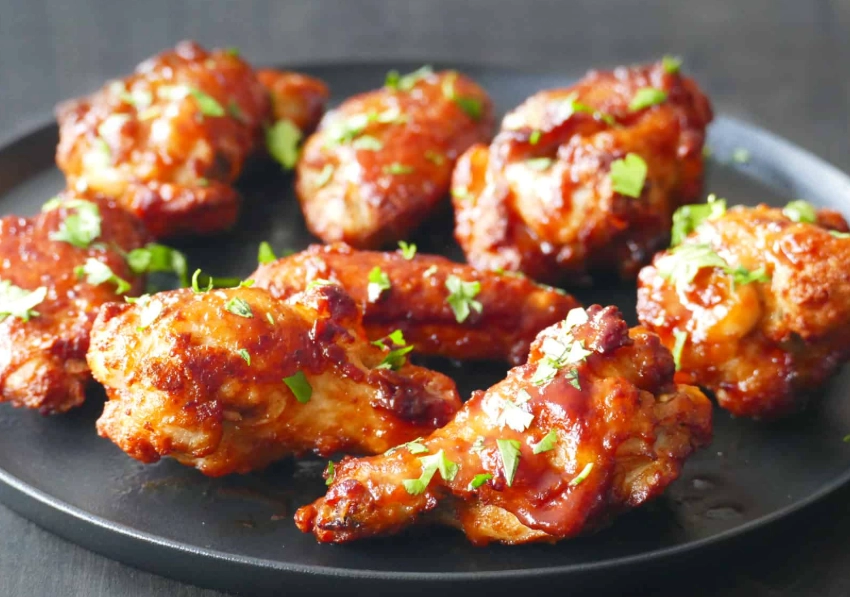
Before You Buy: Decoding the Freezer Aisle
Not all bags of frozen chicken wings are created equal. Grab the wrong one, and you're fighting an uphill battle before you even get home. The freezer aisle can be confusing—plain, pre-seasoned, fully cooked, party wings? What does it all mean?
First, let's talk cuts. You'll mainly see two types:
- The Whole Wing: This is the entire wing, three parts connected: the drumette (looks like a mini drumstick), the flat or wingette (the middle part with two bones), and the tip (the pointy end with little meat).
- The "Party Wing" or "Split Wing": This is the whole wing with the tip removed and then split into the two meaty sections: the drumette and the flat. This is what you're served 99% of the time in restaurants and at parties. For consistent cooking and easier eating, this is almost always the better choice when buying frozen chicken wings.
Now, what's in the bag? Always, always turn it over and read the ingredients. You want the shortest list possible.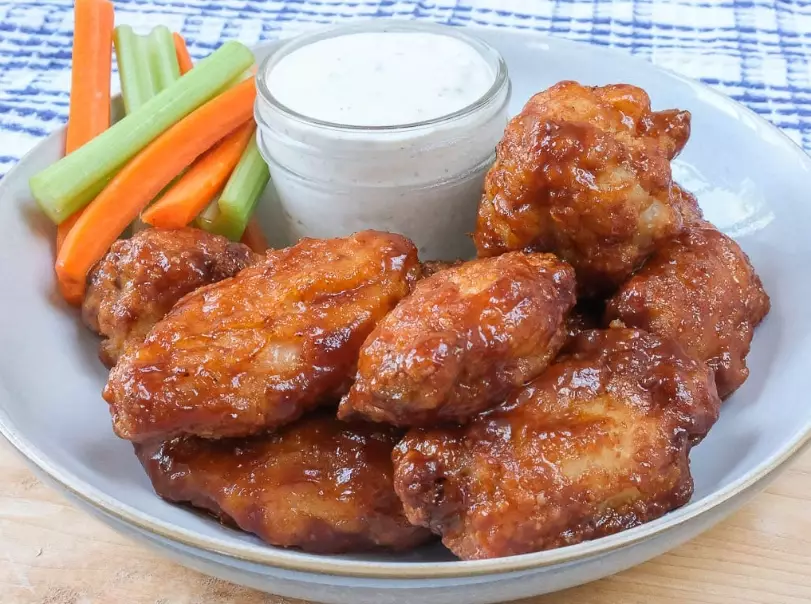
What to Look For: The ideal bag will list only: Chicken Wings. Sometimes you'll see "Chicken Wings, Water, Salt" which is often a brine solution to help retain moisture. That's usually fine. Be wary of long lists with preservatives, flavorings, and oils you can't pronounce. You're adding your own flavor later, so start with a clean slate.
I made the mistake once of buying a "Honey BBQ" preseasoned bag because it was on sale. Big regret. The sauce was cloyingly sweet and applied so thinly it just burned in the oven. The wings themselves were tiny. It's almost always better to season and sauce them yourself.
Another thing? Check for ice crystals or a big block of frozen-together wings inside the bag (you can sometimes feel it). Lots of frost or a solid chunk can mean the product has been thawed and refrozen at some point, which hurts texture and safety. The USDA Food Safety and Inspection Service is a great resource for understanding these safety basics, and they confirm that refreezing previously thawed meat can lead to moisture loss and quality degradation.
The Great Thawing Debate: To Thaw or Not to Thaw?
This is the million-dollar question. Can you cook frozen chicken wings straight from the freezer? The short answer is yes, absolutely. But should you? Well, that depends on your method, your time, and the texture you're after.
If you're in a rush, cooking from frozen works, especially with methods like an air fryer or a convection oven that blast hot air. But if you have even a little time, thawing properly gives you more control and can lead to a crispier, more evenly cooked result. Let's break down the safe ways to do it, ranked from my personal favorite to my least favorite.
Safe Thawing Methods for Frozen Chicken Wings
| Method | How-To | Time Required | Pros & Cons |
|---|---|---|---|
| In the Refrigerator (The Gold Standard) | Place the sealed bag (or wings on a plate) on the bottom shelf of your fridge. | 12-24 hours | Pro: Safest method. Keeps wings at a safe temp. Best for texture. Con: Requires planning ahead. Takes the longest. |
| In Cold Water (The Quick-Thaw) | Keep wings in a leak-proof bag. Submerge in a bowl of cold tap water. Change water every 30 mins. | 1-2 hours | Pro: Much faster than fridge. Still safe. Con: Requires attention. Can make skin slightly waterlogged if bag leaks. |
| In the Microwave (The Last Resort) | Use the "defrost" setting based on weight. Cook immediately after. | 5-15 minutes | Pro: Extremely fast. Con: Can start cooking edges, leading to uneven texture. Often results in rubbery skin. I avoid this for wings. |
My go-to? The fridge, every time.
If I know I want wings tomorrow, I'll move a bag from the freezer to the fridge tonight. It's mindless and guarantees they're ready. The cold-water method is a solid Plan B if I get a last-minute craving. As for the microwave... I only use it if I'm planning to shred the meat for something like a soup or casserole, never when I want crispy skin.
Never, ever thaw chicken wings (or any meat) on the counter at room temperature. The outside can enter the "danger zone" (between 40°F and 140°F) where bacteria multiply rapidly, while the inside is still frozen. It's a major food safety risk. The CDC's food safety guidelines are very clear on this point: perishable foods should never be thawed at room temperature for more than two hours (or one hour if it's above 90°F).
Unlocking Flavor: The Pre-Cook Prep That Makes a Difference
This is the step most people skip, and it's the secret weapon. Whether your frozen chicken wings are thawed or going in straight from frozen, how you prepare them before heat hits them is crucial.
First, drying. Moisture is the enemy of crispiness. If your wings are thawed, pat them extremely dry with paper towels. I mean, get aggressive with it. For frozen wings, some folks swear by tossing them with a tablespoon of baking powder (not baking soda!) mixed into your salt and pepper. The baking powder helps draw moisture to the surface and breaks down proteins, promoting browning and crispiness. It sounds like a hack, but it works. Just don't overdo it, or you might get a slight metallic taste.
Seasoning is next. Salt is non-negotiable. It needs time to penetrate. If you're thawing in the fridge, salt them right after you put them in the fridge. Even 30 minutes before cooking helps. For a simple, classic flavor, I mix kosher salt, black pepper, garlic powder, and paprika. That's it. You don't need a fancy rub for great frozen chicken wings.
I used to be a sauce-first guy. I'd drown the wings in sauce before cooking. What a mess! The sugar in the sauce would burn, the kitchen would smoke, and the skin stayed limp. Now I season for flavor and crispiness first. Sauce comes last, a quick toss after they're perfectly cooked. Game changer.
Cooking Showdown: The Best Ways to Cook Frozen Chicken Wings
Alright, the moment of truth. Your wings are prepped (or not). How do you cook them? Each method has its champions. I've tested them all, and here's my honest take, from the method I use most to the one I rarely touch.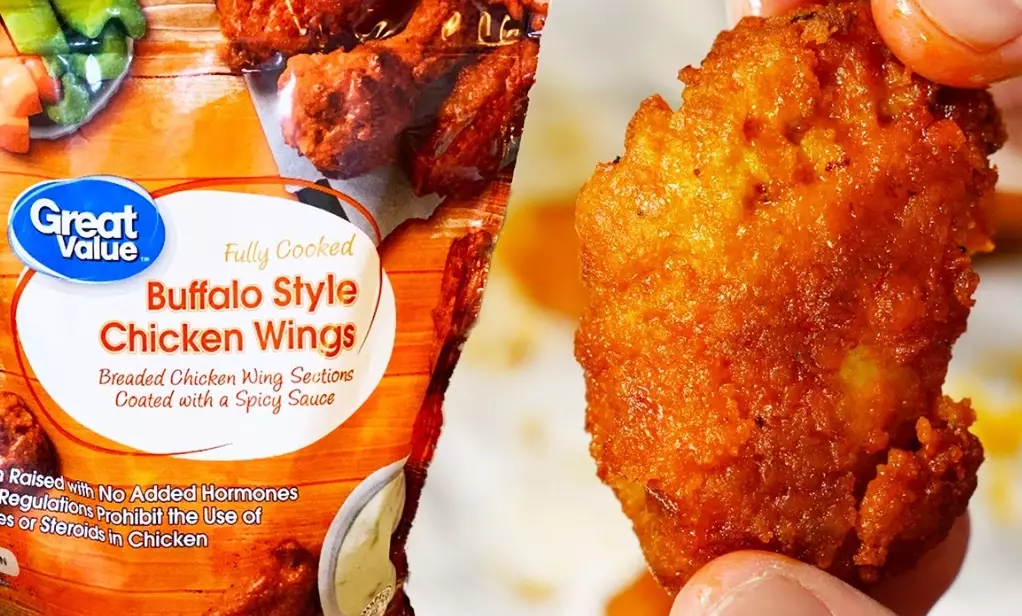
The Air Fryer: The Modern Champion
If you have an air fryer, this is arguably the best and easiest way to cook frozen chicken wings, thawed or not. The concentrated, circulating hot air mimics deep frying, rendering fat and crisping skin beautifully with very little oil.
For Frozen: Preheat air fryer to 380°F (195°C). Place wings in basket in a single layer (cook in batches if needed). Cook for 25 minutes, shaking basket halfway. Then, increase temp to 400°F (205°C) and cook for 5-10 more minutes until deep golden brown and internal temp hits 165°F. The two-stage cook is key—lower heat cooks them through, higher heat crisps.
For Thawed: Same method, but reduce initial cooking time to 15-20 minutes at 380°F, then 5-8 minutes at 400°F.
The result? Incredibly crispy skin and juicy meat. Cleanup is a breeze. The only downside is capacity—you can't cook for a huge crowd all at once.
The Oven (Baked): The Reliable Workhorse
Your oven can produce fantastic wings. The trick is using a rack. Never let your wings sit in their own rendered fat on a baking sheet. They'll steam and get soggy.
Preheat your oven to 400°F (205°C). Line a baking sheet with foil (for easy cleanup) and place a wire rack on top. Arrange wings on the rack, giving them space. This allows hot air to circulate all around. For extra crispiness, you can start them at a lower temp (like 250°F for 30 mins) to render fat slowly, then crank to 425°F to finish. But honestly, 400°F the whole way works fine. Bake for 40-50 minutes total for thawed wings, flipping halfway. For frozen, add 15-20 minutes. Always check with a meat thermometer.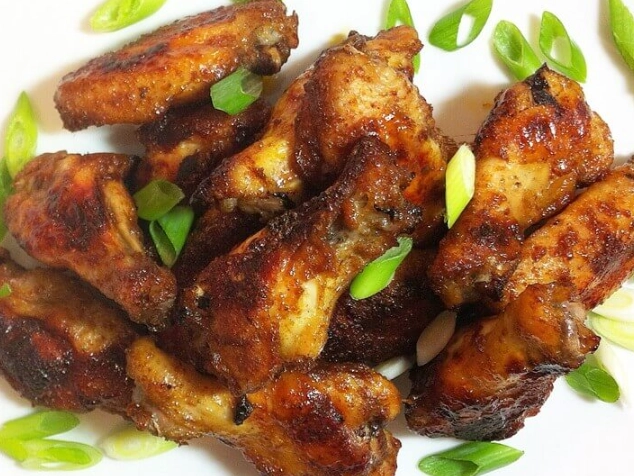
The Deep Fryer: The Classic (But Messy) Gold Standard
For the ultimate bar-style crunch, deep frying is king. But it's a commitment. You need a lot of oil, a thermometer, and good ventilation.
Thawed wings are a must for deep frying. Frying frozen wings is dangerous (oil splatters violently) and results in an overcooked exterior and raw interior. Pat your thawed wings completely dry. Heat oil (peanut or vegetable) to 375°F (190°C). Fry in batches for 8-10 minutes until golden and 165°F internally. Let them drain on a rack, not paper towels (which can trap steam).
The flavor and texture are unbeatable. But the mess and oil waste mean I only do this for special occasions.
The Grill: For Smoky Flavor
Yes, you can grill frozen chicken wings! It's a fantastic summer method. Use indirect heat. For a gas grill, light one side and place wings on the other side. For charcoal, pile coals on one side. This is essentially an outdoor oven. Grill with the lid on for about 45-60 minutes, turning occasionally, until skin is crispy and internal temp is safe. You can finish them over direct heat for a minute or two for extra char. The smoky flavor is incredible.
So, what's the best method?
For a Tuesday night? Air fryer, no contest. For a party? The oven, because you can cook multiple sheets at once. For the ultimate treat? Deep fry (with thawed wings). For a summer cookout? The grill.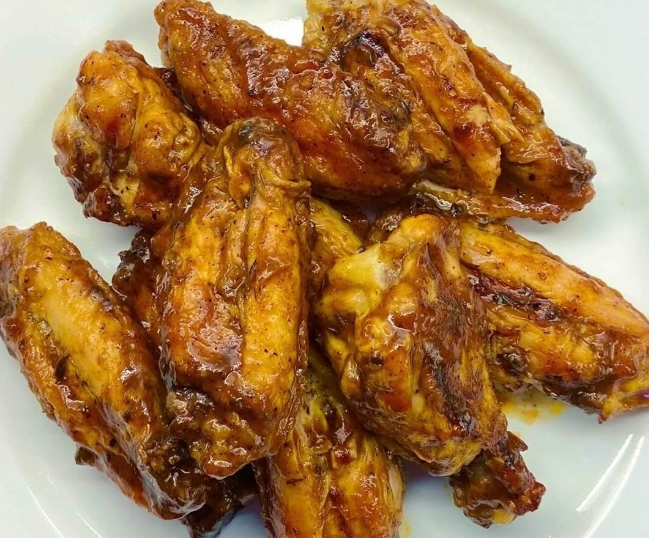
The Sauce & Serve: The Final Act
You've got crispy, cooked wings. Now, the fun part. Sauce them while they're hot, right out of the cooker. Toss them in a large bowl with your sauce. For dry rubs, toss them immediately so the seasoning sticks to the residual oil on the skin.
Classic buffalo sauce is just Frank's RedHot sauce melted with an equal part of butter. That's the real deal. For BBQ, I like to warm the sauce slightly so it's easier to toss. And here's a pro tip: serve sauces on the side for dipping, too. Some people like their wings extra saucy, some just want a dip. The National Chicken Council (yep, that's a real thing) even has stats on sauce preferences—buffalo still reigns supreme, but flavors like honey garlic and mango habanero are gaining ground.
Don't forget the sides. Celery and carrot sticks are traditional for a reason—they're a cool, crunchy contrast. A good blue cheese or ranch dressing is mandatory in my house. I prefer a chunky blue cheese dressing over the creamy dip any day. It just feels more authentic.
Storing Leftovers & Making Ahead
Leftover wings? They reheat surprisingly well. The key, again, is avoiding steam. Reheat in an air fryer at 375°F for 3-5 minutes, or in a conventional oven at 400°F on a rack for about 10 minutes. The microwave will turn them rubbery.
You can also prep wings ahead for a party. Cook them until they're *almost* done—maybe 5 minutes short of the final cook time. Let them cool, then refrigerate. When guests arrive, blast them in a hot oven or air fryer for 5-10 minutes to re-crisp and finish heating through. Toss with sauce and serve. It takes the last-minute stress out of hosting.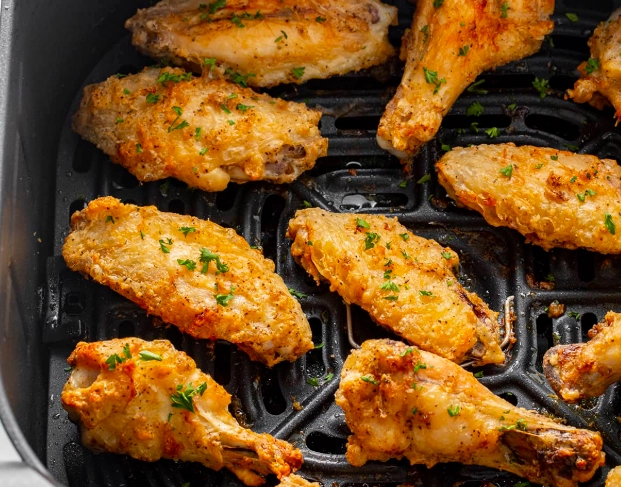
Your Frozen Chicken Wings Questions, Answered
How long do frozen chicken wings last in the freezer?
For best quality, use them within 9-12 months. They'll be safe indefinitely if your freezer stays at 0°F, but the quality—flavor and texture—will slowly degrade. Write the date you bought them on the bag with a marker. First in, first out.
Can you marinate frozen chicken wings?
You shouldn't marinate them while frozen. The marinade won't penetrate the ice, and the wings will sit in the "danger zone" as they thaw in the liquid. Thaw them safely in the fridge first, *then* marinate for 30 minutes to a few hours (not too long, or the acid in the marinade can start to break down the meat and make it mushy).
Why are my wings from frozen coming out rubbery?
Almost always, it's because of moisture and not enough heat. You're either crowding them (steaming them), not cooking them at a high enough temperature, or not cooking them long enough. Ensure they are in a single layer with space, use high heat (at least 400°F), and don't be afraid to let them go until the skin looks shatteringly crisp. A meat thermometer is your friend to ensure they're done without guessing.
Is it cheaper to buy fresh or frozen chicken wings?
Almost always, frozen chicken wings are cheaper per pound. They're processed and frozen at peak freshness, often during periods of high production, which reduces cost. Fresh wings are fantastic, but for a staple you keep on hand, frozen offers great value and convenience without a huge sacrifice in quality.
The Final Word
Look, a bag of frozen chicken wings is one of the most versatile and forgiving things you can have in your kitchen. It's not a second-rate ingredient. With a little know-how—choosing the right bag, thawing smartly (or skipping it with the right method), drying them well, and applying high heat—you can get a result that's miles better than most takeout.
Forget the intimidation. Grab a bag, fire up your oven or air fryer, and give it a shot. Start with a simple salt and pepper seasoning. Master the crisp. The sauces and rubs can come later. Once you realize how easy and good they can be, you'll never look at your freezer the same way again. It's not just a box of ice; it's a box of potential weeknight wins.
Related Articles