Fresh Chicken Quarter Leg with Back: The Ultimate Guide to Buying & Cooking
Quick Navigation
Let's talk about the fresh chicken quarter leg with back. You've probably seen it in the butcher's case or on a supermarket tray, a hefty, bone-in piece that looks like it means business. Maybe you've picked it up, wondered exactly how to tackle it, and then put it back, opting for familiar boneless breasts instead. I've been there. But trust me, overlooking this cut is a mistake if you care about flavor, value, and getting the most out of your cooking. It's the workhorse of the chicken world, offering a depth of taste that leaner cuts just can't match, all while being incredibly kind to your wallet.
This isn't about fancy, cheffy techniques you'll never use. It's about understanding what you're buying, why it's a fantastic choice, and how to turn it into meals your family will ask for again and again. We're going to get into the nitty-gritty: what exactly this cut includes, how to pick the best one, the real nutritional story, and, most importantly, the best ways to cook it so it's juicy every single time. Forget dry, bland chicken. A properly cooked fresh chicken quarter leg with back is a thing of beauty—crispy skin, tender meat, and rich flavor in every bite.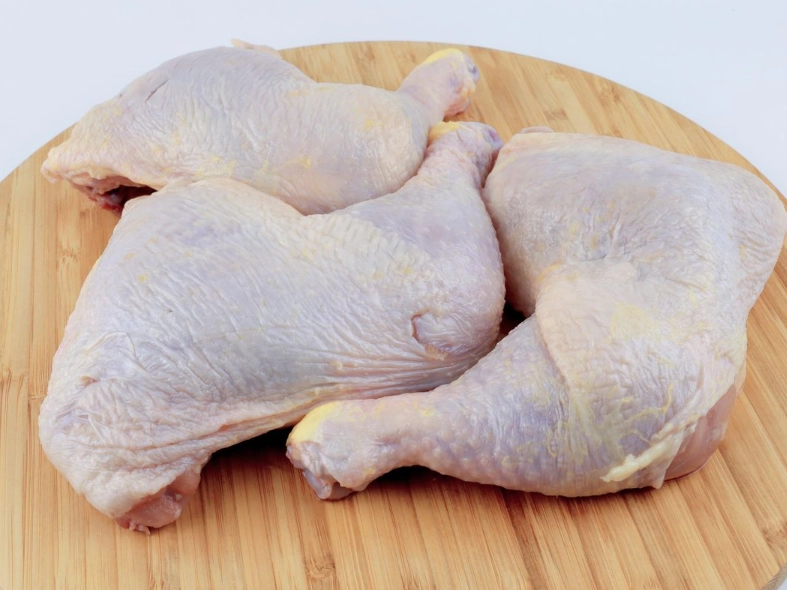
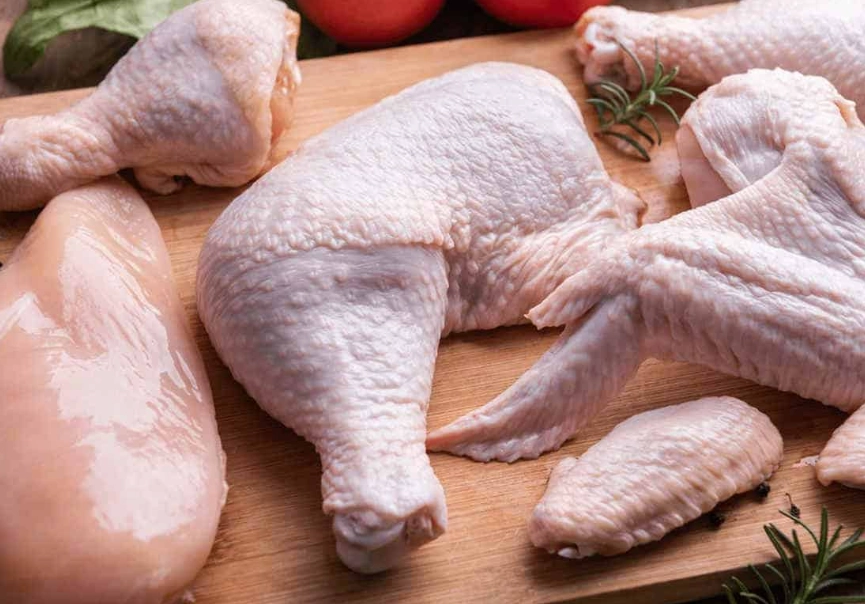
Quick Anatomy Lesson: A "quarter leg with back" is exactly what it sounds like. It's a butcher's cut that combines the entire leg quarter (thigh and drumstick, still connected) with a portion of the backbone and sometimes a bit of the tail. You get multiple textures and meat types in one piece—the firmer dark meat of the drumstick, the succulent and forgiving thigh meat, and the incredible flavor that bones and skin contribute during cooking.
Why This Cut Deserves a Spot in Your Kitchen
I used to be a breast-only person. It seemed easier, quicker. Then I started paying attention to my grocery bill and noticed how much more I was paying per pound for boneless, skinless breasts. The fresh chicken quarter leg with back was often half the price. The real revelation, though, was taste. Cooking meat on the bone with the skin on is like having a built-in flavor and moisture system. The collagen and fat render down, basting the meat from the inside out. It's forgiving. Overcook a breast by a few minutes, and it's like eating chalk. Overcook a thigh by a bit, and it's still juicy.
The value proposition is huge. You're buying less processed food. You're getting more flavor for less money. And you have so many more cooking options. You can roast a whole tray of them for a Sunday dinner, braise them in a Dutch oven for a cozy stew, or throw them on the grill. They're perfect for meal prep because they reheat beautifully without drying out. If you're cooking for a family, a pack of fresh chicken leg quarters can be the centerpiece of a meal that feels hearty and satisfying without breaking the bank.
Some people are put off by the bone and skin. I get it. It feels a bit more hands-on. But that's where the flavor is! Removing the skin after cooking is always an option if you're watching fat intake, but cooking with it on first is non-negotiable for the best results. And dealing with bones? It's not surgery. A little practice, and you'll be able to navigate around them easily, or you can use cooking methods where the meat falls right off the bone.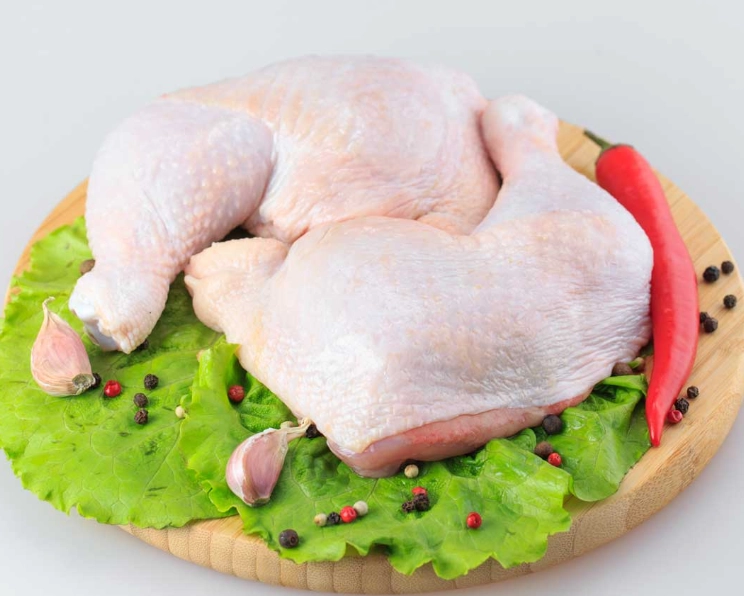
How to Pick the Perfect Fresh Chicken Quarter Leg
Not all packages are created equal. Walking up to the meat counter and grabbing the first tray you see is a gamble. Here’s what I look for, learned from trial and error and talking to butchers.
First, color and appearance. The skin should be a creamy, pale yellow or pinkish-white. Avoid any pieces with gray patches, deep yellow skin (which can indicate an older bird), or any signs of drying out around the edges. The meat you can see should look moist, not slimy. A little bit of glistening is fine, but a sticky or tacky surface is a red flag.
Smell is your most powerful tool. Through the plastic wrap, you should smell almost nothing, or just a very faint, clean, metallic scent. If you get a whiff of anything sour, ammonia-like, or just generally "off," put it back. Fresh chicken shouldn't announce its presence with a strong odor.
Check the packaging. Make sure it's tightly sealed with no tears or leaks. Look at the sell-by date and choose the one farthest out. If there's a lot of liquid (called purge) pooled in the tray, it can mean the chicken has been frozen and thawed, or it's been sitting for a while. A little moisture is normal, but a pool isn't ideal.
A Personal Pet Peeve: I avoid packages where the quarters are crammed in so tightly they're misshapen, or where one piece is dramatically larger than the others. It makes for uneven cooking. I'd rather buy from a butcher who displays them separately so I can pick similar-sized pieces for consistent results.
Should you buy air-chilled? It's become a buzzword. Air-chilled chicken is processed in a way that uses air instead of water baths for cooling. Proponents say it results in better texture and more concentrated flavor because the meat doesn't absorb water. I've tried both, and while I think a high-quality air-chilled bird can have slightly firmer texture and crispier skin, a standard fresh chicken quarter leg with back from a reputable brand, handled and cooked well, will still be delicious. Don't stress if your budget doesn't allow for the premium option.
Understanding Labels: Organic, Free-Range, and What They Really Mean
This is where it gets confusing. Let's break it down simply.
- Organic (USDA Certified): This is a regulated term. The chickens are fed 100% organic feed, given no antibiotics ever, and have access to the outdoors. It's often a marker of better animal welfare and potentially cleaner farming practices. You'll pay more.
- Free-Range: Also regulated. It means the chickens have some degree of outdoor access. The key word is "access." It doesn't specify for how long or the quality of that outdoor space. It's a step up from conventional but can vary widely.
- Conventional: Your standard, most affordable option. Raised indoors with controlled feed. Perfectly safe and nutritious, but with fewer requirements on living conditions.
- Natural: This label is almost meaningless from a quality standpoint. It just means no artificial ingredients were added *after processing*. All fresh chicken is "natural" by this definition.
My take? If your primary goal is budget-friendly, delicious meals, a conventional fresh chicken leg quarter is a fantastic choice. If animal welfare and avoiding antibiotics are higher priorities for your household, then investing in organic is worth it. Don't get sucked in by fancy marketing on the front; sometimes the story is simpler on the back.
The Nutrition Facts: Busting Myths About Dark Meat
There's an outdated idea that chicken breast is the only "healthy" part. Let's set the record straight. Yes, skinless breast is lower in calories and fat. But dark meat from a fresh chicken quarter leg with back brings important nutrients to the table.
Dark meat is richer in iron and zinc, which are crucial for energy and immune function. It also contains more B vitamins, particularly B12 and riboflavin. The fat content is higher, but a significant portion of that is monounsaturated fat—the same heart-healthy fat found in olive oil. The skin is where the majority of the saturated fat and calories reside.
Here’s a rough comparison per 100g of cooked meat (without skin), based on data from the USDA FoodData Central, which is an incredible resource for verified nutritional information:
| Nutrient | Chicken Thigh (Dark Meat, no skin) | Chicken Breast (White Meat, no skin) |
|---|---|---|
| Calories | ~180 kcal | ~165 kcal |
| Protein | ~23g | ~31g |
| Total Fat | ~9g | ~3.6g |
| Iron | ~1.3mg (Higher) | ~0.9mg |
| Zinc | ~2.4mg (Higher) | ~1.0mg |
The bottom line? Including dark meat like what you get from a chicken quarter leg provides a wider spectrum of nutrients. If you're concerned about fat, simply remove the skin after cooking. You'll still get all the juiciness and flavor from cooking with the bone, but with a leaner end product. Balance is key. There's room for both lean breast and hearty dark meat in a healthy diet.
Mastering the Cooking Methods: From Oven to Grill
This is the fun part. The fresh chicken quarter leg with back is so versatile. Its higher fat content and connective tissue make it ideal for both high-heat and slow, low-heat cooking. Here are the methods I use most often, ranked by how often they land on my table.
Top Cooking Methods for Chicken Leg Quarters
- Roasting/Baking: The ultimate set-it-and-forget-it method. High heat (400°F/200°C) gives you crispy skin. Lower and slower (350°F/175°C) yields fall-off-the-bone tenderness. Pat the skin dry, season aggressively, and roast on a rack for best air circulation.
- Braising: My go-to for comfort food. Brown the quarters in a pot, then add a bit of liquid (wine, broth, tomatoes), cover, and simmer low and slow on the stovetop or in the oven. The meat becomes incredibly tender, and you get a built-in sauce. Dishes like Coq au Vin are built for this cut.
- Grilling: Perfect for summer. The key is indirect heat. Sear over direct flames to mark the skin, then move to a cooler part of the grill, cover, and let them cook through. This prevents the skin from burning before the meat is done. A simple dry rub works wonders here.
- Air Frying: A modern miracle for getting super crispy skin with less oil. Cook at 380°F-400°F for about 25-30 minutes, flipping halfway. The results are shockingly good and fast.
- Slow Cooking: The easiest method of all. Throw in seasoned quarters with some aromatics and a splash of liquid. Cook on low for 6-8 hours. You'll come home to perfectly tender chicken that shreds easily for tacos, soups, or sandwiches.
The Golden Rule: Temperature, Not Time
This is the single most important tip I can give you. Throw away the notion of "cook for 45 minutes." Ovens vary, grill temperatures fluctuate, piece sizes differ. The only reliable way to know if your fresh chicken quarter leg with back is done is to use a good instant-read meat thermometer. Insert it into the thickest part of the thigh, avoiding the bone. You're aiming for an internal temperature of 165°F (74°C). At this temperature, any harmful bacteria are destroyed, and the meat is safe to eat while still juicy. If you're braising or slow-cooking, you can even go a bit higher (175-185°F) to really break down the connective tissue for shredding.
Let it rest. Please, let it rest. Once you pull the chicken from the oven or grill, tent it loosely with foil and let it sit for 5-10 minutes. This allows the juices, which have been driven to the center by the heat, to redistribute throughout the meat. If you cut into it immediately, all those delicious juices will just run out onto your cutting board, leaving you with drier meat.
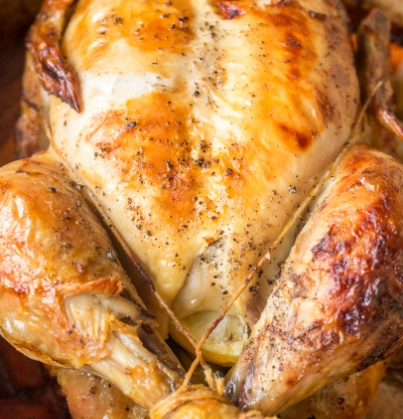
My Favorite Simple Roast Recipe: Pat 4 chicken leg quarters very dry. Rub with olive oil, then a mix of salt, pepper, smoked paprika, and garlic powder. Be generous. Place on a baking sheet (on a rack if you have one). Roast at 425°F (220°C) for 40-50 minutes, until the skin is deep golden brown and crispy and the internal temp hits 165°F. Let rest. That's it. The skin will shatter like glass, and the meat will be unbelievably juicy.
Storing and Handling: Keeping It Safe and Fresh
You've bought the perfect fresh chicken quarter leg with back. Now what? Safety first. Always treat raw chicken with care to avoid cross-contamination.
- At the Store: Put it in a separate plastic bag in your cart to prevent leaks onto other groceries. Make it the last item you pick up before checkout.
- Refrigeration: Get it into your fridge as soon as you get home. Store it in its original packaging on a plate or tray on the bottom shelf to catch any potential drips. Use it within 1-2 days of the sell-by date for peak freshness.
- Freezing: For longer storage, freeze it. I recommend rewrapping it tightly in plastic wrap and then aluminum foil, or using a heavy-duty freezer bag, squeezing out all the air. Label it with the date. Properly wrapped, it will keep well for up to 9 months. Thaw it safely in the refrigerator overnight, never on the counter.
- The Clean-Up: Wash your hands, utensils, and cutting boards with hot, soapy water immediately after they touch raw chicken. I use a dedicated plastic cutting board for raw meat and run it through the dishwasher.
What about leftovers? Cooked chicken leg quarters keep beautifully. Let them cool, then store the meat (off the bone if you like) in an airtight container in the fridge for 3-4 days. They reheat wonderfully in a microwave with a sprinkle of water, covered, or in a 350°F oven until warmed through.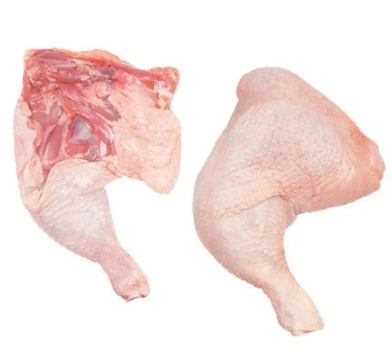
Answering Your Questions (FAQ)
Look, at the end of the day, cooking should be enjoyable and nourishing, not stressful or bland. The fresh chicken quarter leg with back is a tool that helps with both. It delivers on flavor, forgives minor cooking mistakes, and respects your budget. Next time you're at the store, skip the usual and grab a pack of these. Try that simple roast method. I think you'll be surprised at how something so simple can feel so special. It's not just chicken; it's a dependable, delicious foundation for countless good meals.
Related Articles