What Chicken is White Meat? Your Ultimate Guide to Cuts & Cooking
You see it on menus, in diet plans, and at the grocery store: "white meat chicken." It's praised as the lean, healthy choice. But if someone asked you to point it out in the meat case, could you? What chicken is white meat, exactly? It's more than just "the breast." It's a specific set of muscles with unique properties that change how you should buy, cook, and enjoy them. Getting this wrong is why so many people end up with dry, flavorless chicken that feels like a dietary punishment. Let's fix that.
Your Quick Guide to White Meat Chicken
What Exactly is White Meat Chicken? (The Science Behind the Color)
It all comes down to myoglobin, an oxygen-storing protein in muscle. Muscles that are used frequently—like the legs and thighs that constantly support the chicken's weight—need more oxygen. More oxygen demand means more myoglobin, and myoglobin is red. That's your dark meat.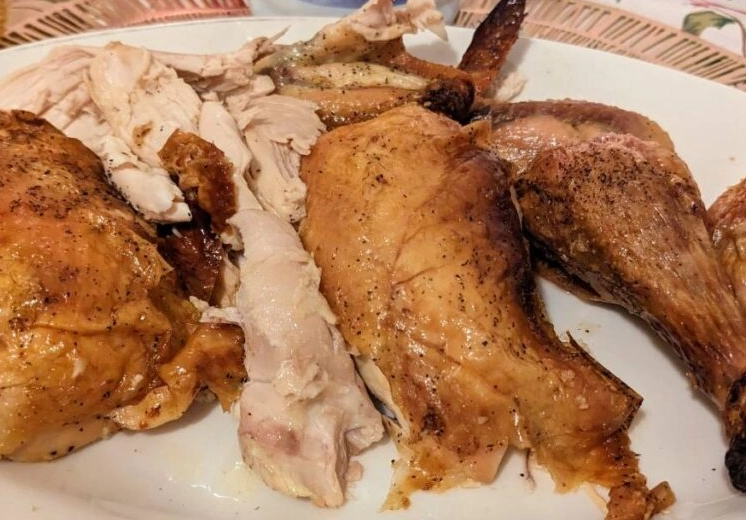
White meat comes from muscles used for short, explosive bursts of activity, like flapping wings. The breast and wing muscles don't need a constant oxygen supply, so they have much less myoglobin. Less myoglobin means a lighter, pale pink color when raw that turns white when cooked.
This biological difference isn't just about color. It defines texture, flavor, fat content, and the entire approach you need to take in the kitchen. Treating a lean chicken breast like a fatty beef steak is a recipe for disappointment.
The Complete List of White Meat Chicken Cuts
Let's get specific. Here are all the cuts from a chicken that qualify as white meat, where they come from, and what makes them special.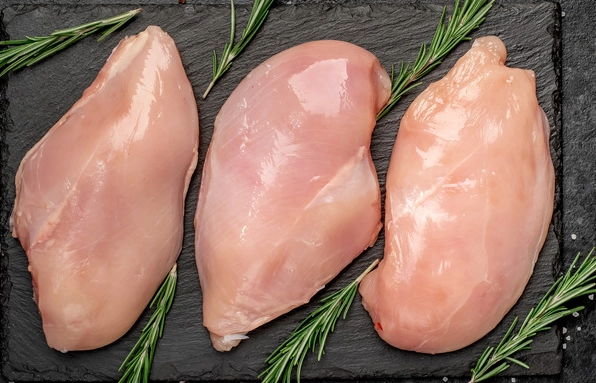
| Cut Name | Part of the Bird | Key Characteristics & Best Uses | Approx. Price per lb (US)* |
|---|---|---|---|
| Whole Breast (Bone-in or Boneless) | The large pectoralis major muscle on the chest. | The classic. Versatile but lean. Prone to drying out. Great for baking, grilling (if managed carefully), and cutting into cutlets. | $3.50 - $6.00 |
| Chicken Tenderloin | The small pectoralis minor muscle underneath the main breast. | The most tender piece of all. Cooks very fast. Perfect for quick sautés, stir-fries, chicken fingers, and salads. | $5.00 - $8.00 (if sold separately) |
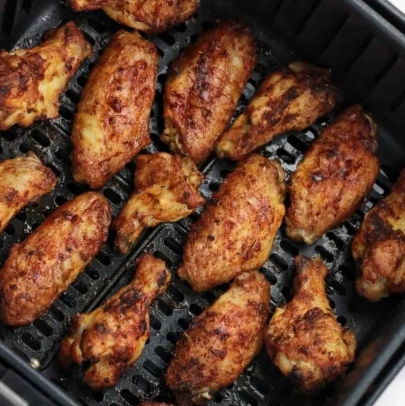
| Wing Sections (Drumette, Flat/Wingette) | The wing muscles (excluding the wingtip). | White meat with a higher skin-to-meat ratio. Ideal for frying, baking with sauce (Buffalo wings), or grilling. The skin protects the lean meat during high-heat cooking. | $2.50 - $4.50 |
| Wing Drums ("Drumsticks" of the wing) | The part of the wing closest to the body. | Meatier than other wing sections, still white meat. Often sold as "party wings." Same best uses as other wing sections. | Part of whole wing price |
*Prices are average supermarket ranges and can vary by region, brand (conventional vs. organic), and sale cycles. Source: USDA Market News and major grocery chain data.
Notice what's not on the list: thighs, drumsticks, and the oysters (those two delicious nuggets on the back). Those are all dark meat, rich with flavor and fat.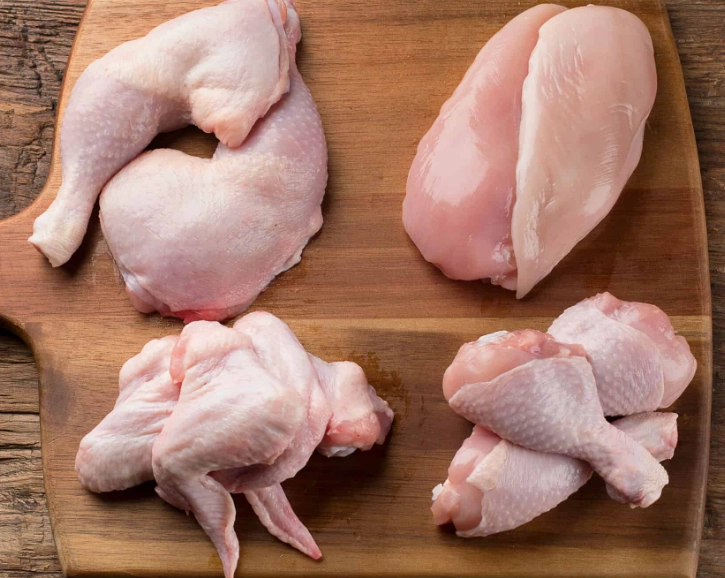
How to Cook White Meat Chicken Without Drying It Out
This is the million-dollar question. The leanness that makes white meat healthy also makes it unforgiving. Forget timing by the clock. The only tool that matters here is a digital instant-read thermometer. Pull breast meat at 160°F (71°C)—it will carry over to 165°F (74°C) as it rests. For wings, aim for 165°F internally.
My Go-To Methods for Juicy Results
Brining: Soaking chicken in a saltwater solution (1/4 cup kosher salt per 4 cups water) for 30 minutes to 2 hours. This seasons the meat deep inside and helps it retain water during cooking. It's a game-changer for baking or grilling breasts.
Pounding: For boneless breasts, place them between plastic wrap and pound to an even 1/2-inch thickness. This ensures even cooking, so the thin end isn't leather by the time the thick end is done.
The "Reverse Sear" for Breasts: This is my secret weapon. Start the breast in a low oven (275°F / 135°C) until it hits about 145°F internally. Then, sear it hard in a screaming hot skillet or on the grill for 60-90 seconds per side to get a gorgeous crust. The result is edge-to-edge juiciness you won't believe.
For wings, high, dry heat is your friend. Baking on a wire rack at 400°F (200°C) or frying at 375°F (190°C) renders the fat in the skin, making it crispy and protecting the meat.
White Meat vs. Dark Meat: A Detailed Comparison
Let's settle the debate with facts. This isn't about which is "better," but which is better for your specific goal.
- Flavor & Moisture: Dark meat wins, hands down. The higher fat content (mostly monounsaturated) means more flavor and a juicier bite, even if slightly overcooked. White meat is milder and leans on seasoning and cooking technique for its appeal.
- Protein & Calories: White meat is the champion for pure, lean protein. A 3-oz cooked skinless breast has about 165 calories and 31g of protein. A same-size skinless thigh has about 180 calories and 23g of protein. For muscle building on a calorie budget, white meat is efficient.
- Vitamins & Minerals: Dark meat has more iron, zinc, and B vitamins like B2, B3, B5, and B6. If you're looking to boost your iron intake, dark meat is a better source of heme iron, which your body absorbs more easily than the non-heme iron in plants.
- Versatility in Cooking: Dark meat is more forgiving for beginners. It's hard to ruin a chicken thigh. White meat requires more precise technique but offers a cleaner, lighter canvas for complex sauces and spices.
My personal rule? Use white meat for dishes where the chicken is the star of the show in a light application—think grilled chicken salad, lemon herb chicken, or a simple cutlet. Use dark meat for hearty, slow-cooked, or highly seasoned dishes like stews, curries, and braises, where its robust flavor holds up.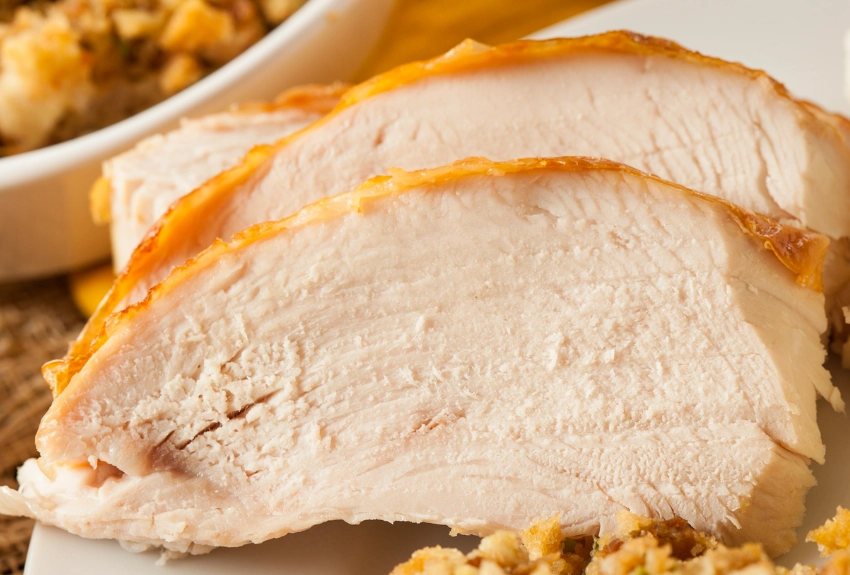
Expert Tips for Buying and Storing White Meat Chicken
What you do before you cook matters just as much.
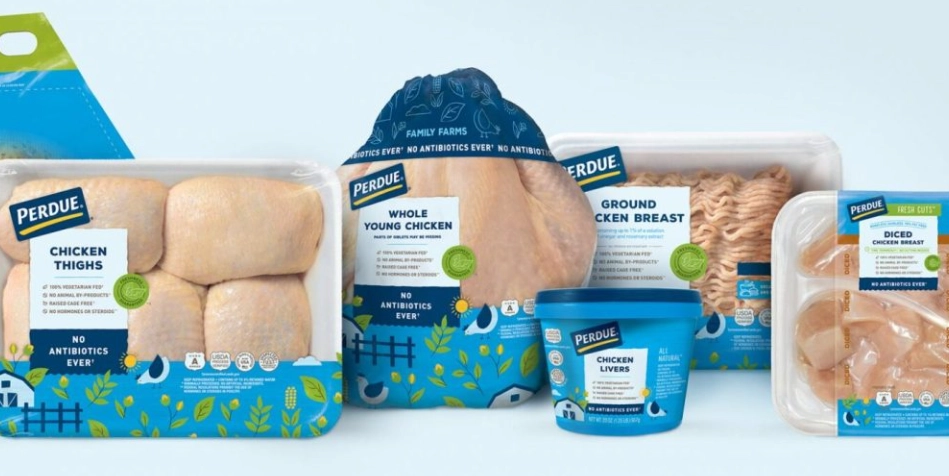
At the Store: Look for packages with the furthest "sell-by" date. The meat should be pink, not gray, and there should be minimal liquid in the tray (excess liquid often indicates it's been frozen and thawed). If you see packages labeled "water-added" or "contains up to X% broth," know you're paying chicken prices for water. I avoid them; the texture becomes mushy.
Fresh vs. Frozen: High-quality frozen chicken (individually quick frozen, or IQF) is often flash-frozen at peak freshness and is perfectly fine. For meal prep, buying fresh and freezing it yourself in portion-sized bags works great. Just press out all the air to prevent freezer burn.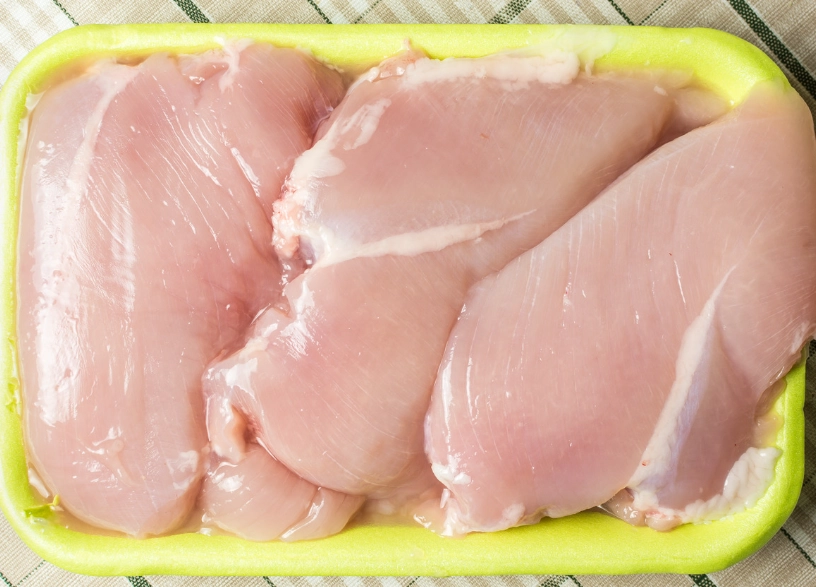
Storage: Keep it cold. Put raw chicken in the coldest part of your fridge (usually the bottom shelf) and use it within 1-2 days of purchase. If you won't use it that fast, freeze it immediately. Thaw safely in the fridge overnight, never on the counter.
A Note on Labels: "Air-Chilled" is a premium process where chickens are cooled with air instead of being dunked in a cold water bath. They absorb less water, so you get more meat for your money and often better texture and flavor. It's worth the extra dollar if you see it.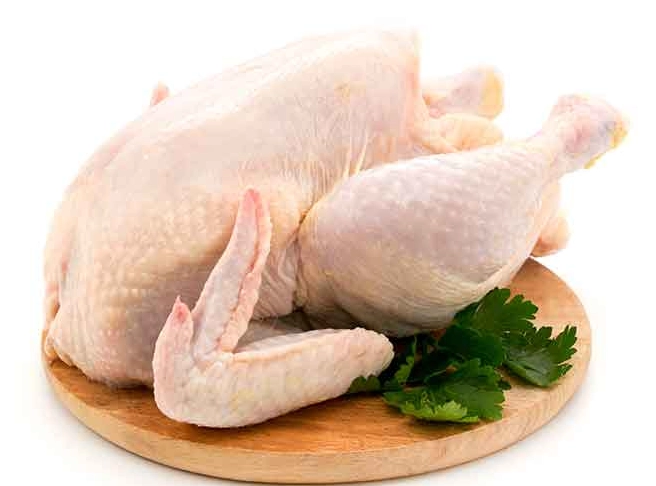
Your White Meat Chicken Questions, Answered
Is chicken tenderloin considered white meat?
Yes, absolutely. Chicken tenderloins are part of the pectoralis minor muscle, located just beneath the main breast. They are the most tender portion of all white meat because they are a single, small muscle that does very little work. This is why they cook so quickly and can become tough if overcooked even slightly. Many butchers leave them attached to the breast, but you can often find them sold separately.
Why does my white meat chicken always turn out dry?
Dry white meat is almost always a result of overcooking. The lean muscle fibers have very little fat to lubricate them, so they tighten and squeeze out moisture when heated beyond their ideal temperature. The single most effective fix is using a digital meat thermometer and pulling the meat off the heat at 160-162°F (71-72°C). It will carry over to a safe 165°F (74°C) as it rests. Brining or marinating also helps by adding moisture and salt that gets absorbed into the muscle.
Is it safe to eat slightly pink white meat chicken?
Color is not a reliable indicator of safety for poultry. Chicken can sometimes retain a slight pink hue even when fully cooked to 165°F, especially if it was frozen or cooked from a young bird. Conversely, it can appear fully white but still be undercooked. The only way to guarantee safety is to check the internal temperature with a food thermometer. If it reads 165°F (74°C) at the thickest part, it is safe to eat, regardless of color.
Which is healthier, white meat or dark meat chicken?
'Healthier' depends on your dietary goals. White meat is the clear winner for low-calorie, high-protein, low-fat diets. A 3-ounce skinless breast has about 165 calories and 31g of protein. The same amount of skinless thigh has about 180 calories and 23g of protein, but nearly triple the fat. However, that extra fat in dark meat includes more iron, zinc, and B vitamins. For a balanced diet, incorporating both is a great strategy, using white meat as your lean base and enjoying dark meat for its flavor and nutrients.
So, what chicken is white meat? It's the breast, the tenderloin, and the wings. It's a fantastic source of lean protein that demands a bit of respect and technique in the kitchen. Now that you know exactly what you're working with—from the science to the shopping list—you can move beyond fear of dryness and start cooking white meat chicken with confidence. Grab a thermometer, try the reverse sear, and taste the difference.
Related Articles