Easy Chicken Leg Quarters Recipe: How to Cook Them Perfectly
Quick Guide
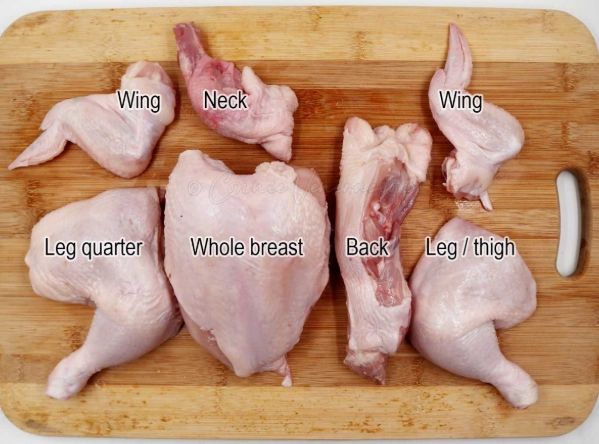
Let's be real for a second. You're probably looking at that pack of chicken leg quarters in your fridge or at the store and thinking, "Okay, these were a great deal, but now what?" I've been there. A whole leg quarter (that's the drumstick and thigh still connected) can look a bit intimidating compared to a neat little breast. But trust me, once you get the hang of it, this might become your go-to cut. It's forgiving, packed with flavor, and honestly, hard to mess up. That's what makes a great chicken leg quarters recipe so valuable – it turns a budget buy into a showstopper.
My own journey with chicken leg quarters started out of necessity. Tight budget, needing to feed a few people. The first time I baked them, I'll admit, the skin wasn't as crispy as I wanted, and I was paranoid about them being undercooked. Sound familiar? Over the years, through plenty of trial and error (and a few dry batches), I've figured out the tricks that separate a mediocre chicken leg quarters recipe from a truly great one. This guide is all about sharing those, so you can skip the guesswork.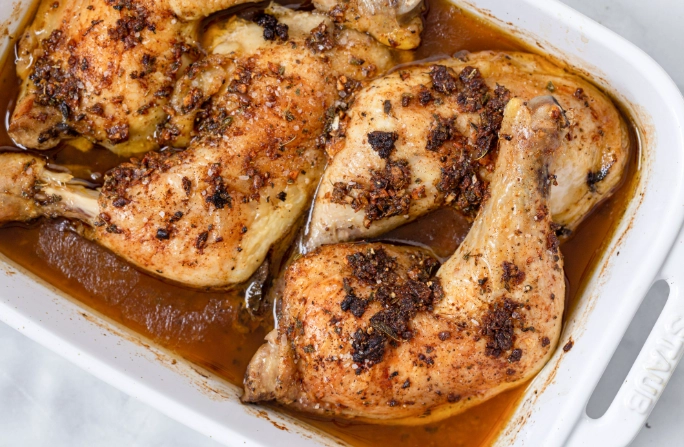
Why Chicken Leg Quarters Deserve a Spot in Your Kitchen
Before we even preheat the oven, let's talk about why this cut is awesome. First off, value. Pound for pound, leg quarters are often the most affordable chicken cut you can buy. You're getting two juicy sections in one. The dark meat is naturally more flavorful and moist than white meat because it has a bit more fat and connective tissue. That fat renders during cooking, basting the meat from the inside. This means even if you accidentally leave them in a few minutes too long, they're less likely to turn into shoe leather compared to a chicken breast.
They're also incredibly versatile. Think about it: a simple baked chicken leg quarters recipe is just the beginning. You can roast them high and fast for crispy skin, braise them in a sauce until fall-apart tender, throw them on the grill for smoky char, or even use them as the base for a hearty soup. One cut, a world of possibilities.
Getting Your Chicken Leg Quarters Ready: The Prep Work
Good cooking starts before the heat hits the pan. Here’s how to set yourself up for success.
Pat Dry. Seriously, Do It.
This is the single most overlooked step for crispy skin. Take those leg quarters out of their packaging, place them on a plate, and grab a bunch of paper towels. Pat every single surface, nook, and cranny completely dry. Any moisture on the skin will steam instead of brown, leaving you with rubbery, pale skin. Nobody wants that. A dry surface is a crispy surface waiting to happen.
To Trim or Not to Trim?
Look at the skin. Sometimes there's a large flap of excess skin or a noticeable chunk of fat. You can trim a bit of this off with kitchen shears if you want. It's not strictly necessary, but it can help the leg quarter cook more evenly and look neater. If you see any leftover feathers (it happens), pluck them out. Also, check the underside for any residual kidneys or fat deposits and trim those away.
The Seasoning Foundation
Because the meat is so flavorful, you don't need a cabinet full of spices. Salt and pepper are non-negotiable. Season generously on all sides, and don't forget to get some under the skin if you can gently lift it. This seasons the meat directly. For timing, you can season right before cooking, but if you have 30-60 minutes, letting them sit with the salt draws out a bit of moisture which then gets reabsorbed, seasoning the meat deeper. For food safety guidelines on handling raw poultry, the USDA's Food Safety and Inspection Service is an excellent resource.
Now, let's talk about the main event: how to cook them.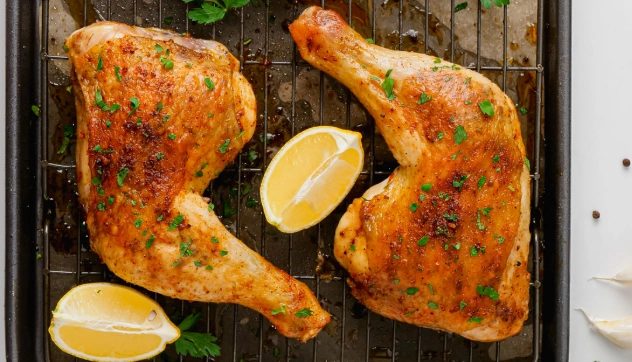
Your Cooking Method Playbook for Chicken Leg Quarters
Here’s a breakdown of the most popular ways to tackle your chicken leg quarters recipe. Each method gives you a different result, so pick based on what you're craving.
| Method | Best For | Key Technique | Approx. Cook Time | Final Texture |
|---|---|---|---|---|
| High-Heat Roasting/Baking | Crispy skin, juicy interior, weeknight ease. | Pat skin dry, season, roast at 425°F (220°C) on a rack. | 40-50 minutes | Skin shatteringly crisp, meat very juicy. |
| Pan-Searing & Finishing in Oven | Maximum golden-brown color and fond for sauce. | Sear skin-side down in oven-safe skillet, then flip and transfer to hot oven. | 15 min sear + 25 min oven | Unbeatable sear, incredibly moist. |
| Braising or Slow Cooking | Fall-off-the-bone tenderness, infusing flavor. | Brown first, then simmer in liquid (wine, stock, tomatoes) covered. | 1.5 - 2 hours on stove | Extremely tender, rich sauce. |
| Grilling | Smoky flavor, charred marks, summer vibes. | Use indirect heat (coals to one side) to cook through without burning. | 35-45 minutes | Smoky, charred skin, juicy meat. |
The Ultimate Baked Chicken Leg Quarters Recipe (Foolproof Method)
This is my absolute favorite, no-fuss method for a perfect weeknight dinner. It's the chicken leg quarters recipe I make when I don't want to think too hard but still want impressive results.
Simple Perfect Roasted Chicken Leg Quarters
- Ingredients: 4 chicken leg quarters, 1.5 tbsp kosher salt, 1 tbsp black pepper, 2 tbsp olive oil or melted butter, 4-6 cloves garlic (smashed), fresh herbs like rosemary or thyme (optional).
- Tools: Rimmed baking sheet, wire rack (highly recommended), paper towels, instant-read thermometer.
- Method: 1) Preheat oven to 425°F (220°C). Place a wire rack on a baking sheet. 2) Dry the leg quarters thoroughly. 3) Rub with oil, then season aggressively on all sides with salt and pepper. Tuck garlic and herbs around. 4) Place on rack, skin-side up. 5) Roast for 40-50 minutes, until skin is deep golden brown and crispy. 6) CRUCIAL: Check internal temperature in the thickest part of the thigh, avoiding bone. It should read 175-180°F (79-82°C). Yes, that's higher than breast meat. Dark meat needs this higher temp for the connective tissue to fully break down and become tender.
- Rest: Let them rest for 5-10 minutes before serving. This allows the juices to redistribute.
Why the rack? It allows hot air to circulate all around the chicken, cooking it evenly and preventing the bottom from steaming in its own juices. If you don't have one, you can use sliced onions or potatoes as a makeshift rack, but the skin underneath won't get as crisp.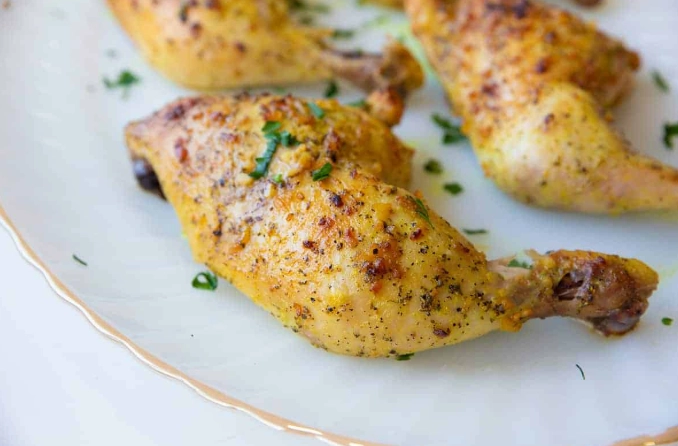
Leveling Up Your Flavor Game
Once you've mastered the basic baked chicken leg quarters recipe, playing with flavors is where the real fun begins.
The Marinade Route: Want deep, penetrating flavor? A marinade works wonders. An easy one: 1/4 cup olive oil, juice of 1 lemon, 3 cloves minced garlic, 1 tbsp dried oregano, salt and pepper. Let the leg quarters sit in it in the fridge for 2-4 hours (or even overnight). The acid in the lemon helps tenderize slightly. Don't marinate for days, though—the texture can get mushy.
The Dry Rub Route: Faster than a marinade and creates a delicious crust. Mix 2 tbsp brown sugar, 1 tbsp smoked paprika, 1 tsp garlic powder, 1 tsp onion powder, 1 tsp salt, 1/2 tsp black pepper, and a pinch of cayenne. Rub it all over the dried chicken. The sugar will caramelize under high heat for an amazing bark. This is a killer start for a grilled chicken leg quarters recipe.
The Sauce Glaze Route: Apply sweet or sticky sauces only in the last 10-15 minutes of cooking. If you put something like barbecue sauce on at the beginning, the sugar will burn long before the chicken is cooked. Brush it on late for a gorgeous, flavorful glaze.
Answering Your Chicken Leg Quarters Recipe Questions
I get asked these all the time. Let's clear things up.
Stop guessing.
An instant-read meat thermometer is your best friend. Insert it into the thickest part of the thigh, making sure not to touch the bone. You're aiming for 175°F to 180°F (79-82°C). The juices should also run clear, not pink, when poked deeply. If you don't have a thermometer, wiggle the drumstick. It should move fairly easily in the joint when it's done.
The culprit is almost always moisture. Did you pat them bone-dry? Was the oven hot enough? A lower temp (like 350°F) will cook the meat but won't crisp the skin effectively. Also, crowding the pan steams them. Give each piece some space. Starting with a very hot pan (for searing) or a very hot oven is key.
You can, but I don't love the results for a standard chicken leg quarters recipe. The exterior will overcook trying to get the interior done. It's much better to thaw them in the fridge overnight. If you're in a pinch, you can cook from frozen in a slow cooker or by braising with plenty of liquid, but you won't get crispy skin.
You want things that can handle the robust flavor and catch those delicious juices. My top picks:
- Starchy: Garlic mashed potatoes, roasted potato wedges, polenta, or a simple rice pilaf.
- Veggies: Roasted broccoli, carrots, or Brussels sprouts (you can cook them on the same pan!), a simple green salad with a vinaigrette to cut the richness, or sautéed greens like kale or spinach.
Shred the meat and use it for chicken tacos, enchiladas, or sandwiches. Chop it up for a hearty chicken salad. Toss the shredded meat into a pot of soup or a creamy pasta sauce. The bones and any leftover skin and jelly? Toss them in a bag in the freezer until you have enough to make an incredible homemade chicken stock. It's miles better than anything from a box.
So there you have it. A chicken leg quarters recipe isn't just one thing. It's a gateway to a dozen delicious, budget-friendly meals. Start with the high-heat roast. Get that crispy skin and juicy meat nailed down. Then, start experimenting. Throw them on the grill this weekend. Try a braise with some white wine and mushrooms when it gets cold.
The best part? It's hard to fail. The dark meat is on your side. So grab those leg quarters, get that oven hot, and get cooking. You've got this.
Related Articles