Boneless Skinless Chicken Thighs Nutrition: Facts & Health Benefits
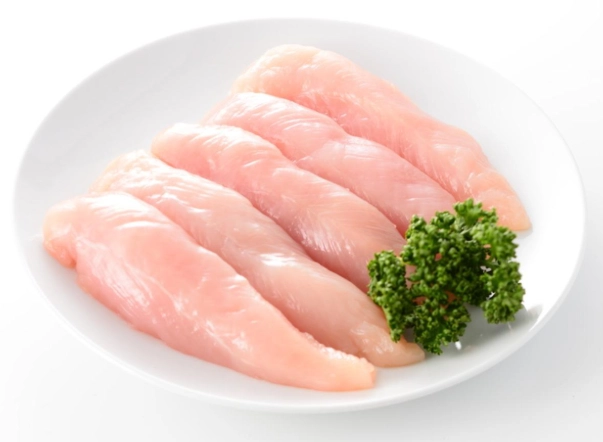
Let's talk about boneless, skinless chicken thighs. They sit in that weird middle ground at the grocery store. Not as popular as the ubiquitous breast, but far more flavorful than the often-overlooked tenderloin. If you're here, you've probably wondered: what's the real nutritional story? Are they a secret weapon for healthy eating, or a diet trap waiting to happen?
I've been cooking with them for over a decade, moving from seeing them as just a cheaper, fattier option to understanding them as a nutritional powerhouse in their own right. The standard advice always pushes chicken breast, but that leaves a lot of people struggling with dry, bland meals. Thighs offer a different path—one built on flavor, satisfaction, and a surprisingly robust nutrient profile.
What’s Inside This Guide
Nutritional Breakdown: The Hard Numbers
First, the data. According to the USDA National Nutrient Database, here’s what you get in a typical 4-ounce (113-gram) serving of cooked boneless, skinless chicken thigh.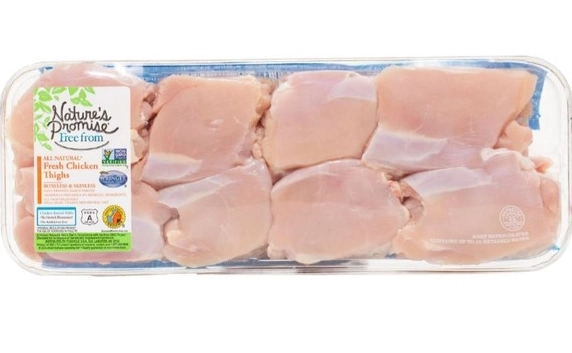
| Nutrient | Amount | % Daily Value* |
|---|---|---|
| Calories | ~209 kcal | 10% |
| Protein | ~26 g | 52% |
| Total Fat | ~11 g | 14% |
| Saturated Fat | ~3 g | 15% |
| Iron | ~1.3 mg | 7% |
| Zinc | ~2.4 mg | 22% |
| Niacin (B3) | ~6.5 mg | 41% |
| Vitamin B6 | ~0.4 mg | 25% |
| Selenium | ~24 mcg | 44% |
*Percent Daily Values are based on a 2,000 calorie diet.
Let's zoom in on two key players.
The Protein Punch
26 grams. That's a serious amount of complete protein in one sitting. Complete means it contains all nine essential amino acids your body can't make on its own. This is building-block material for muscles, enzymes, and hormones. For someone weighing 150 pounds, this one serving covers nearly half of their daily protein needs. It’s why thighs are a favorite in fitness circles—they support recovery without the dryness of overdone breast meat.
Understanding the Fat Content
This is the big one. The number that scares people off.
11 grams of total fat. But it's not the monster under the bed. Roughly half of that fat is monounsaturated fat—the same heart-healthy type found in olive oil and avocados. About 3 grams is saturated. The rest is polyunsaturated.
The takeaway? The fat profile of chicken thigh is not a nutritional villain. It's a mixed bag with a significant portion being the kind of fat associated with better health outcomes. This fat is also what carries flavor and creates that juicy, forgiving texture during cooking. It’s the reason a thigh is almost impossible to overcook into sawdust.
Boneless Skinless Chicken Thighs vs. Chicken Breast: The Real Deal
Everyone wants this comparison. It's not a clean win for either side; it's a choice based on your goals.
For a same-sized 4-oz cooked serving:
- Chicken Breast: ~165 calories, 31g protein, 3.6g fat.
- Chicken Thigh: ~209 calories, 26g protein, 11g fat.
Breast wins on pure leanness. If you are in an extreme calorie-cutting phase, breast is your tool.
But look beyond the macros. Thighs pull ahead in several micronutrients. They contain nearly three times more iron than breast meat. Iron is crucial for oxygen transport in your blood, and fatigue is a classic sign of deficiency. They also provide more zinc (vital for immune function) and a broader spectrum of B vitamins.
Here’s the practical, non-consensus view I’ve landed on after years of coaching clients: The extra calories in a thigh are not “empty.” They come packaged with more nutrients and, critically, more eating satisfaction. That satisfaction factor is wildly underestimated in diet planning. A flavorful, juicy thigh with a side of veggies often beats a dry breast that leaves you hunting for a snack an hour later.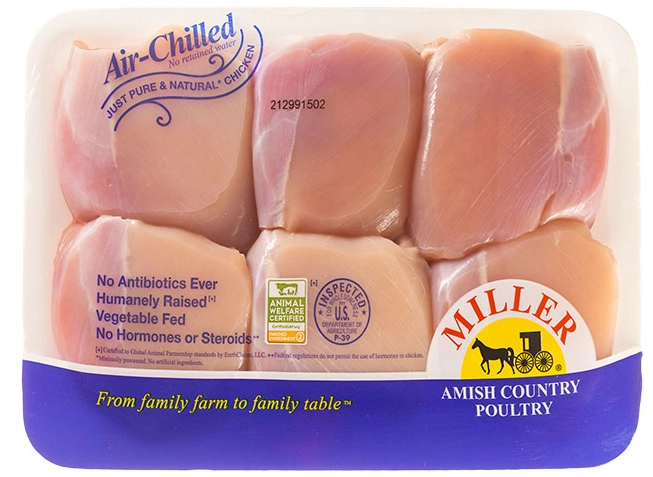
Are Boneless Skinless Chicken Thighs Healthy?
Yes, unequivocally, when consumed as part of a balanced diet. Let's break down the health benefits.
Supports Muscle Maintenance and Growth
The high-quality protein is the star here. It provides the amino acid leucine, which directly signals your body to build and repair muscle tissue. This is important not just for athletes, but for everyone as we age to combat natural muscle loss.
Rich in Essential Minerals
That iron and zinc content I mentioned? It matters. Many people, especially women and those on plant-heavy diets, struggle to meet iron needs. Thighs offer a highly bioavailable form (heme iron). Zinc is a workhorse for immune health and wound healing.
Promotes Satiety and Weight Management
Protein and fat are the two most satiating macronutrients. A meal with chicken thighs keeps blood sugar stable and hunger hormones in check far longer than a carb-heavy meal. This can naturally lead to eating fewer calories overall throughout the day, which is the real engine of weight management.
Common Mistake I See: People treat thighs like breast and cook them to 165°F internal temp and immediately pull them. That's safe, but for optimal juiciness, cook thighs to 175-185°F. The higher fat and connective tissue render better, making them more tender, not tougher. Use a meat thermometer—it’s a game-changer.
How to Cook Boneless Skinless Chicken Thighs for Maximum Health & Flavor
Nutrition isn't just about what's in the food; it's about how you prepare it. Here’s how to maximize both health and taste.
Best Cooking Methods
- Grilling or Broiling: High heat renders fat beautifully and creates flavor without needing much added oil. Watch for flare-ups from dripping fat.
- Baking or Roasting: Super simple. Toss with a little oil, salt, and spices, and roast at 400°F (200°C) for 20-25 minutes. The fat keeps them moist.
- Air Frying: A fantastic option for getting a crispy exterior with minimal oil. Cook at 375°F (190°C) for 12-15 minutes, flipping halfway.
- Slow Cooking or Braising: Perfect for turning thighs into fall-apart tender meals. The long, moist cooking environment is ideal.
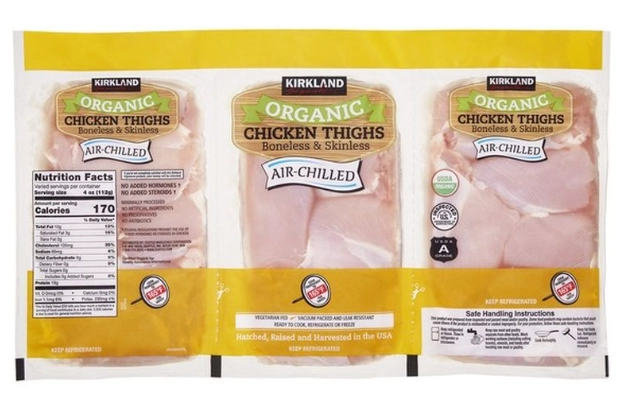
What to Avoid
Deep-frying or pan-frying in loads of butter or unhealthy oils can quickly turn this into a high-calorie, inflammatory meal. The thigh already has fat; you don't need to drown it.
Flavor & Nutrition Pairings
The fat in thighs acts as a carrier for fat-soluble vitamins and flavors. Use this to your advantage.
- Marinate in acids + herbs: Lemon juice, vinegar, or yogurt-based marinades with rosemary, thyme, or oregano. The acid helps tenderize slightly.
- Spice rubs: Paprika, cumin, garlic powder, chili powder—they stick to the surface and create a delicious crust.
- Serve with fibrous veggies: The fat helps your body absorb vitamins from vegetables like kale, spinach, and bell peppers. A perfect synergy.
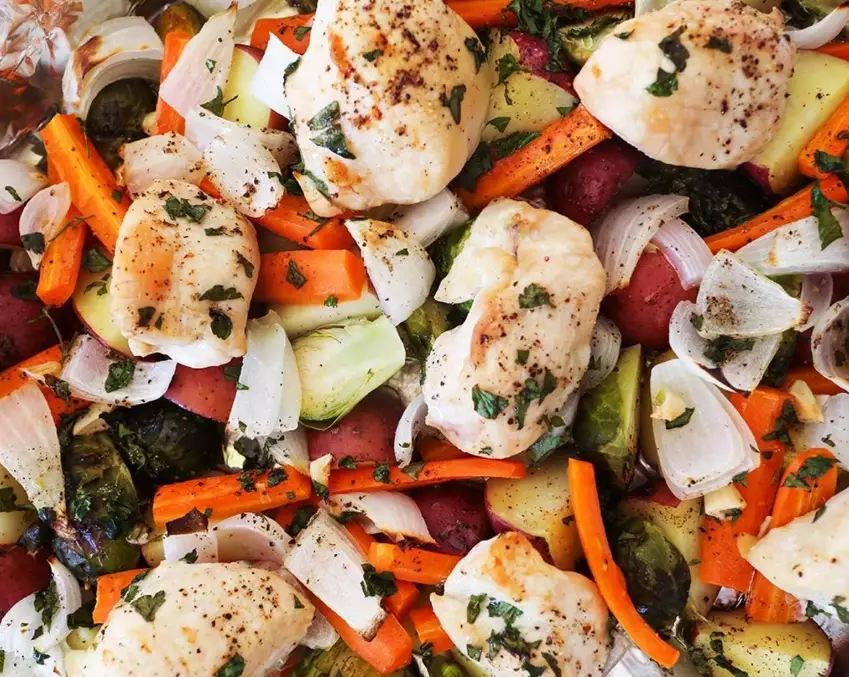
Think of a sheet-pan dinner: thighs roasted alongside broccoli, sweet potatoes, and onions. The chicken fat renders and coats the veggies as they cook, flavoring everything in the pan. It’s efficient, delicious, and nutritious.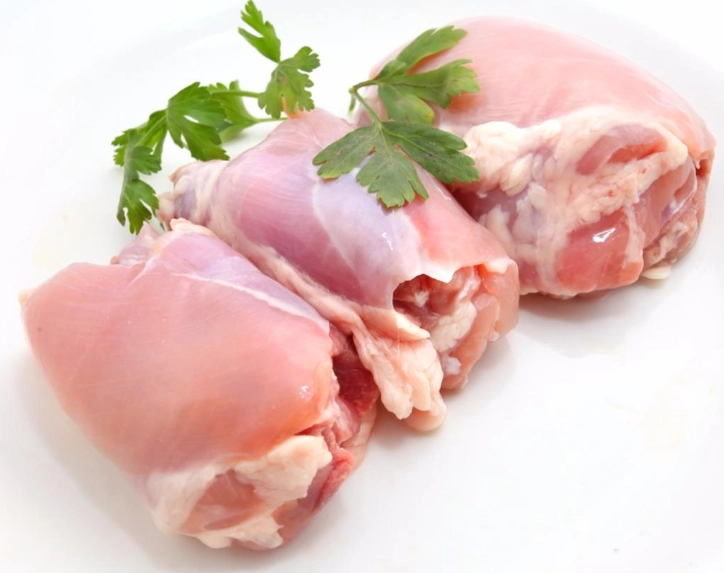
Your Top Questions on Chicken Thigh Nutrition
Boneless, skinless chicken thighs aren't a compromise. They're a choice. A choice for more flavorful meals, more forgiving cooking, and a nutrient profile that brings a lot to the table beyond just protein. They fit perfectly into a balanced, health-conscious diet that doesn't feel like a punishment. Next time you're at the store, grab a pack. Your taste buds—and your body—will thank you.
Related Articles