Ultimate Gluten Free Chicken Tenders: Crispy, Juicy & Foolproof
Let's be honest. Most gluten free chicken tenders are a letdown. They're either cardboard-dry, weirdly gritty, or the breading slides off in one sad piece. I've been there, staring at a plate of expensive, certified gluten-free nuggets that tasted like seasoned sawdust. It's frustrating. But after a decade of cooking for a family with celiac disease, I've cracked the code. It's not about finding a magic flour substitute. It's about understanding how gluten-free coatings behave—or rather, misbehave—and working with their quirks.
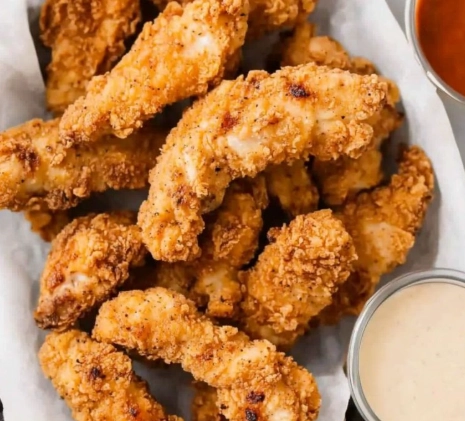
The goal isn't just a "gluten-free version" of a regular tender. The goal is a tender that's so good, nobody misses the wheat. Juicy inside, shatteringly crispy outside, with flavor that goes beyond just salt and pepper.
What You'll Find in This Guide
Why Most Gluten-Free Recipes Fail (The Coating Conundrum)
Wheat flour is a cheat code. Its gluten forms a stretchy net that traps moisture and expands, creating a light, airy, and cohesive crust that browns beautifully. Take the gluten away, and you lose the structure. That's why simply swapping in a cup-for-cup gluten-free flour blend often fails miserably. Those blends are designed for baking, where moisture and chemical leaveners do the work. For frying or baking a coating, you need a different strategy.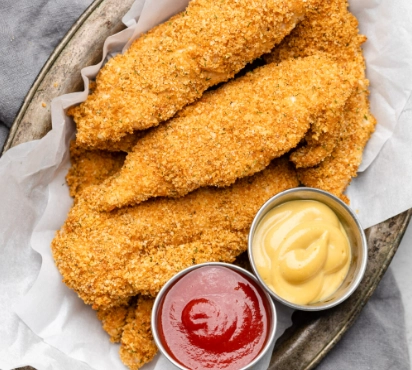
The biggest mistake I see? Using a single flour. Almond flour alone burns. Rice flour alone gets hard and pebbly. Tapioca starch alone turns gummy. You need a team.
Think of your coating like a construction crew:
Your Foolproof, Restaurant-Quality Recipe
This is the blueprint I've refined over years. It's flexible—swap the herbs, change the crunch element—but the ratios and method are key.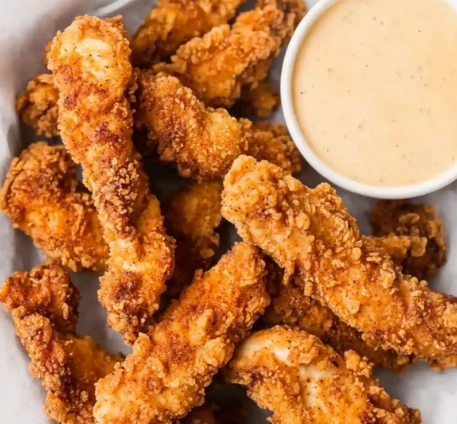
The Can't-Mess-It-Up Gluten Free Chicken Tenders
Prep: 20 mins | Cook: 15-20 mins | Serves: 4
What You Need:
- For the Chicken: 1.5 lbs chicken tenderloins (or breast cut into strips), patted completely dry.
- Dry Dredge (Bowl 1): 1/2 cup cornstarch or potato starch, 1 tsp salt, 1/2 tsp black pepper.
- Wet Bath (Bowl 2): 2 large eggs, beaten with 2 tbsp milk or water. A splash of hot sauce is great here.
- Seasoned Coating (Bowl 3): 1 cup fine almond flour, 1/2 cup grated Parmesan (GF), 1/2 cup gluten-free panko breadcrumbs, 1 tsp garlic powder, 1 tsp paprika, 1/2 tsp onion powder, 1/2 tsp dried thyme, 1 tsp salt.
The Non-Negotiable Process:
- Dry the Chicken. This is step zero. Wet chicken = sliding breading. Press paper towels on them until no moisture comes off.
- Set Up Your Station. Bowls in order: 1 (starch), 2 (egg), 3 (coating). Have a wire rack ready on a baking sheet.
- Dredge. One piece at a time: Coat in starch mix, shake off excess. Dip in egg, let excess drip off. Press firmly into coating mix, patting it on all sides. Place on rack.
- Rest. Let them sit on the rack for 5-10 minutes. This lets the coating hydrate and set, preventing it from sloughing off in the oil or oven.
- Cook. See the method showdown below for times and temps.
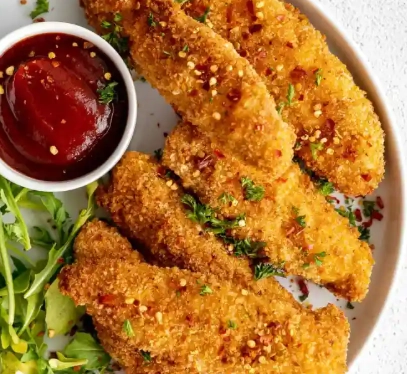
Cooking Method Showdown: Bake, Fry, or Air Fry?
Each method gives a different result. Your choice depends on your texture priority and how much mess you want.
Pan-Frying (The Gold Standard for Crisp):
Heat 1/2 inch of a neutral, high-smoke-point oil (avocado, grapeseed) in a heavy skillet to 350°F. Fry tenders in batches for 3-4 minutes per side until deep golden brown. Drain on a rack, not paper towels—this keeps the bottom crisp. The direct contact with hot oil gives the most reliable, shattery crust. It's a bit messy, but for a special treat, it's unbeatable.
Air Frying (The Weeknight Hero):
Preheat your air fryer to 400°F. This is higher than you might think. Gluten-free coatings need that intense heat to brown quickly. Lightly spray the tenders with oil. Cook in a single layer for 10-12 minutes, flipping halfway. They come out remarkably crispy with minimal oil. Just don't overcrowd the basket.
Baking (The Hands-Off Approach):
Preheat oven to 425°F. Place tenders on a wire rack set over a baking sheet. This is critical—baking them directly on a sheet steams the bottom. Spray lightly with oil. Bake for 15-18 minutes. You won't get the ultra-shaggy crust of frying, but you'll get a very satisfying, even crisp all around with zero splatter.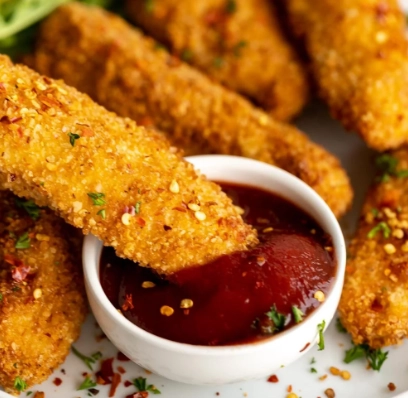
The 3 Fatal Mistakes Everyone Makes
I've eaten a lot of bad gluten-free tenders. These are the usual suspects.
Navigating the Store-Bought Aisle Safely
Sometimes you just need convenience. But for those with celiac disease or severe sensitivity, the freezer aisle is a minefield. A "gluten-free" label is a start, but it's not the whole story.
The real danger is cross-contact. Many brands use shared production lines or, more commonly, shared fryers for their gluten-free and regular products. That's a hard no.
Here's how to shop smart:
- Look for Certification: A symbol from the Gluten-Free Certification Organization (GFCO) or similar body means the product tests below 10ppm gluten and the facility has strict protocols.
- Read the Fine Print: Look for phrases like "made in a dedicated gluten-free facility" or "fried in a dedicated gluten-free fryer." If it doesn't say, assume the worst.
- Brands That Get It Right (as of my last check): Applegate has strong standards and clear labeling. Bell & Evans makes excellent gluten-free breaded chicken. Feel Good Foods specializes in gluten-free frozen foods with clear protocols. Always, always double-check the package you're holding—recipes and processes change.
Honestly? Even with the good brands, homemade wins on flavor and texture every single time. And you know exactly what's in it.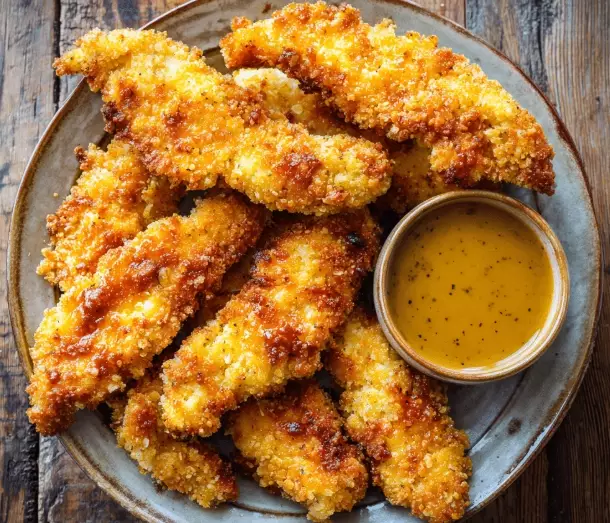
Quick Answers to Your Burning Questions
What's the best temperature for cooking gluten free chicken tenders in an air fryer to get them crispy?
My gluten free breading always falls off the chicken. How do I make it stick?
I have celiac disease. Are store-bought gluten free chicken tenders safe to eat?
Can I use almond flour alone for gluten free chicken tenders?
The bottom line? Gluten free chicken tenders shouldn't be a consolation prize. With the right blend of ingredients, a solid technique, and an awareness of the pitfalls, you can make tenders that are genuinely better than most restaurant versions—gluten-free or not. It's not about deprivation. It's about building flavor and texture in a smarter way. Now go preheat that oven or air fryer. Dinner's waiting.
Related Articles