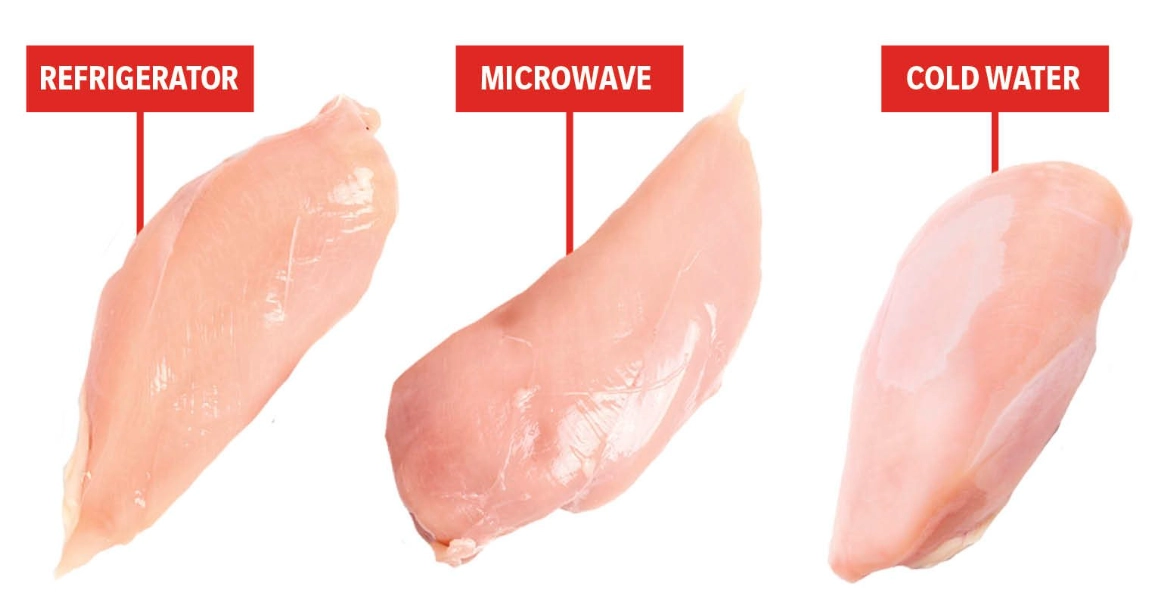
The Ultimate Guide to Chicken Defrost Time: Safe, Fast, No Guesswork
Let's be honest. We've all been there. It's 5 PM, you pull a rock-solid pack of chicken breasts from the freezer, and dinner plans implode. How long to defrost chicken? An hour? Four? Overnight? The internet gives you ten different answers, and that "quick" microwave zap leaves you with rubbery edges and a frozen core. It's frustrating, and worse, it can be unsafe.
Getting chicken defrost time right isn't just about convenience; it's the foundation of food safety and a good meal. The "danger zone"—between 40°F and 140°F (4°C and 60°C)—is where bacteria thrive. A poor thawing method can keep parts of your chicken in that zone for hours.
I've cooked professionally and messed this up at home more times than I care to admit. The biggest mistake isn't impatience—it's a lack of a clear, reliable system. This guide will give you that system.
What You'll Learn Inside
- Why Getting the Time Right is a Safety Issue, Not Just Convenience
- The Three Approved Methods: Fridge, Cold Water, Microwave
- Chicken Defrost Time: Your Quick-Reference Cheat Sheet
- The Thawing Mistakes Almost Everyone Makes (And How to Stop)
- Pro Tips for Perfectly Thawed Chicken Every Time
- Your Thawing Questions, Answered
Why Getting the Time Right is a Safety Issue, Not Just Convenience
Think of thawing as a controlled race. The goal is to move the chicken from frozen to fridge-temperature (or ready-to-cook) as quickly as safely possible, minimizing time in the danger zone. The USDA is clear: never thaw food at room temperature. The outer layers warm up fast, becoming a bacterial playground while the inside is still ice.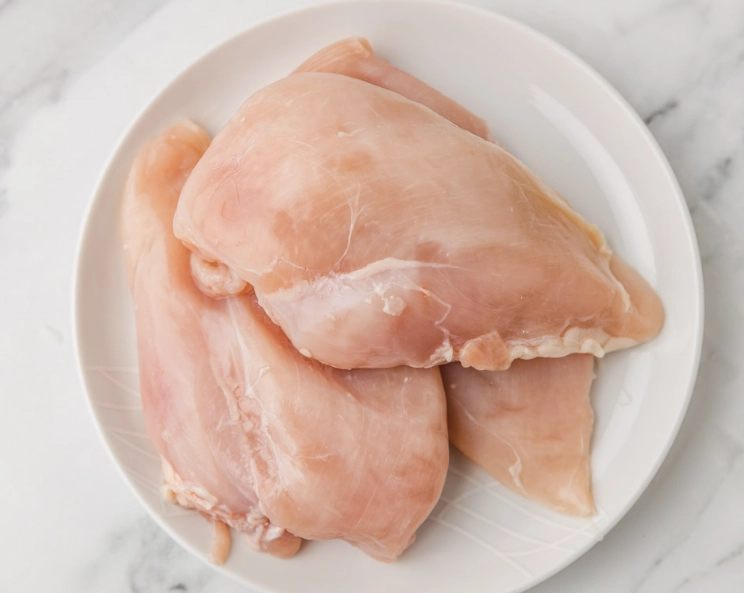
I see people leave a package on the counter for "just a couple hours." That's a couple hours too long. The risk isn't always dramatic food poisoning; sometimes it's just a mediocre, potentially risky meal. Proper thawing time ensures even cooking, better texture, and peace of mind.
The Room Temperature Rule: Just don't. A pack of chicken breasts can enter the danger zone in under 60 minutes on a warm counter. The perceived time saved isn't worth the risk.
The Three Approved Methods: Fridge, Cold Water, Microwave
You have three safe options, each with its own rhythm and purpose. Your choice depends on one thing: how much time you have.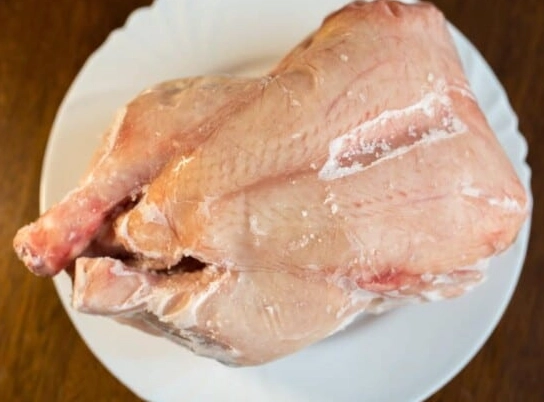
How to Defrost Chicken in the Refrigerator (The Gold Standard)
This is the best way, period. It requires planning but guarantees safety and quality. Place the chicken, in its original packaging or a leak-proof bag, on a plate or tray on the bottom shelf of your fridge. This prevents cross-contamination from drips.
The time? It's slower than you think.
| Type of Chicken | Approximate Weight | Estimated Fridge Thaw Time |
|---|---|---|
| Boneless, Skinless Breasts (pack) | 1 - 1.5 lbs (450-680g) | 12 to 24 hours |
| Bone-in Thighs or Drumsticks (pack) | 2 - 3 lbs (0.9-1.4kg) | 18 to 36 hours |
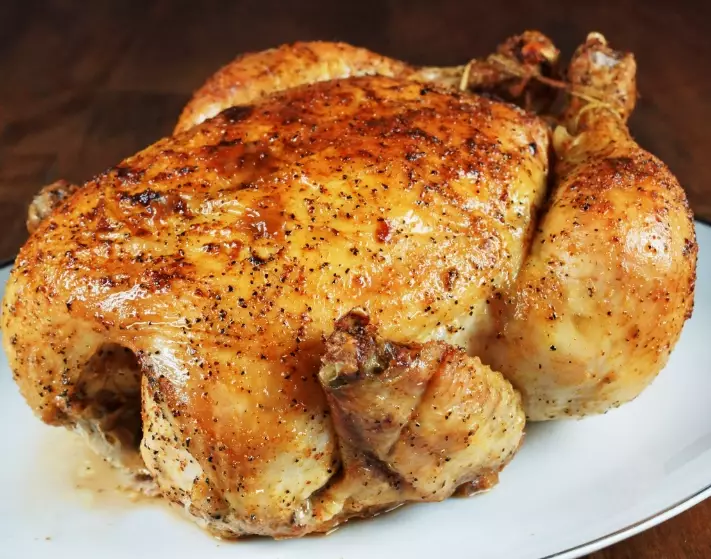
| Whole Chicken | 4 - 5 lbs (1.8-2.3kg) | 24 to 48 hours, sometimes more |
| Ground Chicken (package) | 1 lb (450g) | 12 to 18 hours |
See? A whole chicken needs a full day, maybe two. Start the night before you plan to cook it, not the night of.
How to Defrost Chicken in Cold Water (The Fast, Safe Middle Ground)
This is my go-to when I forget to plan ahead. It's USDA-approved and cuts the time dramatically. The key is cold water and a leak-proof bag.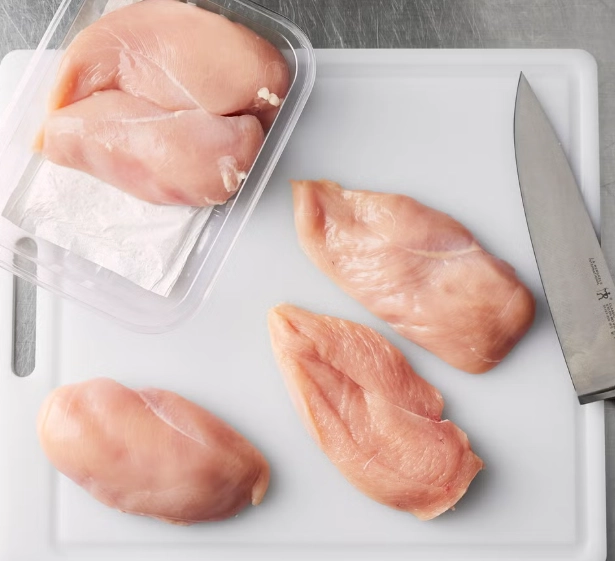
- Seal the chicken tightly in a ziplock or vacuum-sealed bag. Get as much air out as possible.
- Submerge it in a large bowl or clean sink filled with cold tap water.
- Here's the non-negotiable step: Change the water every 30 minutes. This keeps it cold enough to prevent bacterial growth.
Time: About 1 hour per pound (450g). So those 1.5 lb breasts? Plan for 1.5 to 2 hours. A whole chicken? 4-5 hours with diligent water changes. Cook immediately after thawing.
How to Defrost Chicken in the Microwave (The Last-Resort Sprint)
Microwaves thaw unevenly. You'll get cooked edges and a frozen center if you're not careful. Use this only if you will cook the chicken immediately after thawing.
Use the "defrost" or low-power setting (30-50% power). Place the chicken on a microwave-safe plate. Pause and separate pieces, flip, or remove thawed parts every 2-3 minutes. For a pound of breasts, this might take 6-10 minutes total, but check constantly.
It feels fussy because it is. But it's better than room-temperature thawing.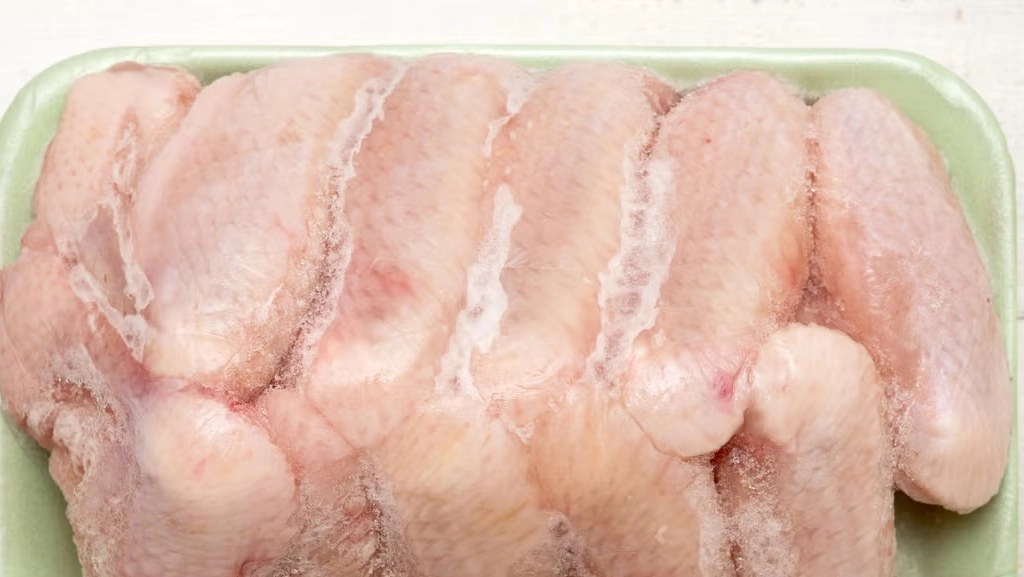
Chicken Defrost Time: Your Quick-Reference Cheat Sheet
Need it tonight? Use Cold Water.
Cooking tomorrow? Use the Fridge.
In a dire pinch and cooking RIGHT NOW? Use Microwave, then straight to the pan/oven.
The Thawing Mistakes Almost Everyone Makes (And How to Stop)
Beyond the room-temperature blunder, here are subtler errors.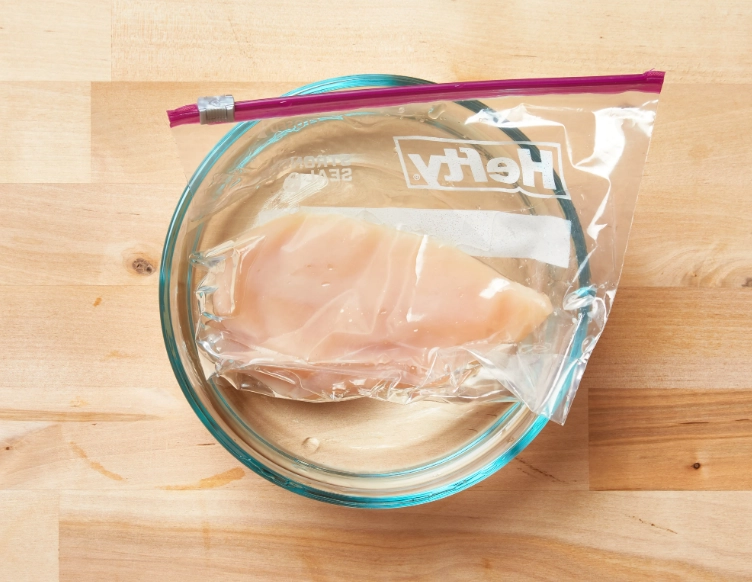
Mistake 1: Thawing in Original Packaging (Sometimes). The flimsy foam tray and plastic wrap aren't always watertight for the cold water method. For fridge thawing, it's usually fine if on a plate. For water, always use an extra bag.
Mistake 2: Not Accounting for Density. A thick, bone-in chicken breast takes longer than a thin cutlet. A whole chicken takes forever. Use the weights in the table as your guide, not just "a pack."
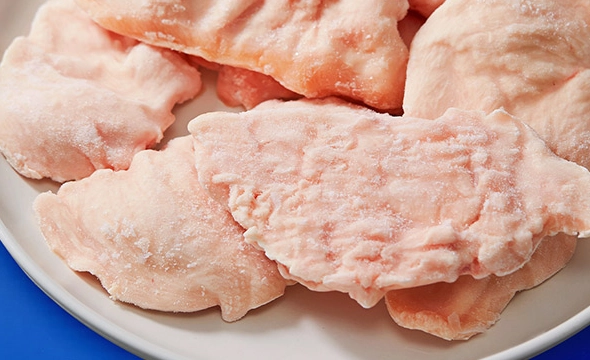
Mistake 3: The "It's Mostly Thawed" Gamble. Partially frozen chicken won't cook evenly. If you're short on time, cut it into smaller pieces while partially frozen or adjust cooking to low and slow.
Mistake 4: Refreezing Improperly. If you thawed it in the fridge and haven't let it warm up, you can refreeze it, but the quality tanks. If you used water or microwave, you must cook it first before refreezing. My rule? Thaw what you'll cook.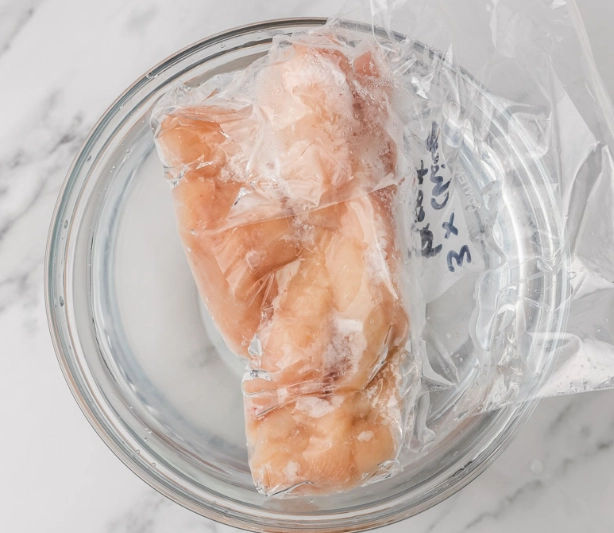
Pro Tips for Perfectly Thawed Chicken Every Time
- Label Your Freezer Bags. Write the date and weight on the bag before freezing. "Chicken Thighs, 2.2lbs, Jan 15." This ends the guessing game.
- Pre-Portion Before Freezing. Freeze chicken breasts individually on a tray, then bag them. Need two? Grab two ice-cold pieces. They'll thaw in cold water in under an hour.
- The "Cook from Frozen" Exception. For soups, stews, or a slow cooker, you can often add frozen chicken directly. It will thaw and cook in the simmering liquid safely. Check the final internal temp (165°F/74°C).
- Your Fridge Temperature Matters. Is your fridge closer to 35°F (1.5°C) or 40°F (4.5°C)? The colder it is, the longer thawing takes. Get a cheap fridge thermometer.
Your Thawing Questions, Answered
Mastering chicken defrost time isn't about memorizing a single number. It's about understanding the principles of food safety and having a reliable plan for your schedule. Stop guessing. Pick your method based on the clock, follow the steps, and you'll never face a frozen chicken emergency again. Your dinners will be safer, tastier, and a whole lot less stressful.
Related Articles